

Wajik ketan — that sticky, sweet, deeply coconutty Indonesian rice cake — came to me one quiet afternoon, uninvited but completely welcome. I was sitting by the window, the sky outside dull with drizzle, when suddenly I could taste it. That familiar chew, the deep caramel sweetness, the way each bite felt like a soft hug from my childhood.
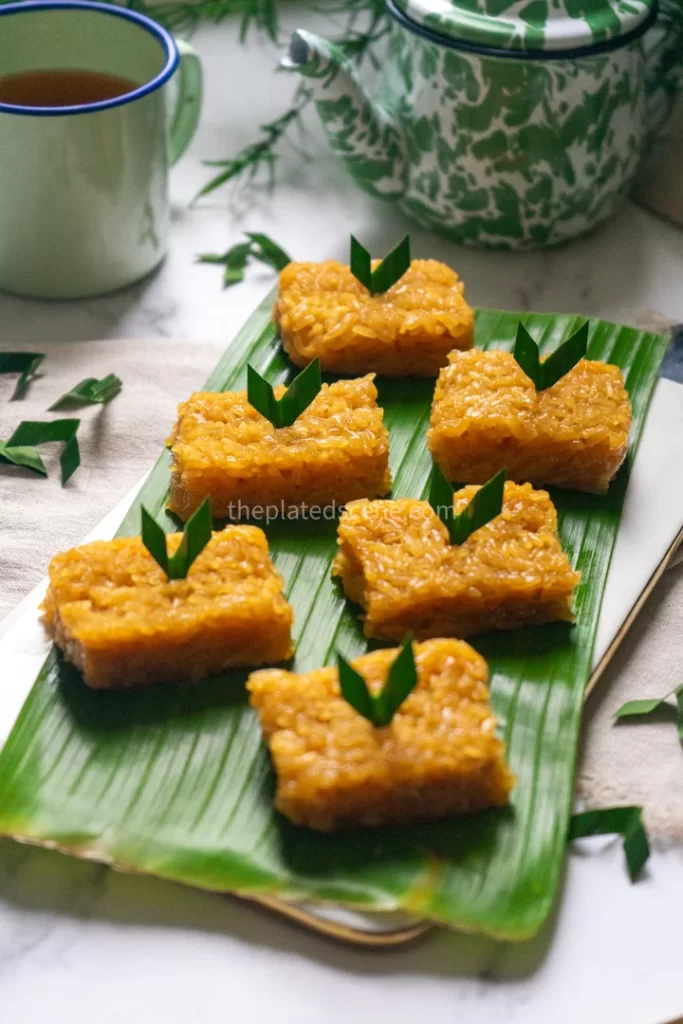
Funny how cravings work, right? One moment you’re minding your own business, and the next you’re mentally transported to your grandmother’s house, sitting cross-legged on the floor, peeling back a banana leaf to reveal a still-warm diamond-shaped piece of wajik ketan. That memory lingered so vividly, I couldn’t resist. I had to make it.
So I did what many of us do — I went down the recipe rabbit hole. I read everything I could find online. There were so many variations! Some recipes felt too modern, others too rigid. A few sounded like they came straight from a kitchen in Yogyakarta, while others felt like simplified versions from a busy home cook in Jakarta. I tried quite a few. Some batches turned out okay, others not so much. And then I started tweaking.
Table of Contents
I experimented until the texture felt just right — soft but not mushy, chewy without being tough, sticky enough to hold its shape. I learned that you don’t need to soak glutinous rice overnight. In fact, a 10-minute soak in hot water works wonders and saves hours. I also realized you don’t need to stand over the stove stirring endlessly in a cloud of steam like the elders used to — unless you want the full arm workout.
My version uses a rice cooker to do most of the work. And honestly? It still tastes like home. It still delivers that soft, sticky sweetness I remember. And most importantly — it satisfies that deep, nostalgic craving for wajik ketan, the kind only a real rice cake can offer.
Ketan vs Regular Rice: A Sticky Situation
Let’s clear up a common mix-up. The rice in wajik ketan isn’t your everyday jasmine or basmati. It’s ketan, or glutinous rice — also known as sticky rice or sweet rice. And no, despite the name, it contains zero gluten.
Ketan is special. When cooked, it transforms into something magical — soft, glossy, and wonderfully sticky. That’s exactly what makes it perfect for rice cakes like wajik ketan. The grains cling to each other, binding naturally without the need for flour or eggs. Regular rice would never behave this way — it’s too separate, too loose, too dry.
You can find glutinous rice in most Asian grocery stores. It usually comes in opaque white grains and sometimes goes by names like “sweet rice” or “sticky rice.” Just make sure not to confuse it with sushi rice — similar, but not the same. For this rice cake, ketan is the only way to go.
From Grandma’s Wok to My Rice Cooker: Reinventing a Classic
I’ll be honest. The first time I saw my grandmother make wajik ketan, I thought it was some kind of culinary bootcamp. She would soak the rice overnight, steam it for ages, and then spend what felt like an eternity stirring it in a massive wok with coconut milk and palm sugar. It looked exhausting. And it was. But the result? Pure gold.
Still, as much as I admired the traditional method, I needed something a little more… practical. I live in a small kitchen with a busy schedule. No massive wok, no time to stir endlessly, and no ceremonial steamer.
That’s where my rice cooker came in.
Here’s the hack: I soaked the ketan in hot water for 10 minutes — just enough to soften it without requiring an overnight wait. Then I cooked it in my rice cooker using coconut milk instead of water. The result? Fluffy, fragrant, creamy rice that was already halfway to wajik even before I added the syrup.
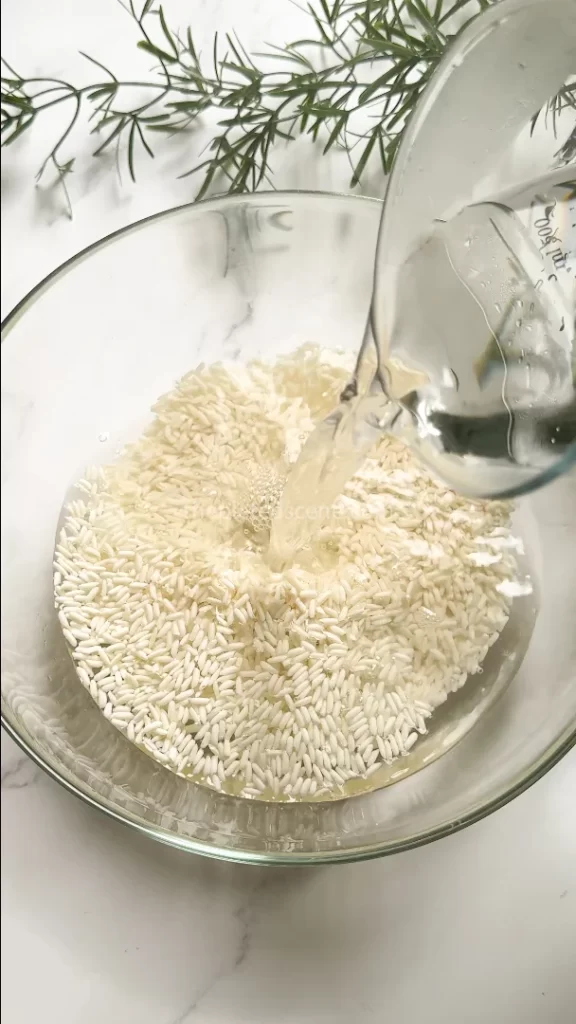
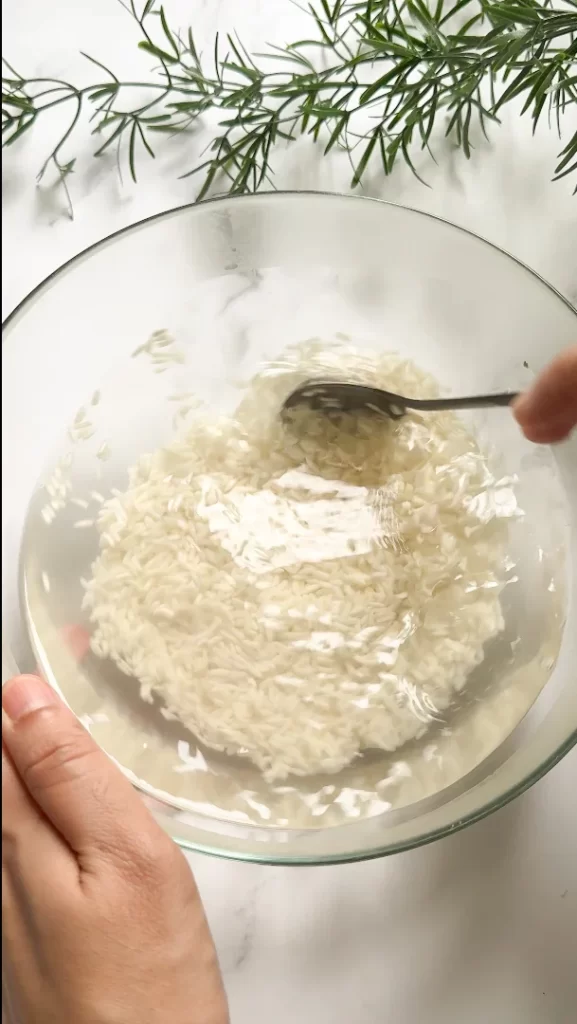
While the rice was cooking, I made the syrup — melting palm sugar with pandan and a pinch of salt. Then I stirred everything together slowly over gentle heat until the rice turned glossy and thick with syrup. The moment the mixture could hold a shape and pull away from the pan, I knew it was done.
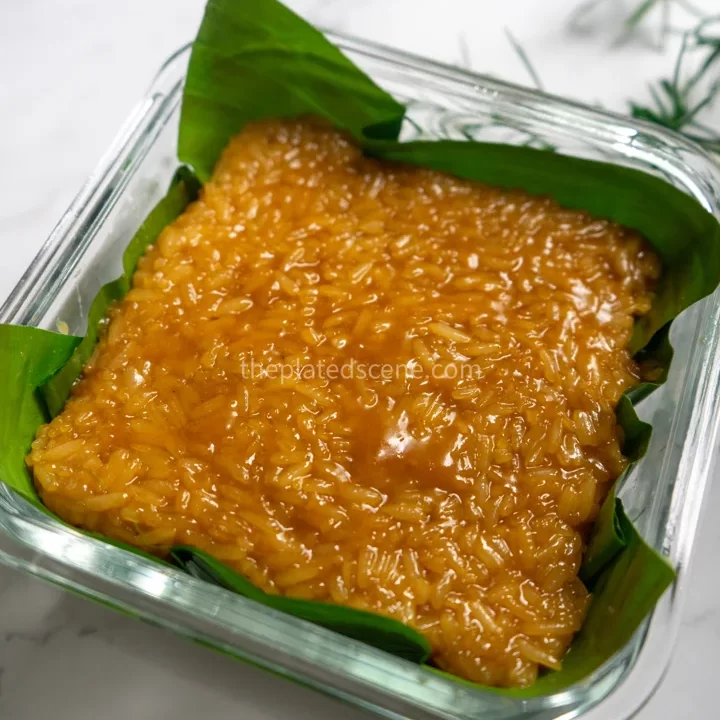
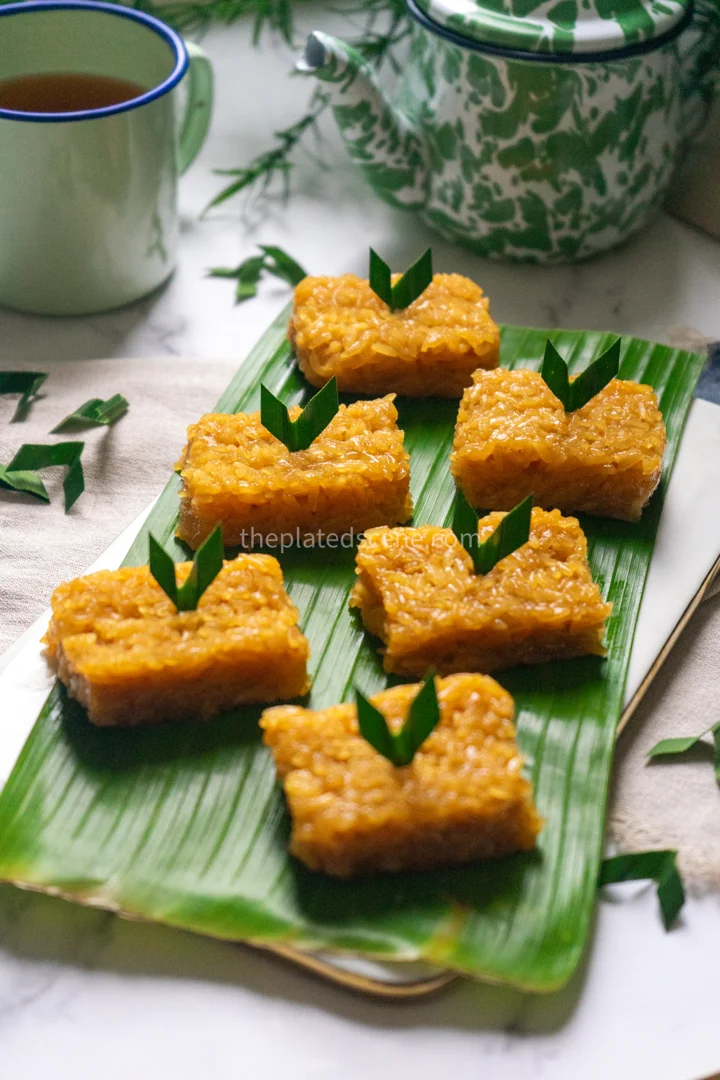
I pressed it into a banana leaf-lined tray, let it cool, and… magic. A pan of golden-brown wajik ketan, ready to cut into diamonds. Grandma would’ve raised an eyebrow at the rice cooker, but I like to think she’d approve of the taste.
Wajik Ketan’s Story: Sticky, Sweet, and Sacred
Wajik ketan isn’t just a snack — it’s steeped in meaning. In Javanese tradition, this rice cake symbolizes unity and togetherness. The way the sticky rice holds firm represents harmony in relationships, whether in marriage, family, or community.
That’s why you’ll often see wajik ketan at weddings, selamatan ceremonies, and religious holidays. It’s a gesture of good will. A blessing in edible form. And that diamond shape? It’s not just for aesthetics. It’s called wajik — the same word used for the rhombus shape in playing cards — and it’s where the dish gets its name.
Historically, wajik ketan was made using local, accessible ingredients — rice from the fields, coconut from the trees, sugar tapped and boiled into gula jawa. It was, and still is, a celebration of what the land offers.
Today, it may show up in fancy catering spreads or wrapped in plastic at markets, but its heart remains humble and meaningful. A rice cake for ceremonies. A treat for guests. A taste of heritage.
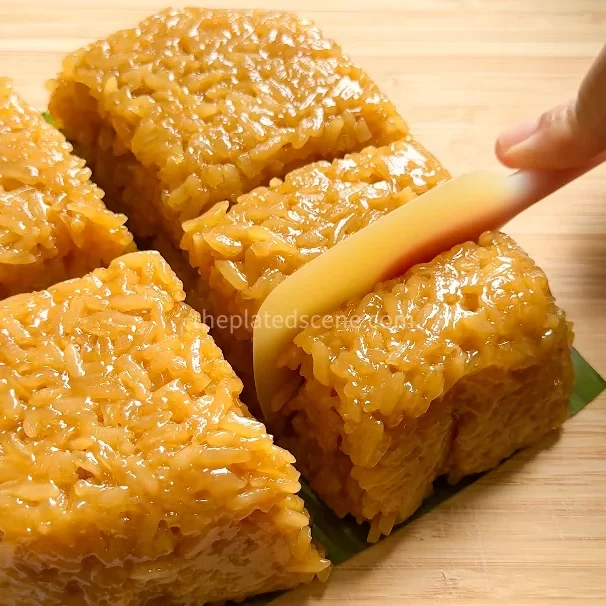
So, What Does Wajik Ketan Taste Like?
It’s hard to describe exactly — but I’ll try.
Imagine biting into something soft and chewy, but not rubbery. The glutinous rice gives it body and bounce, while the coconut milk makes it rich and velvety. Then comes the sweetness — not sharp or sugary, but mellow and deep, like molasses or toffee, thanks to the palm sugar.
There’s also a hint of smoke from the caramelized syrup and a whisper of floral if you’ve added pandan. Every bite feels like it’s telling you to slow down, breathe, and enjoy the moment. It’s comforting. Familiar. A little indulgent, but never overwhelming.
If you’ve never tried wajik ketan before, think of it as Indonesia’s answer to sticky toffee pudding — only more tropical, less gooey, and infinitely more nostalgic.
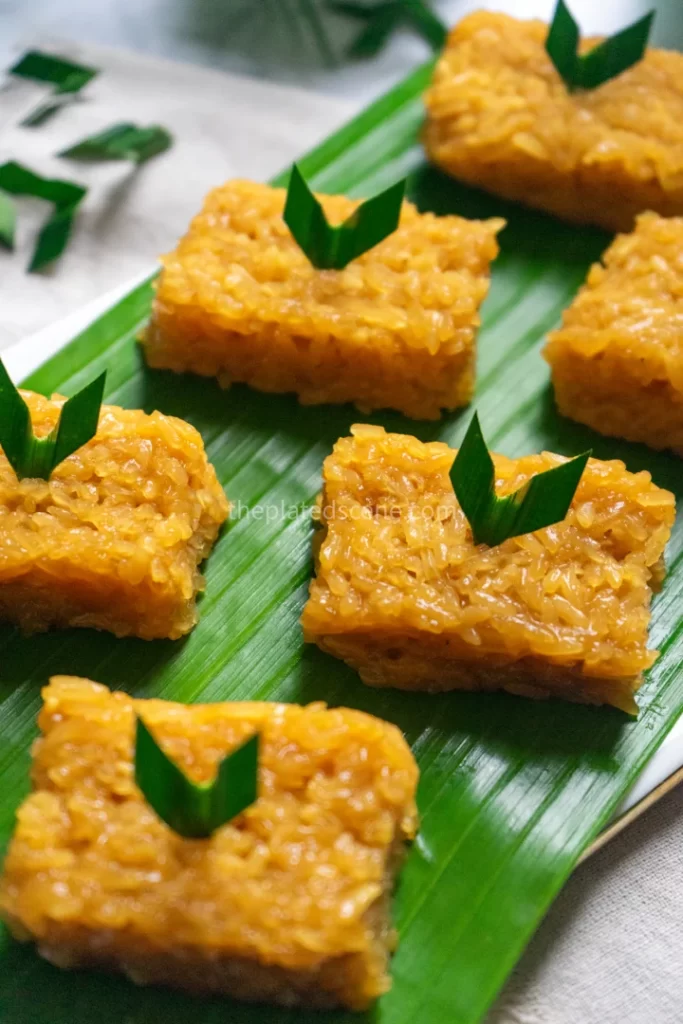
Wajik Ketan, But Make It Your Way
One of my favorite things about wajik ketan is how many ways you can make it your own.
Pandan Wajik
Add pandan juice or a few drops of pandan extract to your coconut milk and you’ll end up with a beautiful jade-green rice cake that smells like a garden after rain.
Durian Wajik
This one’s for the bold. Mix mashed durian into your syrup and you’ll get a richer, custard-like version of wajik ketan with that unmistakable durian kick. If you’re a durian fan, you must try this.
Layered or Rainbow Wajik
Make different flavors and layer them — brown from palm sugar, green from pandan, white from coconut. It’s visually stunning and perfect for festive occasions or gifting.
Modern Takes
Some people press it into molds, roll it into balls, or sprinkle sesame seeds on top. I’ve even seen wajik ketan cubes dipped in melted dark chocolate. The base is so versatile, you can go classic or get creative.
Lessons Learned: Tips for Foolproof Wajik Ketan
Here’s everything I wish someone had told me before I made my first batch:
1. Quick Soak Works
Hot water for 10 minutes is enough. Don’t skip soaking altogether, though — unsoaked ketan will cook unevenly and stay hard in the middle.
2. Coconut Milk Is Non-Negotiable
Use it in both the rice cooking and the syrup. Full-fat. No skimping.
3. Choose the Right Palm Sugar
Look for traditional gula jawa or gula aren in block form. It should be dark, crumbly, and smoky — not the bright orange stuff.
4. Stir With Love
Once you combine the syrup and rice, be gentle. Stir just enough to evenly coat the grains and avoid burning. Don’t rush this part — it’s where the magic happens.
5. Let It Cool
After pressing it into your tray, walk away. Cutting too soon is tempting, but it needs at least 3–4 hours to set properly. Patience = clean slices.
6. Store Well
Keep it in an airtight container. Room temp is fine for 1–2 days. Longer than that? Refrigerate, then warm gently before serving.
Ingredients for Wajik Ketan (Caramelized Glutinous Rice Cake)
To make this rich and chewy wajik ketan, you’ll need just a few pantry-friendly ingredients. Each one plays an important role in building the deep, coconut-caramel flavor of this classic Indonesian rice cake.
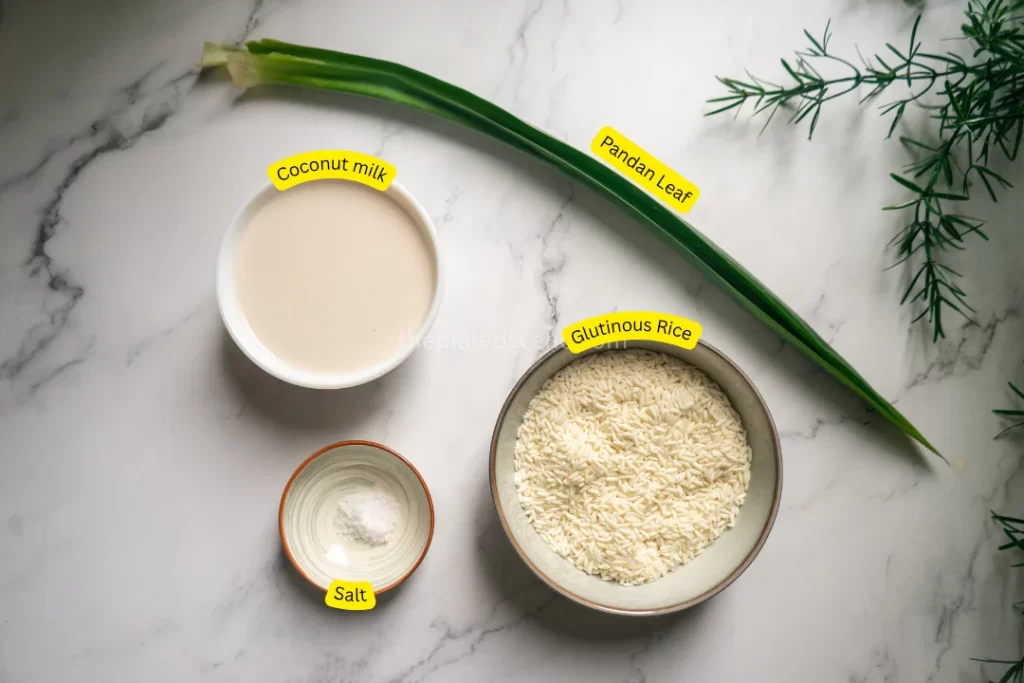
Glutinous rice
Also known as ketan or sticky rice, this is the base of your wajik ketan. It has a soft, sticky texture when cooked, making it perfect for rice cake recipes. Be sure to use white glutinous rice, not jasmine or regular long-grain rice. Do not substitute with sushi rice, as the texture won’t hold the same way.
Pandan leaf
Adds a floral, vanilla-like aroma to the rice and syrup. It’s a classic addition in Indonesian desserts, especially in wajik ketan. If fresh pandan leaves are not available, you can use frozen ones or a few drops of pandan extract — but use sparingly, as the extract is concentrated.
Coconut cream and water
This combination is used both to cook the rice and to prepare the palm sugar syrup. Coconut cream brings a rich, creamy texture that soaks beautifully into the glutinous rice. You can substitute with full-fat canned coconut milk if needed, though the final rice cake might be slightly lighter in taste.
Salt
A small pinch of salt enhances the sweetness and brings balance to the caramel notes of the rice cake.
For the Palm Sugar Mixture
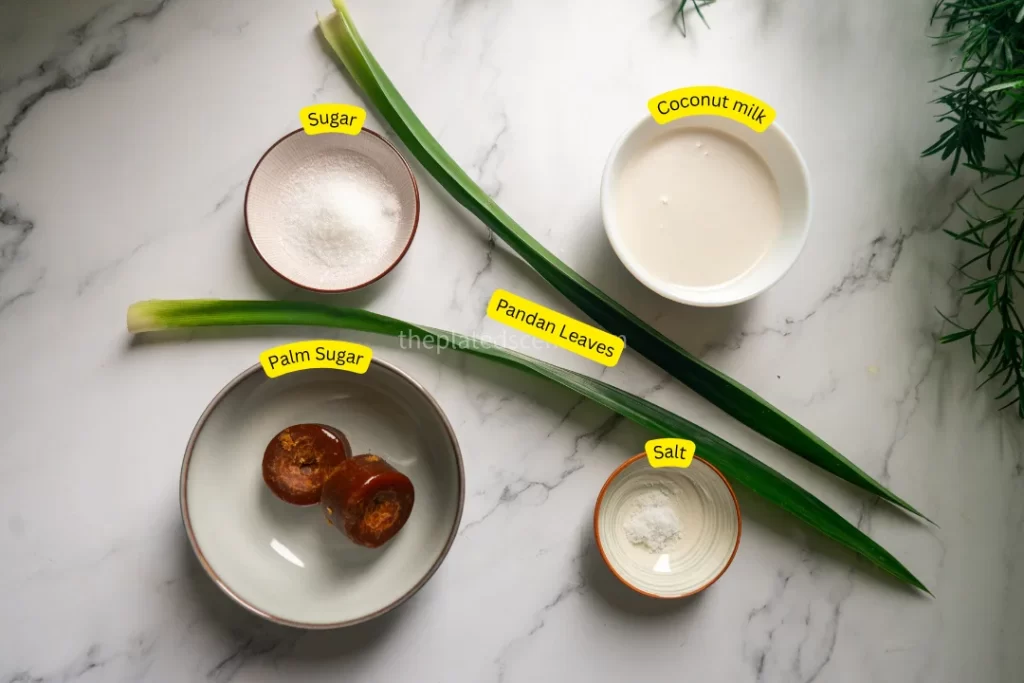
Palm sugar
The star of this rice cake’s flavor. Choose traditional Indonesian gula jawa or gula aren for that deep, smoky, toffee-like sweetness. It usually comes in round blocks or dark chunks. If unavailable, you can substitute with Thai palm sugar or Malaysian gula melaka, but avoid overly processed versions.
White sugar
Added to round out the sweetness and help stabilize the syrup. It also brings a slight shine to the final texture of the wajik ketan.
Salt
Again, just a touch to bring out the flavor of the palm sugar.
Pandan leaf
Simmered with the syrup for added aroma, this gives the rice cake an extra layer of fragrance.
Coconut cream and water
Used to dissolve the sugars into a thick syrup that will coat the cooked rice. The combination helps emulsify the caramel and makes the rice cake luxuriously sticky.
Banana leaf (daun pisang)
Traditionally used to line the mold or tray. It prevents the rice cake from sticking and also infuses a subtle aroma. If you can’t find banana leaf, use parchment paper as a substitute — but the fragrance won’t be quite the same.
Nutritional Value of Wajik Ketan
Wajik ketan is a sweet treat best enjoyed in moderation — it’s rich, dense, and meant to satisfy with just a small piece. As with most traditional Indonesian rice cakes, it’s made with real, whole ingredients and contains no preservatives or artificial additives.
Each serving of wajik ketan (roughly a 2-inch diamond-shaped slice) provides:
- A source of carbohydrates, mainly from glutinous rice and palm sugar, giving it that chewy texture and quick energy boost
- Healthy fats from coconut cream, which contributes to the rich, velvety mouthfeel
- A small amount of natural minerals like potassium, iron, and magnesium, especially if using unrefined palm sugar
However, it is also high in natural sugars and calories due to the palm sugar and coconut cream. While it’s gluten-free and vegan, it’s not low-carb — this rice cake is best enjoyed as a festive or occasional indulgence rather than an everyday snack.
For a lighter variation, you can slightly reduce the amount of palm sugar or substitute a portion of it with monk fruit sweetener, though this will change the flavor and color.
How to Store Wajik Ketan
One of the best things about wajik ketan is how well it keeps — making it a great option for gifting or preparing ahead of time.
At Room Temperature
Wajik ketan can be stored in an airtight container at room temperature for up to 2 days. Keep it in a cool, dry place away from direct sunlight. If you’re using banana leaves to wrap or line it, this helps maintain its moisture and aroma.
In the Refrigerator
For longer storage, place the rice cake in an airtight container and refrigerate for up to 5 days. The texture will firm up slightly in the fridge, but it’s easy to bring it back to life.
To serve, reheat gently by steaming for a few minutes or microwaving for 20–30 seconds with a damp paper towel to soften the texture.
Freezing
You can also freeze wajik ketan for up to 1 month. Wrap individual pieces in parchment or banana leaf and place in a freezer-safe container. To thaw, leave at room temperature for an hour and then reheat using steam or the microwave.
Whether you’re making it for a celebration or to satisfy a sweet craving, storing your wajik ketan properly will keep every bite just as satisfying as the first.
Craving More Indonesian Sweets?
If you loved making wajik ketan, you might enjoy trying a few more traditional Indonesian desserts that are just as comforting and satisfying. Here are two reader favorites on The Plated Scene:
Bubur Kacang Ijo
A warm, creamy mung bean porridge simmered in coconut milk and palm sugar, often served with a swirl of thick coconut cream. It’s wholesome, filling, and especially popular during the rainy season. This dish is perfect for breakfast, a light dessert, or even as an afternoon pick-me-up.
→ Try the recipe: Bubur Kacang Ijo (Mung Bean Coconut Porridge)
Bubur Pacar Cina
Delicate, chewy tapioca pearls cooked in a fragrant coconut milk base with pandan and a touch of vanilla. This colorful dessert is fun to make and even more fun to eat — it’s slightly sweet, creamy, and just a little playful.
→ Try the recipe: Bubur Pacar Cina (Tapioca Pearls in Coconut Milk)
These sweet dishes, just like wajik ketan, celebrate the richness of coconut milk, the depth of palm sugar, and the comforting textures we all love in Indonesian dessert culture. Give them a try next and turn your kitchen into a sweet corner of Nusantara.
Wajik Ketan (Indonesian Caramelized Glutinous Rice Cake)
4
servings15
minutes40
minutes55
minutesA soft, chewy Indonesian rice cake made from glutinous rice, coconut cream, and palm sugar. This simplified wajik ketan recipe uses a rice cooker and quick hot water soak — perfect for recreating this traditional treat with less fuss and all the nostalgic flavor.
Keep the screen of your device on
Ingredients
- For the rice:
7 oz 200 g glutinous rice (ketan)
2 pc 2 pc pandan leaves, knotted
3.5 tbsp 50 ml coconut cream
0.5 cup 130 ml water
0.5 tsp 1/2 tsp salt
- For the palm sugar mixture:
3.5 oz 100 g palm sugar, shredded
2 tsp 10 g white sugar
0.5 tsp 0.5 tsp salt
2 pc 2 pc pandan leaves, knotted
3.5 tbsp 50 ml coconut cream
3.5 tbsp 50 ml water
- For lining and pressing:
Banana leaves, lightly brushed with oil
Directions
- Soak the glutinous rice
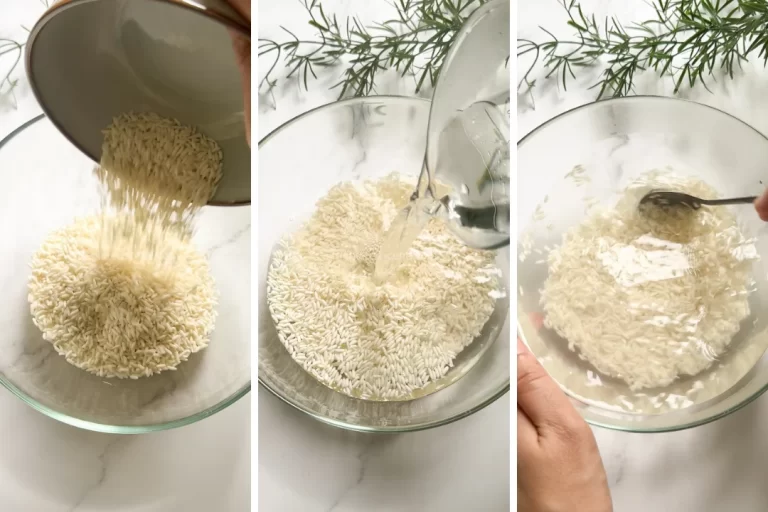
Place the glutinous rice in a heatproof bowl and pour in enough hot water to cover. Let it soak for 10 minutes, then drain and rinse thoroughly to remove excess starch. This quick soak softens the rice and helps it cook evenly.
- Cook the rice in coconut milk
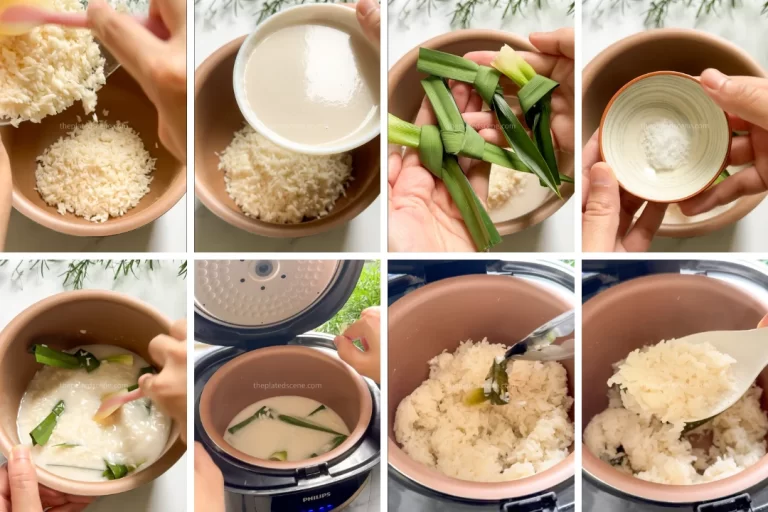
Transfer the drained rice into your rice cooker. Add one knotted pandan leaf, a mixture of coconut cream and water, and a small pinch of salt. Cook as you normally would — the rice will absorb the coconut flavor beautifully and turn rich and slightly glossy when done. - Make the palm sugar syrup
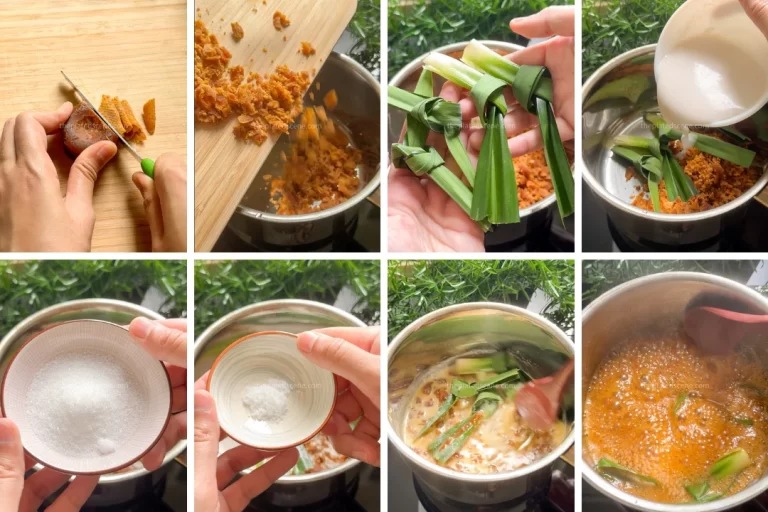
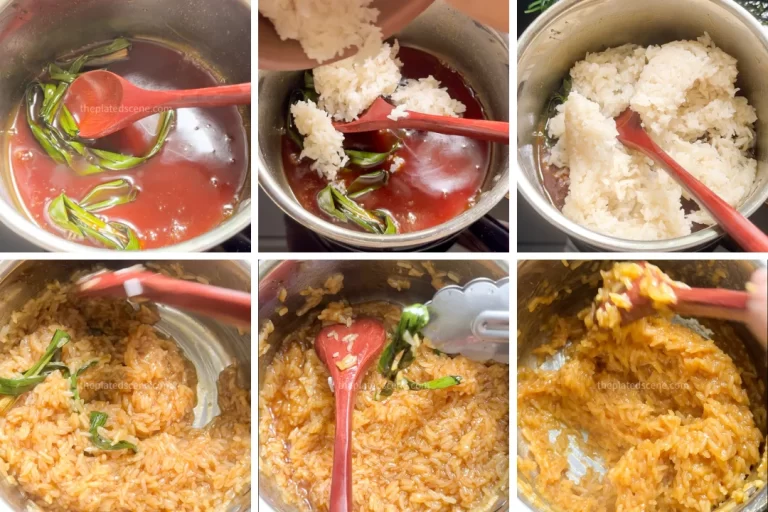
In a medium pot, combine shredded palm sugar, white sugar, salt, a knotted pandan leaf, coconut cream, and water. Heat the mixture over medium heat until it comes to a gentle boil, and stir until all the sugar is fully dissolved. Allow it to boil for a few more minutes until slightly thickened. There’s no need to strain — the natural bits of palm sugar add depth and texture. - Combine the syrup and rice
Lower the heat to a simmer. Add the cooked glutinous rice to the syrup. Stir slowly and consistently until the rice is fully coated and the mixture becomes thick, sticky, and uniform in color. This step helps the rice absorb all the syrupy goodness. - Prepare the mold
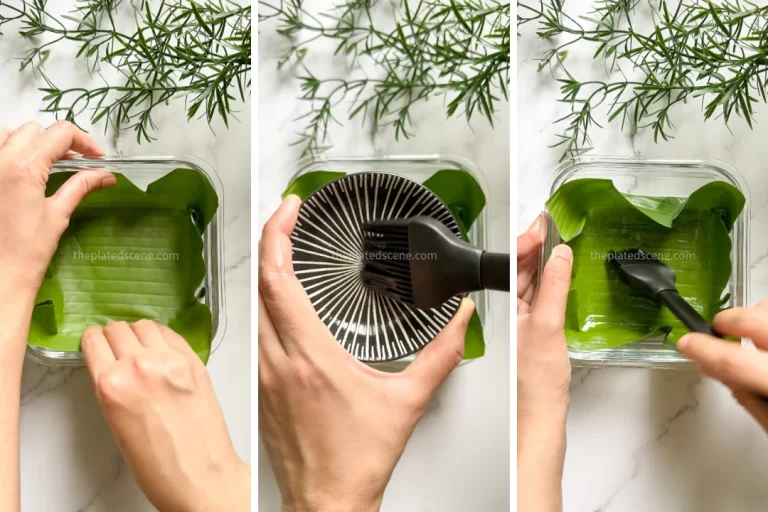
Line a container or tray with banana leaf brushed lightly with oil. This keeps the rice cake from sticking and infuses it with a subtle aroma. - Press and cool
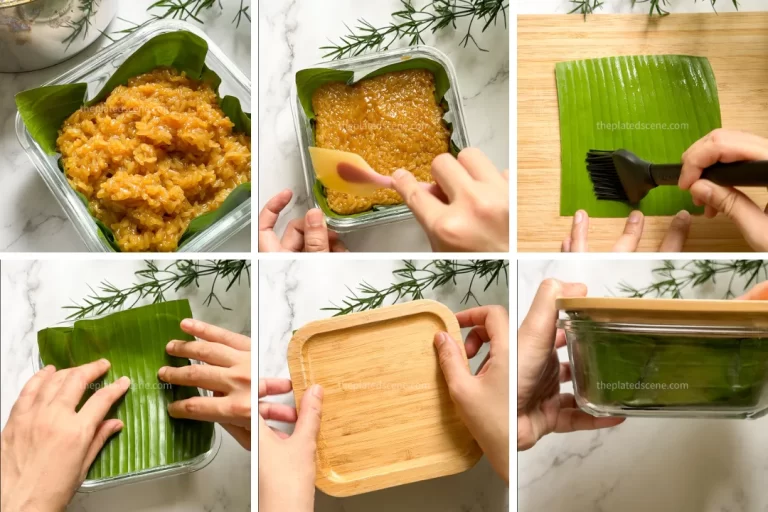
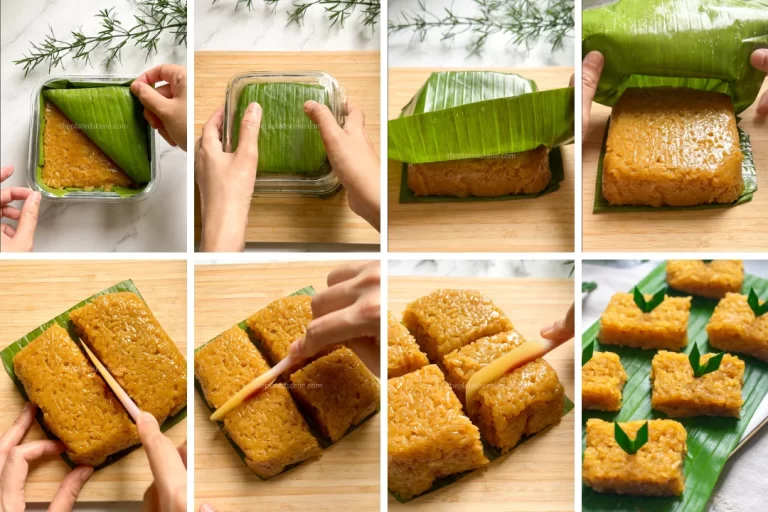
Spoon the hot rice mixture into the prepared container. Press it down firmly and evenly using a spatula or the back of a spoon. Cover the top with another oiled banana leaf. Let the rice cake cool at room temperature for 1–2 hours until set. - Slice and enjoy
Once cooled and firm, cut the wajik ketan into diamond-shaped pieces. Serve at room temperature and enjoy the chewy, caramelized richness of this nostalgic Indonesian rice cake.

)