

I’ve always had a soft spot for two things in life: mayonnaise and prawns. So when a dish brings both of them together into a creamy, crispy, savory experience like udang mayonnaise, also known as ebi mayo, you can bet I’m clearing a spot at the table.
My first memory of udang mayonaise was at a Chinese restaurant in Indonesia. We were celebrating something, maybe a birthday or one of those big family gatherings that automatically meant a round table full of food. Among all the dishes that arrived in synchronized chaos: hotplate tofu, stir-fried greens, fried chicken with salted egg yolk, there came a modest plate of golden-battered prawns, glistening in a pale, glossy mayonnaise sauce.
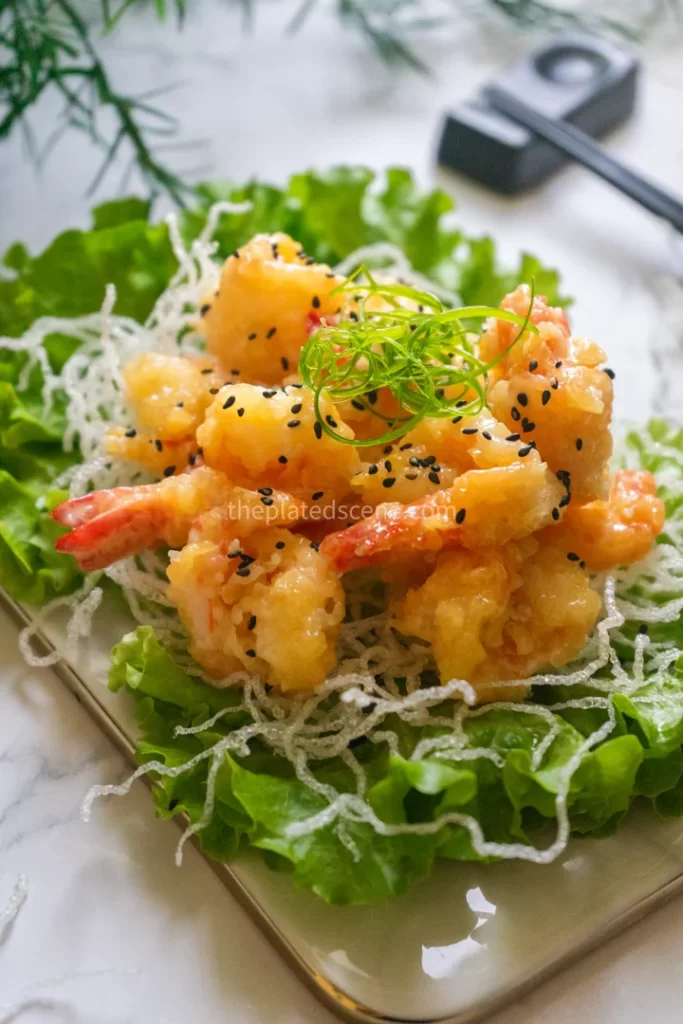
I loved it. Absolutely loved it. But the portion? So small. And in a typical family meal where we had to share everything, it felt like the plate disappeared within seconds. If I wanted more, I had to summon all my courage to ask my parents to order another round. But of course, there were other dishes we hadn’t even touched yet, and parents being parents, they said, “Next time.”
Well, now I’m an adult. And that “next time” is every time I want it. I can make udang mayonaise at home, as much as I want. Okay, in moderation. But still, there’s something deeply satisfying about recreating a childhood favorite and finally being in charge of the portion size.
Table of Contents
The Story Behind Ebi-Mayo: Japanese-Chinese Fusion at Its Best
If you’ve had ebi mayo in Japan, you might be surprised to know that this creamy prawn dish has strong ties to Chinese cuisine. The name ebi means shrimp in Japanese, and mayo… well, we all know what that is. Ebi mayo is a staple in many Japanese-Chinese restaurants, often served in izakayas (Japanese pubs) or on casual dinner menus.
Interestingly, ebi mayo was popularized in Japan by Iron Chef Chen Kenichi, whose cooking leaned heavily toward Sichuan-style Chinese food. He is credited for introducing and adapting several Chinese dishes for Japanese palates, and ebi mayo is said to be one of his signature creations. That explains the blend: the Chinese-style battered prawns coated in a Japanese-favorite ingredient: mayo.
So whether you call it udang mayonaise or ebi mayo, it’s really a celebration of cultural fusion. A dish that traveled across borders, evolved in interpretation, and still managed to retain its soul.
The Mayonnaise That Makes It Magic
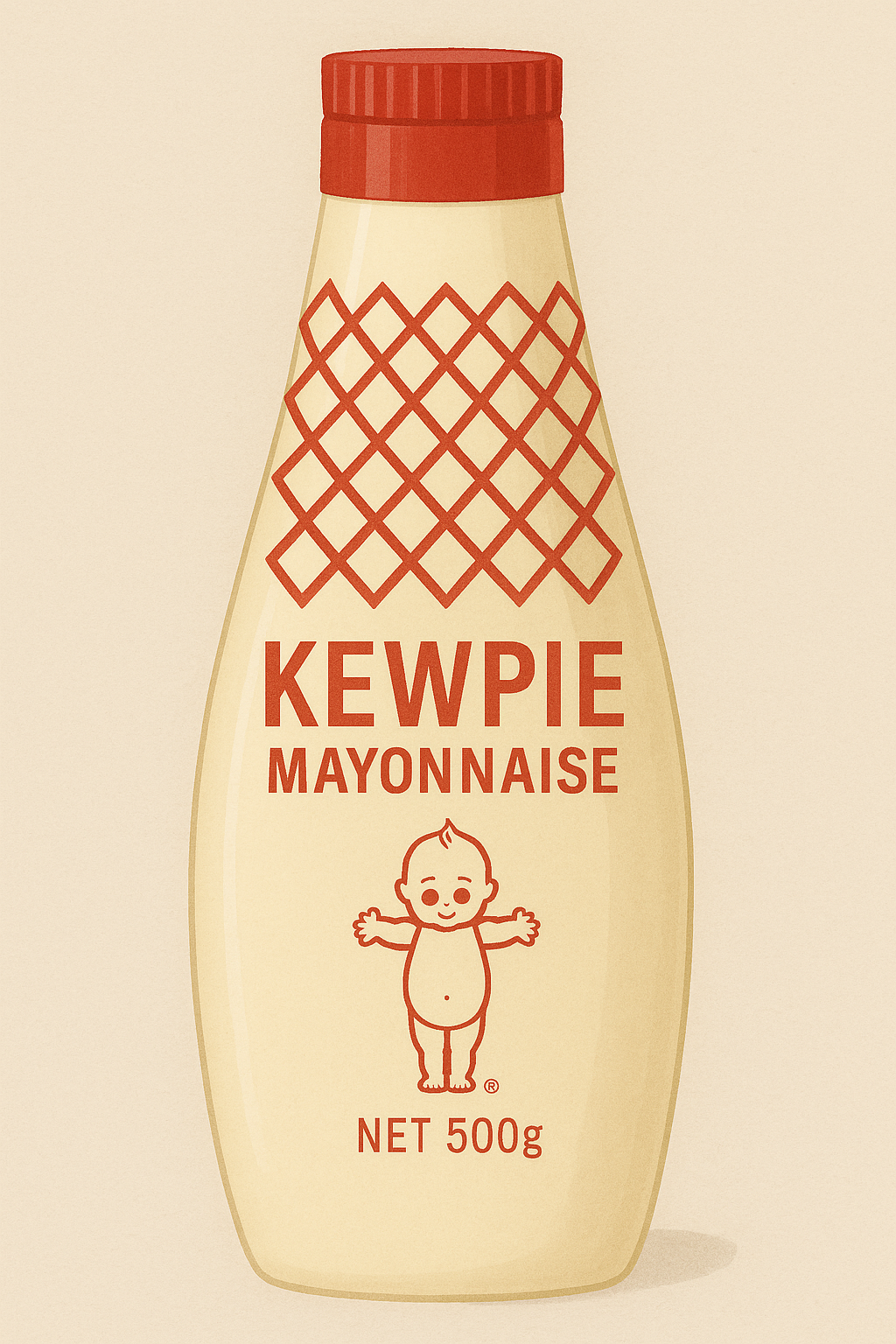
Let’s be honest: not all mayonnaise is created equal. For udang mayonaise, I always reach for Kewpie. This Japanese mayo has a cult following for a reason. It’s creamier, tangier, and just a bit sweeter than your average Western mayo. Made with egg yolks instead of whole eggs, and seasoned with a hint of rice vinegar or apple cider vinegar, Kewpie mayo has that umami punch that brings the sauce to life.
You could use regular mayonnaise in a pinch, but it won’t be the same. The flavor profile would fall a little flat, and the sauce might feel too heavy. Kewpie keeps it light, velvety, and balanced, a perfect contrast to the crunchy fried prawns. If you’ve never tried Kewpie before, trust me on this. Once you go Kewpie, it’s hard to go back.
How It Tastes: Crispy, Creamy, Slightly Sweet, and Completely Addictive
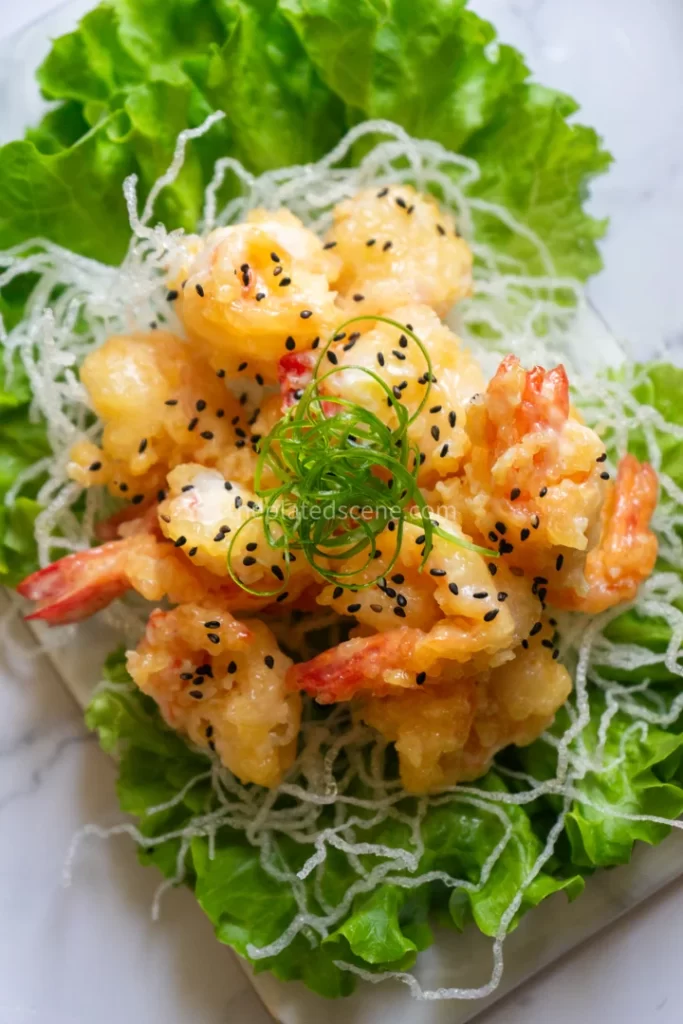
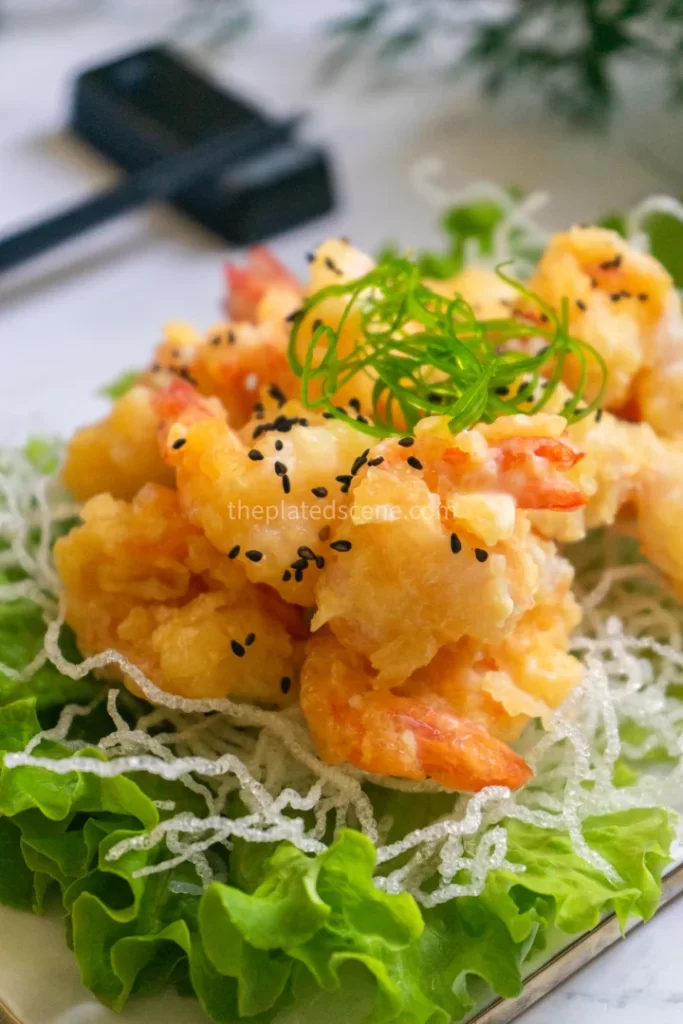
If you’ve never tried udang mayonaise before, let me try to put its magic into words. Imagine biting into a juicy shrimp wrapped in a light, crispy crust. Then comes the sauce: rich, velvety, and just the right balance of sweet, tangy, and savory. It coats your tongue with a gentle creaminess, followed by the warmth of umami and a hint of acid that cuts through the richness.
This isn’t your typical mayonnaise. The sauce in ebi mayo is often a blend of Kewpie mayo, condensed milk, lemon juice, and sometimes chili sauce. It’s complex, multi-dimensional, and addictive in a subtle, comforting way. The sweetness never overwhelms, and the tanginess keeps you coming back for just one more bite.
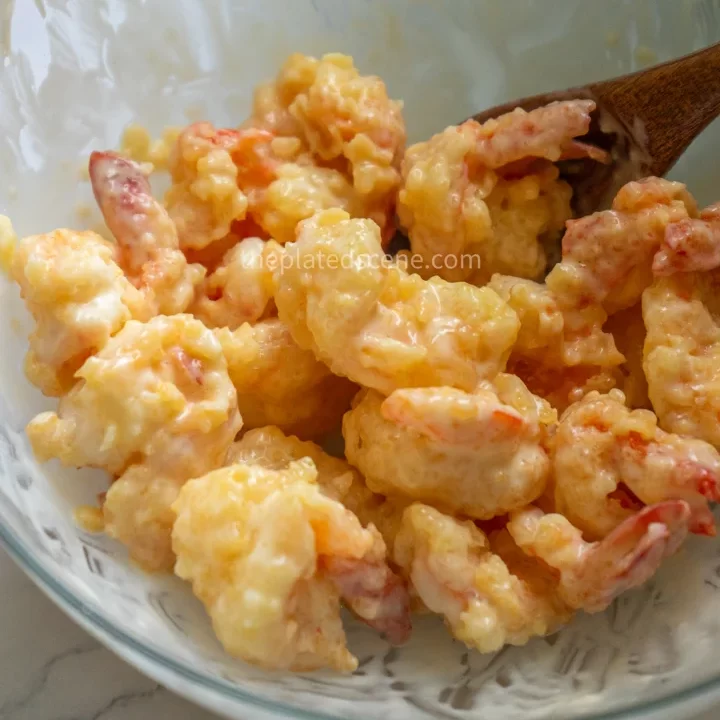
The shrimp stay juicy on the inside while the outside remains crunchy, even under a layer of sauce. And that contrast: crisp shell, tender meat, creamy dressing is what makes udang mayonaise such a textural and flavor triumph. It’s the kind of dish that disappears fast, whether served as an appetizer or as part of a larger meal.
Ingredients for Udang Mayonaise (Ebi Mayo)
Here are the ingredients you’ll need to make crispy, creamy udang mayonaise or ebi mayo at home. I’ve included a few helpful notes and substitutions so you can adjust to your taste or what you have on hand.
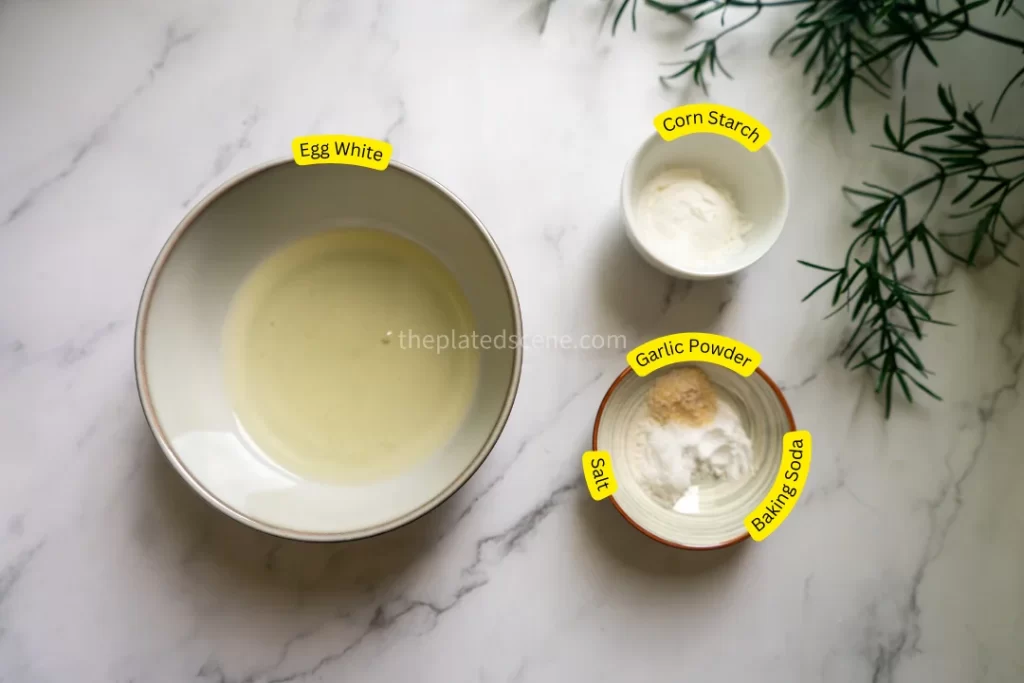
For the Prawn Batter
- Fresh tiger prawn, peeled and butterflied. Tiger prawns are meaty and juicy, ideal for deep frying. You can also use vannamei or whiteleg prawns if tiger prawns aren’t available.
- Egg white helps the coating stick better and creates a light crisp crust when fried.
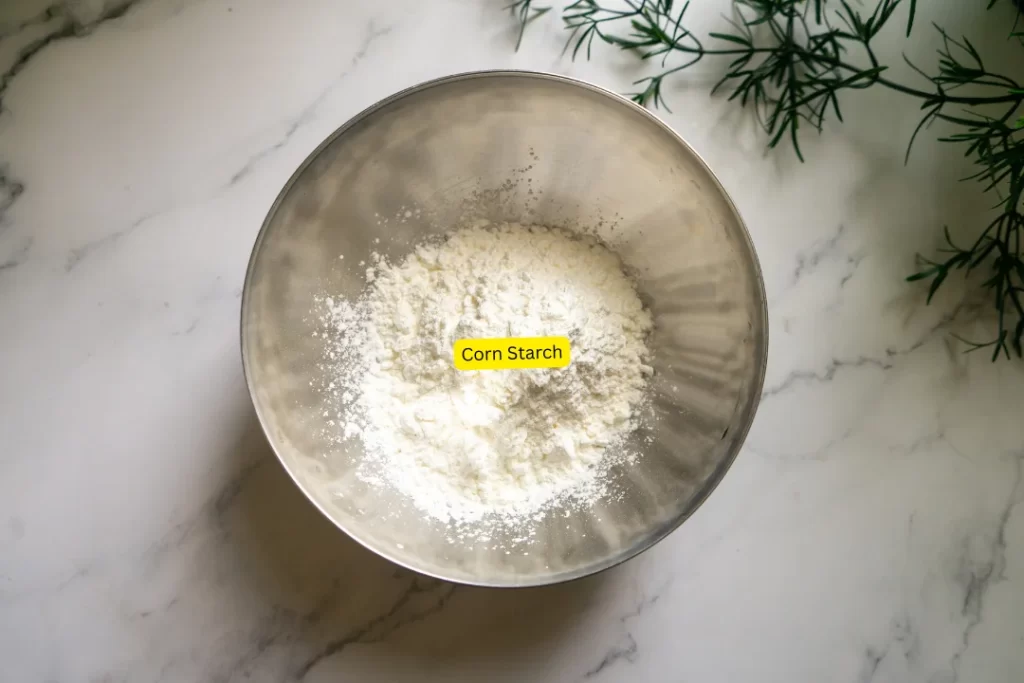
- Corn starch is used in both the marinade and outer coating for that extra crunch. Potato starch is a great alternative for a fluffier texture.
- Baking soda helps tenderize the prawns slightly and contributes to a crispier finish. You can skip this if you prefer a more natural bite.
- Salt enhances the base flavor of the prawn before it gets coated in sauce.
- Garlic powder adds a subtle savory note to the marinade.
For the Coating
- More corn starch for dredging. This is what gives the fried prawns their crispy outer layer. You can use potato starch or a combination of flour and cornstarch, though pure cornstarch gives the best result.
For the Mayonnaise Sauce
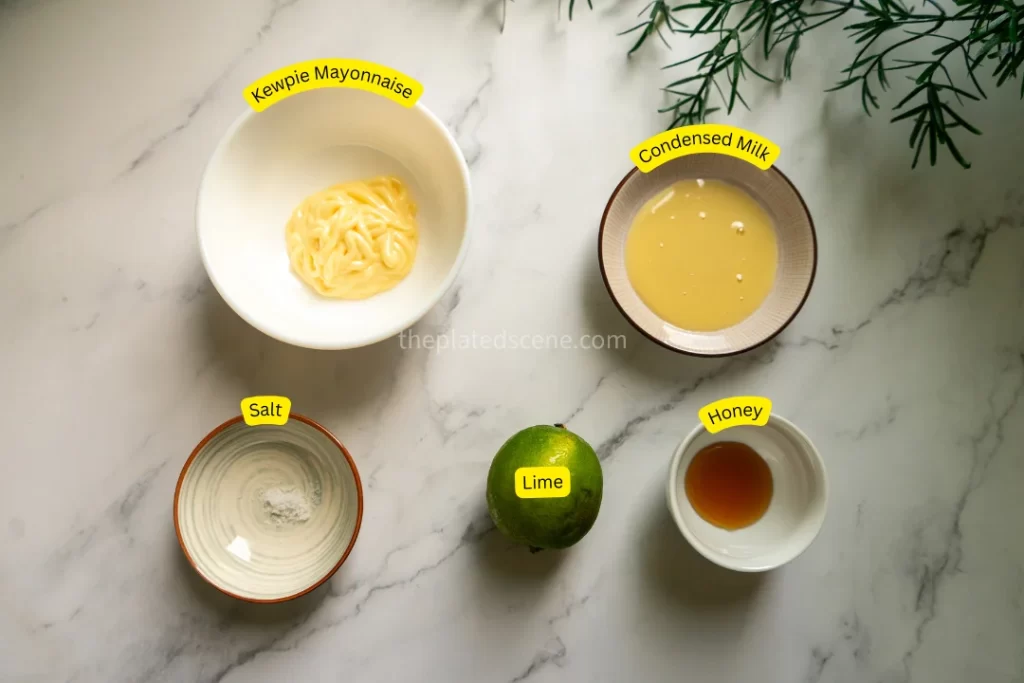
- Mayonnaise is the star of the sauce. Kewpie mayo is highly recommended for its rich, umami-packed flavor. If unavailable, choose a full-fat mayo with a creamy texture.
- Condensed milk adds sweetness and a creamy depth to the sauce. You can substitute with honey and a splash of cream if you prefer it less sweet.
- Honey balances the tang and makes the sauce more rounded. Maple syrup can be used as a backup.
- Lime juice adds brightness and cuts through the richness. Lemon juice works as a substitute.
- A pinch of salt enhances all the flavors in the sauce, so don’t skip it even if the mayo is already seasoned.
These ingredients come together to create the perfect balance of crunchy, creamy, sweet, and tangy in every bite of your homemade udang mayonaise.
How to Butterfly the Prawns for Udang Mayonaise
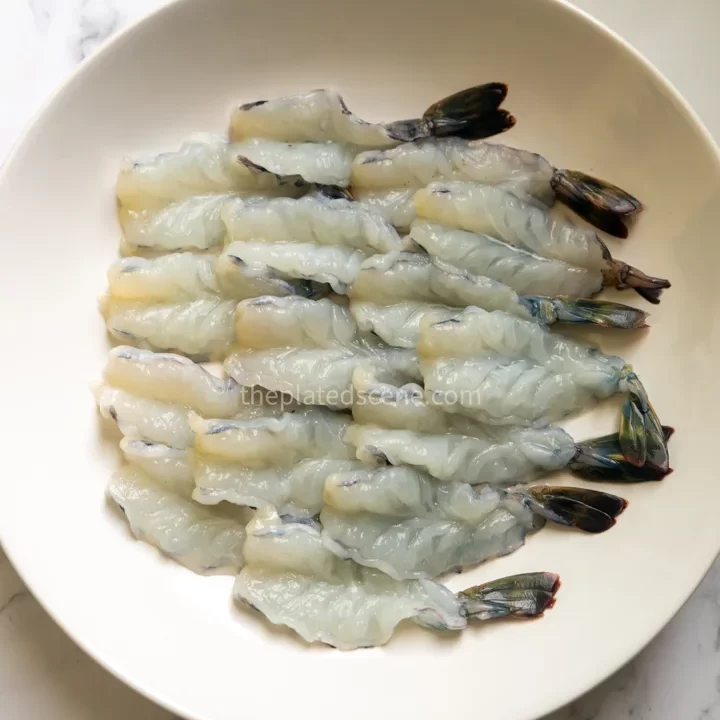
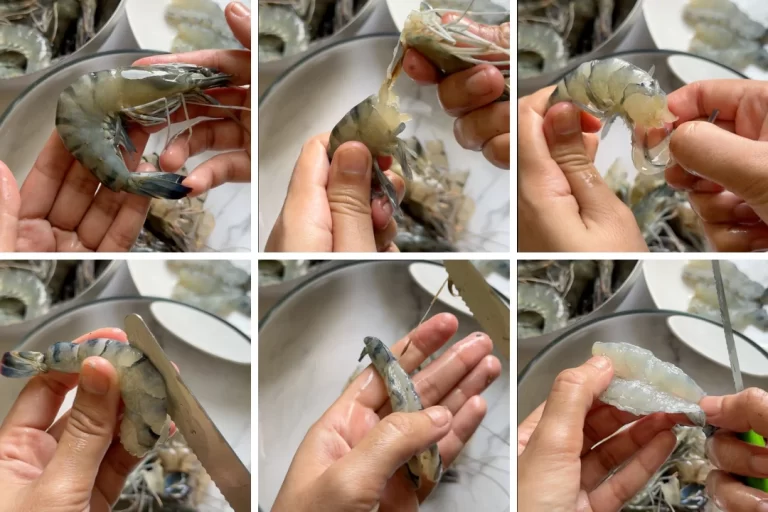
To get that plump, evenly cooked texture and help the sauce cling better, it’s best to butterfly the prawns before cooking. This simple step not only makes them cook faster but also gives them that restaurant-style look.
Here’s how to do it:
- Peel and devein the prawns, leaving the tails on if you prefer a more elegant presentation.
- Place each prawn belly-side down on a cutting board.
- Using a sharp knife, make a cut along the back of the prawn, starting from the head end down to the tail.
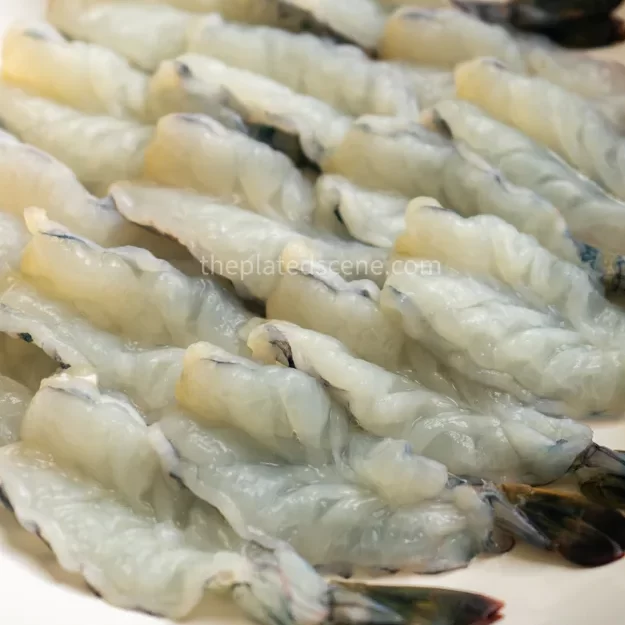
- Cut deeply enough to expose the white inner flesh, but not all the way through. You want to stop just before splitting the prawn into two separate halves.
- Gently press the prawn open like a book. It should now lay flatter and look slightly curled, ready for battering and frying.
This butterflying technique helps the prawn cook more evenly, gives a crunchier surface area, and makes it easier to absorb that rich, creamy ebi mayo sauce in every bite.
Playing Around: Variations You Can Try
The beauty of udang mayonaise lies in its flexibility. Once you’ve mastered the basics, you can tweak it to suit your taste or dietary preferences. Here are a few ideas:
- Spicy Ebi Mayo: Add a dab of Sriracha, gochujang, or wasabi to the sauce to give it a spicy edge.
- No-Fry Version: Air-fry the prawns or lightly pan-fry them with a cornstarch coating if you want something a bit lighter.
- Tamarind Mayo: For a Southeast Asian twist, try adding a splash of tamarind paste to the sauce.
- Tropical Touch: Serve the prawns on a bed of shredded lettuce with some mango or pineapple salsa for a fresh, summery version.
- Vegan Version: Use vegan prawns (yes, they exist!) and swap the mayo with a plant-based alternative. You’ll be surprised how close it gets to the original.
There’s no wrong way to enjoy udang mayonaise, really. As long as there’s that signature creamy-mayo-coated crunch, you’re on the right track.
What to Watch Out For: Tips and Tricks
Even though udang mayonaise is a relatively simple dish, there are a few key things to pay attention to if you want restaurant-quality results at home:
- Balance the Sauce: Taste the sauce before adding it to the shrimp. Everyone’s sweet-salty preference is different, so feel free to adjust the ratio of mayo, condensed milk, lemon juice, or chili sauce to suit your palate.
- Use Fresh Prawns: Don’t skimp on the main ingredient. Fresh or high-quality frozen prawns make a big difference in taste and texture. Peel and devein them properly to avoid any bitterness.
- Dry Before Frying: Make sure the prawns are as dry as possible before coating them in batter. Any moisture will cause the oil to splatter and ruin the crust.
- Fry in Batches: Don’t overcrowd the pan. Frying too many prawns at once lowers the oil temperature and leads to soggy shrimp.
- Control the Heat: The oil should be around 170–180°C (340–360°F). Too hot, and the batter burns before the shrimp is cooked. Too cold, and it becomes greasy.
- Serve Immediately: This is not a dish that sits well. Udang mayonaise is best enjoyed hot, fresh out of the fryer, with the sauce tossed in right before serving.
Nutritional Value of Udang Mayonaise (Ebi Mayo)
While udang mayonaise is a delicious treat, it’s good to be mindful of its nutritional content, especially if you’re watching your intake of fats or calories.
On average, a single serving (about 4–5 medium prawns with sauce) contains:
- Calories: ~300–400 kcal
- Protein: ~18–22g
- Fat: ~25–30g (mostly from mayo and frying oil)
- Carbohydrates: ~10–15g (from cornstarch or flour coating and mayo sweeteners)
- Sodium: ~400–600mg depending on sauce ingredients
If you’d like to lighten it up, consider using an air fryer, reducing the mayo, or adding more greens like shredded cabbage or lettuce to make it a fuller meal with added fiber.
Other Seafood Recipes You Might Enjoy
If you love udang mayonaise, here are some other seafood recipes you might like:
- Cereal Prawn – Crispy prawns coated in savory, buttery cereal and curry leaves for the ultimate indulgent crunch.
- Udang Saus Mentega – A buttery, savory prawn dish that’s full of garlic and umami flavor, inspired by Chinese-Indonesian cuisine.
- Cumi Saus Hitam – Tender squid cooked in its own ink with aromatic spices, for a bold and comforting dish with deep flavor.
These recipes are perfect if you’re looking to explore more comforting, seafood-forward dishes with Indonesian and Asian influences.
Udang Mayonaise (Ebi-Mayo): A Creamy, Crispy Prawn Delight from My Childhood to My Kitchen
2
servings25
minutes10
minutes35
minutesKeep the screen of your device on
Ingredients
- For the Prawns
12 oz 350 g fresh tiger prawn, peeled, deveined, and butterflied (tail on)
1 1 egg white
1 tablespoon 1 tbsp corn starch
1/2 teaspoon 1/2 tsp baking soda
1/2 teaspoon 1/2 tsp salt
1/2 teaspoon 1/2 tsp garlic powder
1 cups 150 g corn starch, for coating
- For the Mayonnaise Sauce
2 tablespoons 30 g mayonnaise (preferably Kewpie)
3 teaspoon 15 g condensed milk
1 teaspoon 5 g honey
1/2 tablespoon 1/2 tbsp lime juice
A pinch of salt
Directions
- Clean and butterfly the prawns
Start by preparing the prawns. Peel off the shell, leaving the tail attached for presentation and easier handling. Next, devein each prawn by making a shallow cut along the back and removing the dark vein using the tip of a knife or a toothpick.
Now, to butterfly the prawn, place it back-side up on a cutting board. Carefully use a small sharp knife to slice along the back, cutting into the flesh but not all the way through. The goal is to open the prawn like a book so it lays flat. This also helps it cook more evenly and gives you a nice surface for the batter and sauce to stick to. You can refer to the section How to Butterfly the Prawns for Udang Mayonaise above for more detailed instructions and tips.
Once all your prawns are cleaned and butterflied, gently pat them dry with paper towels to remove any excess moisture.
- Marinate the prawns
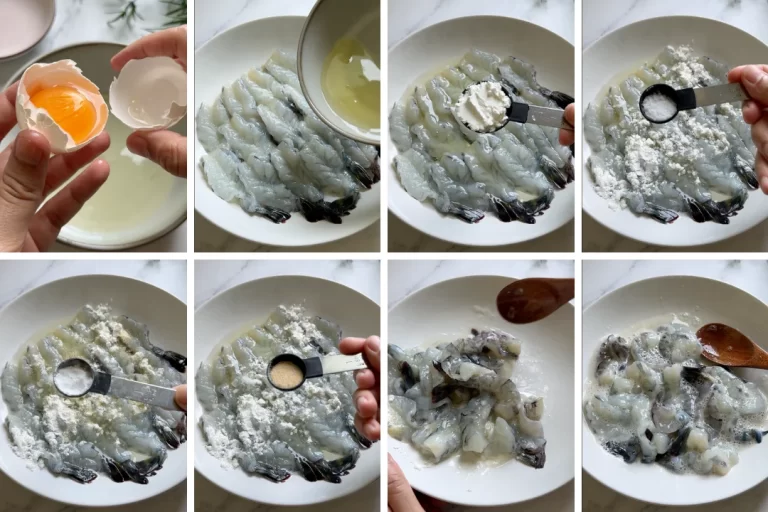
In a mixing bowl, place the prepared prawns. Add the white part of an egg, a spoonful of corn starch, baking soda, and salt. The egg white helps the coating stick better, and the baking soda helps keep the prawns tender. Mix everything by hand or with a spoon until the prawns are evenly coated. Let the mixture sit for 15 to 20 minutes at room temperature. This short marination time will allow the flavor to develop while prepping the sauce and coating. - Prepare the mayonnaise sauce
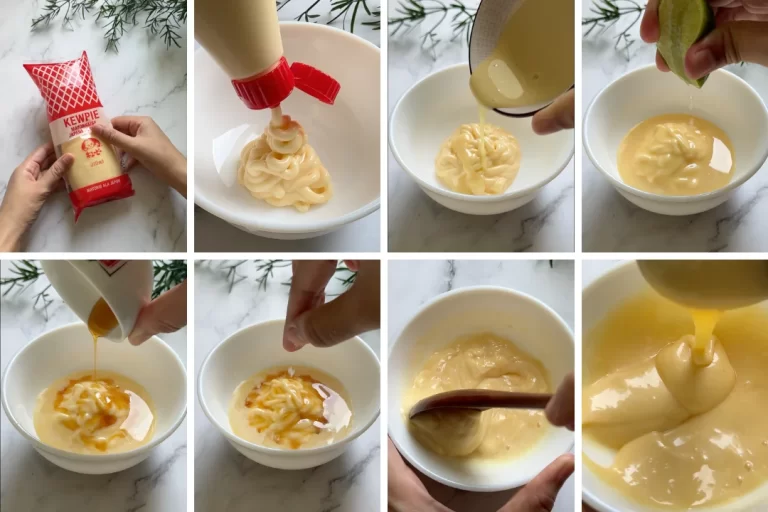
While the prawns are marinating, prepare the signature mayo sauce in a separate bowl. Combine mayonnaise, condensed milk, honey, lime juice, and a pinch of salt. Mix until smooth and fully blended. The sauce should be creamy and slightly sweet with a bit of tang. Give it a taste and adjust based on your preference. If you like it less sweet, reduce the condensed milk or add a little more lime juice. This sauce can be made in advance and stored in the fridge until needed. - Coat the prawns
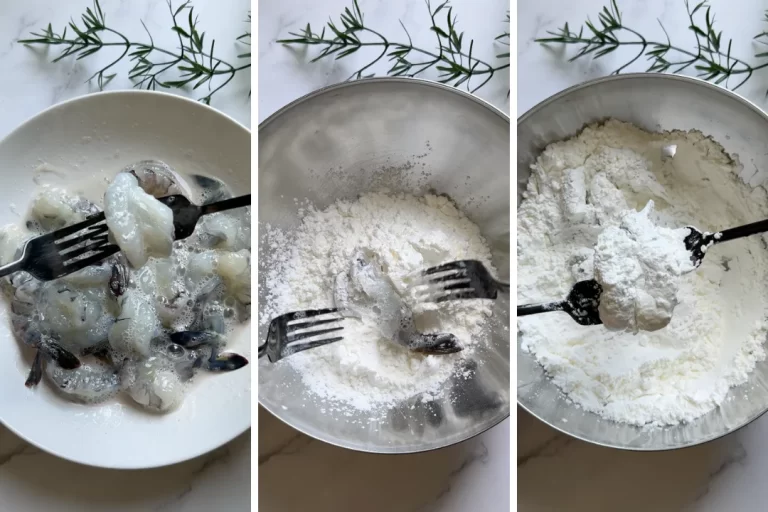
After the marination, prepare a shallow plate or tray with plenty of dry corn starch for dredging. One by one, remove the prawns from the marinade. Shake off the excess liquid, then press each prawn into the corn starch, making sure to coat every surface evenly. Gently press the starch into the grooves created by the butterfly cut to get a good, crisp finish. Repeat for all the prawns, and make sure to tap off any excess starch before setting them aside on a dry plate. This ensures a light and crunchy texture without clumping. - Deep-fry the prawns
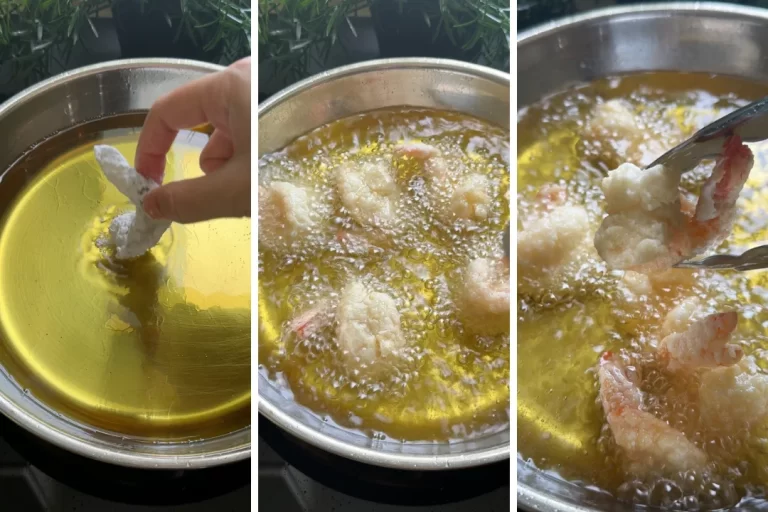
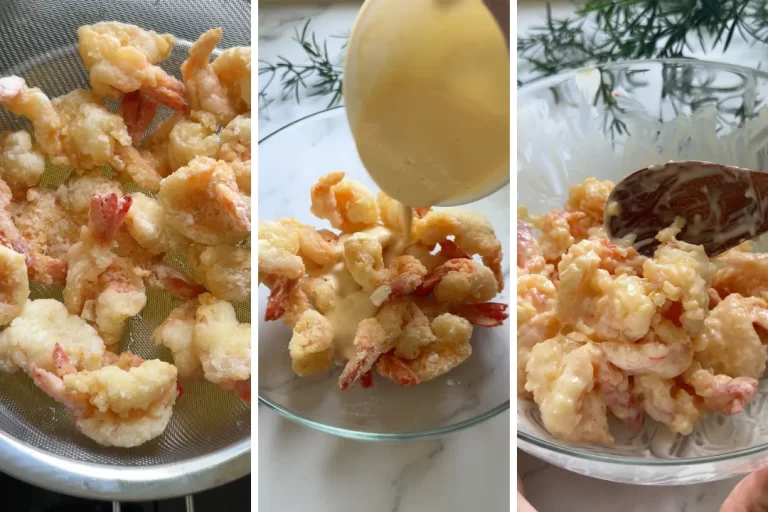
Heat a deep pan with enough oil to submerge the prawns completely. You’ll want to work in two batches so the oil temperature stays high and the prawns fry evenly. Once the oil reaches around 170 to 180°C (340 to 360°F), carefully drop in the first batch of prawns. They will sizzle immediately.
Fry until the prawn flesh turns opaque and orangish red, and the coating remains pale but crisp. This usually takes about 45 to 60 seconds depending on the size of the prawns. Do not overcook or the prawns will become rubbery. Once done, use a slotted spoon or tongs to lift them out and place them on a paper towel-lined plate to drain the excess oil. Repeat with the second batch. - Toss with the mayonnaise sauce
Transfer the freshly fried prawns into a clean mixing bowl. While they are still warm, pour the prepared mayo sauce over the top. Use a spatula or large spoon to gently toss the prawns until each piece is evenly coated. The warm prawns will slightly melt the sauce, allowing it to cling beautifully to the crispy surface.
Avoid over-mixing to preserve the crispiness of the outer layer. If you like a lighter coat, you can spoon the sauce over the prawns instead of tossing. - Serve and enjoy
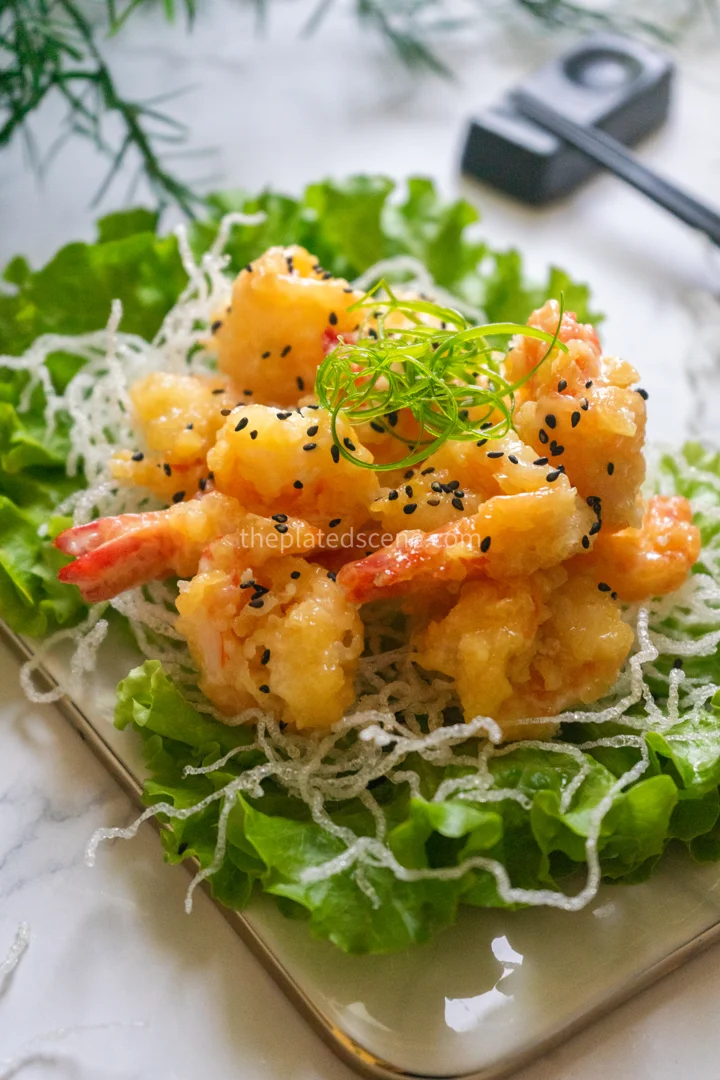
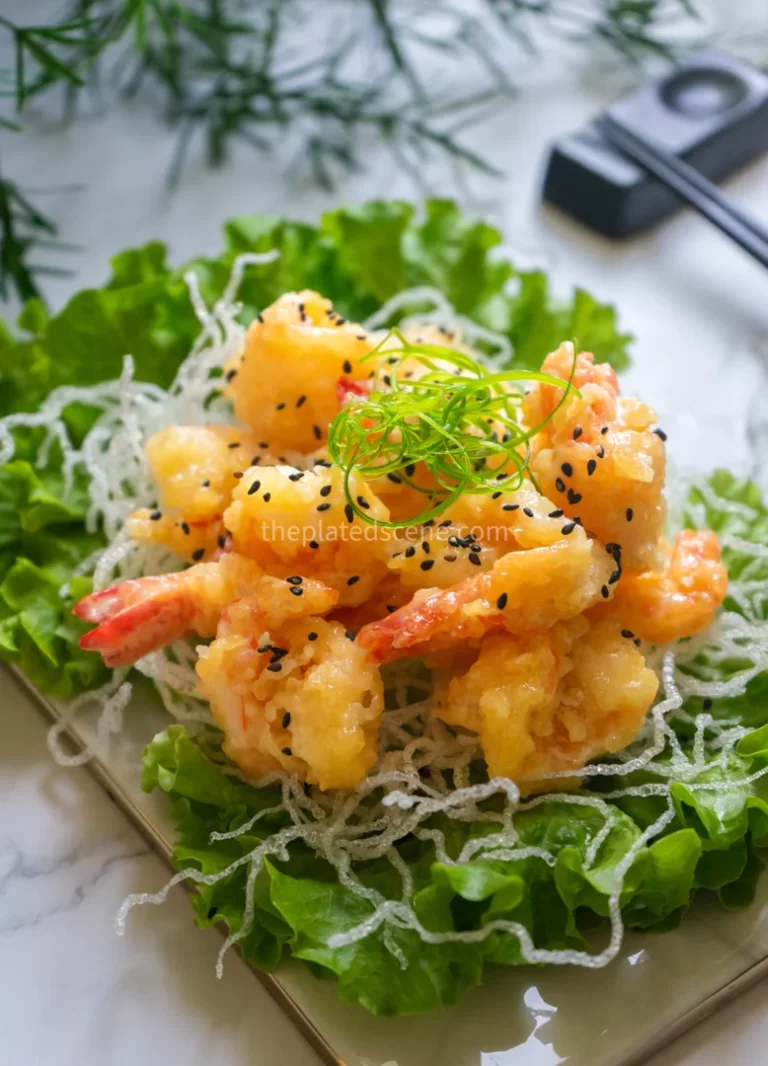
Plate the prawns on a serving dish. You can garnish with a sprinkle of sesame seeds, sliced scallions, or serve it on a bed of shredded cabbage for added freshness. Enjoy immediately while the coating is still crispy and the sauce warm and creamy.
Udang mayonaise is perfect as an appetizer, side dish, or even as part of a larger meal. Whether you’re making it for a family dinner or just treating yourself, it’s sure to satisfy any sweet-savory craving.

:%20A%20Creamy,%20Crispy%20Prawn%20Delight%20from%20My%20Childhood%20to%20My%20Kitchen)