

Tumis pare, or bitter gourd stir fry, has always been one of those dishes I reach for without thinking. I love it in a way I cannot fully explain. The flavor is slightly bitter yet oddly comforting, and it reminds me of the kind of everyday Indonesian cooking that fills the house with warmth. I often think back to those simple work from home days when lunchtime arrived and I just wanted something quick, light, and familiar. Tumis pare became my reliable choice. It takes barely 15 minutes, uses only a handful of ingredients, and fits perfectly into those moments when I did not want to overthink what to cook.
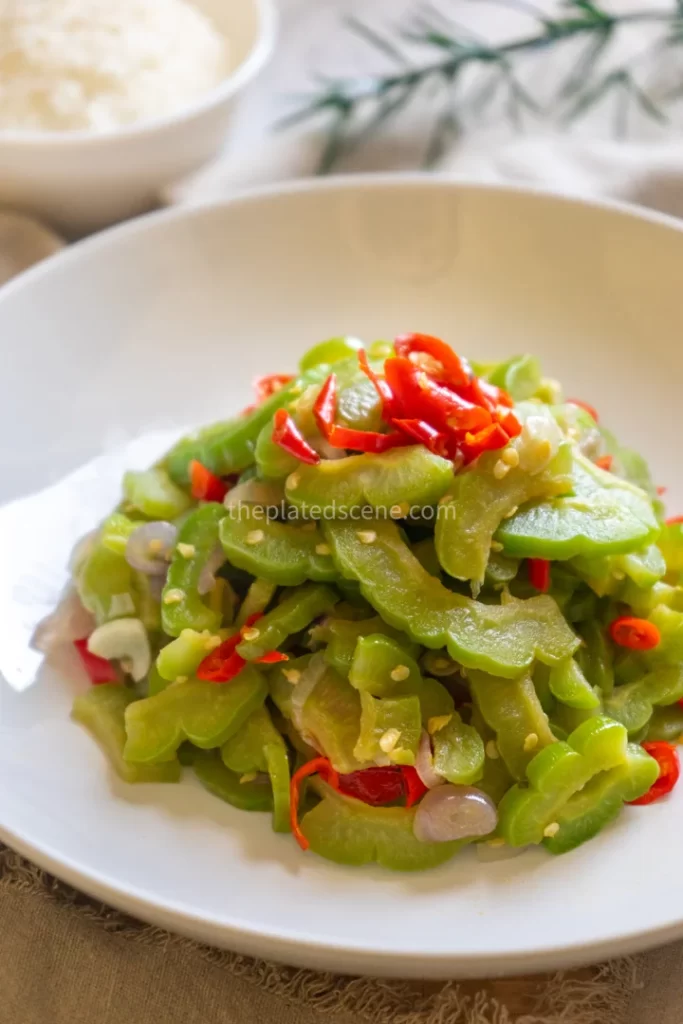
There is something grounding about preparing a bowl of bitter gourd stir fry in the middle of a busy day. The sound of slicing the pare, the aroma of garlic and shallots hitting the pan, and the sweet savory glaze forming around the vegetables all feel like small rituals that slow the day down. Even though bitterness can be intimidating for some people, I find that it brings a unique character to the dish. With the right preparation, the sharp edge softens and turns into a pleasant, subtle flavor that works beautifully with Indonesian aromatics.
I also love how practical tumis pare is. When I am trying to eat more vegetables or when the fridge is nearly empty, this dish always saves me. Pare lasts long, cooks fast, and pairs so well with anything from tempeh and tofu to fried chicken and sambal. On many days, I would cook a fresh batch of bitter gourd stir fry, enjoy some for lunch, then store the rest in the fridge. It keeps well for up to two days, which makes it one of my quiet little meal prep habits.
Table of Contents
What Is Tumis
Tumis is one of the simplest and most common Indonesian cooking techniques. It refers to gently stir frying aromatics like shallots, garlic, and chili in a small amount of oil before adding vegetables or protein. The heat is usually medium rather than very high, which allows the aromatics to soften and release their fragrance without burning. This style of cooking creates dishes that are light, savory, and naturally flavorful, making it perfect for everyday meals.
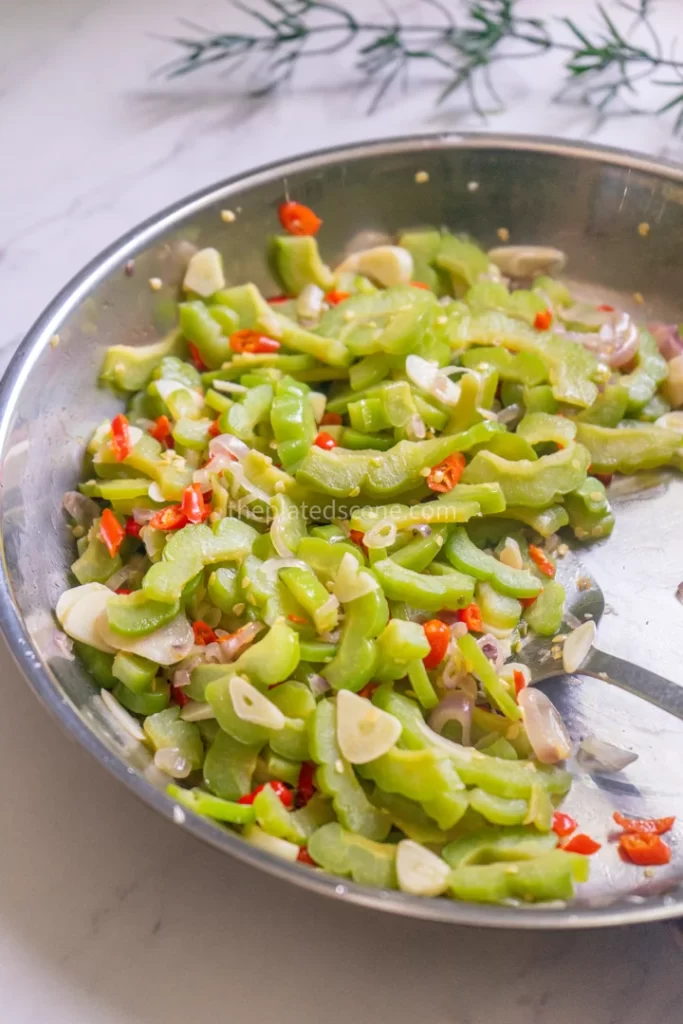
You will find the tumis method in many Indonesian home recipes such as tumis kangkung, tumis buncis, tumis jamur, and of course tumis pare. It is quick, practical, and approachable for beginners. As long as you have basic aromatics and a pan, you can make a delicious tumis dish in minutes.
What Is Pare
Pare, known in English as bitter gourd or bitter melon, is a unique vegetable commonly used in Indonesian, Malaysian, Indian, and Chinese cooking. It has a distinct wavy, ridged skin and a firm pale green flesh with a white inner membrane and seeds. The shape looks similar to a long cucumber, but the flavor is far more intense.
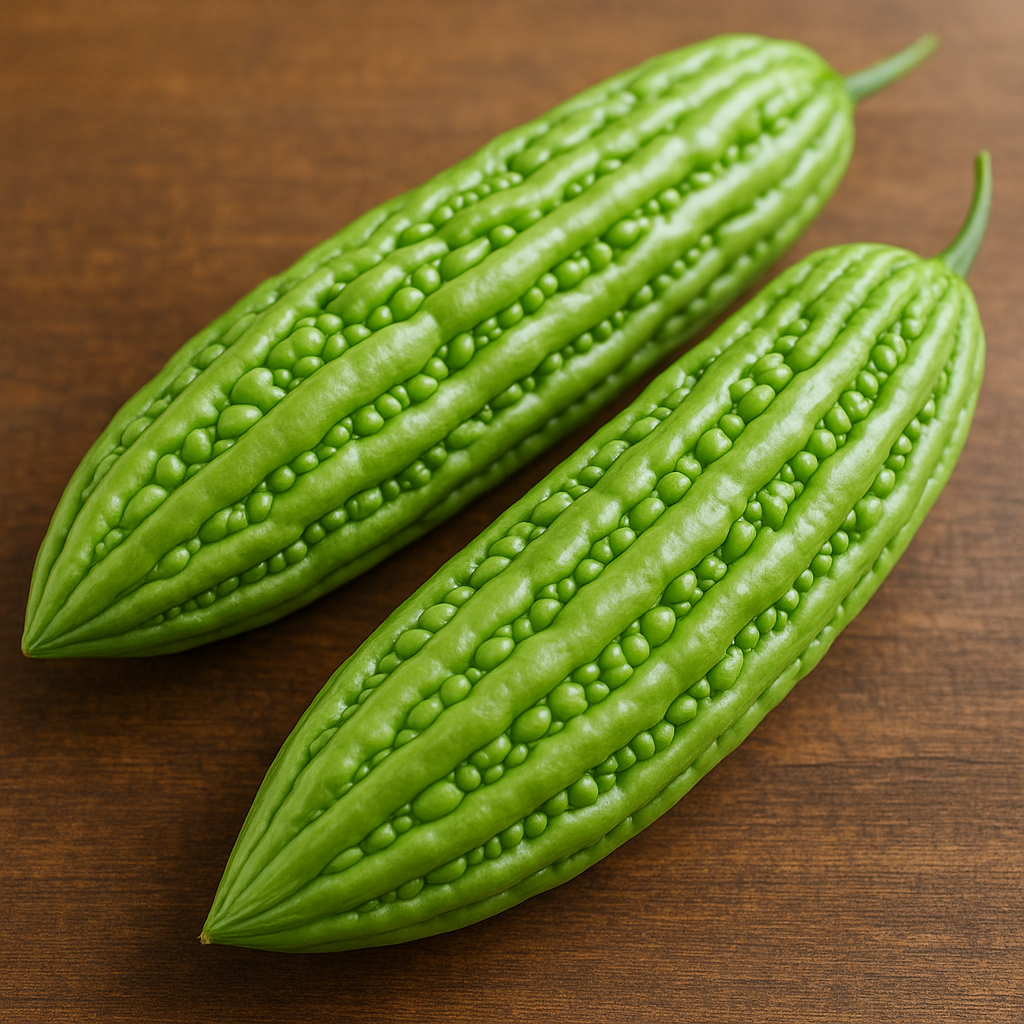
The trademark bitterness comes from natural plant compounds that are also linked to several traditional health benefits in many Asian cultures. In Indonesia, pare is often cooked in simple everyday dishes like tumis pare, sayur pare, or added to soups and stir fries. When prepared with aromatics like garlic, shallots, and chili, the bitterness softens and becomes pleasantly earthy.
The vegetable itself is very versatile. It can be sliced thin for quick stir frying, cooked until soft for soups, or even paired with eggs or tofu for heartier meals. Once you learn how to handle the bitterness, pare becomes a flavorful ingredient that brings depth and character to simple home style dishes.
How To Reduce the Bitterness
Pare is famous for its sharp, distinctive taste. For many people, the bitterness is the biggest barrier to enjoying it, which is why tumis pare often comes with a few tricks to mellow the flavor. If you prefer a gentler taste, one of the easiest methods is to slice the pare thinly and rub it with a generous amount of salt. As you massage the salt into the slices, you will notice the surface turning slightly softer and moist. This is the bitterness being drawn out. After a few minutes, rinse the pare thoroughly to wash away both the salt and some of the bitter liquid.
Another method many home cooks use is soaking the salted pare in water for 10 to 15 minutes. The water helps pull out even more bitterness, and the result is a vegetable that tastes milder but still keeps a pleasant bite. You can also combine both methods if you want an even softer flavor. From there, ingredients like tomatoes, a touch of sugar, or sweet soy sauce work well to balance whatever bitterness remains. The natural acidity from tomatoes is especially helpful and adds a layer of freshness that lifts the entire dish.
Some families also boil the pare briefly before stir frying it. This step softens both the texture and the flavor, though it creates a slightly less crisp result. If you prefer your tumis pare to stay vibrant and firm, you can skip the boiling and stick to salting or soaking.
Even though these techniques are very effective, I personally do not use them often. I enjoy the natural bitterness of pare and find that it brings a unique depth that cannot be replaced. The slight bitterness blends beautifully with garlic, shallots, and chili, creating a simple but memorable dish. But if you are cooking for someone new to bitter gourd, or if you want a more balanced and easy first experience, these tips will help you create a milder and more approachable version of tumis pare.
Ingredients for Tumis Pare
For this tumis pare, you only need a handful of simple ingredients that bring out the natural flavor of the bitter gourd. Pare is the star of the dish, and the rest of the ingredients help balance its earthy bitterness and create a comforting home style aroma.
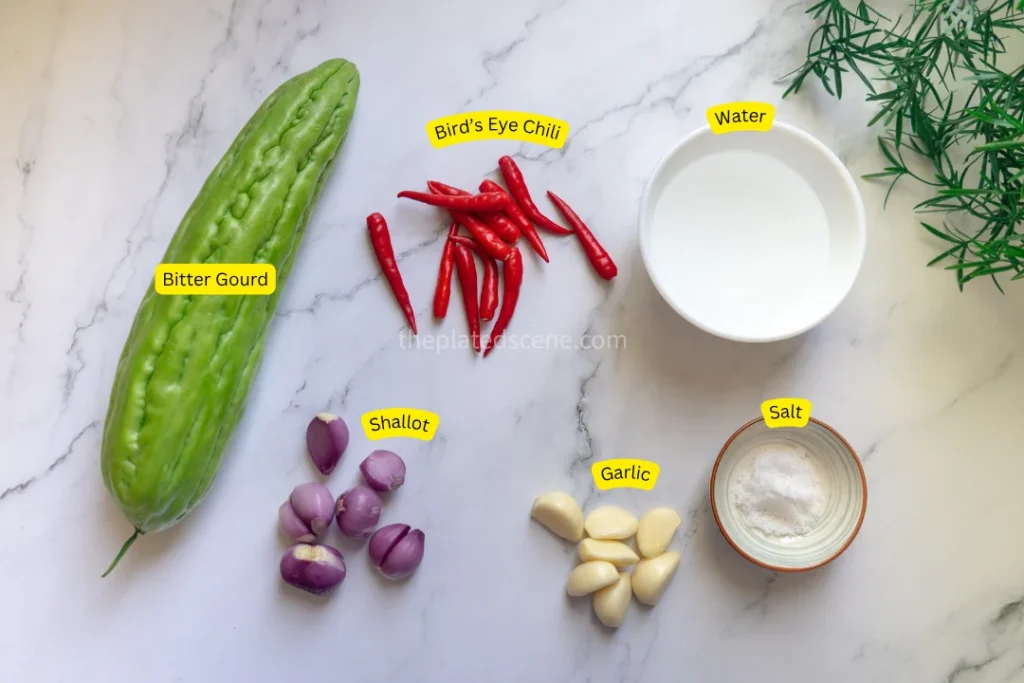
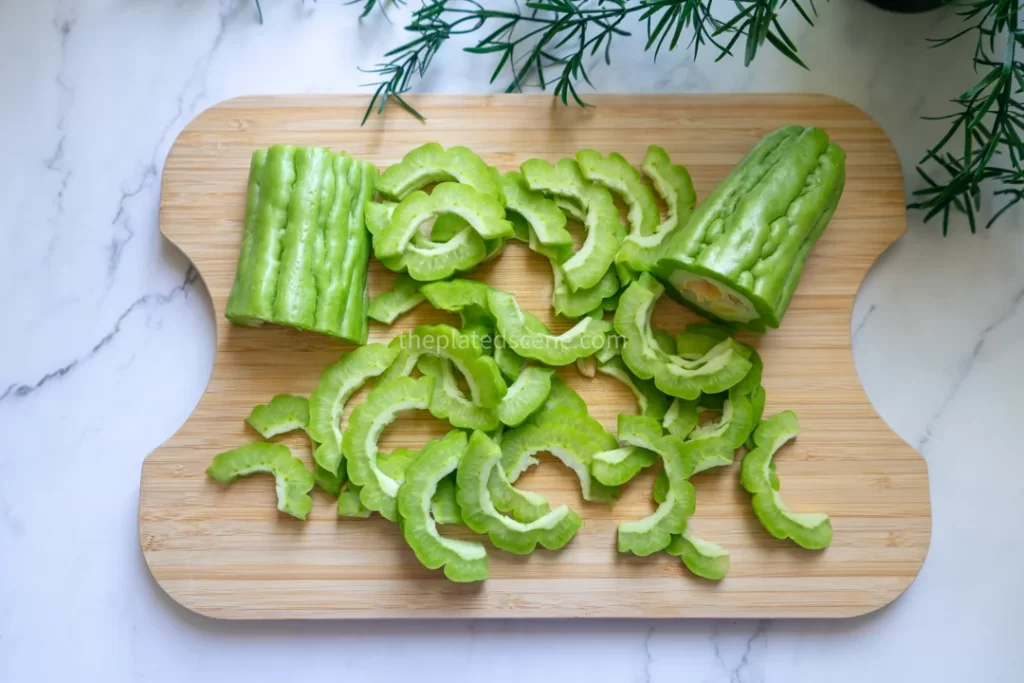
- Bitter gourd, sliced thin
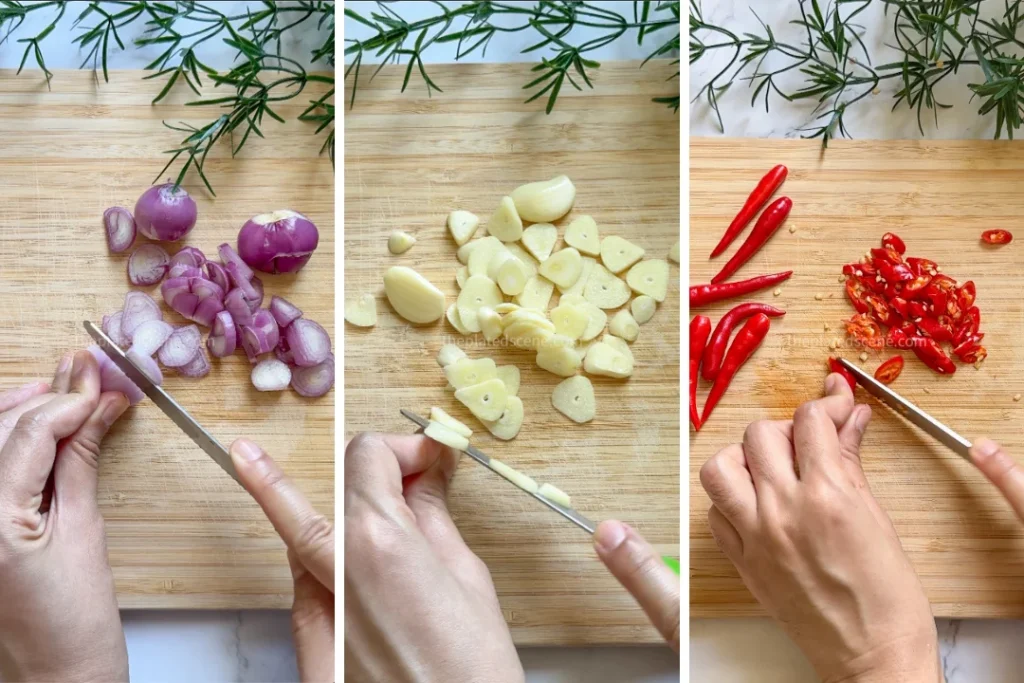
- Shallots for natural sweetness
- Garlic for a deep, savory base
- Salt to season and to help reduce bitterness if needed
- A splash of water to help the pare cook evenly
- Cooking oil to bloom the aromatics
Optional Add Ons
These additions are not required, but they can elevate the flavor or adjust the dish to your taste.
- Fresh red or green chili for a little heat
- Tomatoes to gently balance the bitterness
- Sweet soy sauce or oyster sauce for a richer taste
- Mushroom sauce for a vegetarian friendly option
- A beaten egg stirred in at the end for a more filling version
- Small dried anchovies or dried shrimp for added umami
- Light broth instead of water if you want a deeper savory flavor
Step by Step Instructions
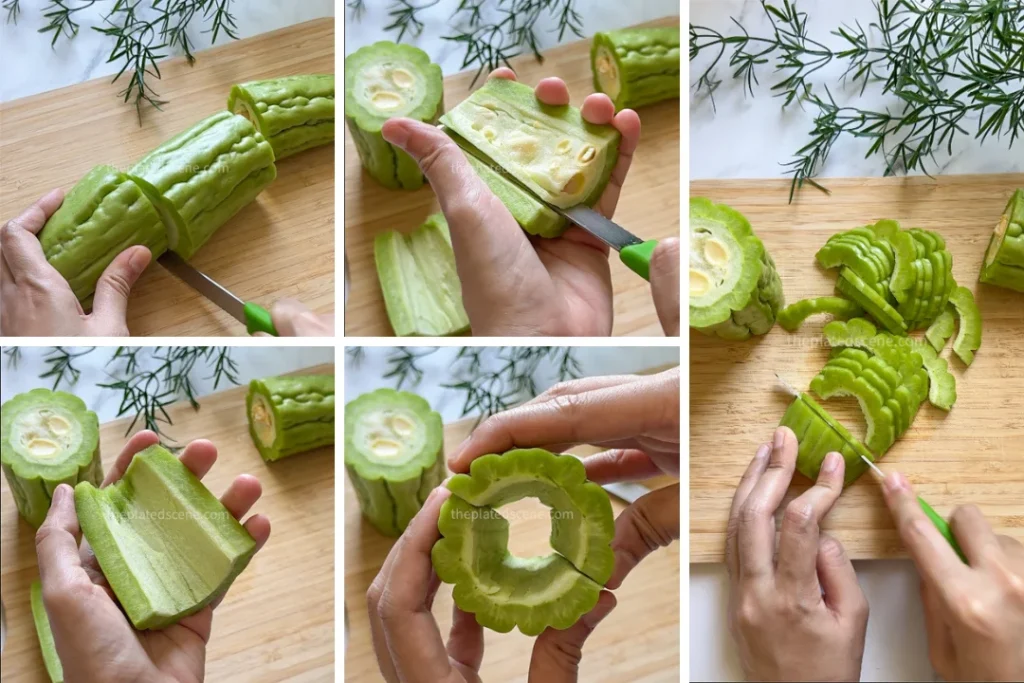
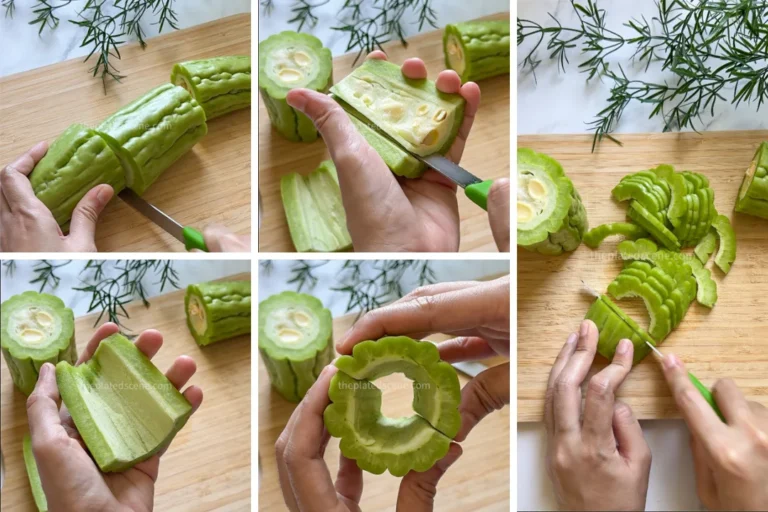
Step 1. Begin by preparing the bitter gourd. Wash it well, slice it lengthwise, and remove the seeds and the soft white membrane. Cut the pare into thin half-moons so it cooks quickly and absorbs flavor well. If you prefer a milder taste, sprinkle the slices with salt and gently massage them until they soften slightly. Let them rest, then rinse thoroughly. If you enjoy the natural bitterness, you can skip this step entirely.
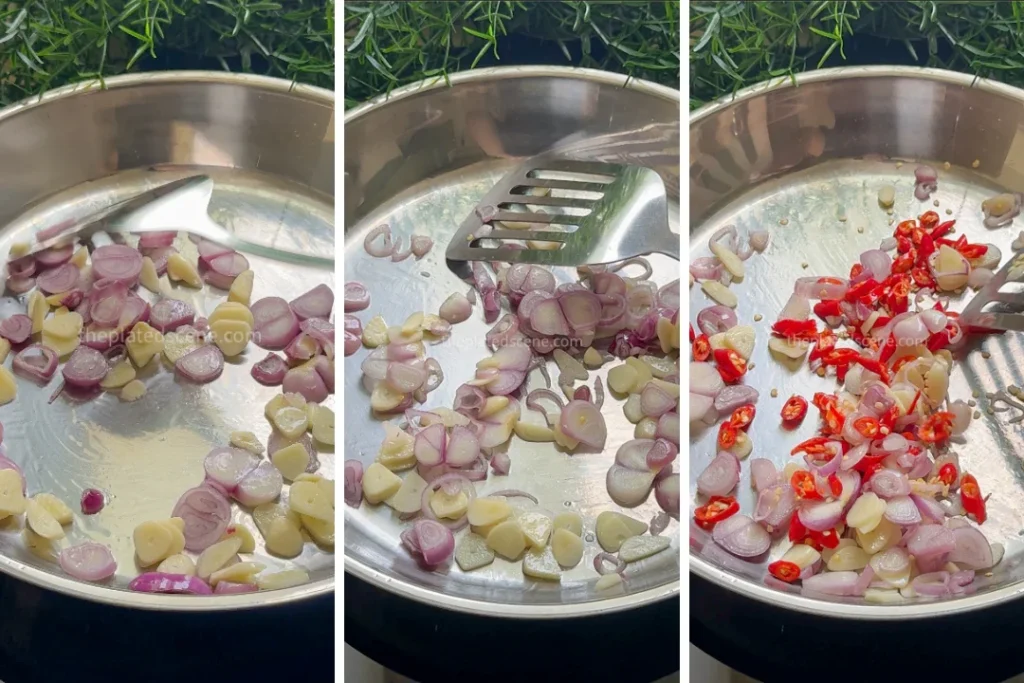
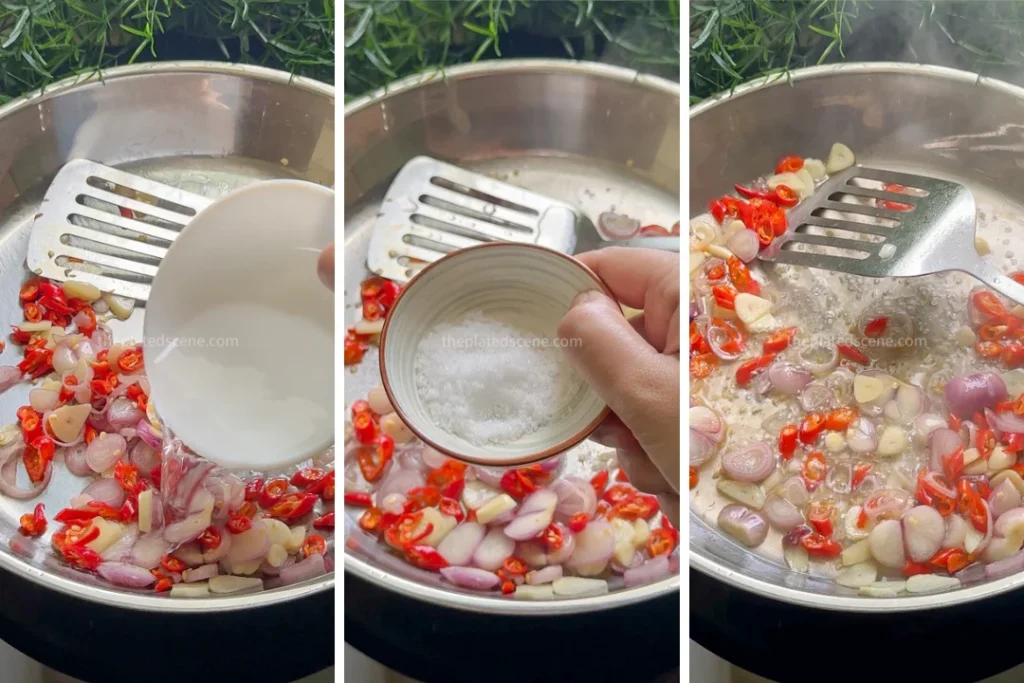
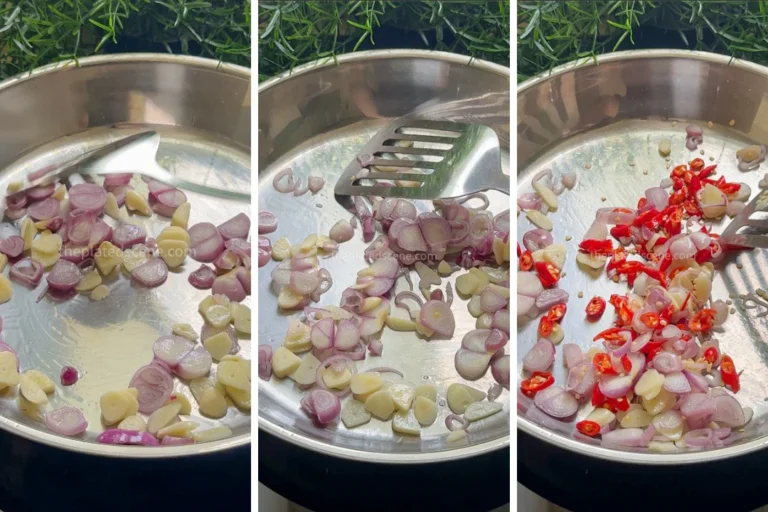
Step 2. Place a pan on medium heat and drizzle in a little cooking oil. Give the oil a moment to warm up. Add the sliced shallots and garlic, stirring slowly until they turn soft and fragrant. When the aromatics smell warm and savory, add the sliced chili and cook for another minute to release its heat and aroma.
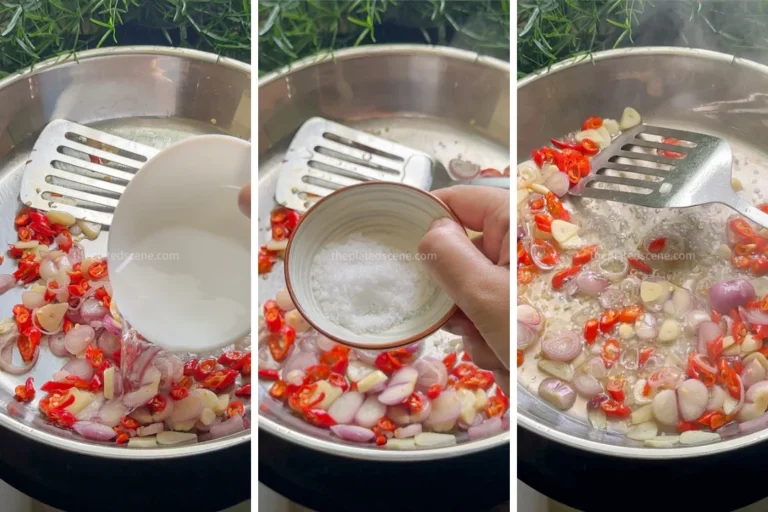
Step 3. Once the chili softens, pour in the water and add the salt. Stir everything together gently so the seasoning blends into the aromatics. Continue cooking until the water comes to a gentle boil. This creates a fragrant base that will help the pare cook evenly.
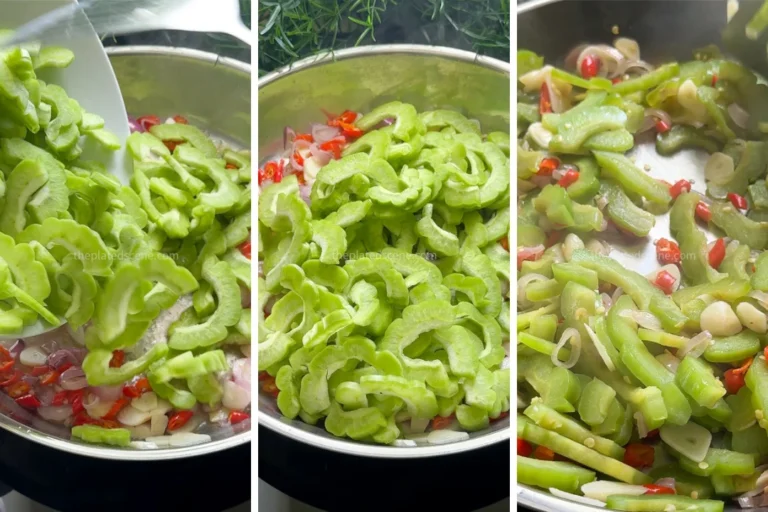
Step 4. Add the sliced bitter gourd into the pan. Toss everything so the pare is coated in the aromatic broth. The steam from the boiling water will help soften the bitter gourd without making it mushy.
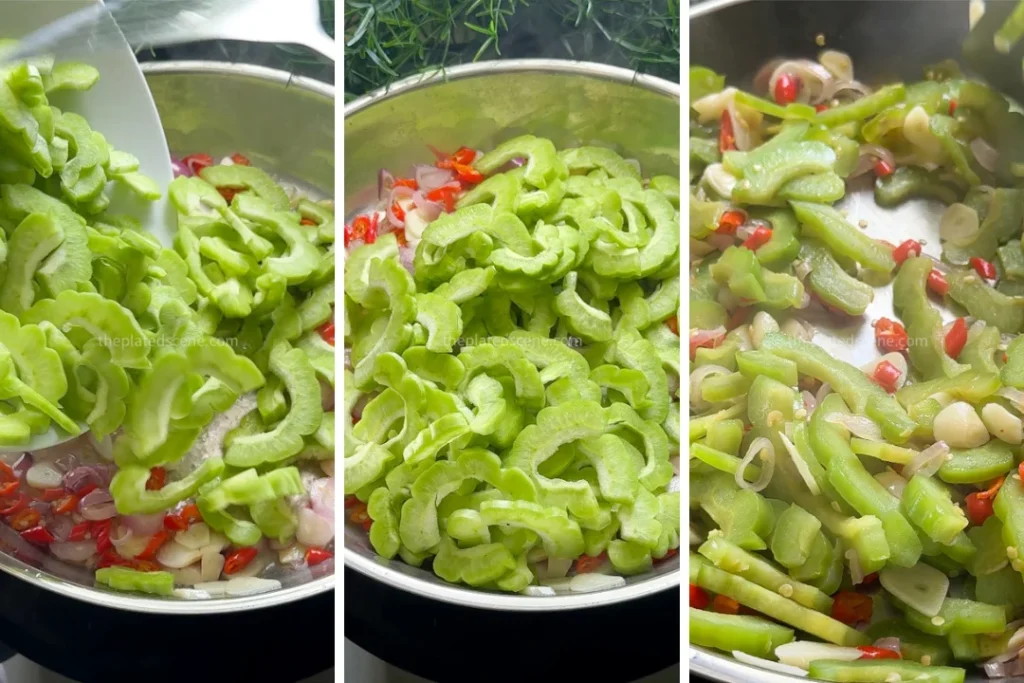
Step 5. Keep cooking while stirring occasionally. The pare will slowly turn tender but still have a pleasant bite. Taste a small piece to check the texture. Adjust the seasoning with a pinch more salt if needed.
Step 6. If you want to add optional ingredients like tomatoes, anchovies, or a touch of sweet soy sauce or oyster sauce, add them at this stage and stir until everything blends smoothly.
Step 7. Cook until the flavors settle and the bitter gourd reaches your preferred texture. Some people like it slightly crisp, others like it more tender. Turn off the heat when it feels right for you.
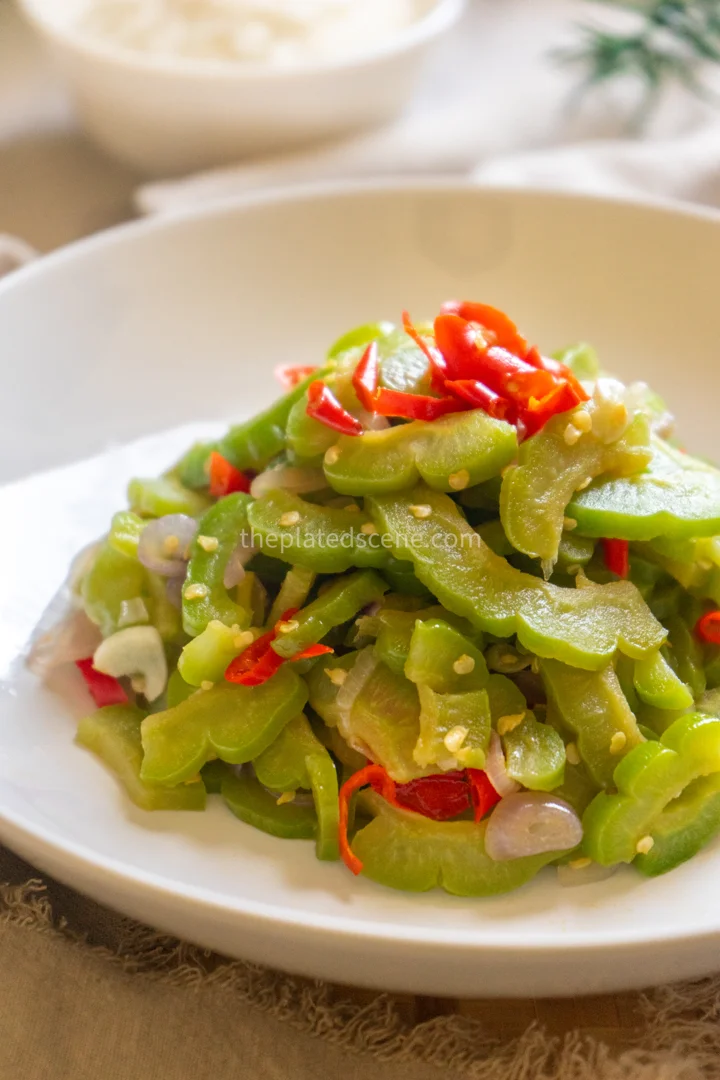
Step 8. Serve your tumis pare warm with steamed rice. It pairs beautifully with fried tempeh, tofu, or a spoonful of sambal. Leftovers store well in the fridge and often taste even better the next day.

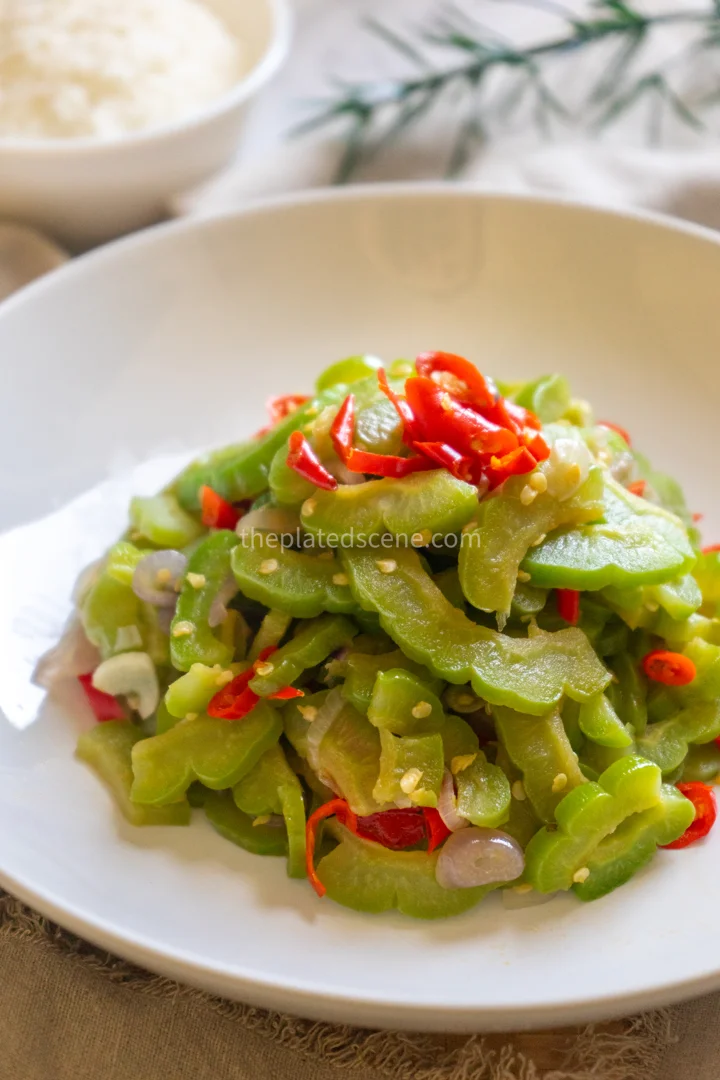
Tumis Pare (Bitter Gourd Stir Fry)
2
servings5
minutes10
minutes15
minutesA simple and comforting Indonesian stir fried bitter gourd made with shallots, garlic, and everyday pantry ingredients. Light, aromatic, and ready in under 15 minutes. Perfect with warm rice and tempeh.
Keep the screen of your device on
Ingredients
14 oz 400 g bitter gourd, sliced
1.75 oz 50 g shallots, thinly sliced
1 oz 30 g garlic, thinly sliced
1.5 teaspoons 1 1/2 tsp salt
3.4 fl oz 100 ml water
2 tablespoons 2 tbsp cooking oil
Directions
- Begin by preparing the bitter gourd. Wash it well, slice it lengthwise, and remove the seeds and the soft white membrane. Cut the pare into thin half-moons so it cooks quickly and absorbs flavor well. If you prefer a milder taste, sprinkle the slices with salt and gently massage them until they soften slightly. Let them rest, then rinse thoroughly. If you enjoy the natural bitterness, you can skip this step entirely.

- Place a pan on medium heat and drizzle in a little cooking oil. Give the oil a moment to warm up. Add the sliced shallots and garlic, stirring slowly until they turn soft and fragrant. When the aromatics smell warm and savory, add the sliced chili and cook for another minute to release its heat and aroma.
- Once the chili softens, pour in the water and add the salt. Stir everything together gently so the seasoning blends into the aromatics. Continue cooking until the water comes to a gentle boil. This creates a fragrant base that will help the pare cook evenly.
- Add the sliced bitter gourd into the pan. Toss everything so the pare is coated in the aromatic broth. The steam from the boiling water will help soften the bitter gourd without making it mushy.
- Add the sliced bitter gourd into the pan. Toss everything so the pare is coated in the aromatic broth. The steam from the boiling water will help soften the bitter gourd without making it mushy.
- If you want to add optional ingredients like tomatoes, anchovies, or a touch of sweet soy sauce or oyster sauce, add them at this stage and stir until everything blends smoothly.
- Cook until the flavors settle and the bitter gourd reaches your preferred texture. Some people like it slightly crisp, others like it more tender. Turn off the heat when it feels right for you.
- Serve your tumis pare warm with steamed rice. It pairs beautifully with fried tempeh, tofu, or a spoonful of sambal. Leftovers store well in the fridge and often taste even better the next day.


)