

Some recipes instantly remind me of home. Soun cabe ijo is one of those dishes that brings me right back to afternoons in my childhood kitchen. I remember coming home from school, dropping my bag, and hearing the sound of my mom slicing chilies on the wooden cutting board. She would make simple dishes like this stir-fried glass noodle when she was busy, but somehow they always tasted comforting and full of love.
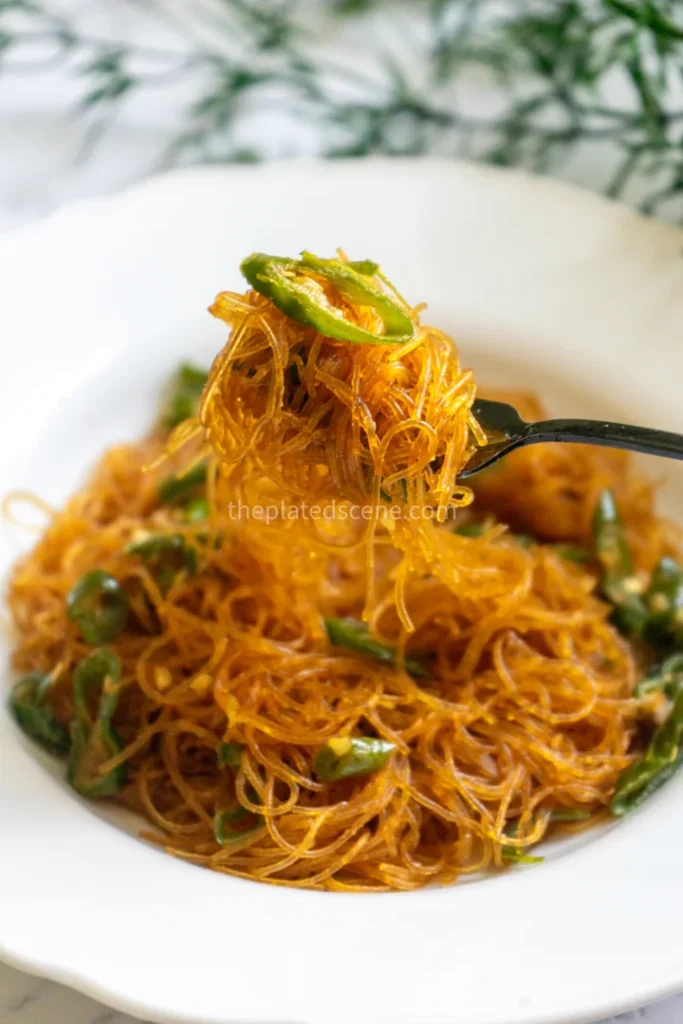
Growing up in Indonesia, soun was a pantry staple. It was the kind of ingredient we kept for days when there was “nothing to cook,” yet it could magically turn into something warm, spicy, and satisfying. My mom often paired it with green chilies because she loved their fresh aroma. Not too intense, but just enough to give the noodles a gentle heat.
Fast forward to today, I still make this dish whenever I want something fast but nostalgic. It reminds me of how my mother cooked. Simple ingredients, quick technique, big flavors. Every time the aroma of green chili hits the pan, it feels like a welcome hug after a long day.
For my readers who are exploring Indonesian food for the first time, soun cabe ijo is an easy and delicious place to start. And for my fellow Indonesians abroad, this stir-fried glass noodle will taste like home even if you are thousands of miles away.
Table of Contents
Why I Love Making Soun Cabe Ijo
I love how humble this dish is. It uses pantry ingredients, cooks quickly, and still manages to taste warm and satisfying. Soun cabe ijo is one of the first dishes I learned when I moved abroad because it gave me comfort on long, tiring days. Now it has become one of my readers’ favorite stir-fried glass noodle recipes because it is fast, flavorful, and nostalgic.
Why You Will Love This Stir-Fried Glass Noodle
- Made with simple ingredients
- Ready in less than 20 minutes
- Light but full of flavor
- Easy to customize with chicken, tofu, or vegetables
- Perfect for meal prep or a quick lunch
What Is Soun
Soun is Indonesian-style glass noodles made from mung beans. They turn translucent when cooked and have a light, springy texture. For this soun cabe ijo recipe, I soak the noodles in cold water instead of hot water so they stay firm and do not turn mushy during cooking. This small step makes a big difference, especially when making stir-fried glass noodle dishes.
Ingredients For Soun Cabe Ijo
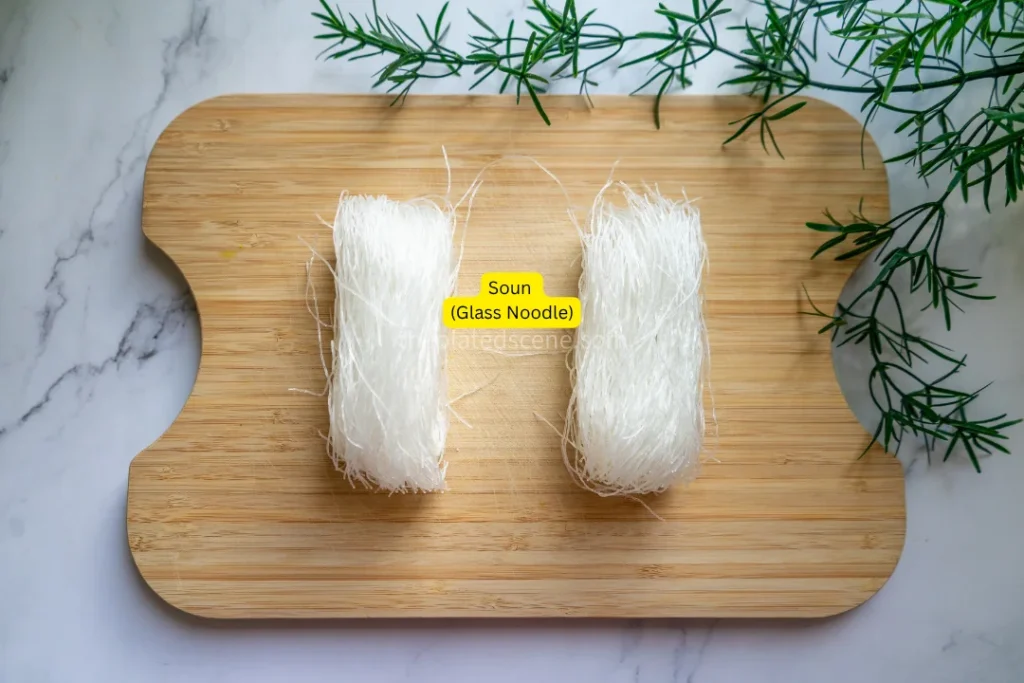
- Soun (glass noodles). Use Indonesian-style mung bean glass noodles. You can replace them with Korean dangmyeon or thin rice vermicelli, but the texture will be slightly chewier.
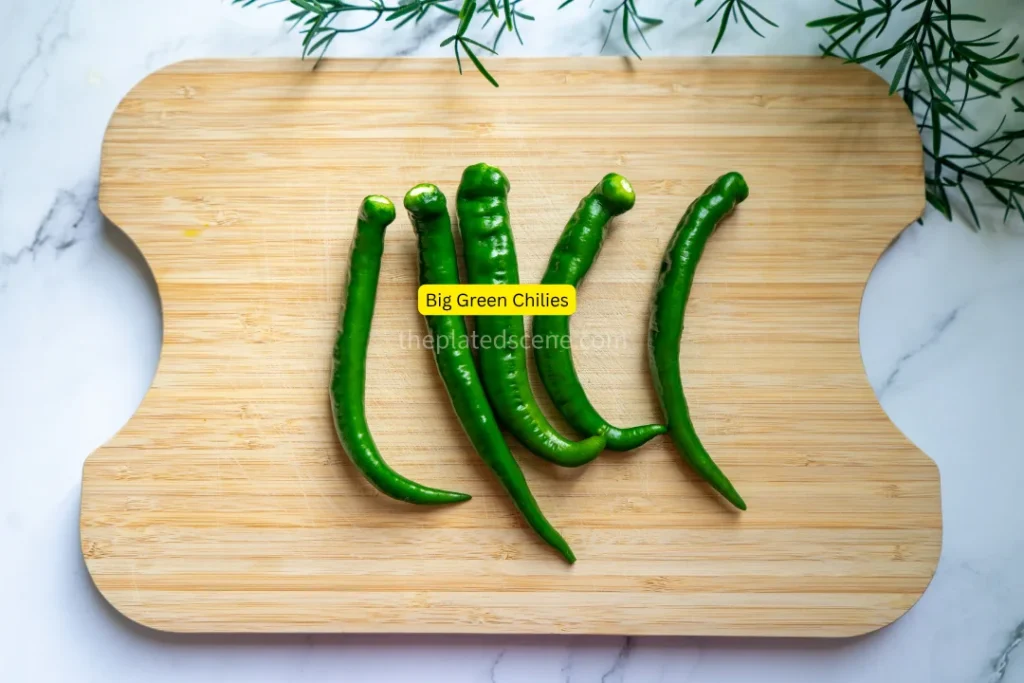
- Big Green chilies. Choose fresh, large green chilies for a clean flavor. If you want more heat, add bird’s eye chilies. You can substitute with jalapeños if green chilies are not available.
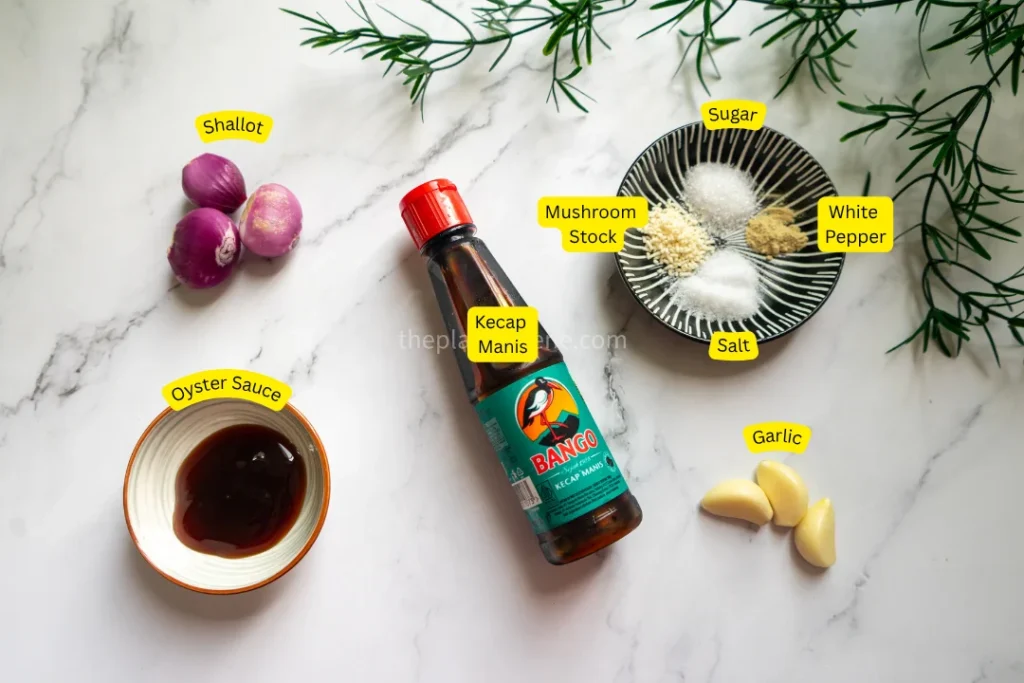
- Garlic. Fresh garlic gives the best aroma. Garlic paste or pre-minced garlic can work in a pinch but may be less fragrant.
- Shallots. Indonesian or Asian shallots are ideal. Red onions can be used as a substitute, though the flavor will be sharper.
- Kecap manis. This sweet soy sauce is key in Indonesian cooking. If you cannot find it, mix soy sauce with a bit of brown sugar or honey.
- Oyster sauce. Adds umami. For a vegetarian option, use mushroom oyster sauce. For a lighter flavor, you can use fish sauce or soy sauce.
- Salt and pepper. Adjust based on preference. White pepper gives a more Indonesian flavor profile, but black pepper works too.
- Mushroom stock powder. This enhances the savory profile. You can substitute with chicken stock powder or vegetable bouillon.
- Sugar. A small amount balances the heat. Use brown sugar, palm sugar, or even honey as an alternative.
- Water. Helps dilute the sauce and allows the noodles to absorb flavor evenly. You may also use a light broth for extra depth.
How To Make Soun Cabe Ijo
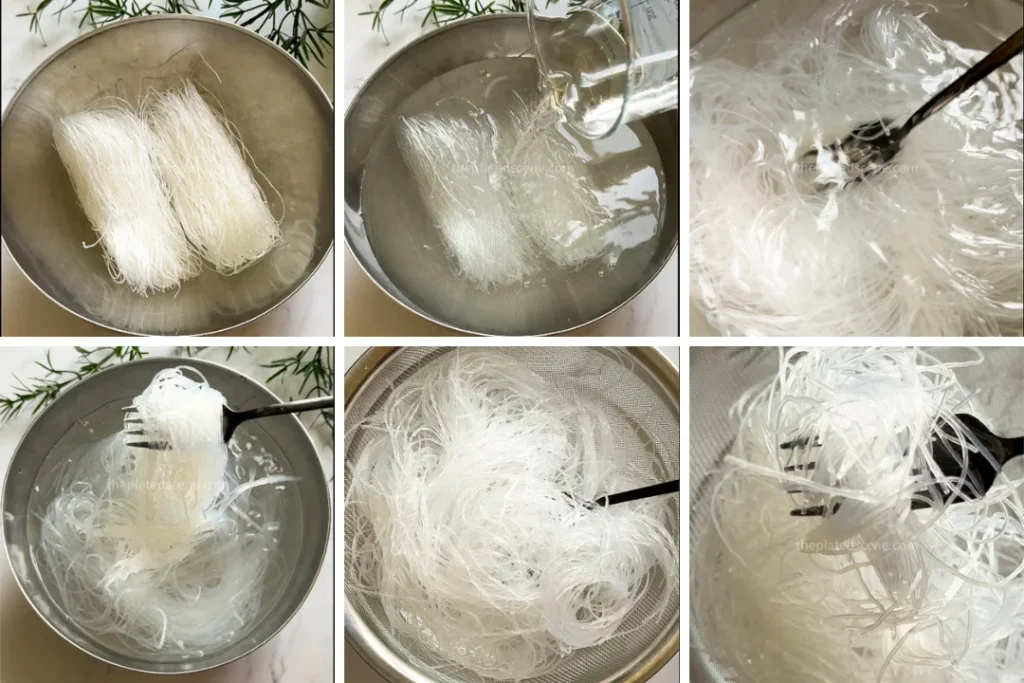
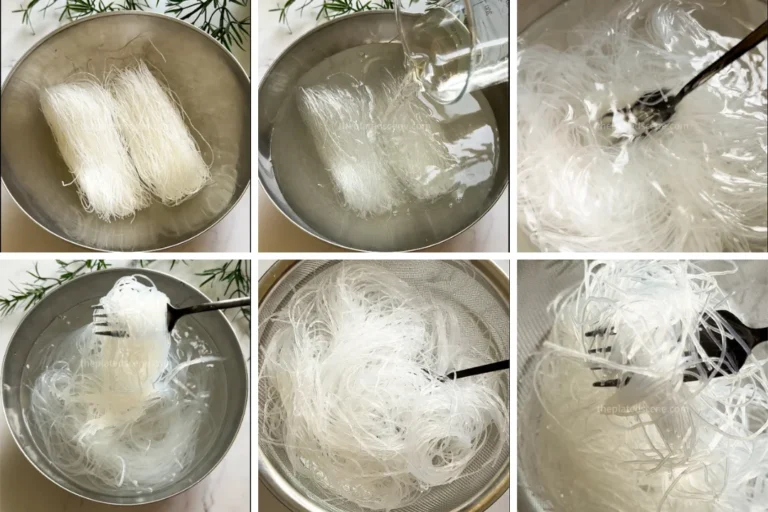
1. Prepare the soun (glass noodles).
Place the soun in a large bowl and cover it completely with cold water. Let it soak for 10 to 15 minutes until the strands soften. The noodles should feel flexible but not too soft.
Tip: Cold water prevents the noodles from breaking or turning mushy later. If they feel too firm, soak for a few extra minutes. If they feel too soft, shorten the soaking time next time.
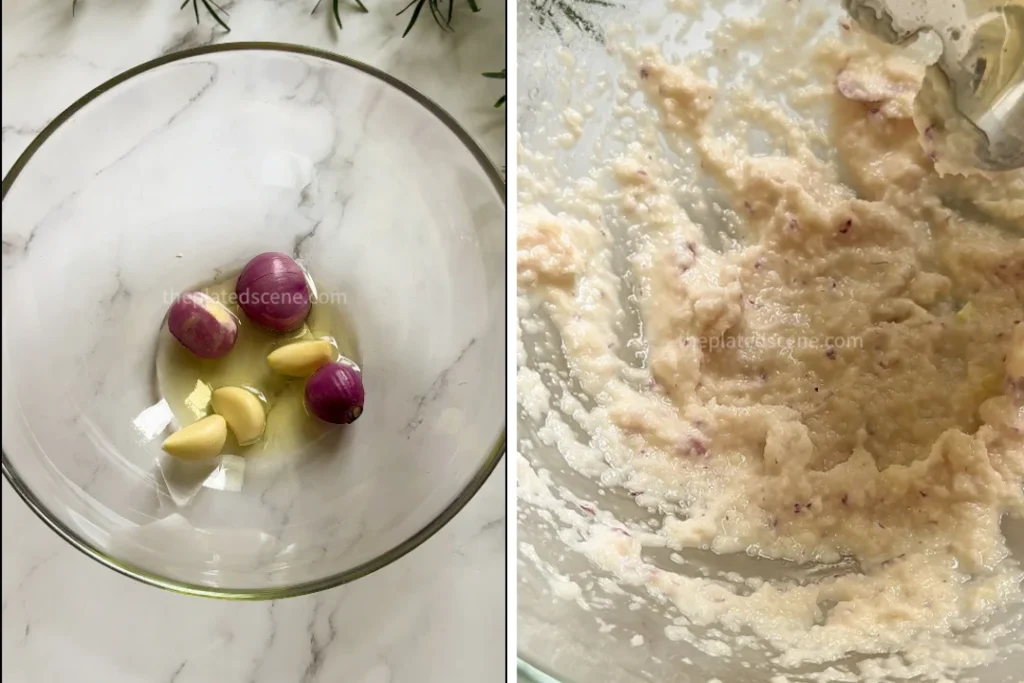
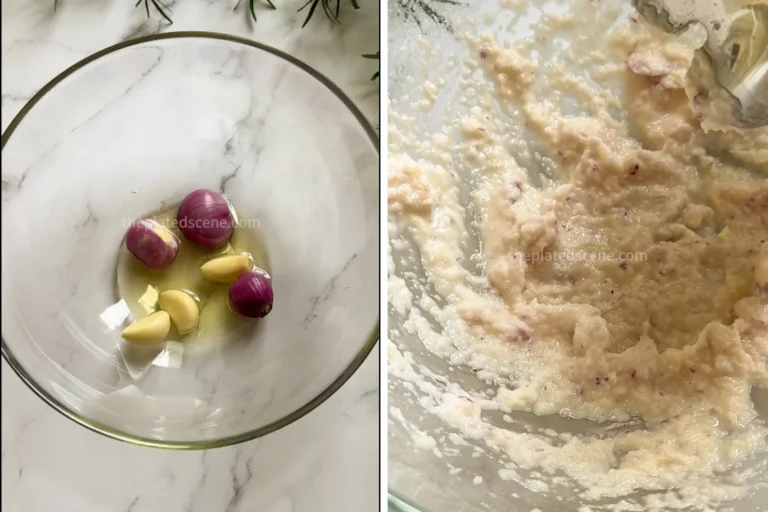
2. Blend the aromatics until completely smooth.
Peel the garlic and shallots. Blend them with a small splash of water or oil to help the blades move if needed. Keep blending until the paste looks silky with no chunks.
Tip: A smooth paste helps the flavor coat the noodles evenly.
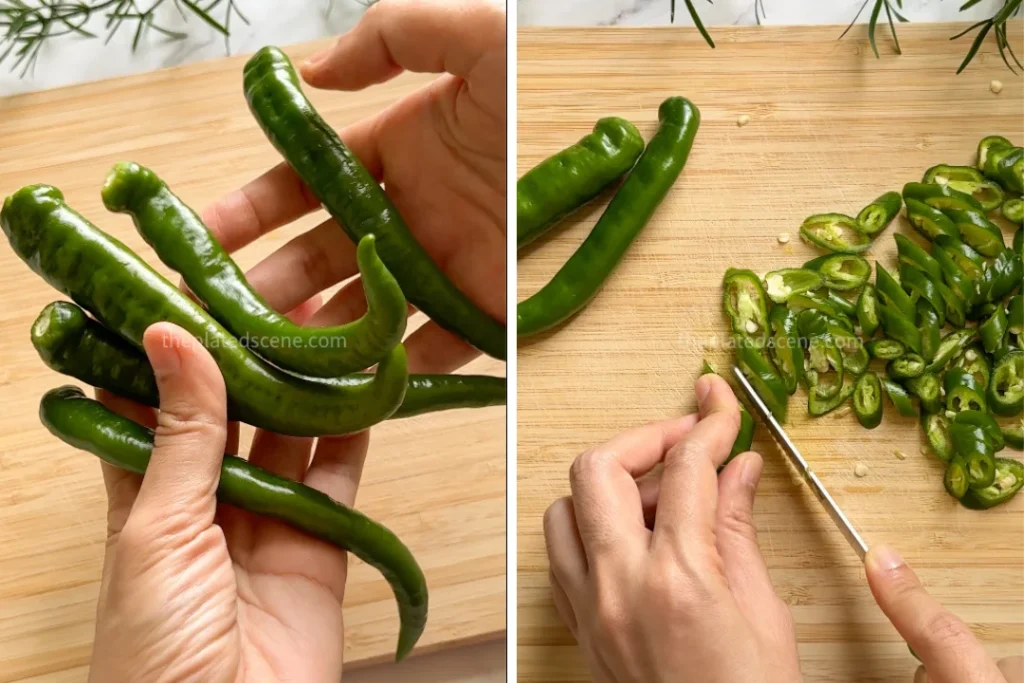
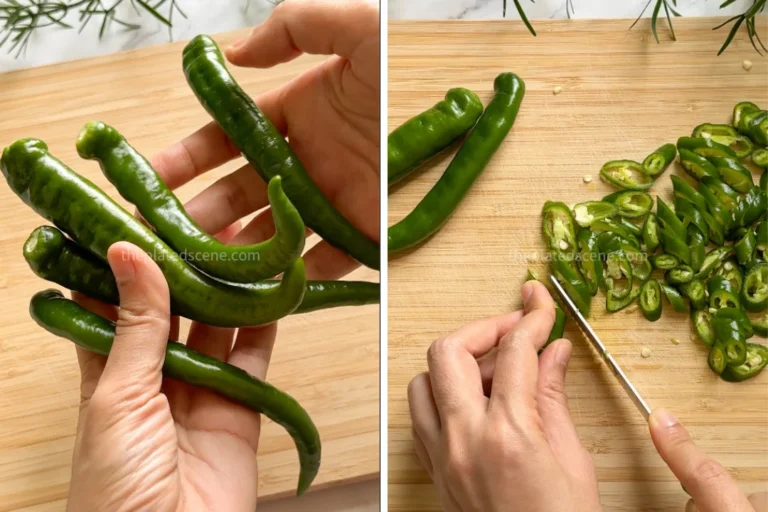
3. Slice the green chilies.
Rinse the chilies and pat them dry. Slice them diagonally or into thin rounds. If you want less heat, remove the seeds. If you want more heat, leave all seeds in place.
Tip: Cutting diagonally helps release more chili aroma while still looking visually attractive.
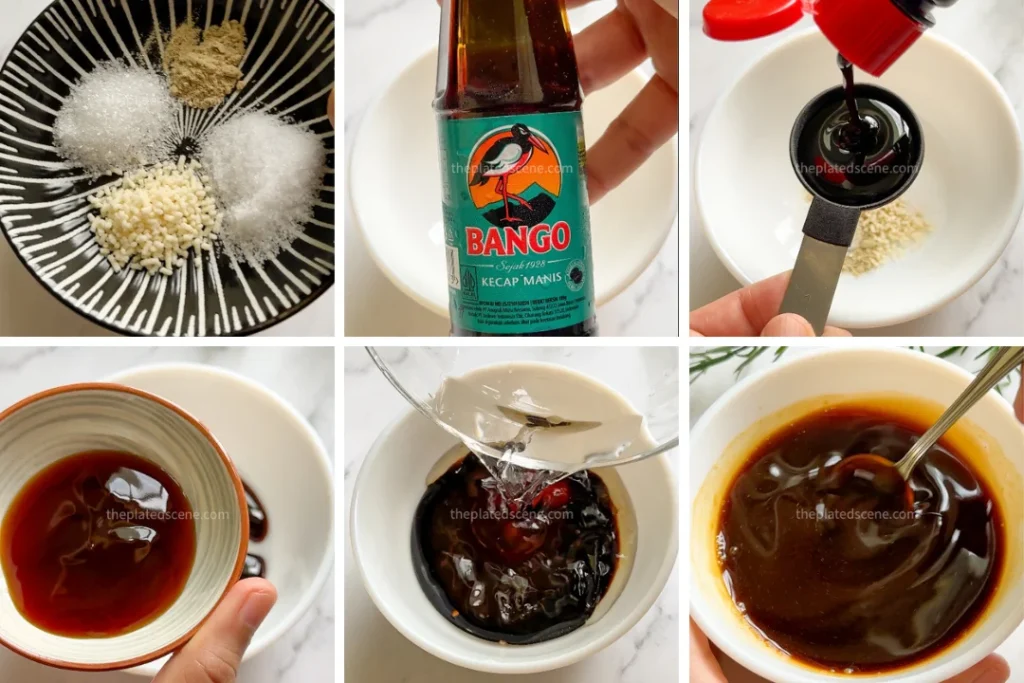
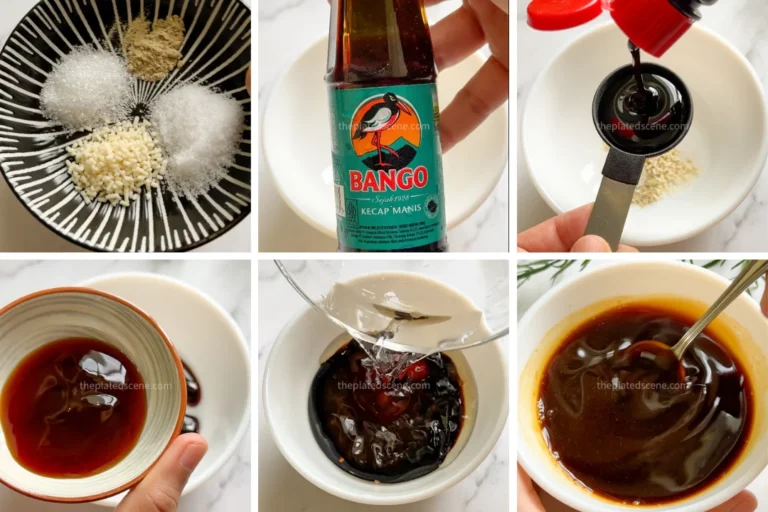
4. Premix the sauce.
In a small bowl, combine kecap manis, oyster sauce, salt, pepper, mushroom stock, and sugar. Add a bit of water and stir until all the seasoning dissolves.
Tip: Premixing helps you avoid uneven flavor and prevents the garlic from burning while you reach for seasonings during cooking.
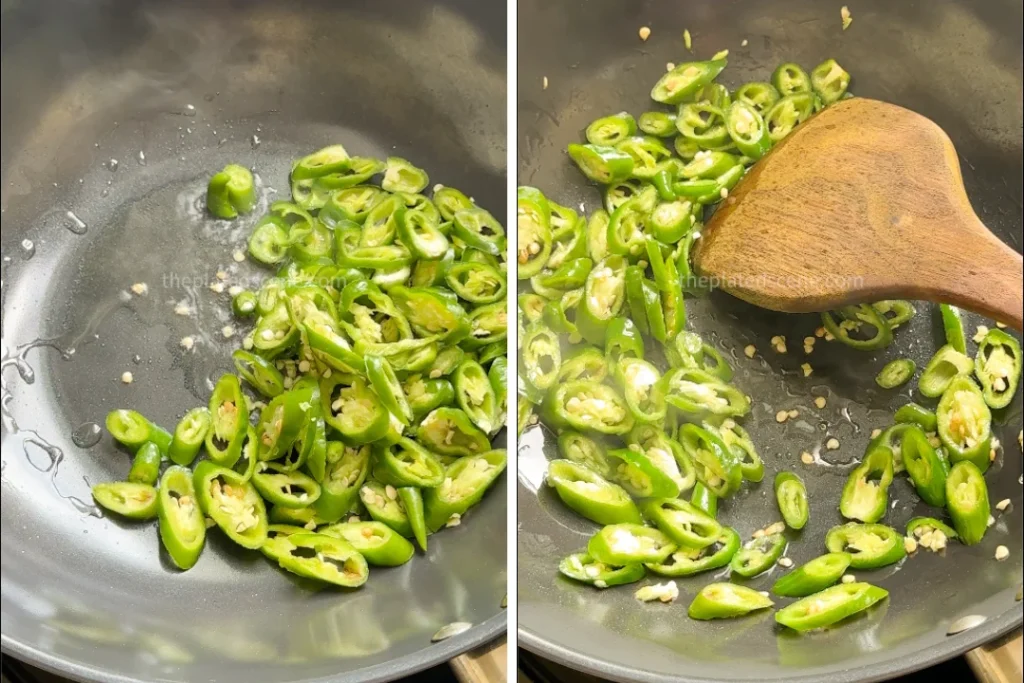
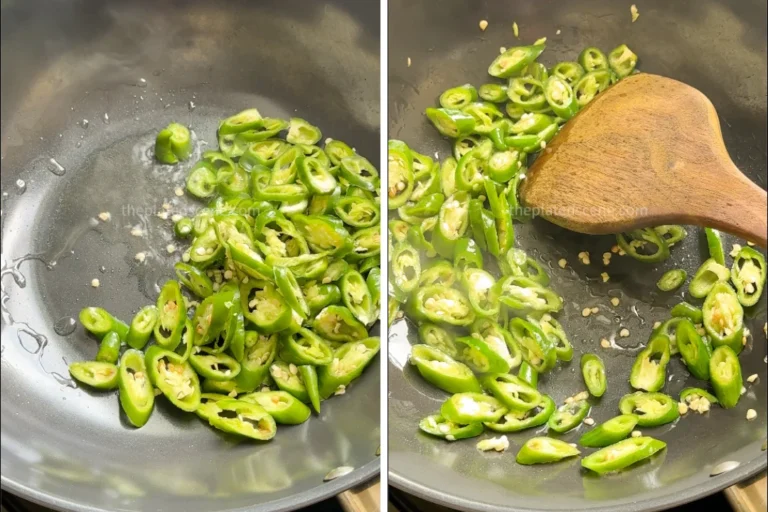
5. Heat the oil and sauté the green chilies.
Add a small amount of oil to a pan and heat it over medium. Once warm, add the sliced green chilies. Stir slowly and cook for 1 to 2 minutes until you can smell their fresh aroma. The chilies should soften slightly but not brown.
Tip: This step releases natural chili oil and gives the dish its signature flavor.
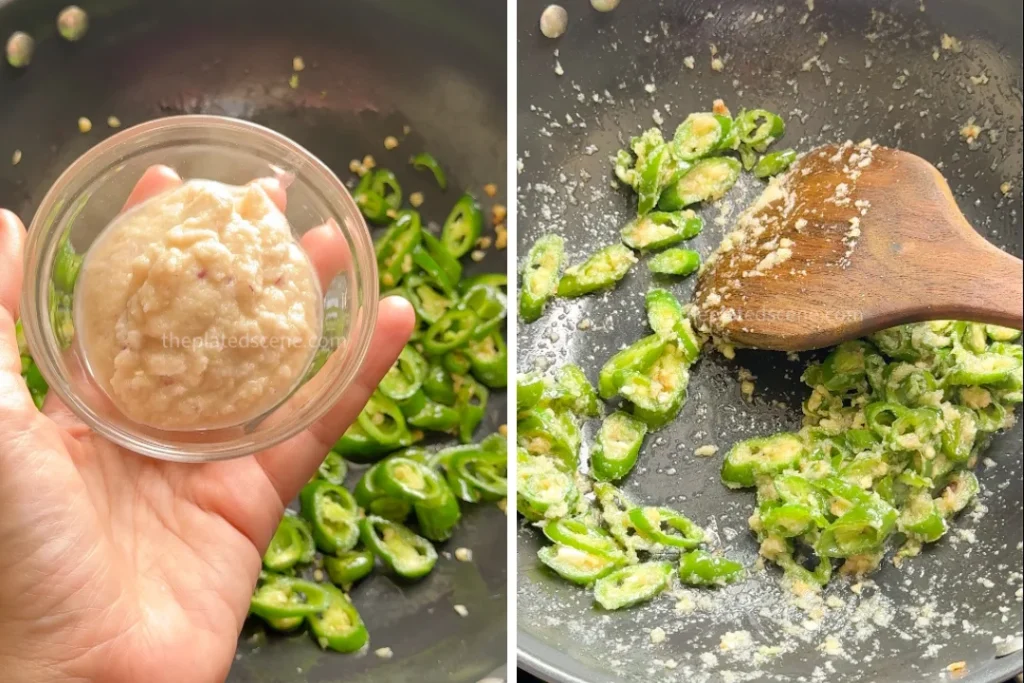
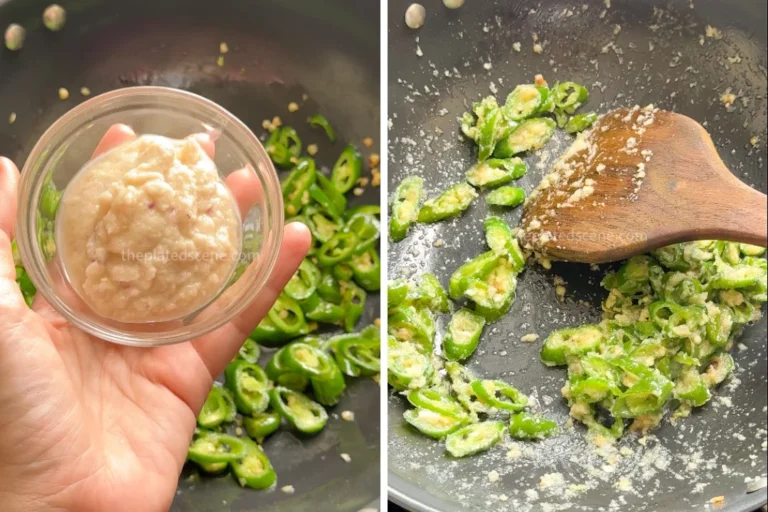
6. Add the blended garlic and shallots.
Pour the smooth paste into the pan with the chilies. Stir immediately to spread it out so it cooks evenly. Continue stirring until the paste loses its raw smell and turns slightly golden around the edges. This usually takes 2 to 3 minutes.
Tip: If the paste splatters, reduce the heat slightly. If it dries too fast, add a small splash of water.
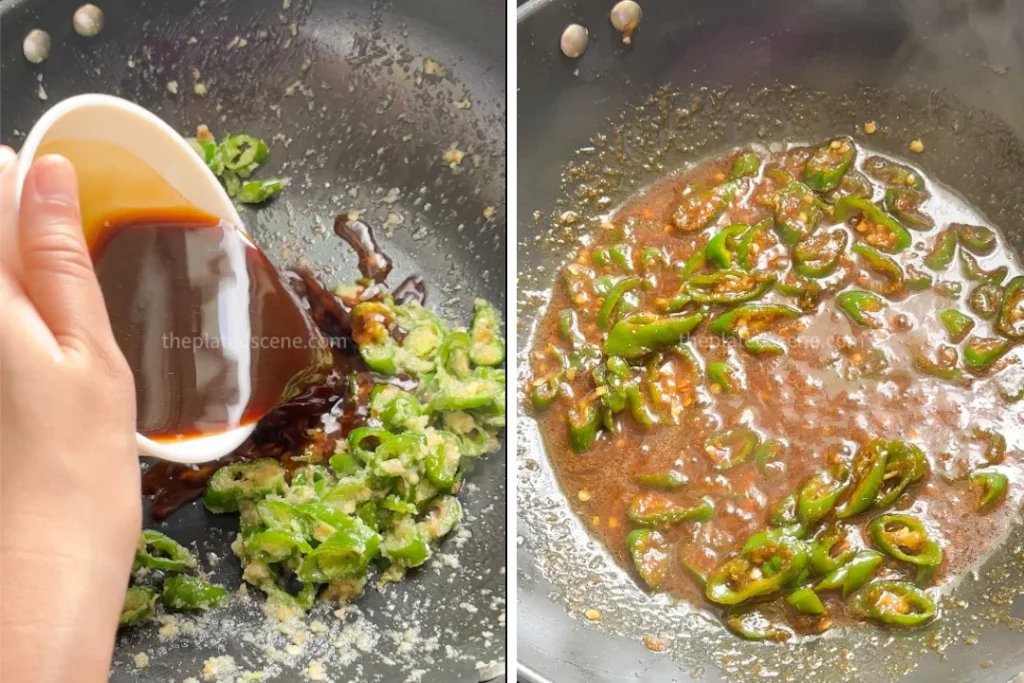
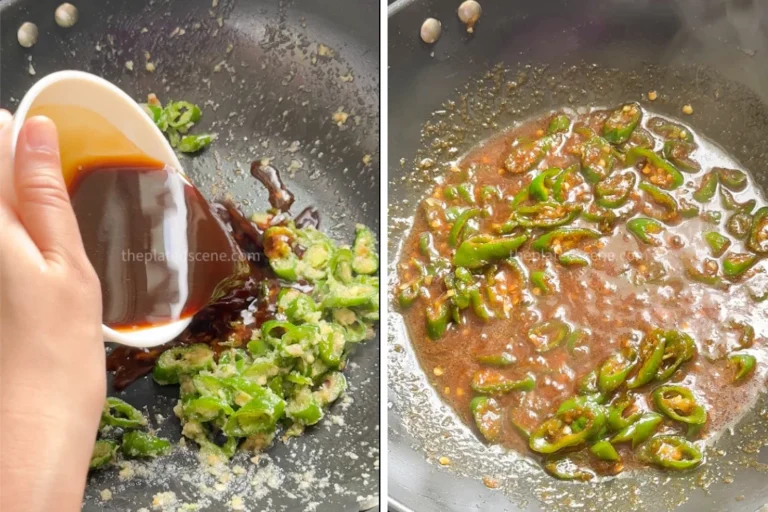
7. Pour in the premixed sauce.
Add the sauce mixture to the pan and stir well. Let it simmer for 15 to 30 seconds. This helps the flavors develop and prevents the noodles from tasting flat. The sauce should bubble gently, not boil aggressively.
Tip: If you want a deeper flavor, simmer a little longer to reduce the liquid slightly.
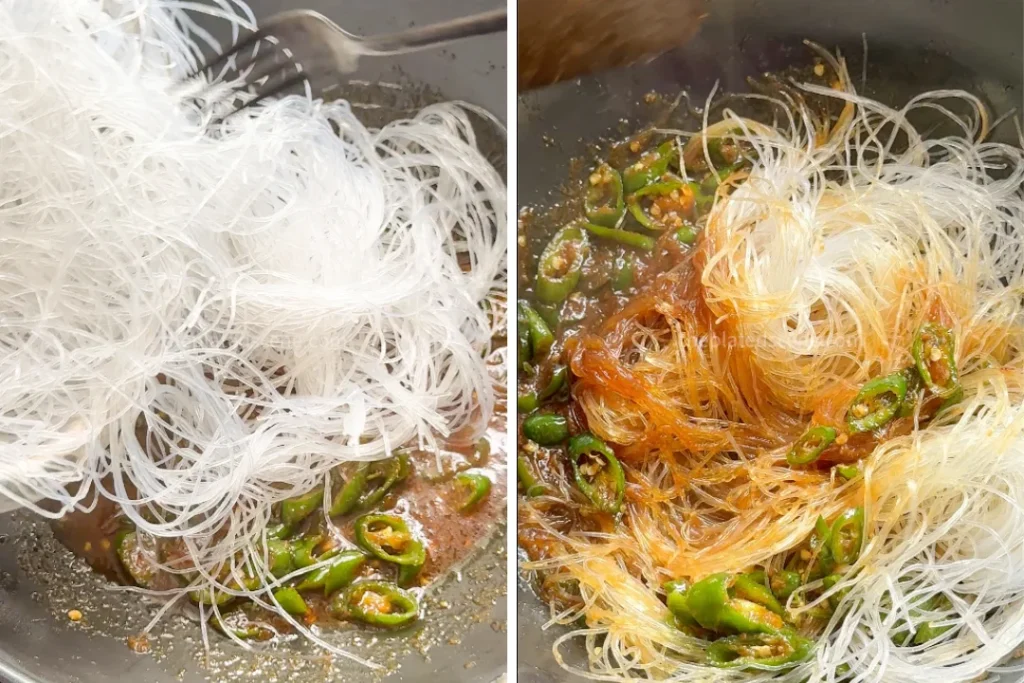
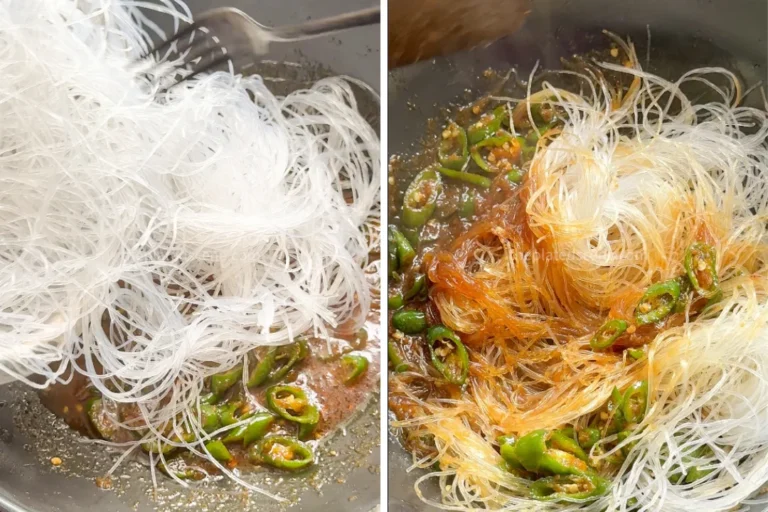
8. Add the soaked soun.
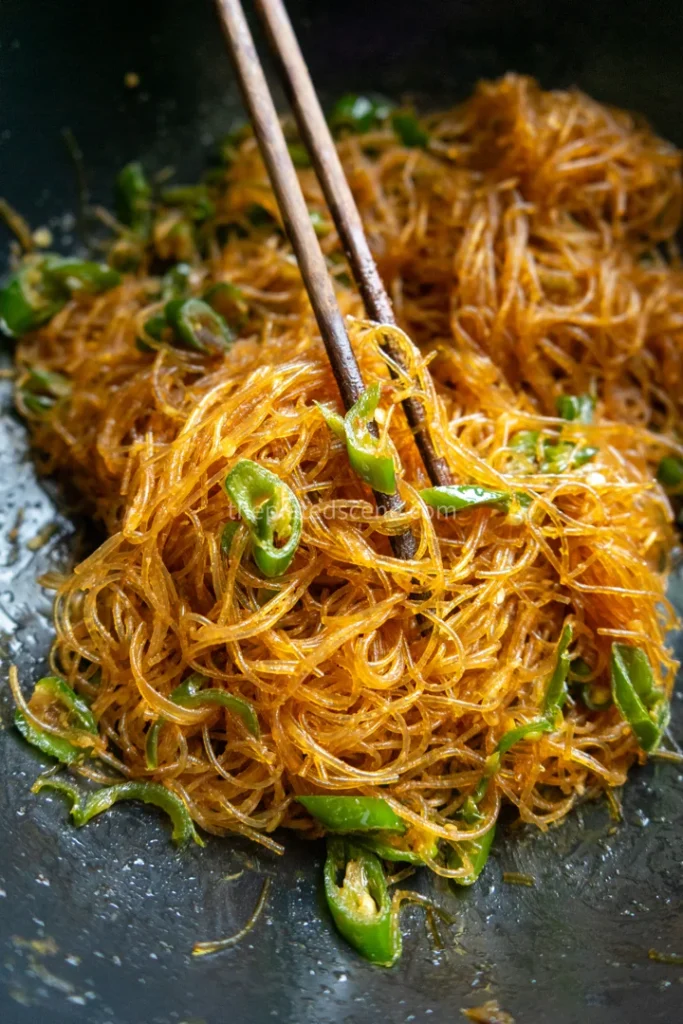
Drain the noodles thoroughly, then place them in the pan. Use chopsticks, tongs, or two spatulas to lift and toss the noodles gently. Every strand should touch the sauce. Continue tossing until the noodles turn evenly darker and absorb most of the liquid.
Tip: Do not stir too aggressively or the noodles may break. Gentle lifting works best.
9. Adjust texture with water if needed.
If the noodles look dry or clump together, add 1 to 2 tablespoons of water. Toss again until the texture feels loose and silky.
Tip: Soun absorbs liquid quickly, so adding a little water helps keep the dish moist without making it soupy.
10. Taste and adjust seasoning.
Before turning off the heat, taste a small strand of noodle. Adjust salt, sugar, or chilies if needed.
Tip: If the flavor tastes too sharp, a tiny bit of sugar or kecap manis balances it nicely.
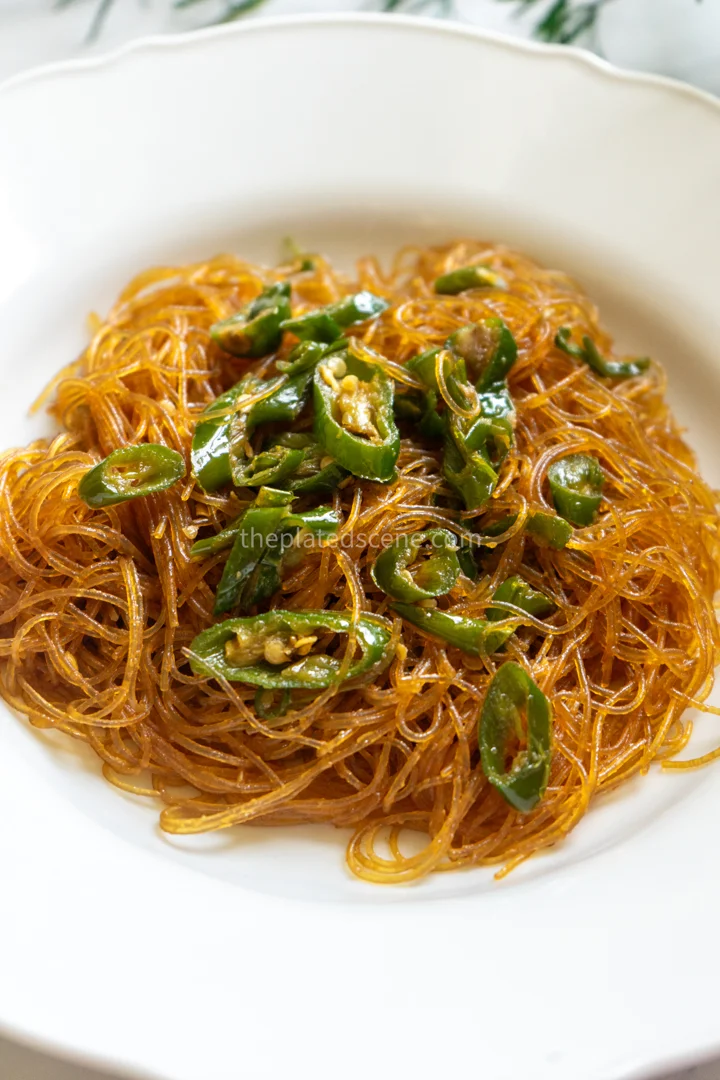
11. Serve warm.
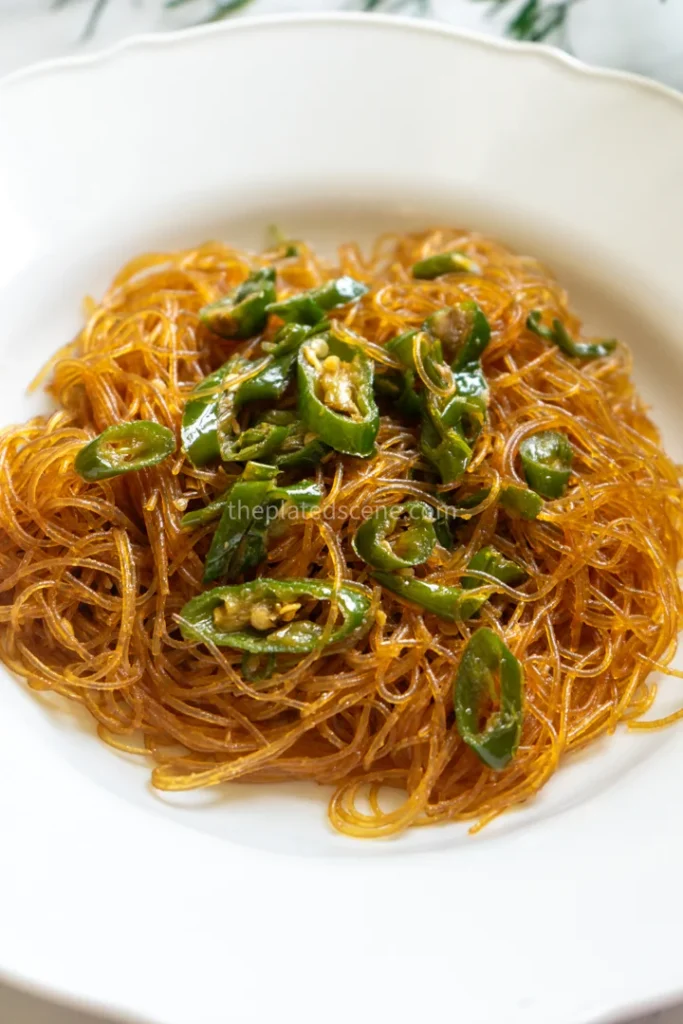
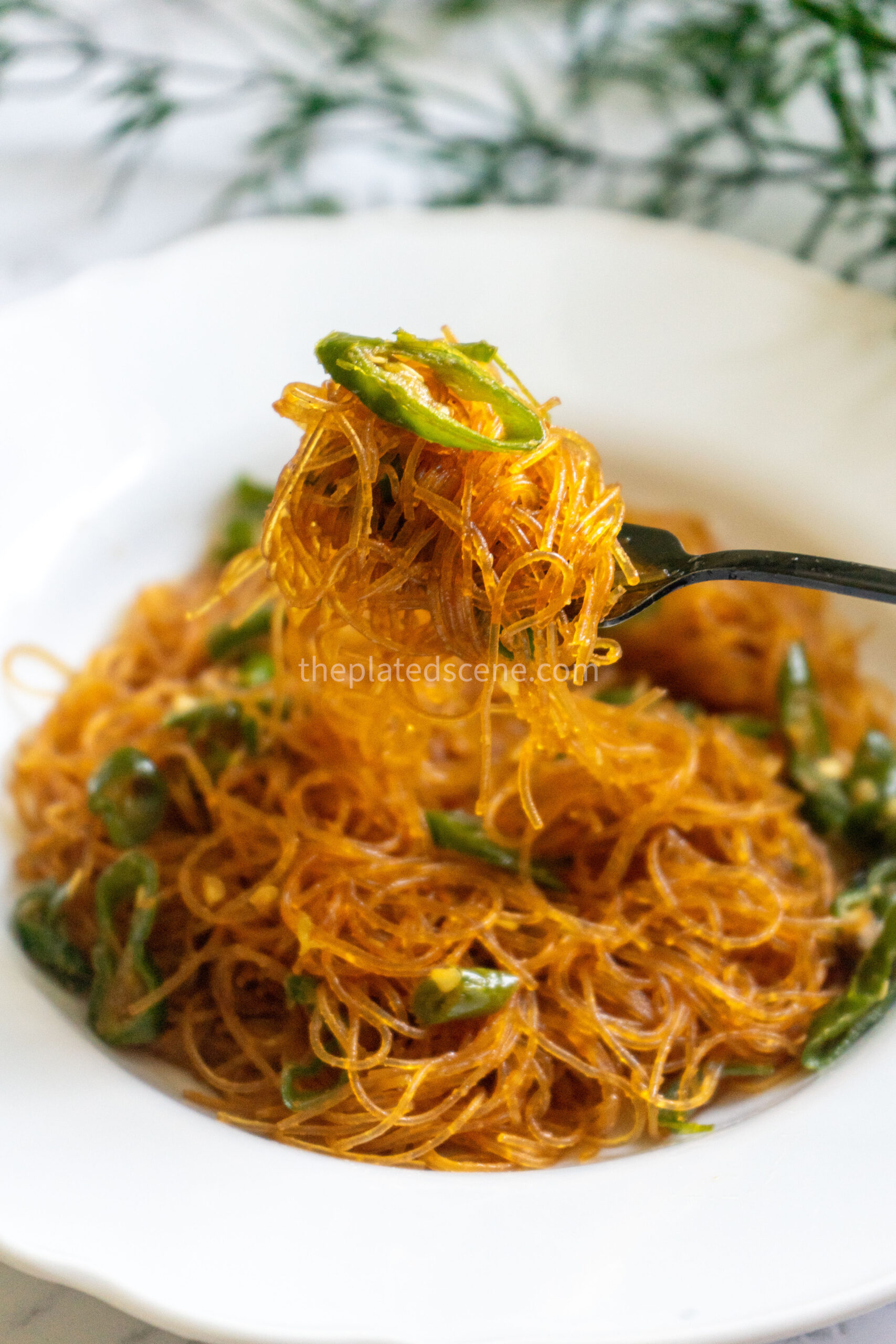
Transfer the stir-fried glass noodle to a plate. Garnish with more sliced chilies or fried shallots if you like. Serve immediately while the noodles are still glossy and bouncy.
Other Indonesian Recipes You May Like
If you enjoy the light and spicy flavor of this soun cabe ijo, here are some of my favorite recipes on the blog that pair beautifully with this stir-fried glass noodle or bring similar comforting Indonesian flavors.
- Tumis Kangkung. This quick stir-fried water spinach is the perfect vegetable side dish. It cooks in minutes and brings that familiar garlicky heat that reminds me of home.
- Ayam Saus Mentega. A sweet and savory Indonesian butter chicken that is rich and comforting. It adds protein and balances the lightness of soun cabe ijo.
- Udang Saus Mentega. If you want to add seafood to your meal, this buttery prawn dish pairs beautifully with glass noodles or rice.
- Oseng Tempe Cabe Ijo. If you love green chili dishes, this is another classic. Stir fried tempeh cooked with plenty of green chilies for a bold, earthy flavor.
- Bumbu Pecel. A peanut sauce recipe you can drizzle over vegetables or noodles. Great for meal prep and adds a comforting touch to any Indonesian dish.
Soun Cabe Ijo (Stir-Fried Glass Noodle with Green Chilies)
2
servings10
minutes10
minutes20
minutesA light and comforting Indonesian stir-fried glass noodle made with smooth blended aromatics and fresh green chilies. This simple soun cabe ijo comes together in under 20 minutes and is perfect for a quick, flavorful meal.
Keep the screen of your device on
Ingredients
3.5 oz 100 g soun (glass noodles)
5 5 big green chilies, sliced
0.35 oz 10 g garlic, blended smooth (about 2–3 cloves)
0.5 oz 15 g shallots, blended smooth (about 3–4 shallots)
1.5 tbsp 1 1/2 tbsp kecap manis (about 0.75 fl oz)
1 tbsp 1 tbsp oyster sauce (0.5 fl oz)
0.5 tsp 1/2 tsp salt
0.25 tsp 1/4 tsp pepper
0.5 tsp 1/2 tsp mushroom stock powder
0.5 tsp 1/2 tsp sugar
1.7 fl oz 50 ml water (about 3 tbsp + 1 tsp)
Directions
- Prepare the soun (glass noodles).
Place the soun in a large bowl and cover it completely with cold water. Let it soak for 10 to 15 minutes until the strands soften. The noodles should feel flexible but not too soft.
Tip: Cold water prevents the noodles from breaking or turning mushy later. If they feel too firm, soak for a few extra minutes. If they feel too soft, shorten the soaking time next time.
- Blend the aromatics until completely smooth.
Peel the garlic and shallots. Blend them with a small splash of water or oil to help the blades move if needed. Keep blending until the paste looks silky with no chunks.
Tip: A smooth paste helps the flavor coat the noodles evenly. - Slice the green chilies.
Rinse the chilies and pat them dry. Slice them diagonally or into thin rounds. If you want less heat, remove the seeds. If you want more heat, leave all seeds in place.
Tip: Cutting diagonally helps release more chili aroma while still looking visually attractive. - Premix the sauce.
In a small bowl, combine kecap manis, oyster sauce, salt, pepper, mushroom stock, and sugar. Add a bit of water and stir until all the seasoning dissolves.
Tip: Premixing helps you avoid uneven flavor and prevents the garlic from burning while you reach for seasonings during cooking. - Heat the oil and sauté the green chilies.
Add a small amount of oil to a pan and heat it over medium. Once warm, add the sliced green chilies. Stir slowly and cook for 1 to 2 minutes until you can smell their fresh aroma. The chilies should soften slightly but not brown.
Tip: This step releases natural chili oil and gives the dish its signature flavor. - Add the blended garlic and shallots.
Pour the smooth paste into the pan with the chilies. Stir immediately to spread it out so it cooks evenly. Continue stirring until the paste loses its raw smell and turns slightly golden around the edges. This usually takes 2 to 3 minutes.
Tip: If the paste splatters, reduce the heat slightly. If it dries too fast, add a small splash of water. - Pour in the premixed sauce.
Add the sauce mixture to the pan and stir well. Let it simmer for 15 to 30 seconds. This helps the flavors develop and prevents the noodles from tasting flat. The sauce should bubble gently, not boil aggressively.
Tip: If you want a deeper flavor, simmer a little longer to reduce the liquid slightly. - Add the soaked soun.
Drain the noodles thoroughly, then place them in the pan. Use chopsticks, tongs, or two spatulas to lift and toss the noodles gently. Every strand should touch the sauce. Continue tossing until the noodles turn evenly darker and absorb most of the liquid.
Tip: Do not stir too aggressively or the noodles may break. Gentle lifting works best. - Adjust texture with water if needed.
If the noodles look dry or clump together, add 1 to 2 tablespoons of water. Toss again until the texture feels loose and silky.
Tip: Soun absorbs liquid quickly, so adding a little water helps keep the dish moist without making it soupy. - Taste and adjust seasoning.
Before turning off the heat, taste a small strand of noodle. Adjust salt, sugar, or chilies if needed.
Tip: If the flavor tastes too sharp, a tiny bit of sugar or kecap manis balances it nicely. - Serve warm.
Transfer the stir-fried glass noodle to a plate. Garnish with more sliced chilies or fried shallots if you like. Serve immediately while the noodles are still glossy and bouncy.

)