

If you grew up in Indonesia like I did, sate ayam (or chicken satay) is probably stitched into your food memories. It’s not something we made at home. We didn’t need to. Sate ayam was—and still is—everywhere.
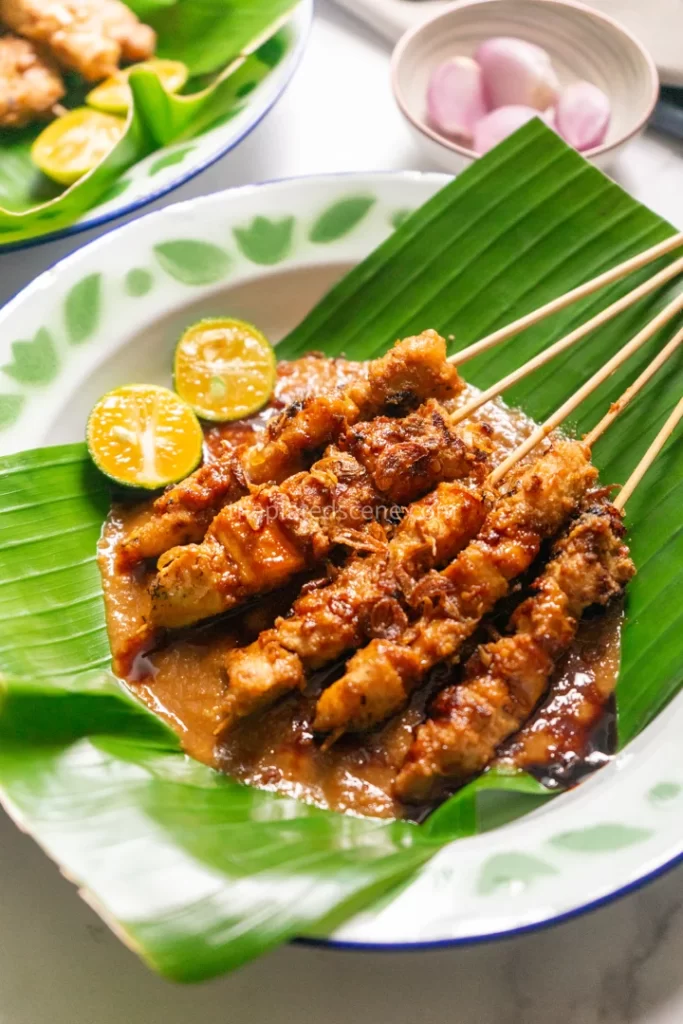
From bustling roadside stalls to neighborhood vendors with their portable charcoal grills (gerobak keliling), the smell of grilled chicken and smoky peanut sauce was a nightly ritual in Jakarta. You’d walk past a street corner and instantly be greeted by the sound of meat sizzling over hot coals, the rhythmic fanning of flames, and that unmistakable scent of caramelized kecap manis mingled with peanut and garlic.
Out of all the satays you could find in Indonesia, sate madura was always my go-to. It’s sweet, smoky, rich in flavor, and comes generously slathered with chunky peanut sauce and a drizzle of syrupy soy sauce.
But then I moved abroad—and suddenly, chicken satay wasn’t so simple anymore. The versions I tried in restaurants were usually toned down. The sauce would be too thin or too mild, and the meat lacked that sweet, sticky marinade I grew up with. Even the smell was different. That deep, slightly charred aroma? Gone.
So I started experimenting in my own kitchen. Instead of trying to replicate the traditional two-step process (marinade + sauce), I simplified it. I marinated the chicken directly in the satay sauce itself—yes, the same one you’ll serve on the plate. The result? It saves time, packs a punch of flavor, and creates beautifully glazed chicken skewers even without a charcoal grill.
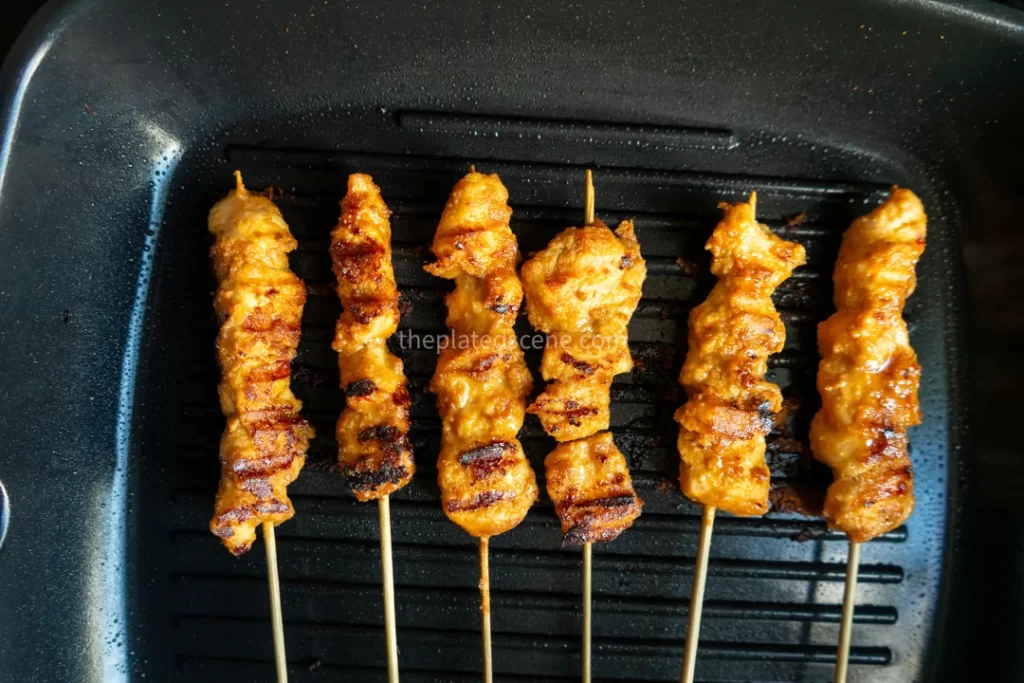
Since I don’t have access to a charcoal setup, I use a grill pan at home. It’s easier, faster, and still gets that nice sear. And let me tell you, the first time I made this version for my partner, they couldn’t stop raving about it. It’s now on our regular dinner rotation—and every time it hits the pan, it transports me straight back to Jakarta’s smoky street stalls.
Table of Contents
The Origins of Chicken Satay
So where did chicken satay come from? The roots of sate ayam go deep into Indonesia’s culinary history, though the term “satay” itself likely has Indian or Middle Eastern origins. It’s believed that satay evolved as a local adaptation of kebabs introduced by traders centuries ago. But in Indonesia, satay took on a life of its own—infused with the spices, ingredients, and spirit of the archipelago.
Today, you’ll find countless variations of satay across Southeast Asia—each with its own twist—but Indonesia remains the heart of it. Here, satay is not just a dish; it’s a culture. It’s the scent of evening markets, the sound of sizzling skewers, and the joy of sitting on a plastic stool with a plate full of smoky, sticky chicken and warm rice cakes.
The Many Faces of Indonesian Sate
While sate ayam might be the most recognized, it’s just one type in a family of wildly diverse Indonesian satays. Each region has its own spin, using local ingredients and cooking techniques. Here are just a few you’ll come across:
- Sate Padang – Originating from West Sumatra, this satay is smothered in a thick, spicy yellow sauce made with turmeric, chili, and rice flour.
- Sate Lilit – A Balinese version using minced fish or chicken, coconut, and spices, wrapped around lemongrass sticks and grilled.
- Sate Kambing – Made from marinated goat meat, often grilled over high flames and served with pickled shallots and soy sauce.
- Sate Maranggi – A beef-based satay from West Java, with minimal sauce and a punchy spice rub.
Each variety offers something different—but the one that has my heart is still sate ayam Madura, for its sweet, savory, and peanutty magic.
What’s the Difference Between Sate Ayam Madura and Singapore Chicken Satay?
If you’ve tried chicken satay in Singapore and then had sate ayam in Indonesia, you probably noticed they’re not quite the same. While they both share grilled chicken on skewers and a peanut-based sauce, the flavor profiles are surprisingly different.
Sate ayam Madura has a more intense, caramelized edge thanks to kecap manis—a thick, syrupy sweet soy sauce that’s central to Indonesian cooking. The sauce is chunkier, richer, and more aromatic. Garlic, shallot, peanuts, and palm sugar come together into a thick paste that clings to the chicken like a glaze. It’s messy, but in the best way.
In contrast, Singapore-style chicken satay tends to be lighter. The marinade usually highlights lemongrass and galangal, and the peanut sauce is thinner, smoother, and served as a dipping sauce rather than drizzled. You’ll often get cucumber, onions, and ketupat on the side.
Both are delicious, but if you’re craving something bold and soulful, sate ayam Madura delivers in every bite.
What Does Sate Ayam Madura Taste Like?
This is where sate ayam truly shines. One bite, and your taste buds go on a journey. It’s:
- Sweet – thanks to the kecap manis and palm sugar in the sauce
- Savory and nutty – from roasted peanuts, garlic, and shallots
- Smoky – even with a grill pan, you can still get that charred, caramelized edge
- A little spicy (if you want it) – with optional chili in the sauce
- Comforting – like a dish you didn’t know you needed until you tasted it
Serve it with rice or rice cakes (lontong), add a few slices of cucumber or some homemade acar, and you’ve got a satisfying plate, filling, and nostalgic all at once.

Ingredients for Sate Ayam (Chicken Satay)
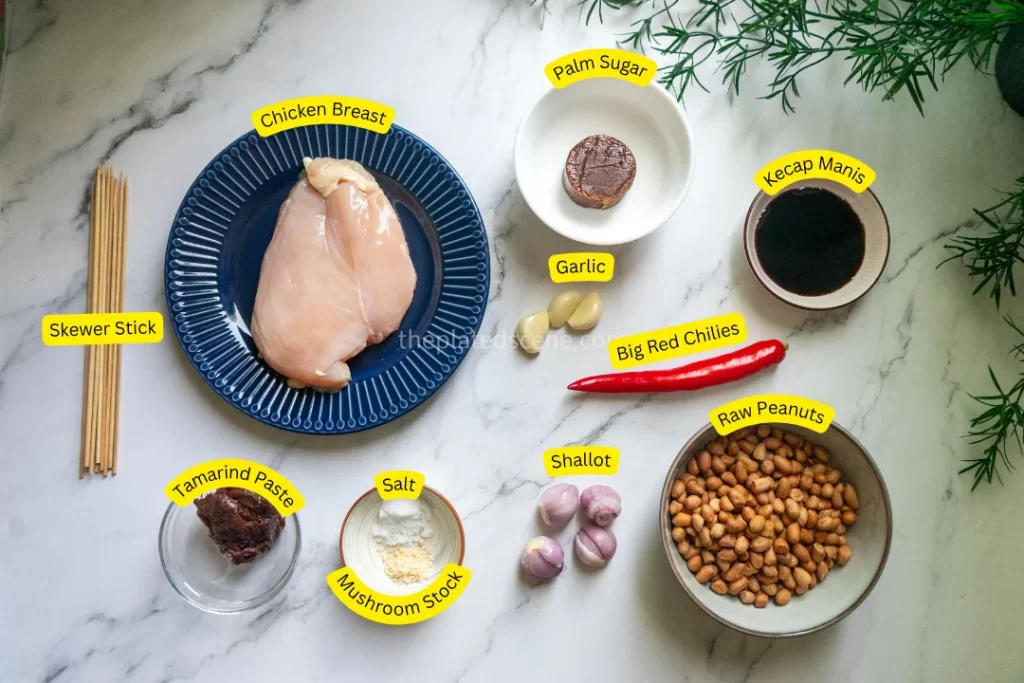
This version of sate ayam uses tender chicken breast and a rich, homemade peanut sauce that doubles as both marinade and drizzle. Here’s what you’ll need to make an authentic Indonesian-style chicken satay at home.
For the Peanut Sauce
- Raw peanuts (kacang tanah) – Use raw, skin-on peanuts and fry them until golden before blending. This gives a deeper flavor than store-bought roasted ones. You can also air-fry or roast them if preferred.
- Garlic – Adds a pungent depth to the sauce.
- Shallots – Sautéed shallots add sweetness and aroma to balance the sauce.
- Large red chili – Optional, but gives the sauce a mild kick and beautiful color. Use red bell pepper for a no-heat version.
- Salt – Enhances the savory profile.
- Mushroom stock powder – Adds umami; you can substitute with chicken or vegetable stock powder if preferred.
- Palm sugar – Gives the sauce its signature deep sweetness. Gula jawa is traditional, but you can use coconut sugar or brown sugar if needed.
- Water – Helps blend everything into a smooth, pourable consistency.
- Tamarind water – Made by diluting tamarind paste; adds a tangy brightness to balance the richness. If unavailable, use a splash of lime juice as an alternative.
For the Chicken Satay
- Chicken breast – Boneless, skinless chicken breast is lean and cooks quickly. You can also use thigh meat for a juicier result.
- Sweet soy sauce (kecap manis) – Adds caramelized sweetness and color. If you can’t find it, mix soy sauce with a little molasses or brown sugar as a quick substitute.
- Skewer sticks – Bamboo skewers are traditional. Soak them in water for at least 30 minutes before grilling to prevent burning.
Variations You Can Try
The beauty of chicken satay is that it’s super flexible. While my go-to is chicken thighs marinated in the peanut sauce and grilled in a pan, there are so many ways to spin this dish:
- Vegan mushroom satay – One of my favorite plant-based alternatives! I use lion’s head mushroom marinated the same way, and they soak up flavor beautifully. When grilled, they develop this amazing texture that’s smoky, juicy, and meat-like. You can find the full recipe for it on my blog.
- Tofu or tempeh satay – Great vegetarian options that still pack a ton of flavor.
- Beef or lamb satay – If you want something heartier, just adjust the cooking time and marinade accordingly.
- Seafood satay – Shrimp or squid on skewers can be marinated and grilled the same way for a lighter, summery twist.
Whether you’re vegetarian, flexitarian, or a full-on carnivore, there’s a satay out there for you.
Tips and Things to Watch Out For
Making sate ayam at home is actually really approachable, but here are a few things to keep in mind to get that street-food-quality flavor:
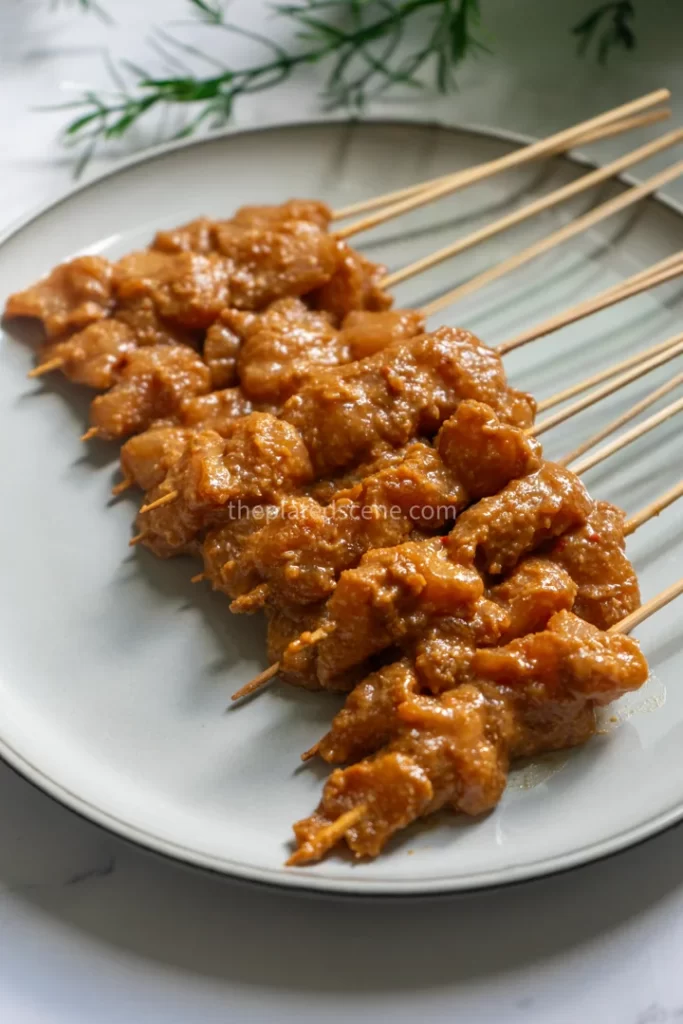
- Marinate in the satay sauce – This shortcut adds depth and saves time. I make the sauce first, then set aside half for serving and use the rest to marinate the chicken.
- Use a grill pan or skillet – If you don’t have charcoal, no worries! A grill pan will still give you beautiful browning. Just heat it until it’s smoking hot before adding the skewers.
- Don’t overcrowd the pan – Cook in batches to keep that searing action going. Too many skewers at once = steaming instead of grilling.
- Watch your heat – Medium-high is the sweet spot. If it’s too low, the chicken won’t brown. Too high, and the sugar in the sauce might burn.
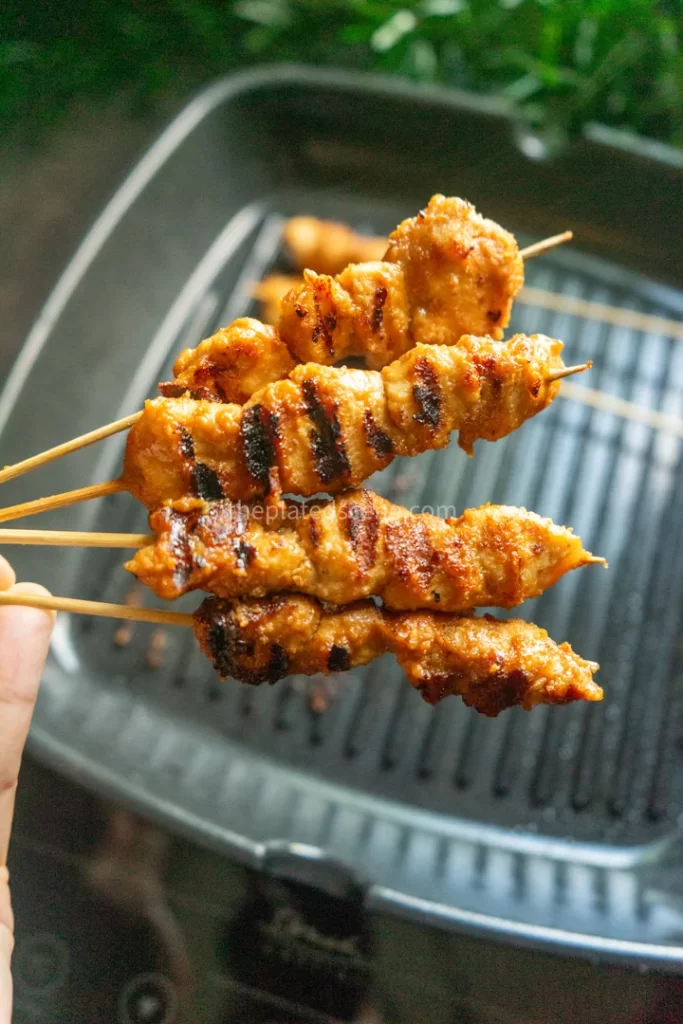
- Baste as you go – Use a brush to baste the skewers with leftover marinade while they cook. That’s how you get those sticky, caramelized edges.
- Taste and adjust – Depending on your peanut butter or roasted peanuts, the sauce might need more lime, sugar, or salt. Trust your palate.
- Soak your skewers – If using wooden ones, soak in water for 30 minutes before cooking to prevent them from burning.
- Ventilate your kitchen – Peanut and soy-based sauces love to smoke. Turn on your exhaust fan or crack open a window!
Storing Instructions
How to Store Chicken Satay
If you’ve grilled more skewers than you can eat in one sitting (which happens occasionally!), here’s how to keep your chicken satay fresh and delicious:
- Refrigerate:
- Let the grilled skewers cool completely.
- Place them in an airtight container or wrap in foil.
- Store in the fridge for up to 3 days.
- Freeze (optional):
- You can freeze the raw marinated chicken before grilling. Store in a zip-top freezer bag for up to 1 month.
- When ready to cook, thaw overnight in the fridge, skewer, and grill as usual.
- Grilled chicken can also be frozen, but the texture may not be as juicy when reheated.
- Reheating Tips:
- Reheat in a grill pan, skillet, or oven at 160°C (320°F) until heated through.
- If using a microwave, do so in short bursts (30–60 seconds), but expect a softer texture.
How to Store Peanut Sauce
The rich, nutty peanut sauce is just as important as the satay itself—and luckily, it stores beautifully.
- Refrigerate:
- Let the sauce cool completely.
- Transfer to an airtight jar or container.
- Store in the fridge for up to 5 days. It will thicken as it chills—totally normal.
- Freeze:
- Portion into small containers or silicone ice cube trays.
- Freeze for up to 1 month.
- Thaw overnight in the fridge before reheating.
- Reheating Tips:
- Warm gently over low heat on the stove or in the microwave.
- Add a splash of warm water or coconut milk to loosen it back to a smooth, pourable consistency.
Nutritional Value of Sate Ayam
Sate ayam is a flavorful dish that can easily fit into a balanced, health-conscious meal—especially if you’re using chicken breast, like I do. It’s lean, filling, and super satisfying thanks to the smoky grilled meat and that rich peanut sauce.
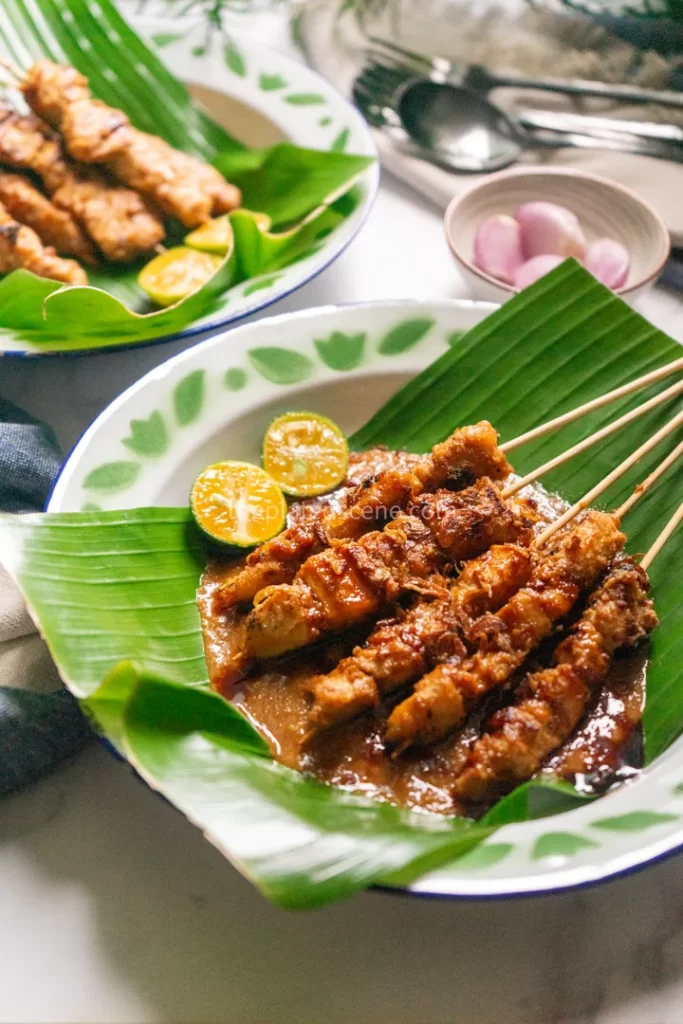
- Lean Protein Source. By using chicken breast, you’re getting a great source of high-quality protein with very little fat. It’s ideal if you’re aiming for a lighter, lower-calorie version of chicken satay while still keeping it flavorful and satisfying.
- Nutritious Peanut Sauce. The peanut sauce adds healthy fats and a creamy richness. While peanuts are calorie-dense, they’re full of monounsaturated fats (good for heart health), and also provide a bit of fiber and plant-based protein. If you’re watching your intake, you can always portion the sauce or swap in a light coconut milk base.
- Naturally Low in Carbs. Served on its own, sate ayam is naturally low in carbohydrates. Add rice cakes (lontong) or steamed jasmine rice if you’re looking for a complete meal, or go low-carb with a side of fresh salad or acar (pickled vegetables).
- Diet-Friendly and Customizable
- Gluten-free? Use gluten-free soy sauce or tamari.
- Dairy-free? This recipe contains no dairy.
- Sugar-conscious? Reduce or skip the palm sugar and kecap manis in the sauce, or use a low-sugar substitute.
Estimated per serving (2–3 skewers + 2 tbsp sauce):
Based on using skinless chicken breast and homemade peanut sauce with moderate sweetener.
- Calories: ~220–250 kcal
- Protein: ~25–28g
- Fat: ~10–12g
- Carbohydrates: ~6–8g
Sate Ayam Madura (Madura Chicken Satay): A Taste of Indonesian Streets from Home
2
servings30
minutes25
minutes55
minutesThis version of sate ayam brings together tender marinated chicken breast and a thick, flavorful peanut paste made from scratch. It’s easy to prepare at home—even with just a grill pan—and the results are rich, smoky, and deeply satisfying.
Keep the screen of your device on
Ingredients
- For the Peanut Paste
1 cup 150 g raw peanuts (kacang tanah) – fry until golden before blending
3 cloves 3 cloves garlic
1 oz 30 shallots – roughly 3 to 4 small shallots
1 large 1 large red chili – optional, for mild heat and color
1 teaspoon 1 tsp salt
0.5 teaspoon 1/2 tsp mushroom stock powder – or substitute with chicken/vegetable bouillon
0.25 cup 50 g packed palm sugar (gula jawa) – or use coconut sugar or brown sugar
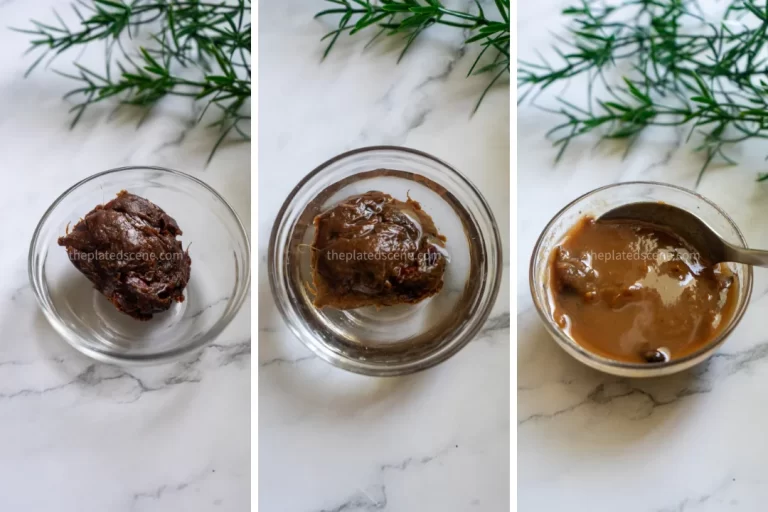
1.25 oz 40 g tamarind. create tamarind water by mixing it with 4 tablespoon water.
1 cup 236.59 ml water
Cooking oil – enough for frying the peanuts and aromatics, plus 1 tablespoon for sautéing the paste
- For the Chicken Satay
10 oz 250 g chicken breast – cut into bite-sized cubes
3 oz 75 g peanut paste – from the portion above
1 oz 25 g kecap manis (sweet soy sauce) – or a mix of soy sauce with a little molasses or brown sugar
Bamboo skewer sticks – soak in water for at least 30 minutes before grilling
- For the Peanut Sauce Drizzle (Serving Sauce)
1.5 oz 45 g peanut paste – from the portion above
0.5 oz 15 g kecap manis
2 teaspoons 10 g water – adjust for preferred consistency
- Optional Garnish
Fried shallots – for aroma and texture
Lime wedges – for a squeeze of brightness before serving
Thinly sliced raw shallots – for a fresh, crunchy finish
Directions
- Make the Peanut Paste
- Fry the aromatics
In a small pan, heat some cooking oil over medium heat. Add the raw peanuts (kacang tanah), garlic, shallots, and large red chili. Fry everything until the peanuts are golden and fully cooked through. Stir occasionally to prevent burning.
- Blend
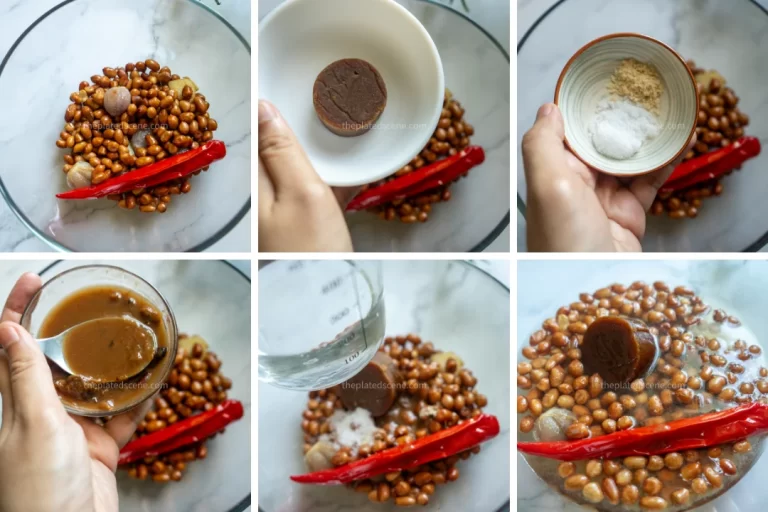
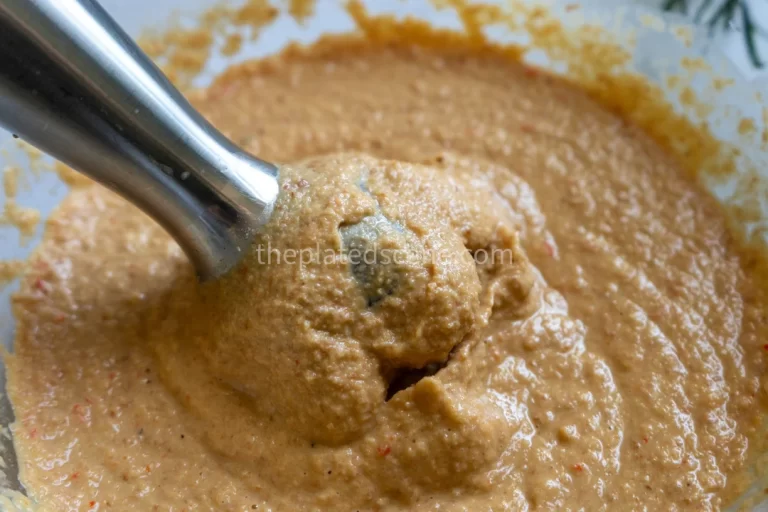
Drain the fried ingredients and transfer them to a blender or a bowl if using a hand blender. Add salt, mushroom stock powder, palm sugar (gula jawa), tamarind liquid (from diluted tamarind paste), and water. Blend until smooth. - Sauté the paste
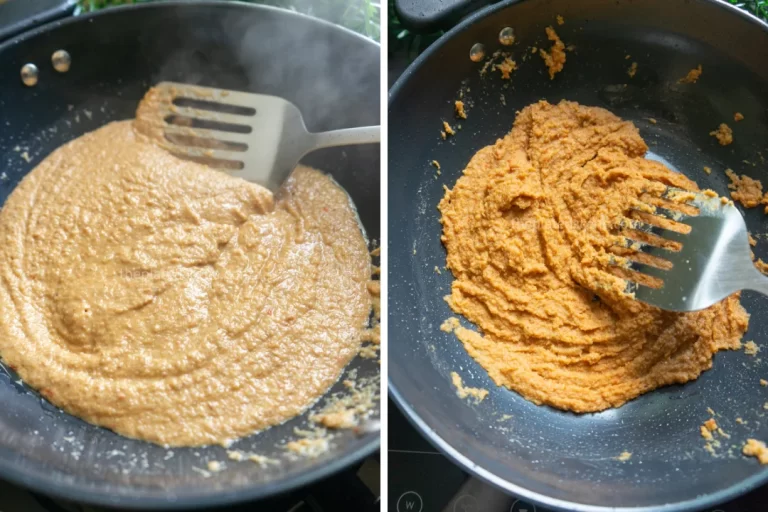
Transfer the blended mixture to a pan with about 1 tablespoon of oil. Cook over low heat, stirring regularly until the sauce thickens and turns a slightly deeper brown. The consistency should be thick and spreadable, like a paste. - Prepare and Marinate the Chicken
- Cut the chicken
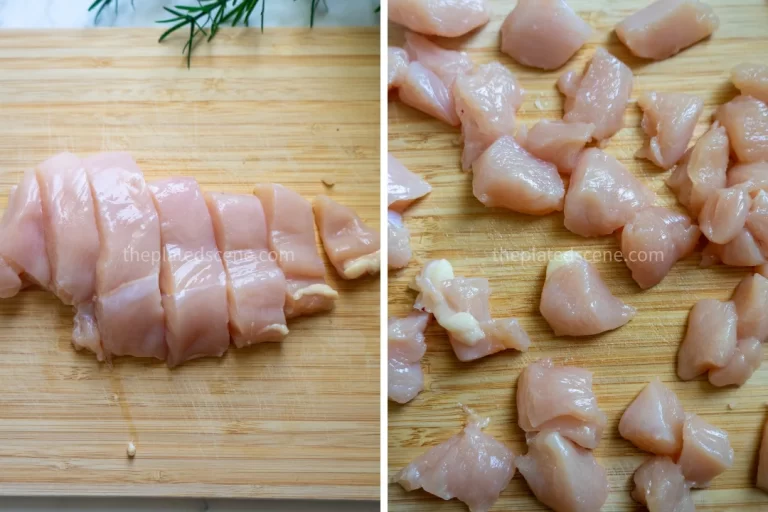
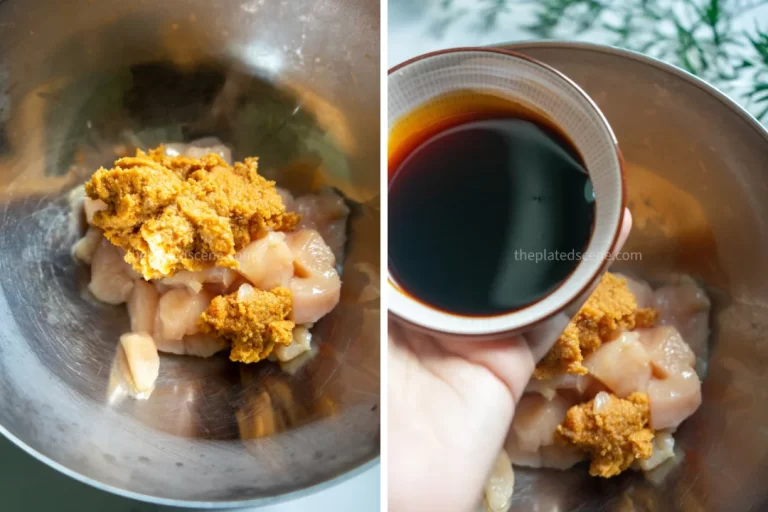
Slice boneless, skinless chicken breast into bite-sized cubes, as evenly as possible to ensure even cooking. - Mix the marinade
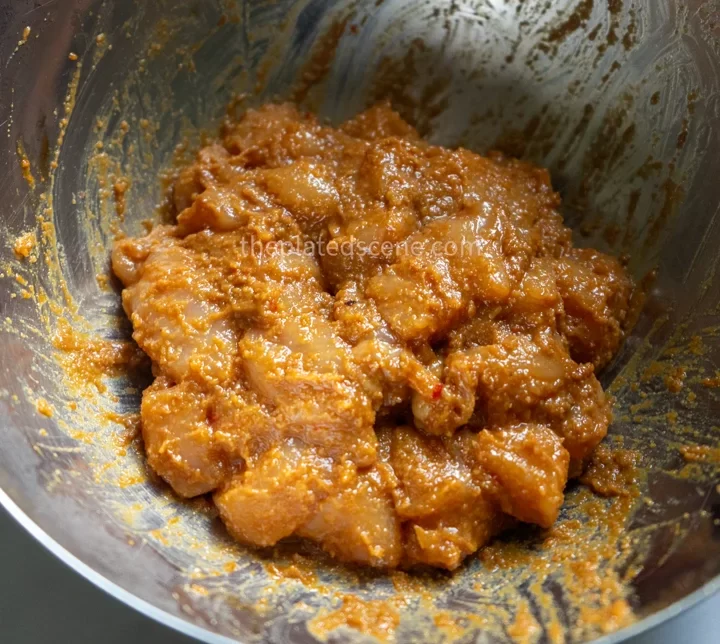
In a mixing bowl, combine the chicken with the peanut paste and kecap manis (sweet soy sauce) using a 10:3:1 ratio. For example:
250g chicken
75g peanut paste
25g kecap manis - Massage and marinate
Gently massage the mixture into the chicken until every piece is well-coated. Cover and marinate in the fridge for 15–30 minutes. If you have more time, marinating overnight will bring out even more flavor.
- Assemble and Grill
- Skewer the chicken
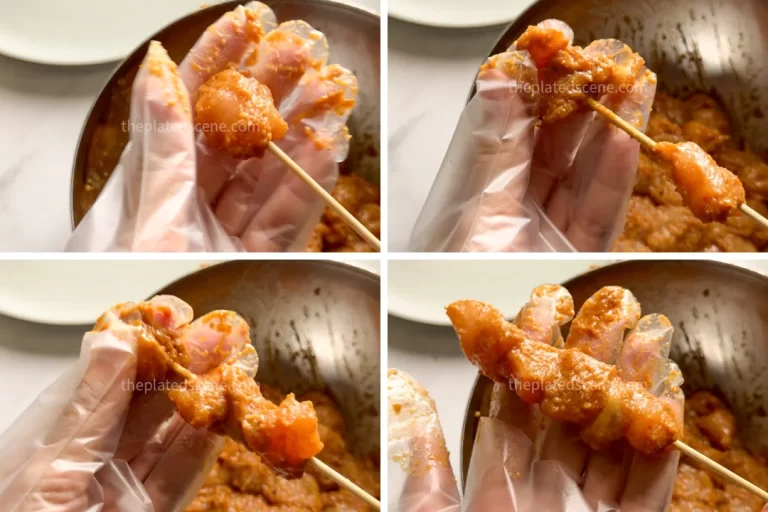
Thread the marinated chicken cubes onto soaked bamboo skewers. Aim for 4–5 pieces per stick, depending on size. - Grill
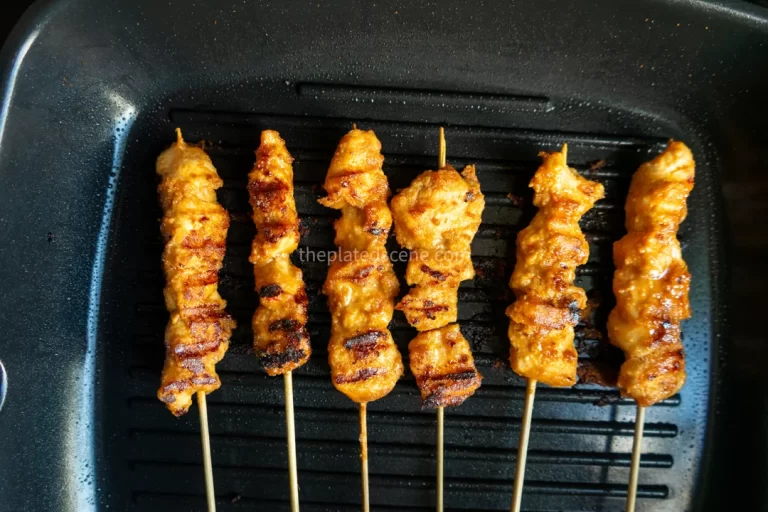
Heat a grill pan over low to medium heat. Once hot, place the skewers on the pan and grill, turning occasionally, until the chicken is fully cooked and slightly charred in spots. This usually takes about 6–10 minutes, depending on the thickness of the meat. - Make the Serving Sauce
- Make the peanut drizzle
To serve with the grilled chicken, mix together:
45g peanut paste
15g kecap manis
10ml water
Stir until smooth. You can adjust the sweetness or thin it out with more water depending on your preference. - Plate and Garnish
- Serve and enjoy
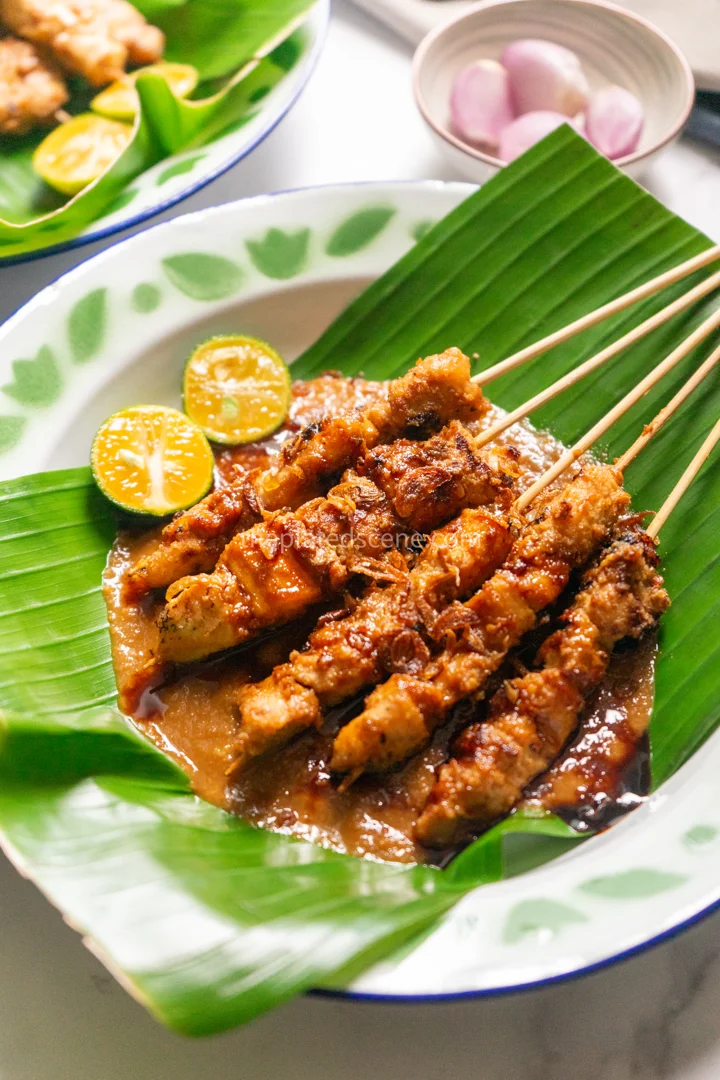
Spread the peanut sauce onto a serving plate, lay the grilled chicken skewers over it, and finish with a sprinkle of fried shallots. Garnish with a wedge of lime and some thinly sliced raw shallots for a fresh, tangy kick.


:%20A%20Taste%20of%20Indonesian%20Streets%20from%20Home)