

Adas, known in English as fennel seeds, are the gentle counterpoint to the deeper spices of Indonesian cooking. Crush them lightly, and their fragrance blooms immediately: sweet, cool, and floral, like a cross between licorice and fresh herbs. A small pinch can lift a heavy coconut curry or give herbal drinks a soft, calming aroma.
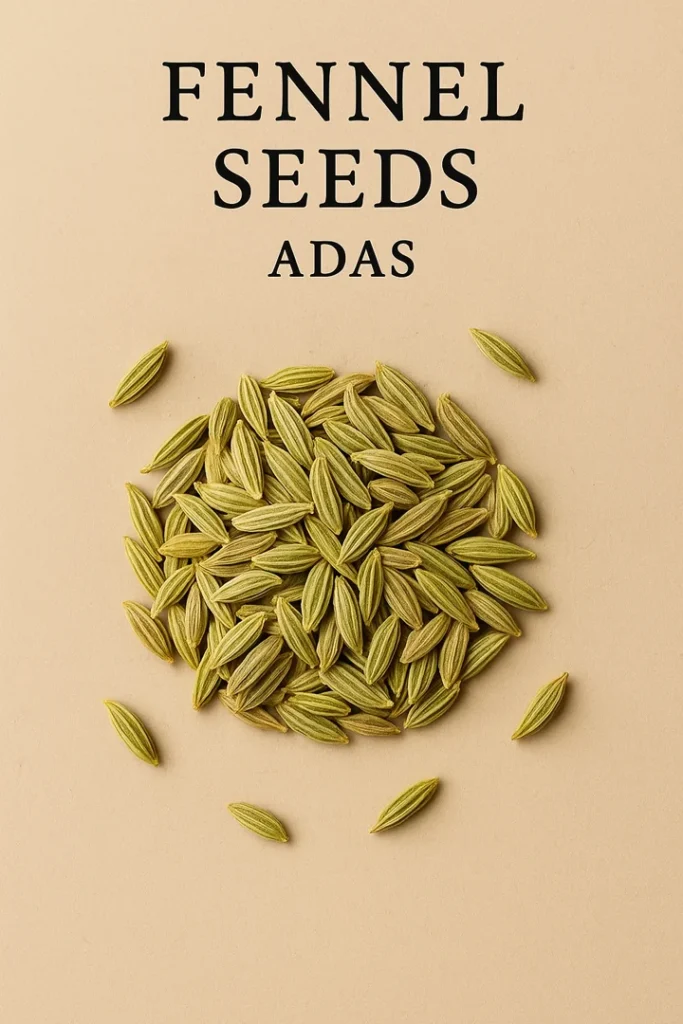
Table of Contents
What is Adas?
Adas comes from the Foeniculum vulgare plant, part of the carrot family. The seeds are pale green and slender with fine ridges along their surface. They are often confused with cumin or anise seeds, but fennel is sweeter, milder, and less smoky in flavor.
In Indonesia, adas is used both as a spice and as a medicinal herb. You will find it in certain bumbu dasar (spice pastes), herbal drinks such as jamu adas, and in the occasional dessert or sweet stew. Though used in smaller amounts than coriander or cumin, it plays a quiet but important role in balancing spice blends that might otherwise feel too heavy or intense.
Aroma and Flavor
The aroma of adas is sweet and fresh. When you rub the seeds between your fingers, the scent rises immediately: soft licorice, honey, and a touch of mint. Toasting brings out a deeper note of caramelized sugar while keeping that light herbal top note intact.
The flavor is smooth, mildly sweet, and slightly cooling. It starts with a gentle sweetness, like anise, and finishes with a clean, refreshing taste. In spice blends, adas softens strong spices such as clove and nutmeg. In drinks, it leaves a delicate sweetness that feels soothing on the throat.
Where cumin and coriander bring warmth and body, adas brings lift and balance. It is the final breath that rounds out a spice mixture and keeps the palate refreshed.
How It’s Used in Indonesian Cooking
Adas appears most often in Javanese and Sumatran recipes that favor layered spice blends. It also plays a role in traditional herbal and sweet preparations.
- Rendang and Gulai: Used in small amounts to lighten the spice mix.
- Opor and Kari Ayam: Adds gentle sweetness that balances coconut milk.
- Semur Daging: Blends with clove, nutmeg, and cinnamon for aromatic warmth.
- Jamu Adas and Wedang Uwuh: Infuses drinks with a soothing sweetness.
- Kolak and Sweet Soups: Occasionally used to add a mild fragrance.
Adas is often combined with cumin, coriander, and cinnamon, bringing a delicate contrast to their earthy tones.
Physical Comparison with Similar Spices
| Spice | Appearance | Flavor | Used For | Key Difference |
|---|---|---|---|---|
| Adas (Fennel Seed) | Pale green, thin seeds | Sweet, herbal, anise-like | Curries, drinks, desserts | Fresher and sweeter than cumin |
| Jinten (Cumin) | Thin, brown ridged seeds | Earthy, smoky, warm | Stews, spice pastes | Darker, more pungent |
| Biji Ketumbar (Coriander) | Round, light brown seeds | Citrusy, nutty | Fried foods, stews | Milder, less sweet |
| Kapulaga (Cardamom) | Small, oval pods | Floral, cool, citrusy | Stews, rice, drinks | More perfumed, less sweet |
| Bunga Lawang (Star Anise) | Star-shaped brown pod | Sweet, strong, licorice | Stews, drinks | Sharper and more intense |
Cooking Tips
- Toasting: Toast gently to release fragrance without burning. Over-toasting can make it taste bitter.
- Grinding: Use freshly ground fennel for spice pastes or desserts. Whole seeds are perfect for simmering in stews or drinks.
- Pairing: Combine with cinnamon, clove, and nutmeg for rich dishes, or with lemongrass and pandan for lighter preparations.
- Balance: Fennel’s sweetness can easily dominate, so use just a pinch for savory dishes.
- Storage: Keep whole seeds in an airtight jar away from light. They stay fragrant for up to a year.
If You Can’t Find It
Substitute with a small mix of anise seeds and a touch of star anise. The flavor will be stronger but similar in sweetness.
