

Gulai kale has become one of my favorite comfort foods—a modern twist on a beloved Indonesian classic that reminds me of home. For me, that comfort originally came from gulai daun singkong—a dish my mother used to make whenever I was home in Yogyakarta. It was humble yet rich, made with cassava leaves simmered in a coconut milk broth spiced with turmeric, galangal, and lemongrass. When I moved to Singapore and couldn’t find daun singkong, I started experimenting and eventually created my own version using kale. The result? A deeply flavorful gulai kale that captures the same earthy texture and soul-warming essence I grew up loving.
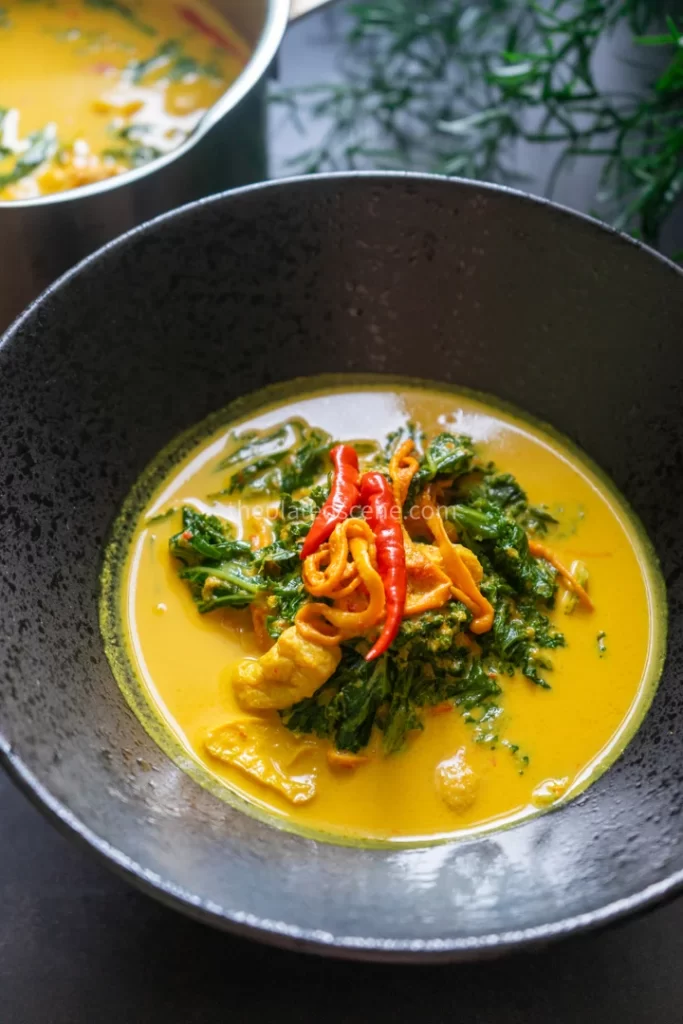
When I moved to Singapore, I searched high and low for fresh cassava leaves to recreate that same dish. Unfortunately, daun singkong is not something you can easily find at wet markets or even specialty grocers here. At first, I tried freezing imported ones, but they lost their texture. Then, while experimenting in my kitchen, I discovered that kale—not exactly Southeast Asian, but earthy and resilient—offered a surprisingly similar bite when cooked. That’s how my version of gulai kale was born.
It may not be what my mother made, but it captures the essence: the aroma, the warmth, the texture, the comfort. And now, it’s a staple in my kitchen—a way to stay connected to my roots while adapting to a new home.
Table of Contents
What Is Gulai?
Before we dive deeper into gulai kale, it’s worth understanding what gulai actually is. Think of it as the Indonesian answer to curry—but with its own distinct personality. Gulai refers to a rich, spiced dish made with coconut milk and a blend of local aromatics such as turmeric, coriander, galangal, lemongrass, garlic, and shallots. Unlike Indian curry, gulai is not heavy on dried spices but leans into the freshness of Southeast Asian ingredients and the richness of coconut cream.
You might be wondering how gulai differs from dishes like opor, lodeh, or terek. While all of them are coconut-milk-based, they each have their own nuances:
- Gulai is bold and intensely spiced, often reddish or yellow in color from turmeric and chili.
- Opor is more subtle and comforting, usually white or pale yellow, often flavored with candle nuts and mild spices.
- Lodeh is a vegetable stew in coconut milk, more brothy and less thick than gulai.
- Terek (sometimes spelled terik) is a less common variation, typically using fewer spices and often associated with East Javanese cuisine.
Gulai is arguably the most luxurious of the four—perfect for festive meals, Sunday lunches, or in this case, a hearty plant-based dinner
The Roots of Gulai Daun Singkong
Traditionally, gulai daun singkong (cassava leaf curry) is a staple in many parts of Indonesia, especially in Sumatra and West Java. The leaves of the cassava plant are surprisingly nutritious—rich in fiber, protein, and vitamins—and when slow-cooked, they soften into a tender green that soaks up flavor like a sponge.
In Padang cuisine, which is renowned for its bold, spice-heavy dishes, gulai daun singkong is often served as a side dish, sitting next to the more famous rendang or dendeng balado. The dish uses a rempah (spice paste) that’s ground fresh and sautéed until fragrant before being combined with coconut milk. Some regions add anchovies, smoked fish, or ground peanuts for extra depth.
In Java, my mother’s version was simpler but no less delicious. She would pound the spices by hand, using a stone mortar and pestle, then slow-cook the leaves in coconut milk until everything turned into a golden, glossy dish that begged for a plate of warm rice.
So, What Is Kale?
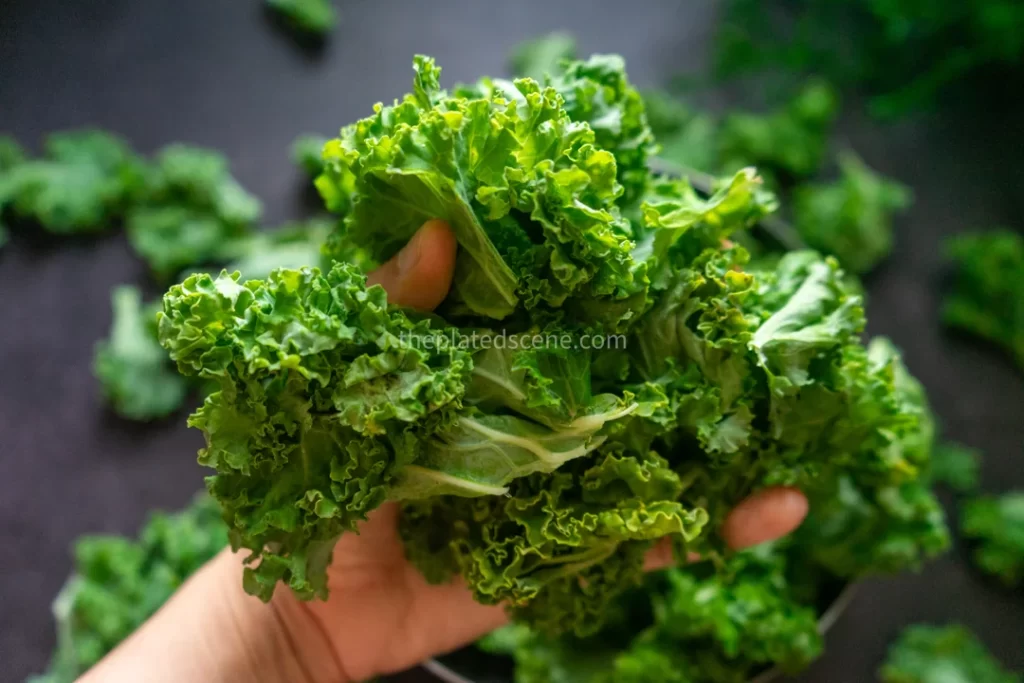
Kale might not have roots in Indonesian soil, but it plays an excellent substitute in this dish. It belongs to the Brassica family—just like cabbage, broccoli, and collard greens—and has a slightly bitter flavor with a fibrous texture that stands up well to long cooking times. Curly kale, lacinato (also called Tuscan or dinosaur kale), or even baby kale can be used depending on availability.
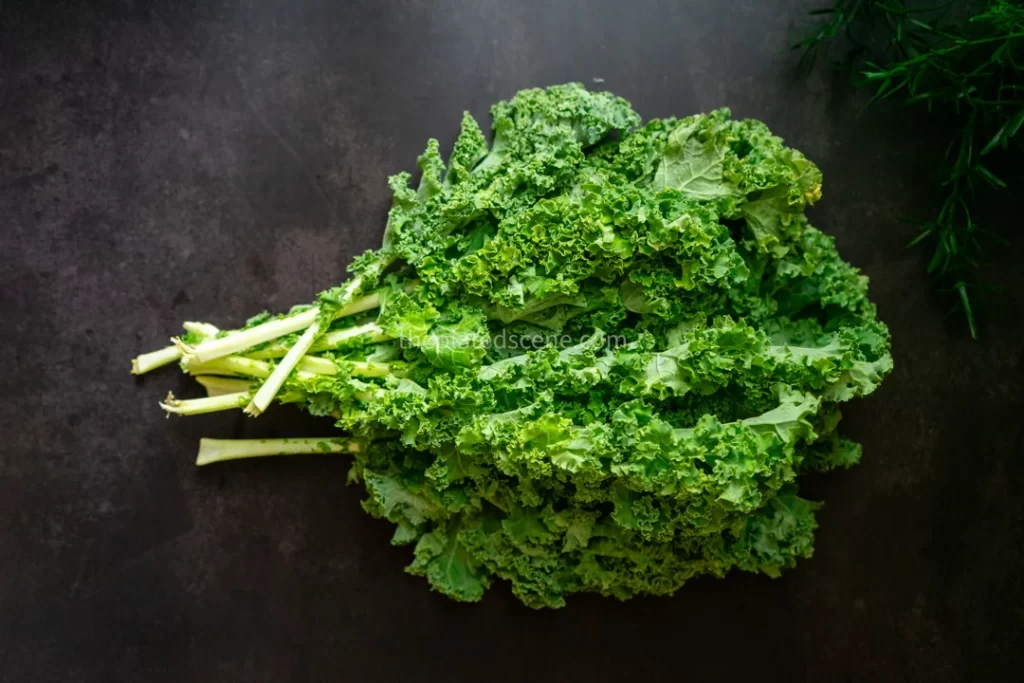
In Singapore, kale is increasingly easy to find in supermarkets, often sold pre-washed and trimmed. For gulai kale, I prefer using curly kale because its thicker leaves hold up beautifully against the rich coconut gravy. Once cooked, it loses its bitterness and takes on a mellow, slightly sweet flavor that mirrors the taste of daun singkong remarkably well.
So while purists might raise an eyebrow, I promise you—gulai kale brings together the best of both worlds: tradition and adaptation.
What Does Gulai Kale Taste Like?
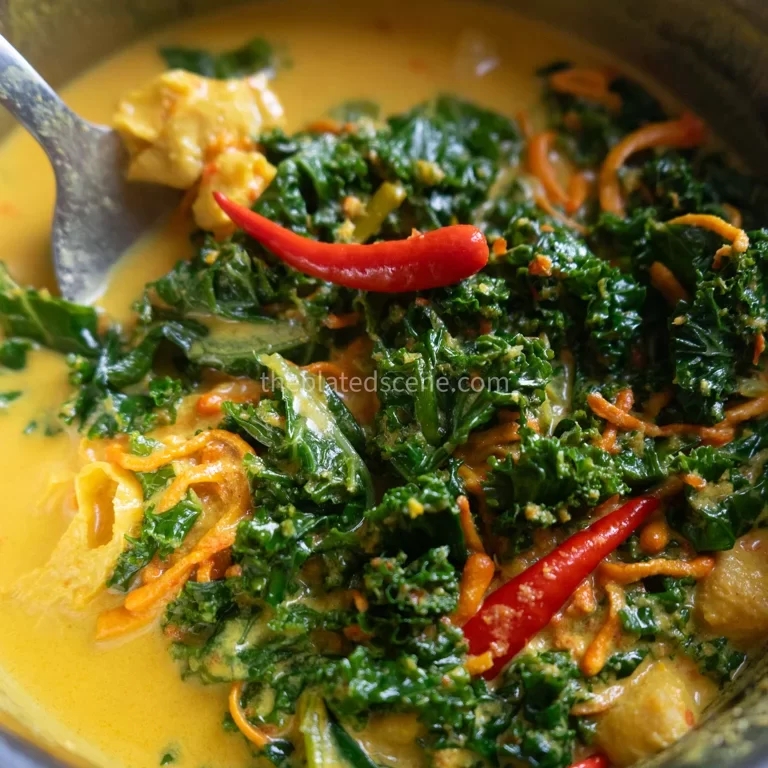
The first spoonful of gulai kale is an aromatic explosion—warm, spicy, and creamy. The kale provides a robust texture that contrasts beautifully with the silkiness of the coconut milk. The turmeric lends a golden hue and an earthy undertone, while galangal and lemongrass offer brightness and depth. You might taste the gentle heat from chili, the sweetness from shallots, and the umami boost from mushroom stock or tamari if you’re keeping it vegan.
This dish is deeply satisfying. It’s the kind of meal that doesn’t just fill you up—it nourishes you, grounds you, reminds you of something timeless. It’s hearty enough to stand alone but also pairs wonderfully with warm rice, tempeh, or even tofu bacem for a complete Indonesian-inspired meal.
While gulai kale is fully plant-based, it doesn’t compromise on flavor. It tastes just like something you’d find on a family table back home in Indonesia—just with a touch of global fusion.
What Are Cordyceps Mushrooms?
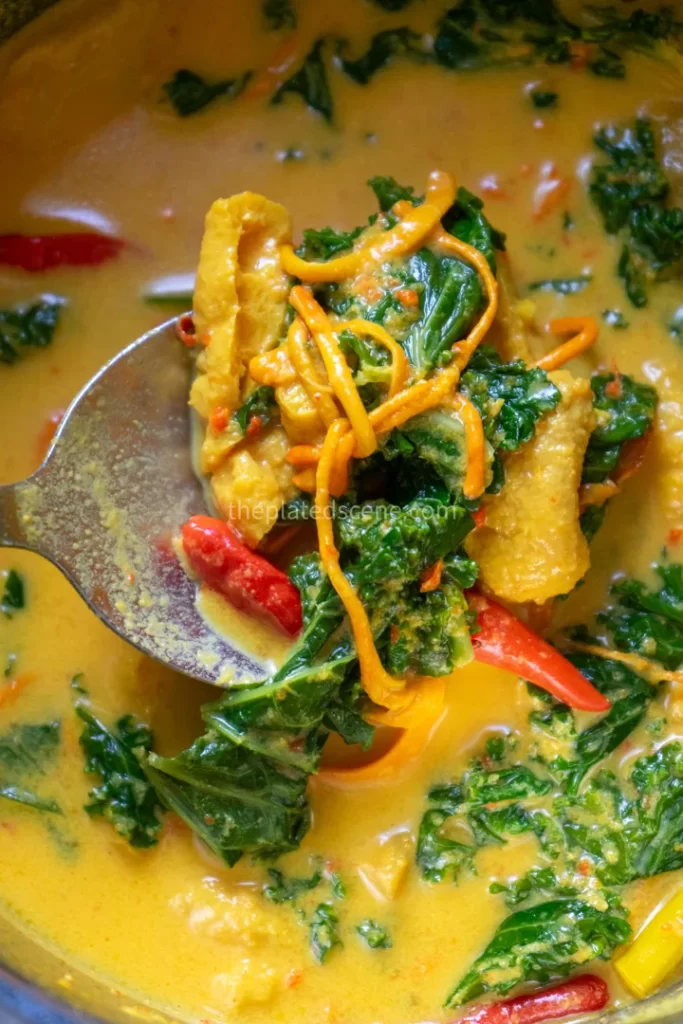
Cordyceps mushrooms are a type of functional fungi known for their meaty texture and earthy flavor. In this recipe, we’re using culinary cordyceps, often labeled as cordyceps militaris—bright orange, caterpillar-shaped mushrooms that are cultivated and completely plant-based (unlike the wild varieties traditionally grown on insects).
They’re prized in both traditional Chinese and modern herbal medicine for their potential health benefits, including supporting energy, immunity, and endurance. But beyond health, what makes cordyceps mushrooms a great choice for gulai kale is their chewy texture and deep umami, which mimics the satisfying bite of meat or offal in traditional Indonesian gulai.
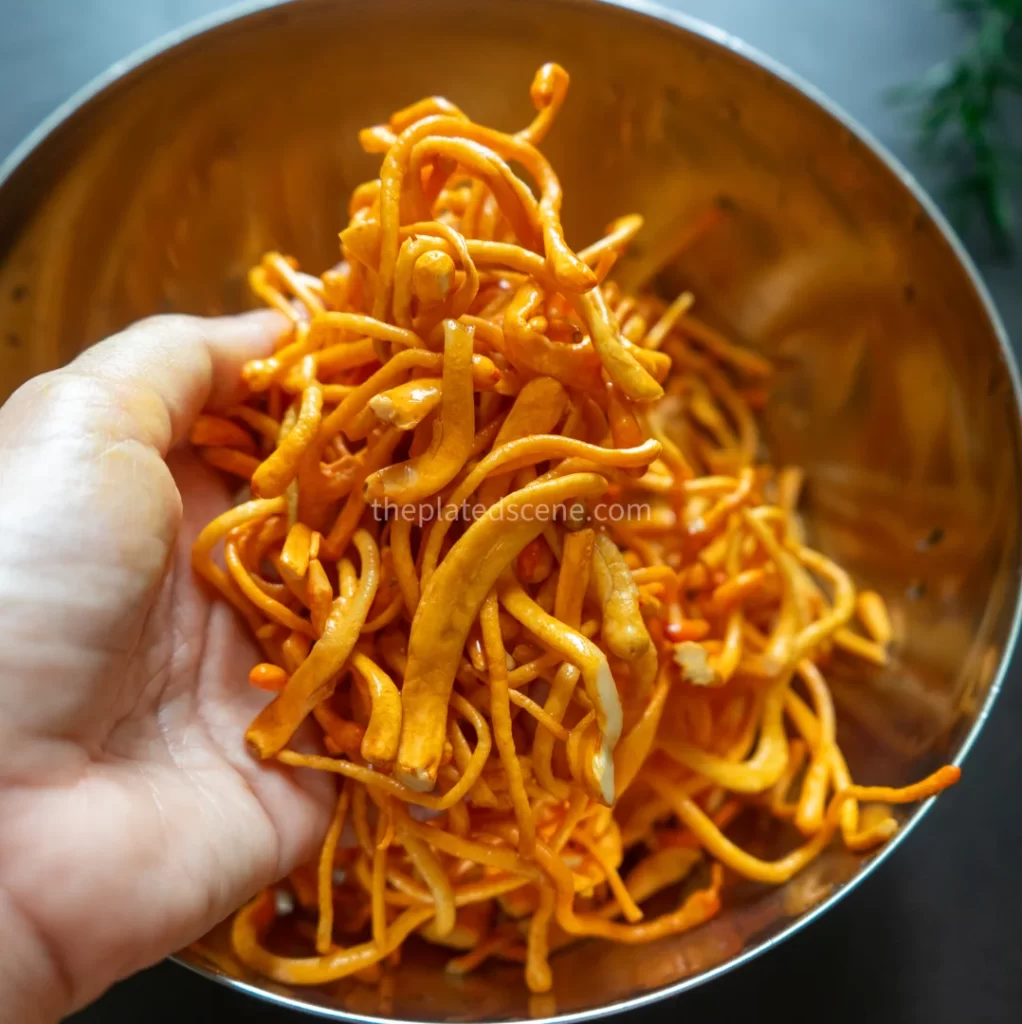
Where to find them: In Singapore and many Asian countries, you can often find cordyceps mushrooms in wet markets, Chinese herbal stores, or supermarkets with a well-stocked mushroom section. If unavailable, feel free to substitute with oyster mushrooms, shiitake, or king trumpet mushrooms—all of which hold up well in coconut curries.
Tip: Always give cordyceps a quick rinse and trim the tough ends before adding them to your dish.
Exploring the Many Faces of Gulai
Indonesian cuisine is incredibly diverse, and gulai comes in many variations depending on the region and ingredients available. Some of the more well-known types include:
- Gulai Ayam – Chicken curry, often seen in Javanese or Padang feasts.
- Gulai Kambing – A rich, gamey goat curry often served at weddings.
- Gulai Ikan – Fish gulai, typically made with freshwater catfish or snapper.
- Gulai Nangka – Unripe jackfruit gulai, especially popular in Padang cuisine.
- Gulai Cumi Isi – Stuffed squid in coconut curry, usually a festive dish.
- Gulai Tunjang – Tendon or beef foot gulai, gelatinous and deeply savory.
Each gulai carries its own personality and regional story, but the common thread is the luscious, coconut-based gravy. With gulai kale, we’re adding another variation to this tapestry—one that’s plant-based, modern, and accessible to home cooks outside Indonesia.
It’s proof that you can take the soul of a dish and reinterpret it while still honoring its roots.
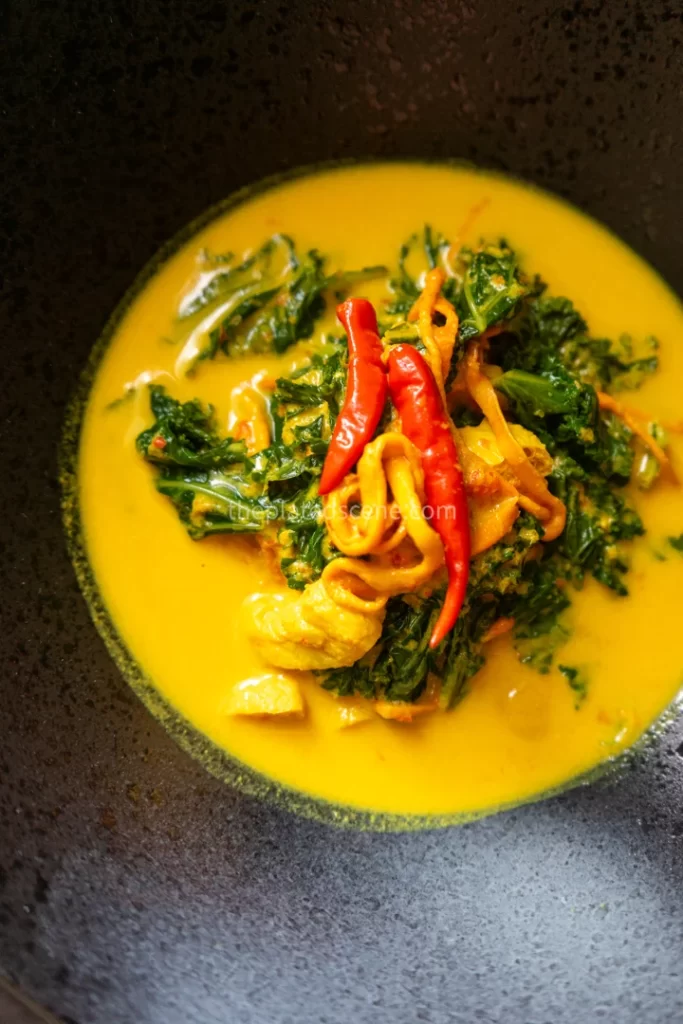
Things to Watch Out for When Making Gulai Kale
Making gulai kale is not difficult, but a few key things can make or break the dish. Here are some tips to ensure it turns out beautifully every time:
- Don’t Rush the Rempah
The spice paste is the heart of this dish. Whether you use a mortar and pestle or a blender, take time to sauté it properly. The spices need to be cooked until the oil separates and the aroma becomes nutty and sweet. This step builds depth and prevents the raw spice flavor from dominating. - Choose the Right Kale
While all kale varieties work, curly kale tends to give the best results. Make sure to remove the thick stems and chop the leaves into bite-sized pieces. Massage them lightly if they feel too tough—this helps soften them faster during cooking. - Use Full-Fat Coconut Milk
Don’t skimp here. Light coconut milk might seem like a healthier option, but it lacks the creaminess and richness that makes gulai so special. If you want to control fat, use less oil for sautéing but keep the full-fat coconut milk intact. - Balance the Flavors
Traditional gulai includes salt, sugar, and sometimes a sour element like tamarind or asam gelugur. For vegan gulai kale, you can adjust with a bit of lime juice or rice vinegar at the end for brightness. - Let It Sit
Like most curries, gulai kale tastes even better the next day. The flavors meld together, and the kale soaks up more of that golden gravy. Make a big batch and reheat it gently—you’ll thank yourself tomorrow. - Adjust for Spice Tolerance
If you’re sensitive to heat, go easy on the chili. You can always add more later. If you love spice, blend in some bird’s eye chilies for a kick.
Ingredients for Gulai Kale
To make a flavorful and comforting gulai kale, you’ll need a blend of aromatics, creamy coconut milk, and hearty plant-based add-ins. Here’s what goes into this dish:
Main Ingredients
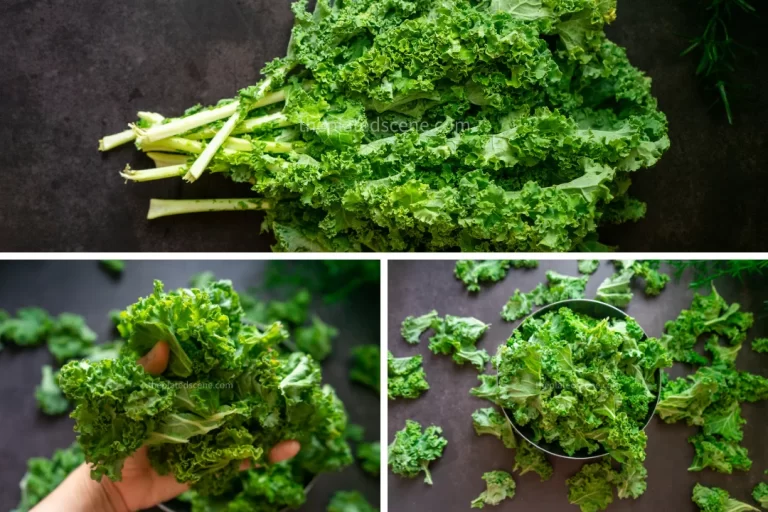
- Kale – The star of this gulai kale. Use curly kale or lacinato (dinosaur kale) for best texture. Strip the stems and roughly chop the leaves.
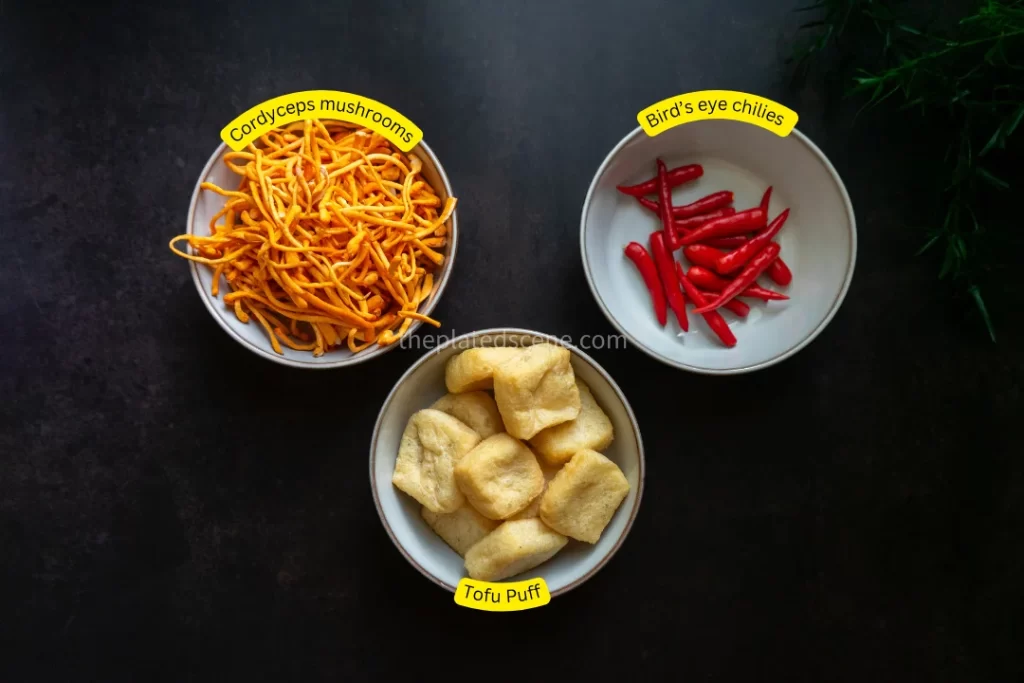
- Tofu puffs – Absorb the curry well and add protein. Can be replaced with firm tofu or tempeh if preferred.
- Fresh red chilies – Sliced for garnish and added heat. Adjust to taste.
- Cordyceps mushrooms – Add a chewy, meat-like texture. Substitute with oyster mushrooms or shiitake for a similar result.
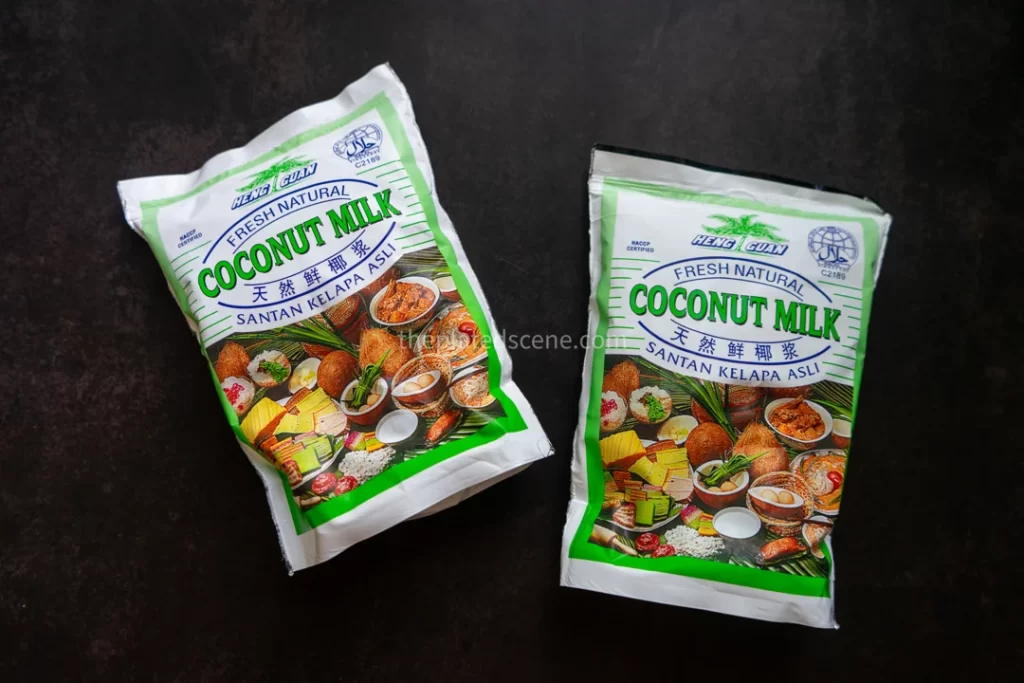
- Thick coconut milk – Use good-quality canned or boxed coconut milk for a rich and creamy broth. Avoid light versions for best flavor.
Blended ingredients (rempah)
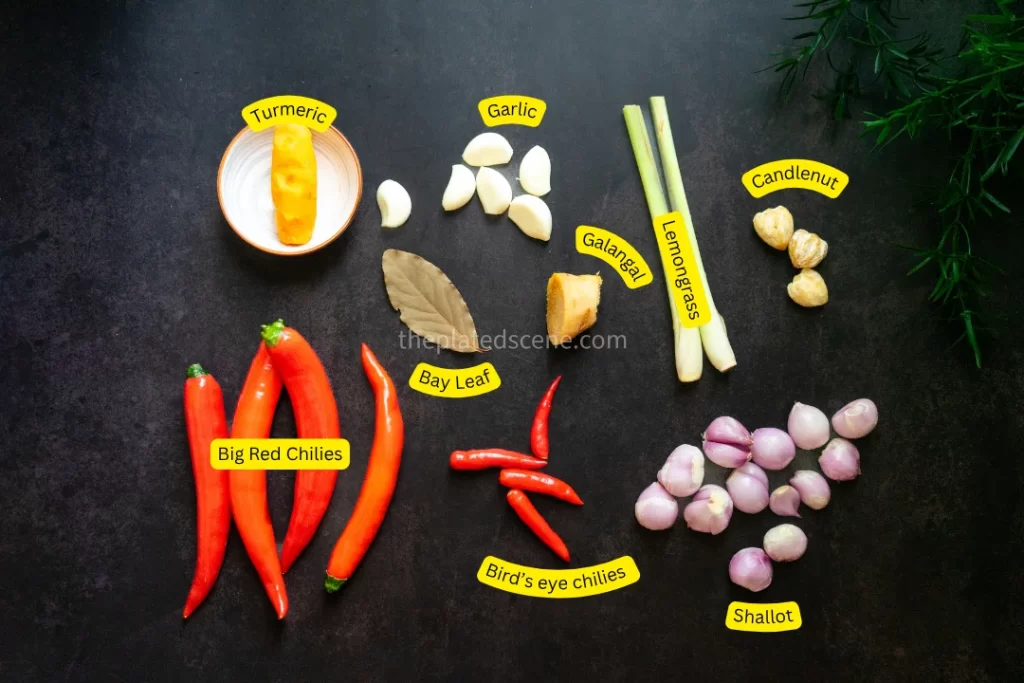
These ingredients form the fragrant spice base. Blend them until smooth before cooking:
- Shallots – Use about 10–12 small Asian shallots for their natural sweetness and aroma. Substitute with half the amount of red onion if unavailable.
- Garlic – Adds pungency and depth. No substitution recommended.
- Big red chilies – These give color and a mild kick without overwhelming heat. You can adjust based on your spice tolerance.
- Bird’s eye chilies (chili padi) – For heat. Reduce or omit if you prefer a milder gulai kale.
- Candlenuts – Provide body and creaminess to the spice paste. Substitute with macadamia nuts or leave out if unavailable.
- Fresh turmeric – Gives the dish its signature golden color and earthy flavor. Substitute with turmeric powder (about 1 tsp per 5 cm of fresh turmeric) if needed.
Other ingredients
- Lemongrass – Lightly bruised to release flavor. Adds citrusy brightness.
- Galangal – Provides a peppery, slightly piney note. Substitute with ginger if unavailable, but the flavor will be slightly different.
- Bay leaf – Traditionally used in Indonesian gulai. Can be omitted, especially for a simpler profile.
- Salt – Enhances and balances the flavors.
- Sugar – Adds a touch of sweetness to round out the spice. Palm sugar or coconut sugar can also be used for a deeper taste.
- Mushroom stock powder – A plant-based umami booster. Substitute with vegetarian bouillon or a splash of soy sauce if needed.
- Coriander seed powder – Adds warmth and complexity to the spice blend.
- Ground pepper – Balances the sweetness and lifts the aromatics.
Storing Instructions
Gulai kale keeps well and actually tastes better the next day as the spices continue to deepen in flavor. Here’s how you can store and reheat it, both in modern and traditional ways:
- Refrigerator: Allow the gulai kale to cool completely before transferring it to an airtight container. Store in the fridge for up to 4 days. Reheat on the stove over low heat, stirring occasionally. If the gravy has thickened, add a splash of water or coconut milk to loosen it up.
- Freezer: For longer storage, portion the gulai kale into freezer-safe containers or zip-top bags. Freeze for up to 2 months. Thaw overnight in the refrigerator before reheating.
- Traditional Method – Reheat at Night and Morning: In many Indonesian households without refrigeration, gulai and other coconut-based dishes are reheated twice daily to keep them from spoiling. If you plan to keep gulai kale at room temperature for short-term use (up to 1–2 days), reheat it thoroughly at night before bed and again in the morning until it reaches a full simmer. This method helps prevent the coconut milk from turning sour and allows the dish to stay safe to eat without refrigeration.
Tip: If using the traditional reheating method, always use a clean spoon when serving and avoid introducing moisture or contaminants into the pot to keep the gulai fresh longer.
Nutritional Value (Per Serving, Estimated)
Here’s the approximate nutritional breakdown for one serving of vegan gulai kale (based on a batch serving 4):
- Calories: 210 kcal
- Protein: 3–4 g
- Fat: 18 g
- Carbohydrates: 9–11 g
- Fiber: 3–4 g
- Sugar: 3 g
- Sodium: 380 mg
- Vitamin A: 110% DV
- Vitamin C: 60% DV
- Calcium: 15% DV
- Iron: 10% DV
These values may vary depending on the type of coconut milk, oil, and kale used. Despite being rich and creamy, gulai kale is nutrient-dense, especially high in antioxidants and fat-soluble vitamins thanks to the kale and coconut milk combo.
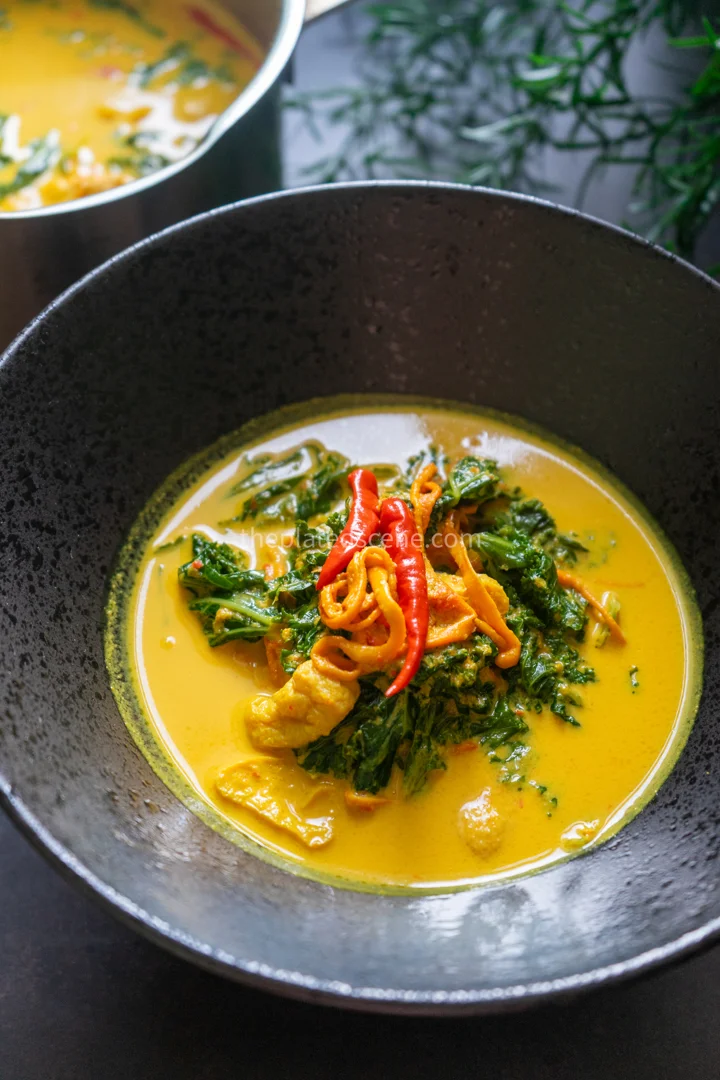
Vegan Gulai Kale (Indonesian Kale Curry)
5
servings25
minutes25
minutes50
minutesKeep the screen of your device on
Ingredients
- Blended spice paste (rempah)
2.5 oz 70 g shallots (about 10–12 small pieces)
6 cloves 6 cloves garlic
4 large 4 large red chilies
4 4 bird’s eye chilies (chili padi), optional
3 3 candlenuts (or substitute with macadamia nuts)
1 oz 30 g fresh turmeric (about 2 inches), or 1 tsp turmeric powder
1.5 tbsp 1 1/2 tbsp neutral oil (for blending)
- Main ingredients
10.5 oz 300 g kale – stems removed, leaves roughly chopped (about 1 medium bunch)
4.25 oz 120 g cordyceps mushrooms – or use oyster or shiitake mushrooms
2.25 oz 65 g tofu puffs (about 10 pieces) – substitute with firm tofu or tempeh
15 15 fresh red chilies – sliced, for heat and garnish
- Liquid and aromatics
2 cups 500 ml thick coconut milk – full-fat recommended
4.25 cups 1 l water – for simmering
1-2 stalks 1-2 stalks –2 stalks lemongrass – bruised
0.5 oz 20 g galangal (about ¾ inch) – lightly smashed
1 1 bay leaf – optional
- Seasonings and oil
2 tsp 2 salt (or to taste)
2 tsp 2 tsp sugar – preferably palm or coconut sugar
1 tsp 1 tsp mushroom stock powder – or use vegetarian bouillon
1 tbsp 1 tbsp ground coriander seed
0.5 tsp 1/2 tsp ground black pepper
2-3 tbsp 2-3 cooking oil – for sautéing the spice paste
Directions
- Prepare the kale and tofu
Start by removing the kale leaves from the fibrous central stems. The stems don’t soften well in curry and can be unpleasantly chewy. Tear the leaves into large, spoon-sized pieces—don’t chop too finely, as the leaves will shrink during cooking. Wash thoroughly in cold water to remove grit, then let them drain in a colander.
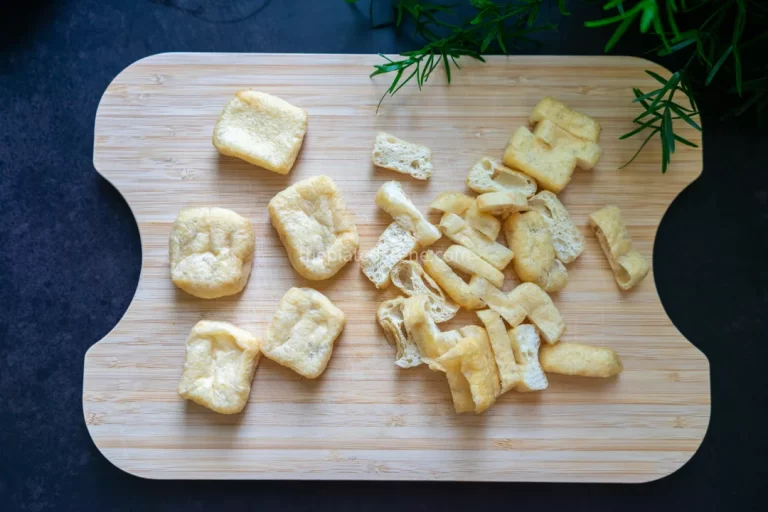
For tofu puffs, rinse them under hot water to remove excess surface oil from frying, which also helps them better absorb the curry later. Gently squeeze to remove water, then set aside. If using firm tofu or tempeh as a substitute, cut into cubes and pan-fry until lightly golden for texture.
Expert tip: Massaging tougher kale varieties (like curly kale) for a minute or two can break down some fibers and reduce bitterness. This creates a more tender final texture while helping the kale absorb the curry flavor better.
- Make the spice paste (rempah)
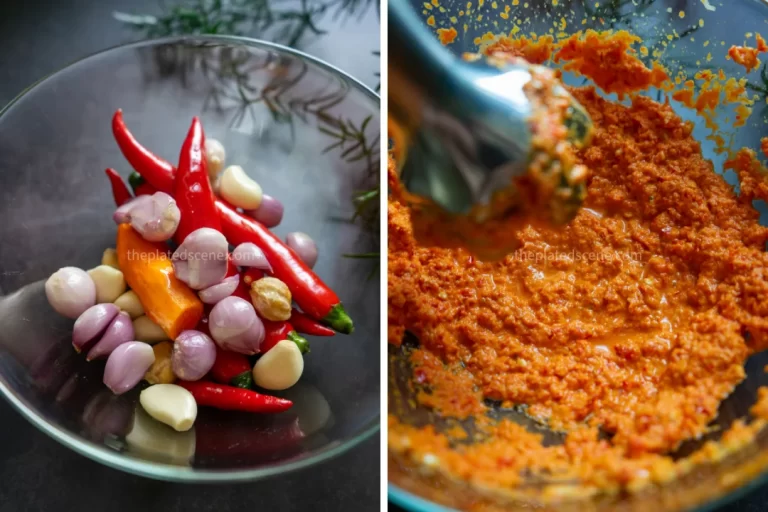
Blend the shallots, garlic, red chilies, bird’s eye chilies, candlenuts, and fresh turmeric into a smooth, thick paste. Use 1–2 tablespoons of neutral oil (such as canola or sunflower) to help the blades move easily and avoid the need for added water.
If you’re using an immersion blender, roughly chop the ingredients first and place them in a tall container or jug. Add the oil and blend using short pulses in an up-and-down motion until the mixture becomes a thick, even paste.
Expert tip: Using oil instead of water not only improves the texture of the rempah but also allows it to fry properly later without spattering. Candlenuts provide creaminess, and turmeric adds a golden hue and earthy depth—don’t skip these. - Sauté the spices and aromatics
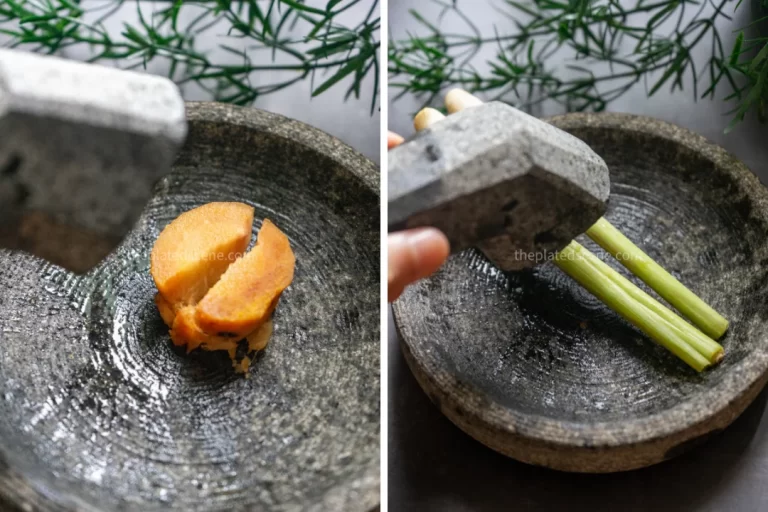
Heat 2–3 tablespoons of cooking oil in a large, heavy-bottomed pot over medium heat. While waiting, bruise the galangal and lemongrass by hitting them with the back of a knife or a pestle—this helps release their aromatic oils into the curry.
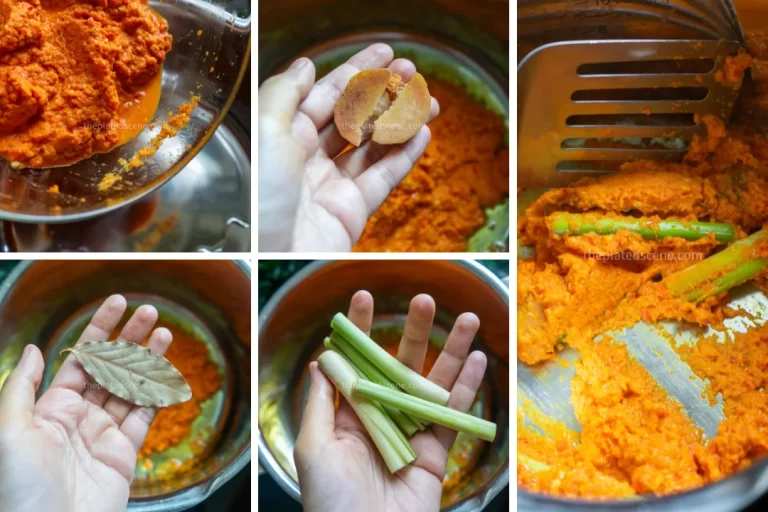
Add the blended spice paste to the hot oil, followed by the bruised galangal, bruised lemongrass (either tied into a knot or cut into two shorter pieces), and the bay leaf if using. Stir continuously and sauté for 7–10 minutes, or until the mixture darkens slightly, smells fragrant, and the oil begins to separate from the paste (this stage is known as tumis sampai matang in Indonesian cooking).
Expert tip: This stage is crucial—undercooked rempah can leave the dish tasting raw. Keep the heat moderate and stir constantly to prevent burning. Your kitchen should smell deeply aromatic with notes of chili, garlic, and galangal. - Add water and simmer
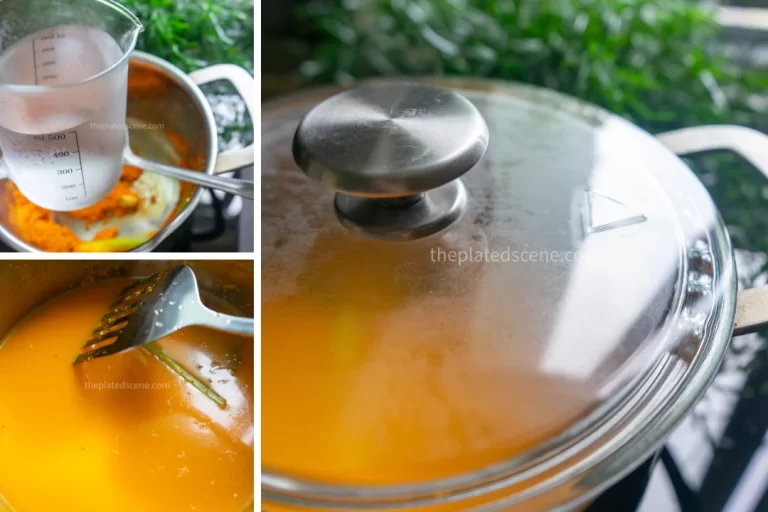
Once the rempah is properly cooked, pour in about 4¼ cups (1 liter) of water. Stir everything to combine, then close the lid and allow it to simmer for 10–15 minutes.
This gives the spices time to infuse the broth and ensures that the harsher raw notes from the chilies and shallots are fully cooked out. It also begins to soften the lemongrass and galangal, allowing their flavors to deepen the broth.
Expert tip: Keep the heat medium-low and allow gentle bubbling. If you notice froth forming on top, skim it off with a spoon for a cleaner-tasting broth. - Add coconut milk and seasonings
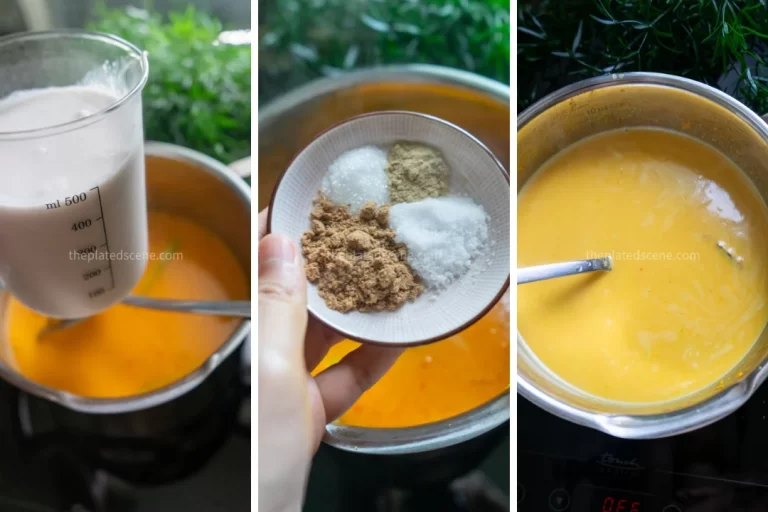
Reduce the heat to low and add the thick coconut milk. Stir gently and continuously until it fully incorporates into the broth. Then add the salt, sugar, mushroom stock powder, ground coriander, and black pepper.
Continue stirring as the curry simmers gently. The broth will start to thicken and take on a beautiful golden color from the turmeric and chili oils.
Expert tip: Never allow coconut milk to boil rapidly—it can break and curdle, resulting in a grainy texture. Keep the pot uncovered or partially covered and stir gently every few minutes to maintain a silky consistency. - Add kale, tofu, cordyceps mushrooms, and red chilies
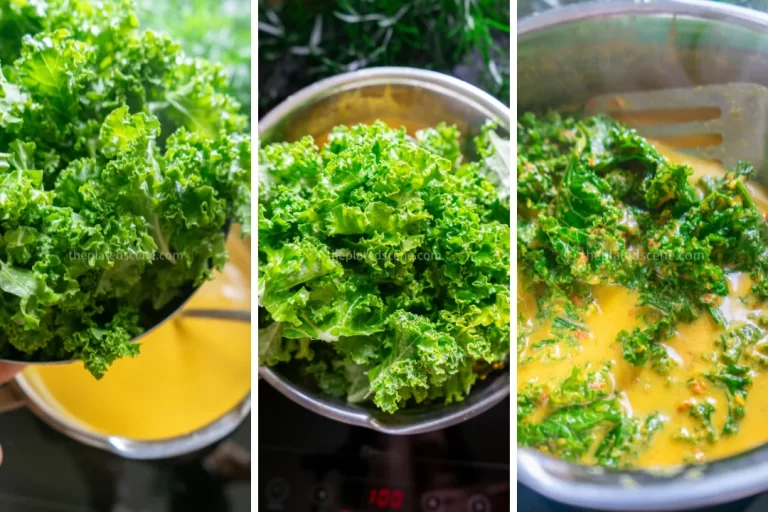
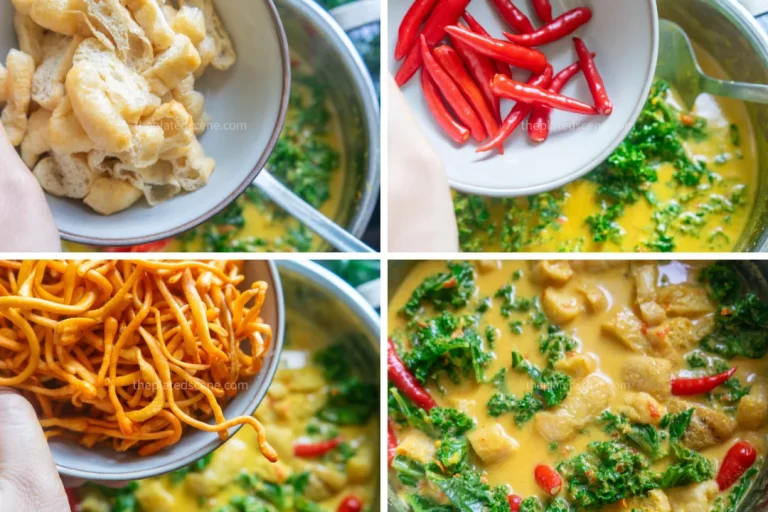
Begin adding the kale a handful at a time, stirring as you go to help it wilt down. Once all the kale is added and submerged, add the tofu puffs, cordyceps mushrooms, and sliced red chilies.
Let the mixture simmer uncovered for another 10–15 minutes, or until the kale is fully tender and the tofu and mushrooms have soaked up the richly spiced broth.
Expert tip: Cordyceps mushrooms have a chewy, meaty texture and hold up well in curry. If substituting with shiitake or oyster mushrooms, slice thickly to retain bite. The tofu puffs will absorb the gulai flavor beautifully—press them lightly with your spoon to help them soak up the gravy. - Serve
Before serving, remove the lemongrass stalks, galangal, and bay leaf. Ladle the hot gulai kale into bowls or over steamed white rice.
Optional garnishes: A sprinkle of fried shallots, a spoonful of sambal, or even a squeeze of lime juice can enhance the dish’s brightness.
Storage tip: Gulai kale tastes even better the next day. Store in an airtight container in the fridge for up to 4 days, or freeze for up to 2 months. Reheat gently over low heat, stirring occasionally and adding a splash of water or coconut milk to restore consistency.

)