
Gulai Ayam has always been a dish close to my heart, not just for its rich, comforting flavor, but for the memories it carries from my childhood. I was raised in a Catholic household, but like many families in Indonesia, mine is a beautiful blend of diverse traditions. My maternal grandmother is Muslim, and every year during Hari Raya Idul Fitri—or Lebaran, as we often call it—our home would be filled with a festive spirit and, more importantly, the comforting smell of home-cooked meals. While many families prepared Opor Ayam, a classic dish made with chicken in white coconut gravy, my grandmother would always prepare Gulai Ayam instead.

Her version of Gulai Ayam was richer, spicier, and more layered than any other dish on the table. I still remember standing in the kitchen, watching her stir the bubbling pot with care, the scent of turmeric, lemongrass, and coconut milk wafting through the air. That pot of Gulai Ayam wasn’t just food—it was her way of bringing everyone together, no matter their background. Over time, I grew to understand that Gulai Ayam wasn’t simply her alternative to opor ayam; it was her identity, her culture, and a flavor memory that bridged the gap between generations and religions.
Table of Contents
A Brief History of Gulai Ayam
The dish we know today as Gulai Ayam has roots that stretch across centuries and regions. Gulai itself is a style of curry that evolved during the spread of Indian culinary influence across the Indonesian archipelago, particularly in Sumatra. The Minangkabau people of West Sumatra, known for their rich and complex cuisine, played a major role in developing this genre of Indonesian curry.
Gulai Ayam specifically refers to a chicken-based version of gulai, and while its base elements—turmeric, chili, galangal, lemongrass, and coconut milk—are typical across many gulai types, the way it’s prepared can vary widely depending on the region. The recipe likely adapted from Indian and Middle Eastern spice blends during the trade era, merging beautifully with the local ingredients and culinary traditions of the Indonesian islands.
Today, Gulai Ayam is enjoyed not just in West Sumatra but across the country, from Aceh to Java to Sulawesi, each bringing its own interpretation to the table.

Gulai vs Other Indonesian Curries
When we talk about Indonesian curries, there are a few staples that often get mentioned—Opor Ayam, Kari Ayam, Rendang, and of course, Gulai. Each has its unique taste, color, and cultural significance. What makes Gulai Ayam stand out from other curries is its deep golden color and the boldness of its spices.
Unlike Opor Ayam, which uses white coconut milk without chili and has a more subdued flavor, Gulai Ayam is unapologetically vibrant and spicy. The turmeric gives it a rich yellow hue, while red chilies bring a gentle to medium heat, depending on preference. Kari Ayam (chicken curry), which also borrows from Indian influence, tends to have a stronger note of cumin and coriander and is often made with a curry powder base. Meanwhile, Rendang, although from the same Minangkabau culinary tradition, is a dry curry that’s cooked much longer until the liquid evaporates and the meat caramelizes.
In comparison, Gulai Ayam maintains a saucy consistency, perfect for spooning over warm rice or soaking up with soft bread.
Gulai in Nasi Padang
To talk about Gulai Ayam without mentioning Nasi Padang would be an injustice. In a typical Padang restaurant, diners are greeted with an overwhelming selection of pre-cooked dishes stacked in small plates—an edible showcase of Minangkabau culinary excellence. Among the array of rendang, sambal, fried fish, and vegetables, Gulai Ayam is a comforting, familiar presence.
Its golden sauce, thick with coconut milk and spices, sits like liquid gold on the plate. Usually, the chicken is simmered until incredibly tender, and the flavors of lemongrass, garlic, shallots, and turmeric seep deep into the meat. Even after traveling far from West Sumatra, Gulai Ayam has remained a defining feature of Nasi Padang. It’s the kind of dish that makes you want to drench your entire plate of rice in sauce.
What Does Gulai Ayam Taste Like?
Imagine a dish where every spoonful tells a story—where sweet, savory, spicy, and creamy coexist in perfect balance. That’s Gulai Ayam. The first flavor that usually hits your tongue is the warmth of turmeric and galangal, followed by the creaminess of coconut milk. Then comes the gentle heat of red chilies, balanced with the tang of tamarind or lime leaves, and the earthy undertone of coriander and cumin.
The chicken, typically simmered for a long time in the aromatic broth, becomes incredibly juicy and tender. The richness of the sauce makes it feel indulgent, yet the fresh spices keep it from being too heavy. It’s the kind of dish that warms you from the inside out and lingers in your memory long after the meal ends.

Variations of Gulai
Though Gulai Ayam is a standout on its own, gulai as a category is vast. In fact, nearly anything can be turned into a gulai. In Sumatra, you’ll find Gulai Ikan (fish), Gulai Itiak (duck), Gulai Cumi (squid), and even Gulai Nangka (young jackfruit), a vegetarian version that’s just as satisfying.
In Java, the spices may be toned down and slightly sweetened with palm sugar. In Aceh, the dish takes on a darker color due to the inclusion of more roasted spices. Some versions include fried shallots as garnish, others toss in potatoes or eggs for a heartier dish.
Even the choice of coconut milk can change the experience. Some home cooks use freshly squeezed coconut milk for a more authentic taste, while others go for convenience with canned coconut cream. Each variation adds a new twist to the familiar Gulai Ayam base.
What to Serve with Gulai Ayam
Pairing is key to enjoying Gulai Ayam at its best. Traditionally, it’s served with plain steamed rice—the perfect canvas for soaking up the flavorful sauce. For a more festive meal, pair it with ketupat or lontong (compressed rice cakes), especially during celebrations.
As a side dish, fried shallots and sambal ijo (green chili relish) add a lovely crunch and heat contrast. Sayur nangka (young jackfruit in coconut curry), telur balado (eggs in chili sambal), or tempe goreng (fried tempeh) can round out the meal beautifully. And if you’re in the mood for vegetables, daun singkong rebus (boiled cassava leaves) tossed with coconut sambal is a fantastic choice.
For drinks, a cool glass of es teh manis (sweet iced tea) or air kelapa muda (young coconut water) will help balance the spices and leave you refreshed.
Cooking Tips and Things to Watch Out For
Cooking Gulai Ayam can be a rewarding experience, but it does require a bit of patience and attention. Here are a few tips and potential pitfalls to be aware of:
- Don’t rush the sautéing of spices: The key to building deep flavor in Gulai Ayam is to sauté the blended spice paste (bumbu) thoroughly until fragrant. Skimping on this step will result in a bland curry.
- Watch the coconut milk: Coconut milk can split if boiled too aggressively. Keep the heat on medium and stir gently. If you’re using canned coconut milk, consider diluting it slightly with water to avoid overly thick or greasy sauce.
- Balance the seasoning: Salt, sugar, and acidity (from tamarind or lime juice) are essential to achieving the complex taste of Gulai Ayam. Always taste as you go.
- Use bone-in chicken: Boneless chicken may be more convenient, but bone-in pieces (like thighs and drumsticks) yield more flavorful results.
- Let it rest: Like many curries, Gulai Ayam often tastes even better the next day. Allowing the dish to rest lets the spices meld and deepen.
- Adjust spice to your tolerance: Traditional Gulai Ayam can be moderately spicy. Feel free to adjust the number of red chilies or opt for milder ones if serving to children or those sensitive to heat.

Ingredients for Gulai Ayam
Whenever I make Gulai Ayam, I’m instantly transported back to my grandmother’s kitchen during Lebaran—her gentle voice reminding me not to rush the spice paste, and the scent of turmeric and lemongrass wrapping the whole house in warmth. Over time, I’ve learned that the magic of this dish isn’t just in the memories—it’s in the ingredients. Here’s what you’ll need to bring this iconic Indonesian curry to life, along with a few tips and substitutions if you don’t have access to a traditional wet market.
Main Ingredients

- Kampong chicken
I always use kampong chicken when I can find it. The meat is firmer and a little gamey—perfect for long, slow simmering. The bones and skin help flavor the broth, which is why bone-in pieces work best. No kampong chicken? No problem. Free-range thighs or drumsticks will do just fine, just avoid boneless breast—it tends to dry out and doesn’t soak up flavor as well. - Coconut cream
This is what gives Gulai Ayam its luscious, almost indulgent texture. I use thick coconut cream for a rich mouthfeel, but if you prefer something lighter, you can mix regular coconut milk with a bit of water. If you’re feeling ambitious, freshly squeezed coconut milk from grated coconut is always worth the effort.
Blended Spice Paste (Bumbu Halus)
This is the heart of any Gulai Ayam, and yes, it’s a bit of work—but it’s worth every second. I usually throw everything into a blender with a splash of water or oil, then sauté the paste until it fills the kitchen with that unmistakable gulai aroma.
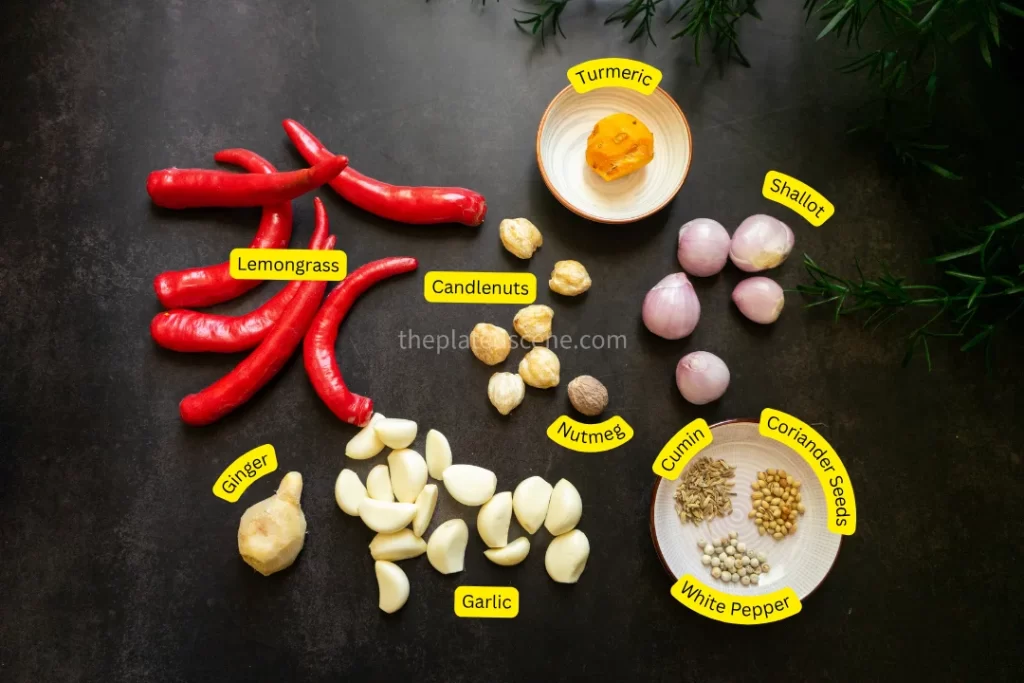
- Shallots and garlic
These two are the base of almost every Indonesian dish I grew up with. Shallots bring a sweet, rounded flavor, while garlic gives that punchy depth we all love. - Candlenuts
These are creamy little nuts that act as a natural thickener. If you can’t find them, macadamias are a decent backup. Don’t skip them—they really bring the paste together. - Cumin, white pepper, and coriander seeds
A little trio of earthy, citrusy warmth. I usually toast them just a bit before blending to unlock their full potential. They’re subtle but essential. - Fresh ginger and turmeric
I prefer young ginger—it’s less fibrous and has a more delicate flavor. As for turmeric, fresh is best for that gorgeous golden color and slightly bitter edge. Powdered works in a pinch, but the flavor won’t be quite as vibrant. - Big red chilies
These aren’t very spicy, but they add a beautiful color and a gentle sweetness that rounds out the bird’s eye heat. Deseed them if you want a smoother paste.
Whole Spices and Seasonings
Once your spice paste is sautéed to perfection, it’s time to layer in the aromatics and seasonings that turn this into a real Gulai Ayam.
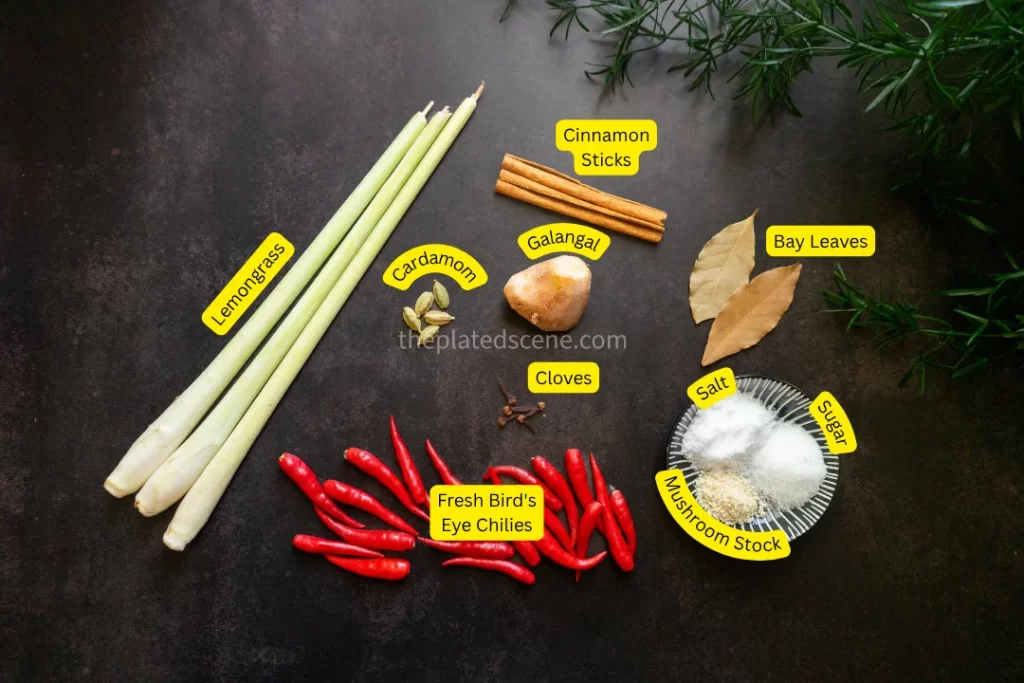
- Bay leaves (daun salam)
These aren’t your typical Western bay leaves. Indonesian bay leaves are milder and more herbal. If you can’t find them, you can skip them—but if you can, definitely add them for a more authentic note. - Lemongrass
I love how lemongrass brightens the richness of the coconut cream. I bruise the stalks with the back of my knife to release their oils before adding them to the pot. - Galangal
Not to be confused with ginger, galangal is woodier and more peppery. It gives the gulai its unmistakable depth. Slice it thick, bruise it, and toss it in whole. - Cinnamon sticks, cloves, nutmeg, and cardamom
These are the warm spices that give Gulai Ayam its slightly sweet and aromatic character. It may sound like a lot, but they work together beautifully. The trick is not to overdo it—just a hint of each is enough to make the dish feel special. - Salt, mushroom stock, and sugar
The final seasoning trio. Salt brings balance, mushroom stock (or chicken bouillon if that’s what you have) adds umami, and sugar smooths out the heat and spices. I sometimes use palm sugar for a deeper, caramel note—it’s subtle, but so good. - Bird’s eye chilies (fresh)
These little guys pack a punch. I use about 20 for a proper kick, but you can always scale back or mix in milder red chilies if you’re not used to the heat. I love how they add brightness and fire without overpowering the dish.
Storage Instructions
One of my favorite things about Gulai Ayam is that it somehow tastes even better the next day. The spices mellow, the coconut cream thickens beautifully, and the flavor deepens in all the right ways. Whether you’re meal-prepping or saving some for later, here’s how to store and reheat Gulai Ayam the right way—both modern and the good old Indonesian-style.
Modern Storage (Fridge & Freezer)
In the Fridge:
Let the Gulai Ayam cool completely before transferring it into an airtight container. It keeps well in the fridge for up to 4 days. When you’re ready to eat, reheat it slowly over low heat on the stovetop. Stir it occasionally to keep the coconut cream from splitting. If the sauce has thickened too much, just add a little water or coconut milk to bring it back to life.
In the Freezer:
Yes, you can absolutely freeze Gulai Ayam. Portion it out into freezer-safe containers or zip-top bags, and it’ll keep for up to 2 months. For best results, thaw it overnight in the fridge before reheating on the stove. Again, go low and slow—no rushing. Avoid microwaving directly from frozen, as it can make the coconut cream separate and turn grainy.
Freezer Tip:
If you know you’ll freeze a portion, don’t add the fresh bird’s eye chilies and fried shallots yet. Add those only when serving for the best texture and flavor.
Indonesian-Style Storage & Reheating
In many Indonesian households—especially in the days before refrigeration—it was (and still is) common to keep coconut-based dishes like Gulai Ayam at room temperature and reheat them daily to keep them from spoiling. This method is known as “dipanaskan ulang” (reheated again and again), and it surprisingly works well for gulai.
Here’s how to do it safely:
Daily Reheating:
Store the Gulai Ayam in a pot with a lid at room temperature (only if your kitchen is cool and dry—this is best done in air-conditioned or traditional homes with good ventilation). Bring it to a gentle boil once a day, ideally in the morning, to kill off any bacteria. Let it cool with the lid on and keep it covered throughout the day. This method usually keeps the gulai good for 2 to 3 days without refrigeration.
Important Notes:
- Only use clean utensils every time you scoop out a portion—no double dipping.
- Don’t leave the pot uncovered, especially overnight.
- If the smell turns sour or the coconut cream looks curdled, it’s time to let it go.
Traditional Tip:
Some grandmothers swear by letting the oil naturally separate and rise to the top as a protective layer—it helps preserve the curry longer without refrigeration. You’ll often see this layer form by day two or three.

How to Make Gulai Ayam: Traditional Indonesian Chicken Curry
5
servings30
minutes1
hour1
hour30
minutesMaking Gulai Ayam from scratch may seem like a labor of love—and it is—but once you get into the flow, it’s surprisingly relaxing. The key is to take your time with the spice paste and let the flavors slowly build in the pot. Here’s how I do it in my own kitchen, just like my grandmother used to.
Keep the screen of your device on
Ingredients
- Main Ingredients
2 lbs 900 g kampong chicken (or bone-in chicken thighs/drumsticks)
2 cups 500 g coconut cream
4.25 cups 1 l water
20 pc 20 pc fresh bird’s eye chilies (adjust to taste)
- Blended Spice Paste (Bumbu Halus)
1.75 oz 50 g shallots (about 5–6 medium shallots)
1.75 oz 50 g garlic (about 6 cloves)
6 pc 6 pc candlenuts (or substitute with 6 macadamia nuts)
0.5 tsp 1/2 tsp cumin seeds
0.5 tsp 1/2 tsp white peppercorns
0.5 tsp 1/2 tsp coriander seeds
0.75 oz 20 g fresh young ginger (about 1 ½-inch piece)
0.75 oz 20 g fresh turmeric (about 1 ½-inch piece)
3 oz 85.05 g big red chilies (about 3–4 large chilies)
- Other Ingredients
2 pc 2 pc Indonesian bay leaves (or substitute with 1 regular bay leaf)
3-4 stalks 3-4 stalks lemongrass (use lower white part, bruised)
1.25 oz 35 g galangal (about 2-inch piece, sliced and bruised)
2 pc 2 pc cinnamon sticks (about 3-inch each)
5 pc 5 pc whole cloves
0.5 pc 0.5 pc whole nutmeg
5 pc 5 pc cardamom pods
1 tbsp 1 tbsp salt
1 tsp 1/3 tbsp mushroom stock powder (or chicken bouillon)
2 tsp 2 tsp sugar (or palm sugar for a richer flavor)
Directions
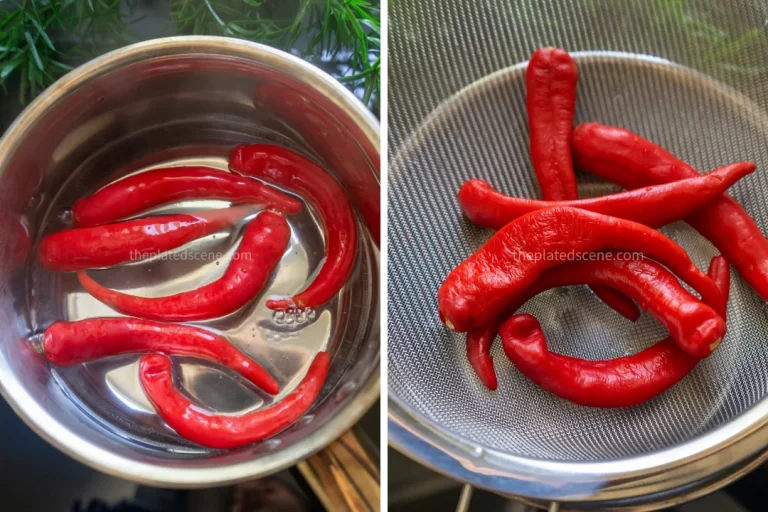
- Soften the chilies
Start by boiling the big red chilies for a few minutes until they soften. This makes them much easier to blend later on and helps create a smoother, richer base for your spice paste. I usually remove the seeds if I want a milder dish, but if you’re into a bolder kick, feel free to leave them in.
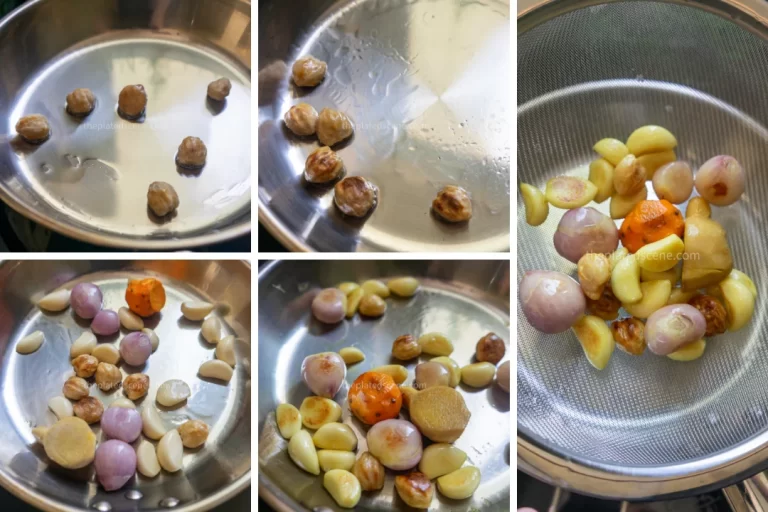
- Fry the aromatics
Next, heat a small amount of oil in a pan and begin frying the aromatics, starting with the candlenuts. These take a little longer, so give them a head start before adding the garlic, shallots, ginger, and turmeric. Don’t rush this step—you’re coaxing out their natural oils and sweetness, and that’s what gives Gulai Ayam its soul. - Blend the spice paste
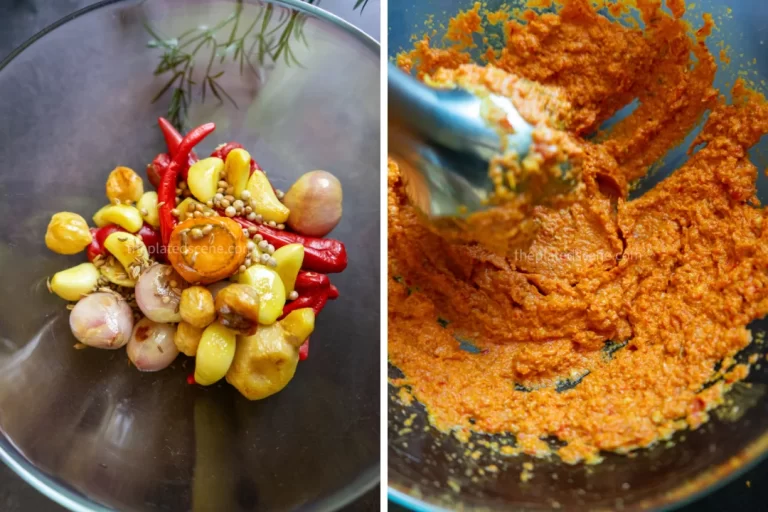
Once everything is soft and fragrant, blend the sautéed aromatics with the boiled chilies, cumin seeds, coriander seeds, white peppercorns, and a small piece of nutmeg. I usually add just a splash of water or oil to help the blender do its job. You’re aiming for a smooth, thick paste—something that smells strong but balanced. - Bruise the galangal and lemongrass
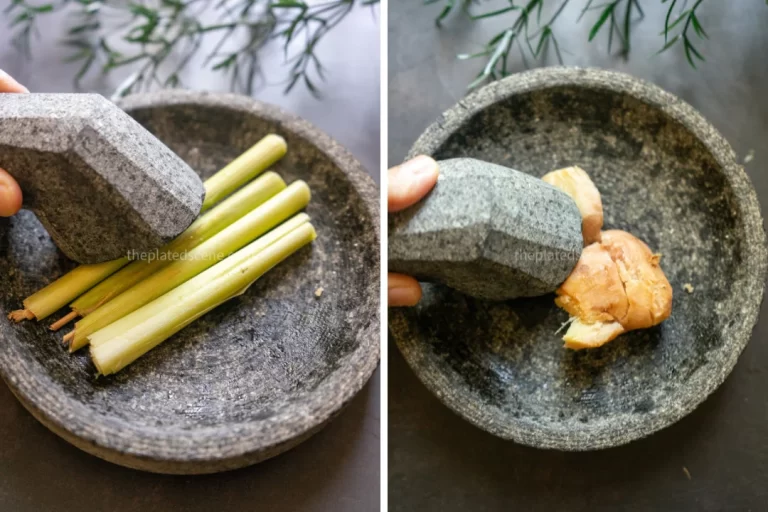
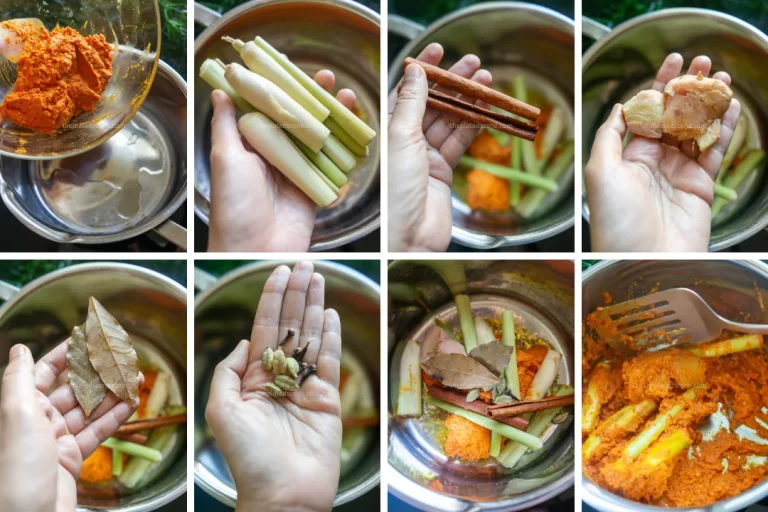
Before you start cooking the paste, give the galangal and lemongrass a quick bruise using the side of your knife or a pestle. This releases their oils and ensures they infuse the curry beautifully. The lemongrass should split slightly, and the galangal should crack but stay whole—you’re not chopping them, just waking them up. - Sauté the spice paste
In a large pot or wok, heat a little more oil until it’s hot but not smoking. Add the blended spice paste along with the bruised lemongrass, galangal, bay leaves, cloves, cardamom pods, and cinnamon sticks. Sauté everything gently over medium heat. The paste will darken slightly and release an incredibly fragrant aroma—that’s your cue that it’s ready for the next step. - Simmer the chicken
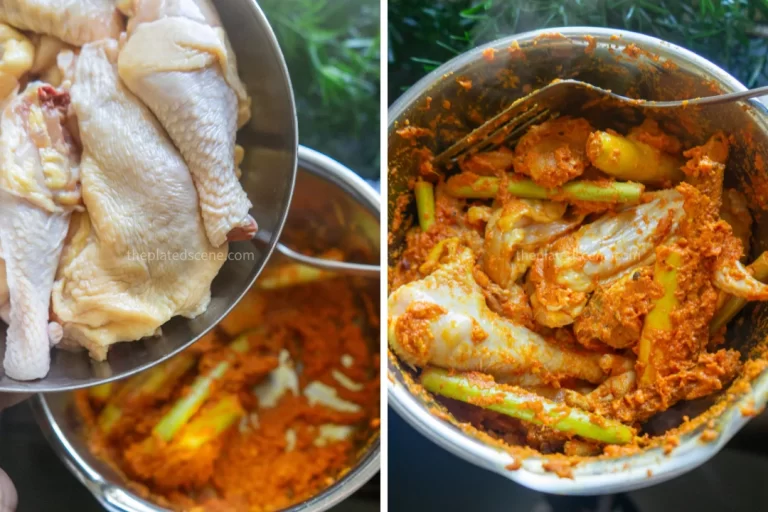
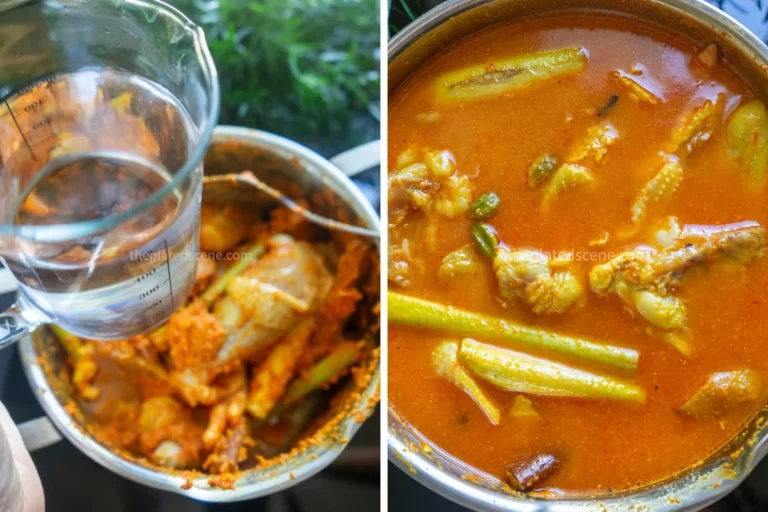
Now, add the chicken pieces into the pot and stir until every surface is nicely coated with the spice paste. This step really sets the tone—make sure the chicken is well covered so the flavor seeps into every bite. Pour in the water, stir, and cover the pot. Let it simmer gently over low heat for 30 to 40 minutes, or until the chicken is tender. Keep the heat low—you want a soft simmer, not a rolling boil. - Add the coconut cream and seasonings
Once the chicken is cooked through, it’s time to bring in the richness. Add the coconut cream, salt, sugar, mushroom stock powder, and fresh bird’s eye chilies. Stir gently to mix, then let the curry come to a gentle boil. Once it starts bubbling, cover the pot again and continue cooking until you see the oil naturally separating and floating to the surface. That’s when you know the gulai is done—it’s creamy, rich, and beautifully spiced. - Serve and enjoy
Serve your Gulai Ayam hot, preferably with lontong (compressed rice cakes), a handful of crispy belinjo crackers, and a sprinkle of fried shallots for crunch and fragrance. The sauce is so good you’ll want to spoon it over everything—it’s thick, savory, and just the right amount of spicy.