
Growing up, the scent of sizzling garlic and chili wafting through the kitchen often meant only one thing—my mother was cooking her signature cumi saus hitam. This squid recipe wasn’t something we had every week, but when it appeared on the table, I knew it was going to be a special meal.
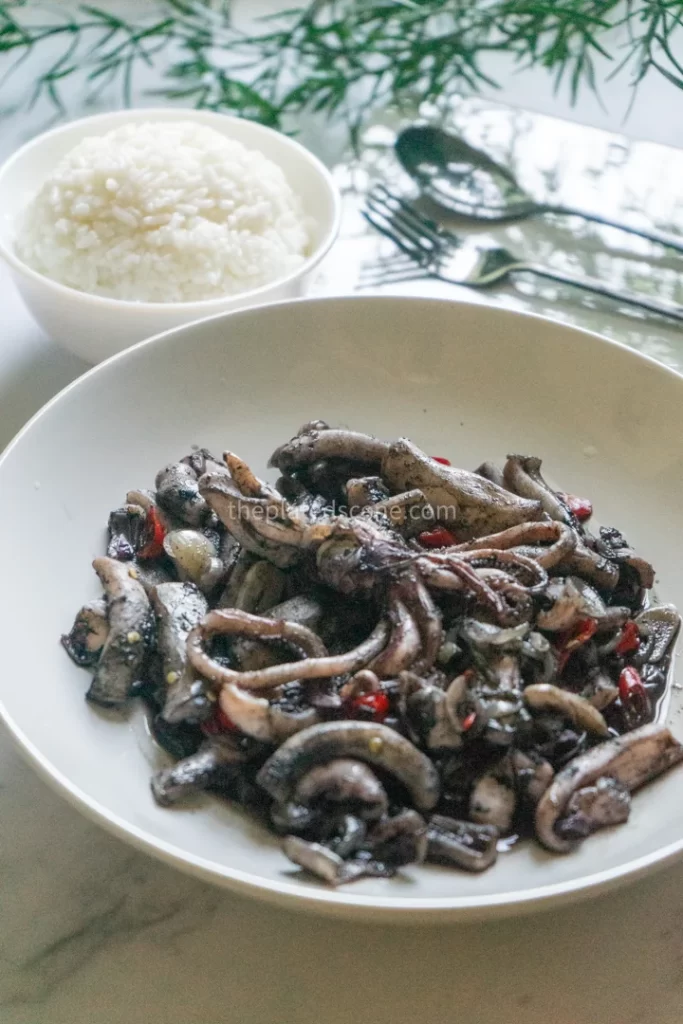
She always made it during the rainy season or on quiet Sunday afternoons when she had time to prepare squid the way her own mother taught her. The rich, dark sauce looked mysterious to me as a child, almost like it belonged to a secret potion. But one bite of that tender squid coated in spicy, savory black ink sauce always pulled me in. The combination of spice, umami, and the ocean’s briny touch created a dish that felt like a warm hug.
Table of Contents
This squid recipe has since become one of my go-to comfort foods. Over time, I’ve tweaked it here and there, but the essence always brings me back to my mother’s kitchen—her wooden chopping board, the old enamel pot, and the comforting sound of sambal being fried. Today, I want to share with you not just the recipe, but also the story behind it and how you can make it perfectly at home.
Why Is the Sauce Black? The Magic of Squid Ink
One of the most unique features of cumi saus hitam is its striking black sauce. At first glance, it might even surprise you. After all, how many dishes arrive on your plate looking like they’ve been dipped in ink? Well, that’s because they have—literally.
The black hue comes from squid ink, a natural secretion that squid and some other cephalopods use to evade predators in the wild. It’s not just for defense; it’s also packed with flavor. Squid ink is rich in glutamates, which makes it naturally umami-forward. That’s why in dishes like cumi saus hitam, the ink doesn’t just color the dish—it deepens the taste profile.
Squid ink has been used in cuisines around the world—from Spanish arroz negro to Italian squid ink pasta. But in Indonesia, especially along the coastal regions of Java and Sumatra, it finds its way into this humble yet luxurious squid recipe. Unlike Western versions that tend to be creamy or mild, cumi saus hitam is often bold, spicy, and deeply savory.
The Origins of Cumi Saus Hitam: A Coastal Legacy
The history of cumi saus hitam is tied closely to Indonesia’s vast maritime culture. With more than 17,000 islands, it’s no surprise that seafood plays a central role in Indonesian cuisine. Squid, being abundant and relatively affordable, is a staple in many coastal kitchens. But the idea of cooking squid with its ink likely originated from the need to use every part of the animal—nothing wasted.
In places like Central Java, East Java, and even parts of Sulawesi, squid ink isn’t thrown away. Instead, it’s treated as a prized ingredient. Housewives and street vendors alike would collect the ink sacs while cleaning the squid, carefully adding them to the pan toward the end of cooking. Some communities even believe that squid ink adds medicinal value or is good for stamina.
Historically, the dish was not considered elite or luxurious. It was a practical, flavorful way of preparing squid—simple enough for home cooks, but powerful enough in taste to impress any guest. Over time, cumi saus hitam made its way into warungs (local eateries), restaurants, and eventually, home kitchens across Indonesia.
What Does It Taste Like?
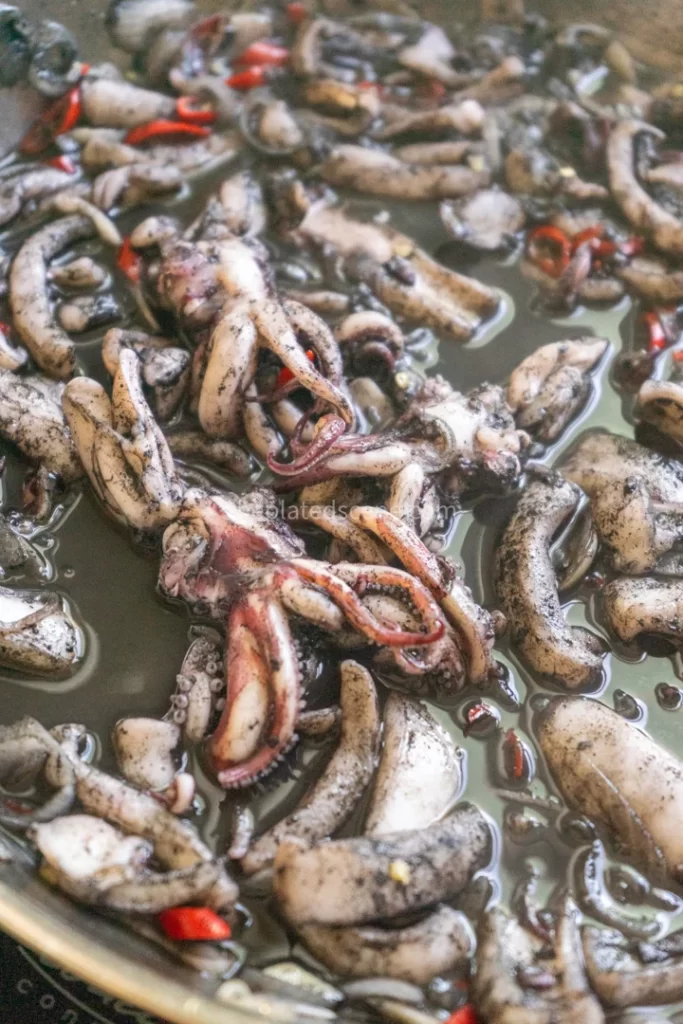
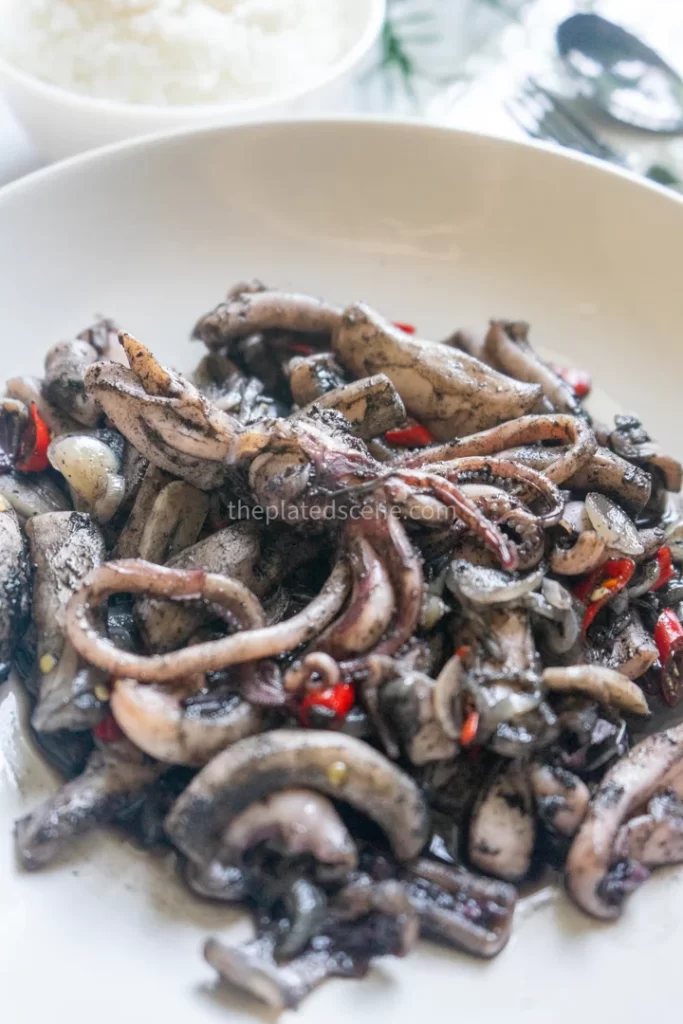
If you’ve never tried cumi saus hitam, you might be wondering what it actually tastes like. This squid recipe is a perfect storm of textures and flavors. The squid is usually cut into bite-sized rings or left whole if small enough, cooked just until tender to avoid that dreaded rubbery chew.
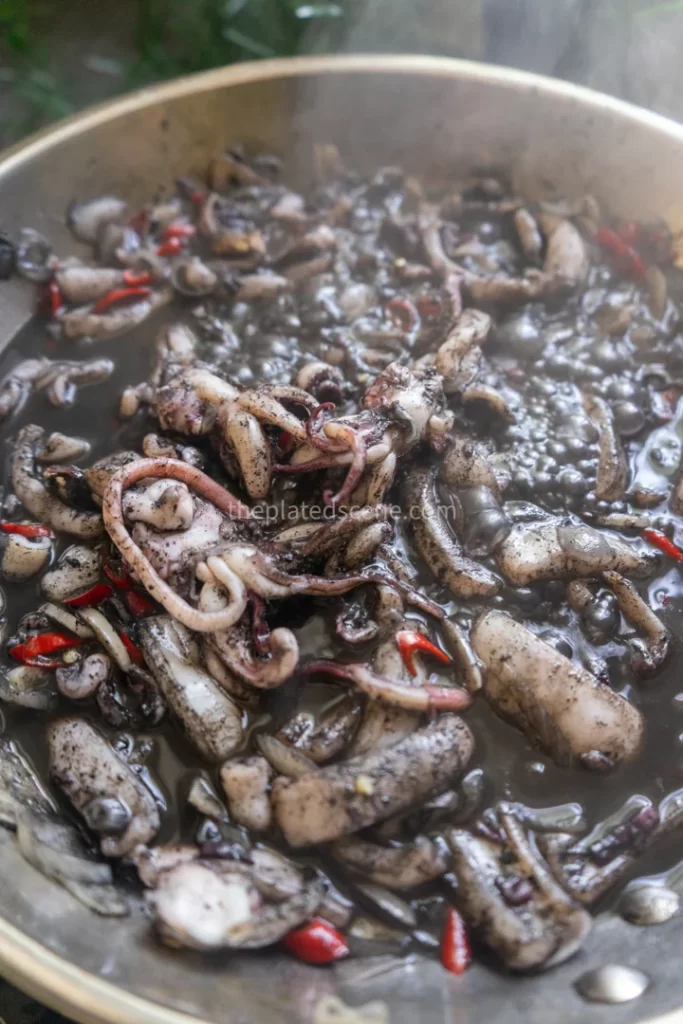
The sauce is where the magic happens. Built on a base of garlic, shallots, chilies, and sometimes candlenuts, the aromatics are sautéed until fragrant. Then the squid is added, along with the reserved ink and a splash of water or broth. Sometimes, sweet soy sauce or tamarind paste is added to give depth or balance the heat.
The result? A dish that’s earthy, salty, briny, spicy, and slightly sweet. The squid ink lends it a subtle oceanic bitterness that’s mellowed out by the spice and aromatics. Every bite is a complex dance—chewy squid, silky sauce, and a slow burn of chili that lingers just long enough.
It’s best enjoyed with a plate of steamed white rice, which soaks up the black sauce beautifully. Some people like it with a side of raw vegetables or sambal, but for me, a spoonful of cumi saus hitam and warm rice is all I need.
Variations Across Regions and Households
While the core of cumi saus hitam remains the same, you’ll find small variations depending on where it’s made—or who’s making it. In some coastal villages, they use green tomatoes or lime leaves to add a fresh, tangy note. In others, coconut milk is added for a creamier version that balances the ink’s richness.
Some versions are fiery hot, with lots of bird’s eye chilies, while others are mild and slightly sweet, especially in Central Java where sweet soy sauce is more common. I’ve even tasted a version in East Kalimantan that includes ground toasted rice for extra body and nuttiness.
You can also get creative based on what you have. If you don’t have access to fresh squid ink, some Asian groceries sell frozen or bottled squid ink you can add during cooking. While fresh is always better, these are good substitutes for recreating the flavor.
In modern kitchens, people even serve this squid recipe on pasta or black rice, blending Indonesian roots with fusion flair. And while purists might scoff, I believe food should evolve and travel.
Tips and Things to Watch Out For
Cooking cumi saus hitam at home isn’t difficult, but there are a few things to keep in mind to make sure it turns out perfectly every time:
- Don’t overcook the squid. This is the number one mistake in any squid recipe. Cook it for too long and it turns into rubber. Two to five minutes of simmering is usually enough.
- Handle the ink carefully. If you’re using fresh squid, extract the ink sac gently during cleaning. Wear gloves or clean it over a bowl to catch any spills. Squid ink can stain clothing and surfaces.
- Use fresh squid if possible. Fresh squid gives a cleaner, sweeter flavor. If using frozen squid, make sure it’s thawed completely and pat it dry to avoid excess moisture in the pan.
- Balance the flavors. The sauce should hit all the notes—spicy, salty, umami-rich, and just a touch sweet. Don’t be afraid to adjust as you go. A squeeze of lime or a pinch of sugar can transform the dish.
- Serve immediately. Like most seafood dishes, cumi saus hitam is best eaten fresh. The longer it sits, the more the squid can turn rubbery, and the sauce might thicken too much.
- Use a non-reactive pan. Since squid ink is slightly acidic, avoid using aluminum pans which might affect the taste. A stainless steel or nonstick pan is ideal.
- Prepare your rice ahead. Trust me—you don’t want to be scrambling for rice when the dish is ready. This squid recipe is all about timing and serving hot.
Ingredients for Cumi Saus Hitam
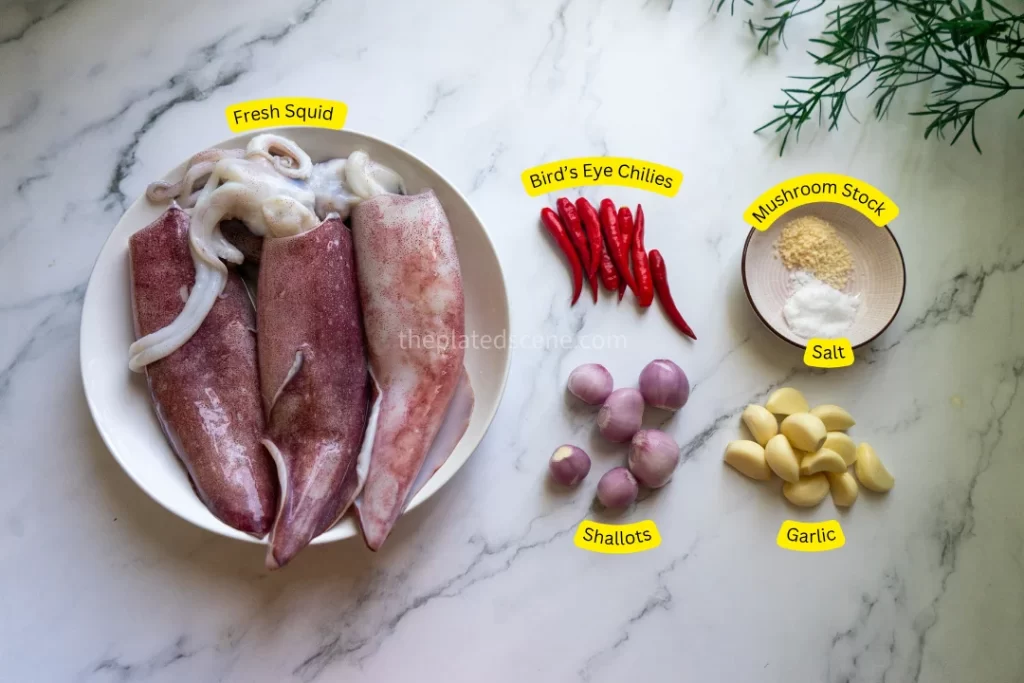
- Fresh squid
Try to get fresh squid with the ink sacs still attached—this is where the magic happens. The ink is what gives cumi saus hitam its bold black color and signature depth of flavor. If you can’t find fresh squid with ink, no worries—packaged squid ink from the freezer or canned section works just fine too. - Shallots
I always use shallots for their sweet, delicate aroma. They form the base of the spice blend and give the dish that familiar home-cooked warmth. If you’re out of shallots, a small red onion will do in a pinch. - Garlic
No Indonesian squid recipe is complete without garlic. It’s fried until fragrant and adds a nice savory kick that balances the briny squid ink beautifully. - Chili (optional)
If you love heat, go ahead and add some bird’s eye chilies or red chili. I usually toss in a few for that spicy edge, but feel free to skip it if you prefer a milder version. - Salt
Just a bit to round out the flavors. I usually season as I go, especially since squid ink already has that natural saltiness. - Mushroom stock powder
This is my little trick—adding mushroom stock powder boosts the umami and ties everything together. If you don’t have it, you can use chicken stock powder or simply leave it out.
Storing Instructions
Cumi saus hitam is one of those dishes that’s best enjoyed fresh—right off the stove when the squid is still tender and the sauce is warm and silky. Squid tends to toughen up when reheated, so if you can, try to cook just enough for the meal.
That said, if you do have leftovers, don’t worry. Let everything cool completely, then store it in an airtight container in the fridge. It should be good for up to 2 days, but the texture of the squid might not be quite the same. When reheating, do it gently over low heat and add a splash of water if the sauce has thickened too much.
I wouldn’t recommend freezing this dish—the squid can become rubbery and the sauce may lose its flavor balance. Fresh is always best for this comforting squid recipe.
You Might Also Like
If you enjoyed this squid recipe, here are a few other Indonesian dishes you might want to try next:
- Udang Saus Mentega (Butter Prawns) – A sweet and savory prawn dish with a buttery aroma and hints of chili. It’s quick to make and perfect for seafood nights.
- Tumis Kangkung (Stir-Fried Water Spinach) – A classic veggie side that goes so well with seafood dishes like cumi saus hitam. Garlicky, spicy, and ready in minutes.
- Oseng Tempe Cabe Ijo (Tempeh Stir-Fry with Green Chili) – For something hearty and plant-based, this dish brings bold flavors without any fuss.
Each of these recipes carries that same homemade warmth, just like my mom’s cooking. Perfect for building out a flavorful Indonesian meal at home.
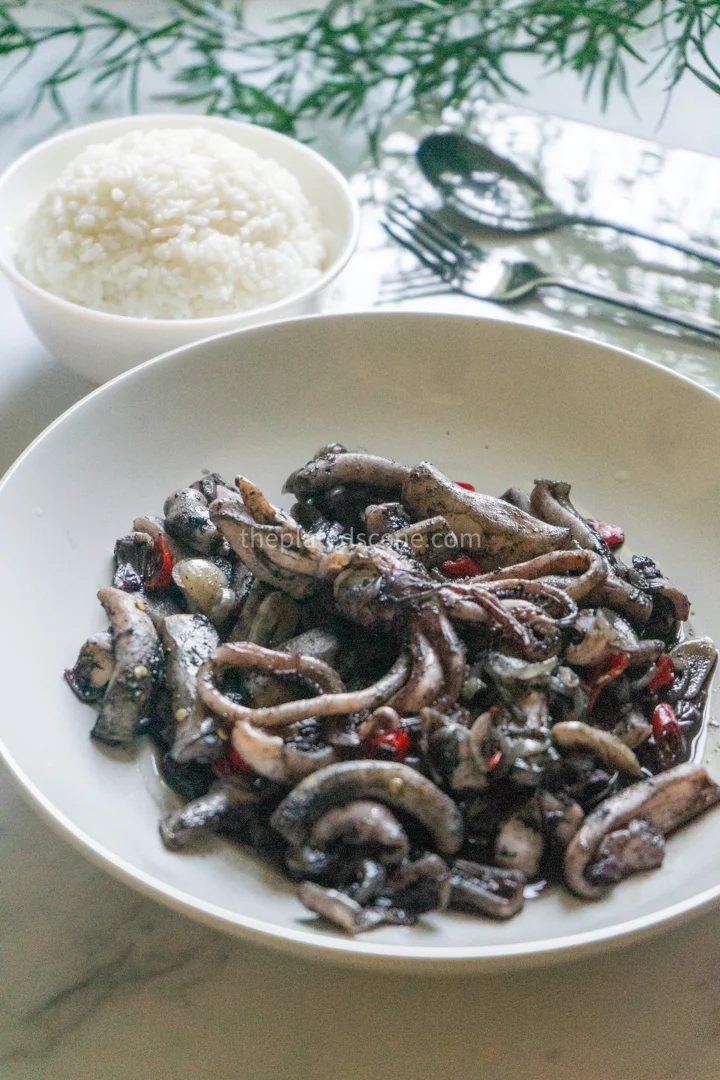
Cumi Saus Hitam: Indonesian Squid in Spicy Black Ink Sauce
3
servings20
minutes15
minutes35
minutesA bold and savory Indonesian squid recipe made with fresh squid, aromatics, and its own ink. Cumi saus hitam is rich, spicy, and best enjoyed with steamed rice.
Keep the screen of your device on
Ingredients
1.9 lb 850 g fresh squid
1.8 oz 50 g shallots
1.4 oz 40 g garlic
8 small 8 small red chilies (optional)
1 tsp 1 tsp salt
1 tsp 1 tsp mushroom stock powder
Directions
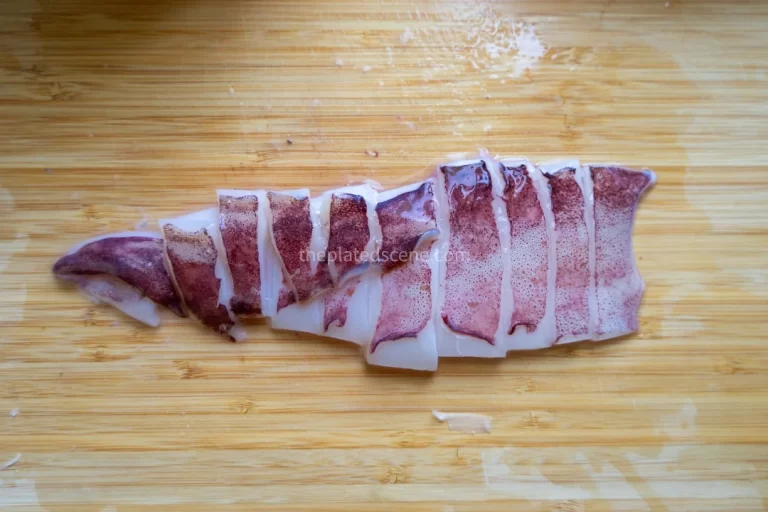
- Clean and cut the squid, but keep the ink.
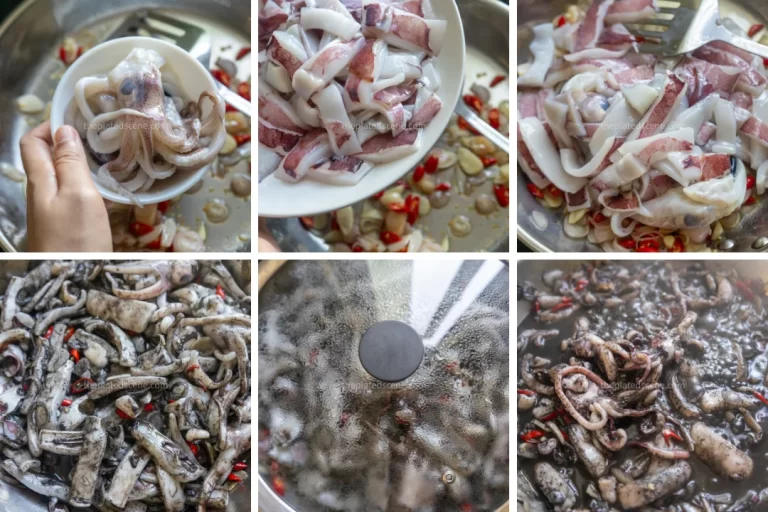
Rinse the squid under cold running water. Gently pull the head away from the body—most of the internal parts will come out with it. Look for the small silvery-black ink sac near the innards. Carefully remove it and set it aside in a small bowl (you can add a teaspoon of water to help preserve the ink). Peel off the purple skin if you prefer a cleaner look, then cut the squid into rings or bite-sized pieces. Rinse again and drain well.
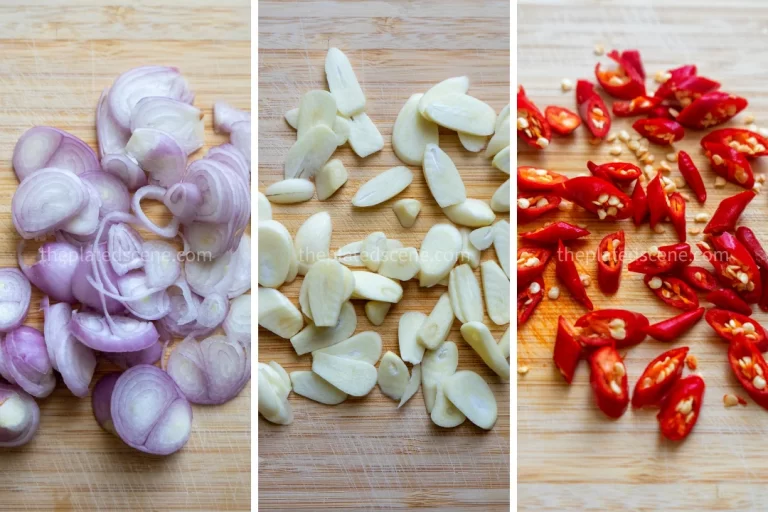
- Slice the garlic, shallots, and chili.
Keep the slices thin and even to help them cook quickly and release their aroma. If you’re sensitive to heat, you can deseed the chilies or use fewer pieces. - Sauté the aromatics.
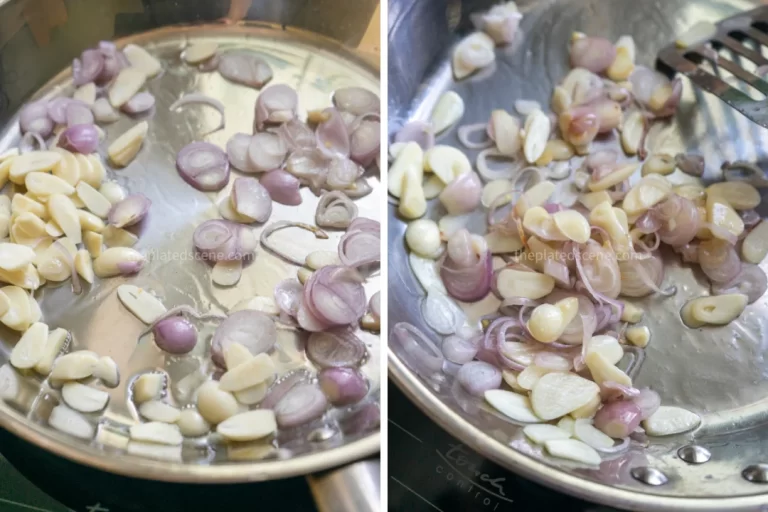
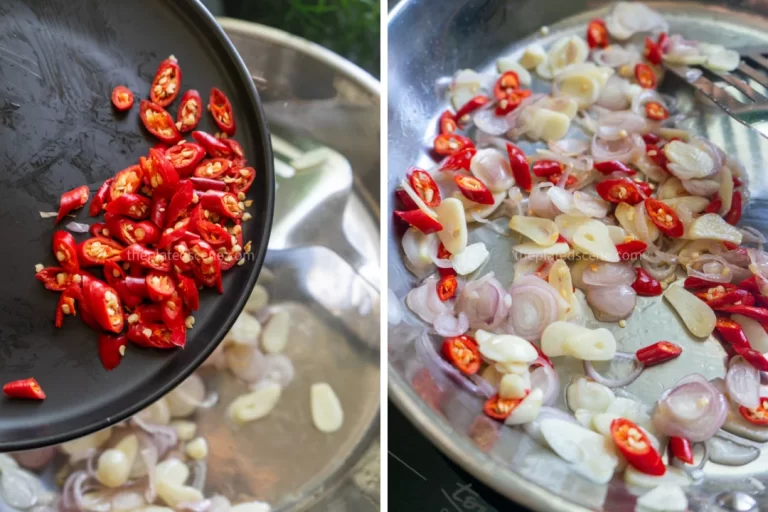
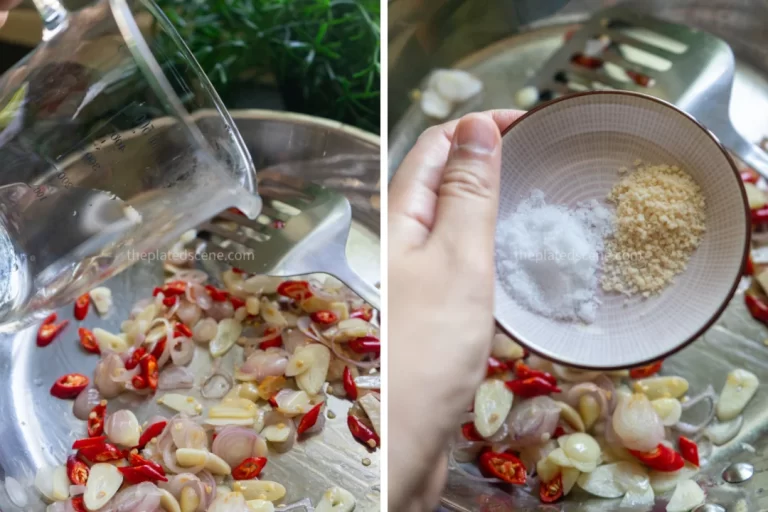
Heat a bit of oil in a pan over medium heat. Once hot, add the sliced garlic and shallots. Stir until they turn golden and fragrant, about 2–3 minutes. Add the chilies and continue sautéing for another minute. - Add seasoning and water.
Pour in about 50 ml of water, then stir in the salt and mushroom stock powder. Let it come to a gentle boil—this step ensures the aromatics are fully cooked and infuses the base with flavor before adding the squid. - Add the squid and cook.
Add the prepared squid to the pan, along with the reserved squid ink. Mix well to coat everything in the sauce. Cover the pan with a lid and let it simmer for about 3–5 minutes. This traps the steam and helps the squid cook quickly and evenly. Don’t overcook—once the squid turns opaque and slightly curls, it’s ready to serve