

The first time I made ayam bakar in my own kitchen, the intoxicating aroma of lemongrass and galangal transported me straight back to Jakarta. This traditional Indonesian grilled chicken isn’t just a recipe – it’s a beautiful symphony of spices that have been lovingly passed down through generations. As the chicken slowly absorbs the rich coconut-based marinade, every fiber becomes infused with the complex flavors that make ayam bakar one of Indonesia’s most beloved dishes.
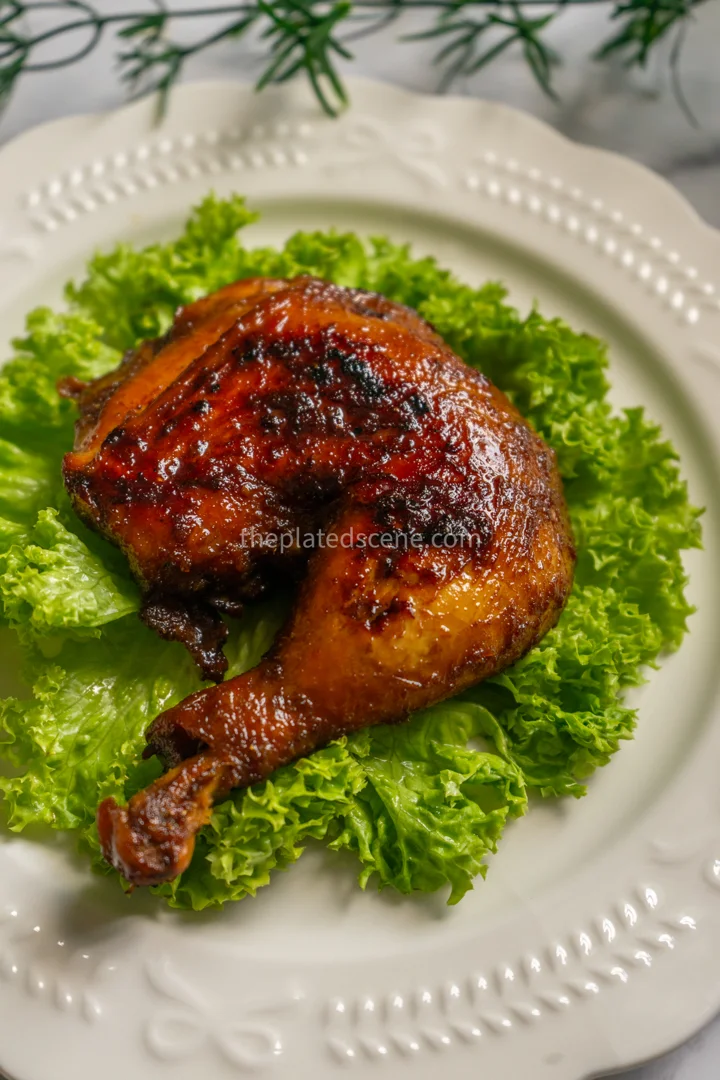
What makes this dish so incredibly special to me is the way it brings families together. In my childhood, preparing ayam bakar was always a community effort. My aunts would gather around the kitchen, each contributing their own secret touch to the spice paste, while the tantalizing smell would draw neighbors from their homes. The slow braising process followed by that final grilling creates layers of flavor that simply cannot be rushed – it’s a dish that teaches patience and rewards it generously.
This particular ayam bakar recipe has been refined over years of experimentation, balancing the earthy depth of roasted spices with the sweetness of kecap manis and the aromatic lift of fresh herbs. You’ll discover that the key lies in that initial braising step, where the chicken becomes incredibly tender before hitting the grill for those gorgeous char marks. Trust me, once you master this technique, you’ll never want to make grilled chicken any other way.
Table of Contents
The Story Behind Ayam Bakar
Ayam bakar has deep roots in Indonesian culinary tradition, emerging from the rich spice trade culture that has defined the archipelago for centuries. This beloved dish represents the perfect marriage of indigenous Indonesian cooking techniques with the aromatic spices that made these islands famous worldwide. The method of slow-braising chicken in spiced coconut milk before grilling is a technique that has been practiced across Java, Sumatra, and other Indonesian islands for generations, with each region adding its own distinctive touch to create countless variations of this Indonesian culinary masterpiece.
Traditionally, ayam bakar holds significant cultural importance in Indonesian society, often served during special occasions, family gatherings, and religious celebrations. The dish symbolizes abundance and hospitality, with its rich, complex flavors representing the warmth of Indonesian family life. In many Indonesian households, the preparation of ayam bakar is considered an art form, with recipes carefully guarded and passed down from mother to daughter, each family adding their own secret ingredients or techniques that make their version unique.
Today, you’ll find ayam bakar everywhere from bustling street food stalls to upscale Indonesian restaurants, though the heart of this dish remains firmly rooted in home cooking. Modern Indonesian cooks have embraced this traditional recipe while adapting it for contemporary kitchens, using grilling pans when outdoor grills aren’t available and adjusting spice levels for different palates. The beauty of ayam bakar lies in its versatility – whether served at a casual family dinner or a festive celebration, this dish never fails to impress with its incredible depth of flavor and tender, juicy texture.
What to Expect: Flavors and Textures
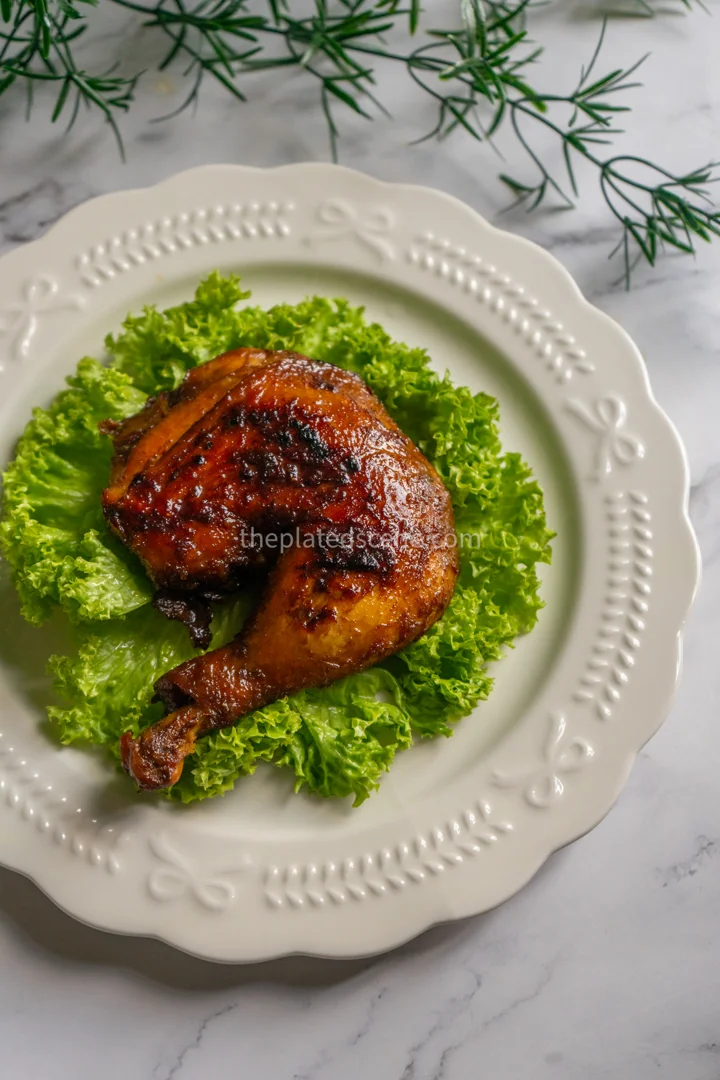
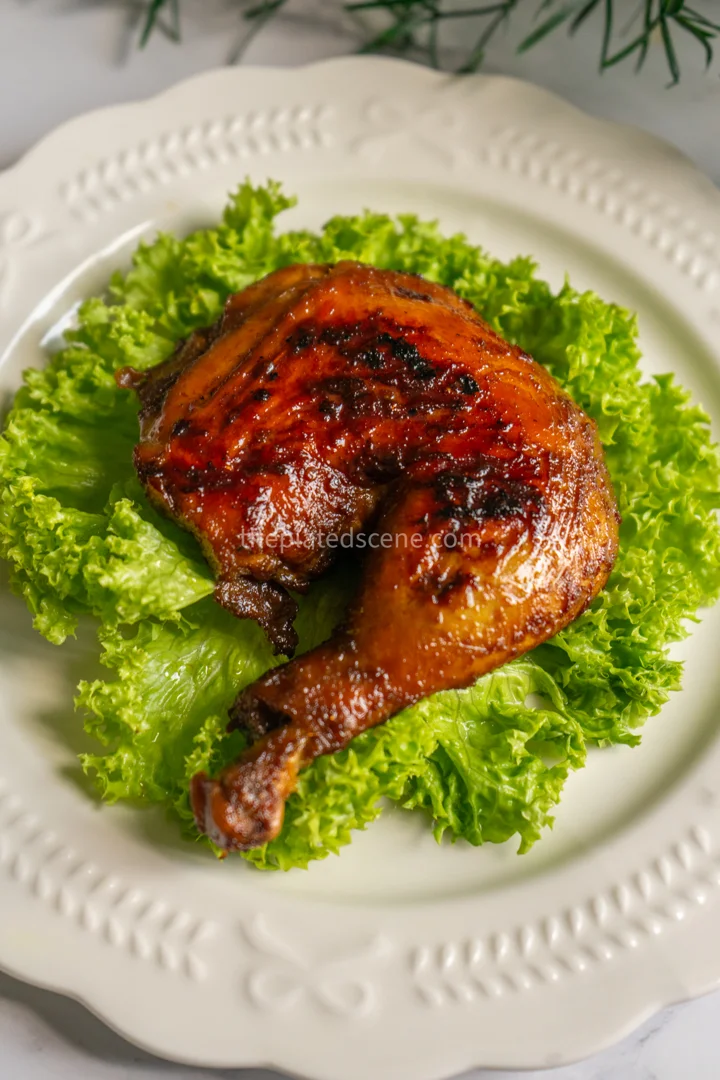
The first bite of properly made ayam bakar is nothing short of magical. Your teeth sink into incredibly tender, juicy chicken that practically falls off the bone, while your palate is immediately greeted by layers of complex, aromatic flavors. The initial sweetness from the kecap manis gives way to the warm, earthy notes of galangal and turmeric, followed by the citrusy brightness of lemongrass and kaffir lime leaves. The exterior boasts a beautiful caramelized crust with subtle smoky char marks, providing a delightful textural contrast to the succulent meat within. Each mouthful delivers a perfect balance of sweet, savory, and aromatic elements that dance harmoniously on your tongue, creating an unforgettable eating experience that embodies the essence of Indonesian comfort food.
Delicious Variations to Try
One of the most wonderful aspects of ayam bakar is how beautifully adaptable this recipe can be to suit different tastes and preferences. Indonesian cooks across different regions have developed their own signature variations, and I encourage you to experiment with these delicious alternatives once you’ve mastered the basic technique.
- Spicier Padang-style version – Add 3-5 fresh red chilies to your spice paste and include a tablespoon of sambal oelek during the braising stage. This variation brings serious heat that pairs beautifully with the sweet kecap manis, creating an exciting balance of fire and sweetness.
- Coconut milk enriched – Replace half the water with thick coconut milk for an incredibly rich and creamy sauce that clings to the chicken. This Balinese-inspired variation creates a more luxurious texture and adds subtle tropical sweetness.
- Herb-forward version – Double the lemongrass and kaffir lime leaves, and add fresh Thai basil leaves during the final grilling stage. This creates a more aromatic, garden-fresh flavor profile that’s absolutely divine.
- Smoky tamarind twist – Add 2 tablespoons of tamarind paste to the braising liquid for tangy depth that balances the sweetness perfectly. This variation is popular in Central Java and adds wonderful complexity.
- Whole chicken adaptation – Use a whole chicken cut into pieces instead of just thighs, adjusting cooking time accordingly. This makes the dish perfect for larger gatherings and provides variety in textures.
- Air fryer finishing – After braising, finish the ayam bakar in an air fryer at 400°F for 8-10 minutes instead of grilling, perfect for those without outdoor grilling options who still want that crispy exterior.
Common Mistakes to Avoid
Don’t worry if your first attempt at ayam bakar doesn’t turn out exactly as expected – this is a forgiving dish that improves with practice! The most common mistake I see is rushing the braising process. The chicken needs time to absorb all those beautiful flavors, so resist the temptation to increase the heat or shorten the simmering time. Another pitfall is not reducing the braising liquid enough – you want that thick, glossy sauce that will caramelize beautifully on the grill. If you find your sauce is too thin, simply continue simmering until it coats the back of a spoon. Remember, patience is your friend here, and the incredible results are absolutely worth the wait. For more Indonesian cooking tips and techniques, check out our Gulai Ayam recipe which uses similar braising methods.
Let’s Talk About the Key Ingredients for Ayam Bakar
The magic of ayam bakar lies in its carefully selected ingredients, each playing a crucial role in building those complex, layered flavors that make this dish so irresistible. Understanding these components will help you create the most authentic and delicious ayam bakar possible, so let’s explore what makes each ingredient special.
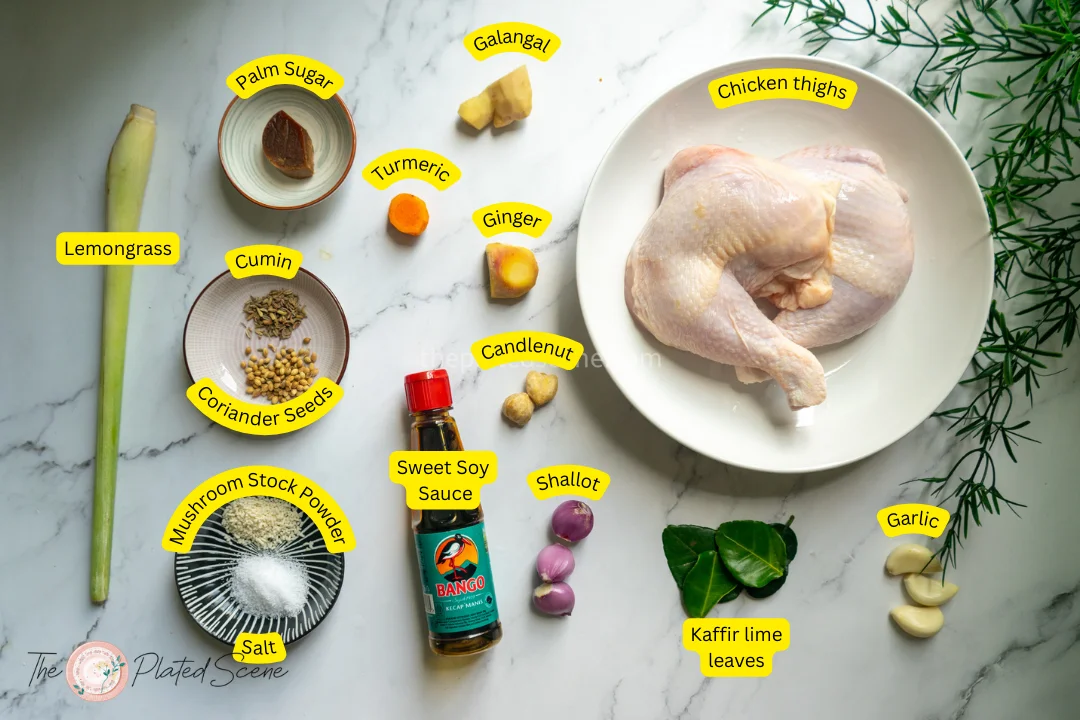
- Chicken thighs – The star of our ayam bakar, chicken thighs are absolutely perfect for this recipe because they stay incredibly moist and tender during the long braising and grilling process. Their higher fat content means they absorb flavors beautifully and won’t dry out like chicken breasts might. Look for bone-in, skin-on thighs for the most authentic results, though boneless works too if that’s your preference.
- Water – This forms the base of our braising liquid, allowing all the spices to meld together and create that rich, flavorful sauce that will penetrate every fiber of the chicken. The water will slowly evaporate during cooking, concentrating all those beautiful flavors.
- Lemongrass – This aromatic herb brings a bright, citrusy fragrance that’s absolutely essential to authentic ayam bakar. Bruise the stalks by smashing them with the flat side of your knife to release maximum flavor. Fresh lemongrass is vastly superior to dried, so seek it out at Asian markets if your regular grocery store doesn’t carry it.
- Kaffir lime leaves – These glossy, dark green leaves provide an intensely aromatic, floral citrus note that’s completely unique and irreplaceable. They’re available fresh or frozen at most Asian groceries. If you absolutely can’t find them, regular lime zest can provide some citrus notes, though it won’t be quite the same.
- Galangal – Often called “Thai ginger,” galangal has a sharper, more pine-like flavor than regular ginger with subtle floral undertones. It’s absolutely crucial for authentic Indonesian cooking and gives ayam bakar its distinctive taste. Fresh galangal should be firm and aromatic – avoid any that feels soft or looks dried out.
- Palm sugar (gula aren) – This unrefined sugar made from palm sap adds deep, complex sweetness with subtle caramel notes that regular white sugar simply cannot replicate. It balances the salty and spicy elements beautifully. If unavailable, brown sugar or coconut sugar can substitute, though the flavor will be slightly different.
- Sweet soy sauce (kecap manis) – This thick, molasses-like Indonesian soy sauce is absolutely essential for authentic ayam bakar flavor. It provides both sweetness and that gorgeous dark color. ABC or Bango brands are most common, but any Indonesian kecap manis will work wonderfully. Don’t substitute with regular soy sauce mixed with sugar – the flavor is completely different.
- Broth powder – This adds an extra layer of savory depth to complement all the aromatic spices. Chicken bouillon powder works perfectly, or you can use mushroom powder for a more subtle umami boost. It’s a small amount but makes a noticeable difference in the overall flavor profile.
- Salt – Essential for bringing out all the other flavors and ensuring proper seasoning throughout the dish. Use regular table salt or sea salt according to your preference, but taste as you go since different brands can vary in saltiness.
- Shallot – These provide a sweeter, more delicate onion flavor than regular onions and are traditional in Indonesian cooking. They blend beautifully into the spice paste and add subtle depth without overpowering the other aromatics. If unavailable, you can substitute with the white parts of green onions or a small regular onion.
- Ginger – Fresh ginger adds warmth and subtle spiciness that complements the galangal beautifully. Choose firm, smooth ginger root and peel it before using. The combination of ginger and galangal creates the characteristic flavor base that’s essential to Indonesian cuisine.
- Garlic – These aromatic cloves provide the savory foundation that ties all the other flavors together. Fresh garlic is absolutely essential – don’t even think about using garlic powder here! Look for firm, plump cloves without green sprouts for the best flavor.
- Turmeric – This golden spice adds beautiful color and earthy, slightly bitter notes that balance the sweetness. Fresh turmeric is preferred if available (use about the same amount), but dried turmeric works perfectly fine. Be careful with fresh turmeric as it stains everything bright yellow!
- Candlenuts – These waxy, cream-colored nuts act as a natural thickening agent and add rich, subtle nutty flavor to the spice paste. They’re available at Asian grocery stores, usually in the freezer section. Macadamia nuts or cashews can substitute in a pinch, though the texture will be slightly different.
- Cumin seeds – These earthy, slightly bitter seeds add warmth and depth when toasted and ground. Dry roasting them first is crucial for developing maximum flavor – you’ll smell their beautiful aroma when they’re ready. Whole cumin seeds are much more flavorful than pre-ground cumin powder.
- Whole coriander seeds – These provide bright, slightly citrusy notes with hints of sage and lemon. Like cumin, toasting them first brings out incredible flavor that ground coriander simply can’t match. They’re one of the most important spices in Indonesian cooking and absolutely essential for authentic ayam bakar.
- Margarine – This creates the glossy basting mixture that gives the grilled ayam bakar its beautiful caramelized exterior. Room temperature margarine mixes more easily with the kecap manis. You can substitute with butter if you prefer, though margarine is more traditional and has a higher smoke point for grilling.
How to Make Ayam Bakar
Don’t let the number of steps intimidate you – making authentic ayam bakar is actually quite straightforward once you understand the process. The key is taking your time and letting each stage develop its flavors properly. Trust me, the incredible aromas filling your kitchen will tell you you’re on the right track!
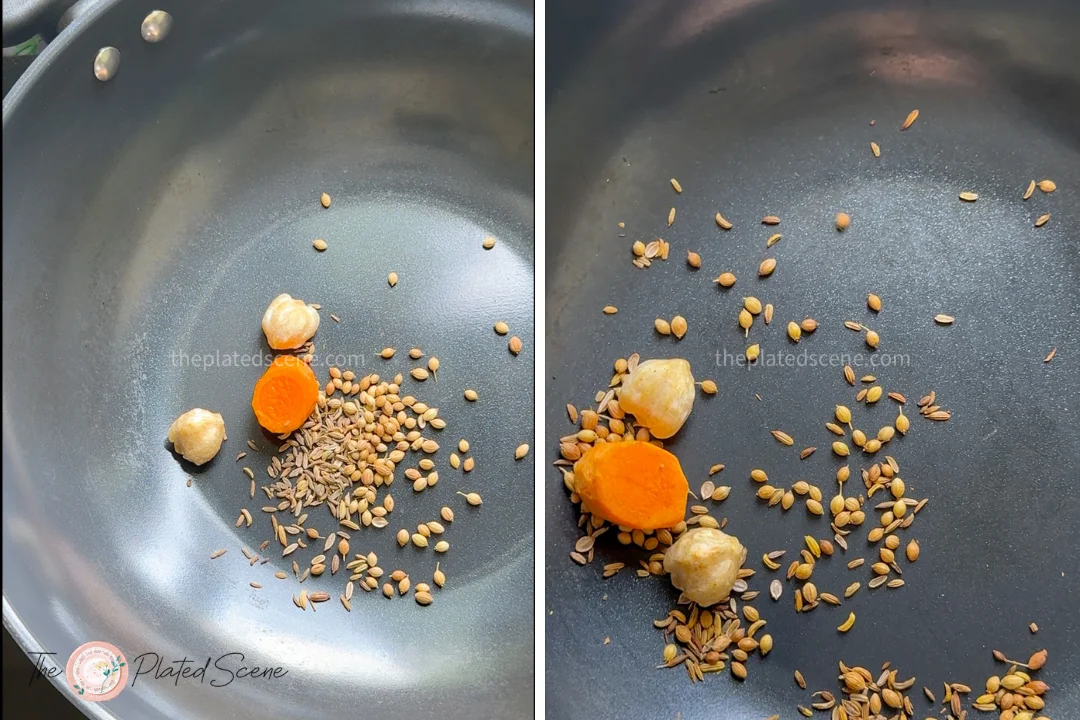
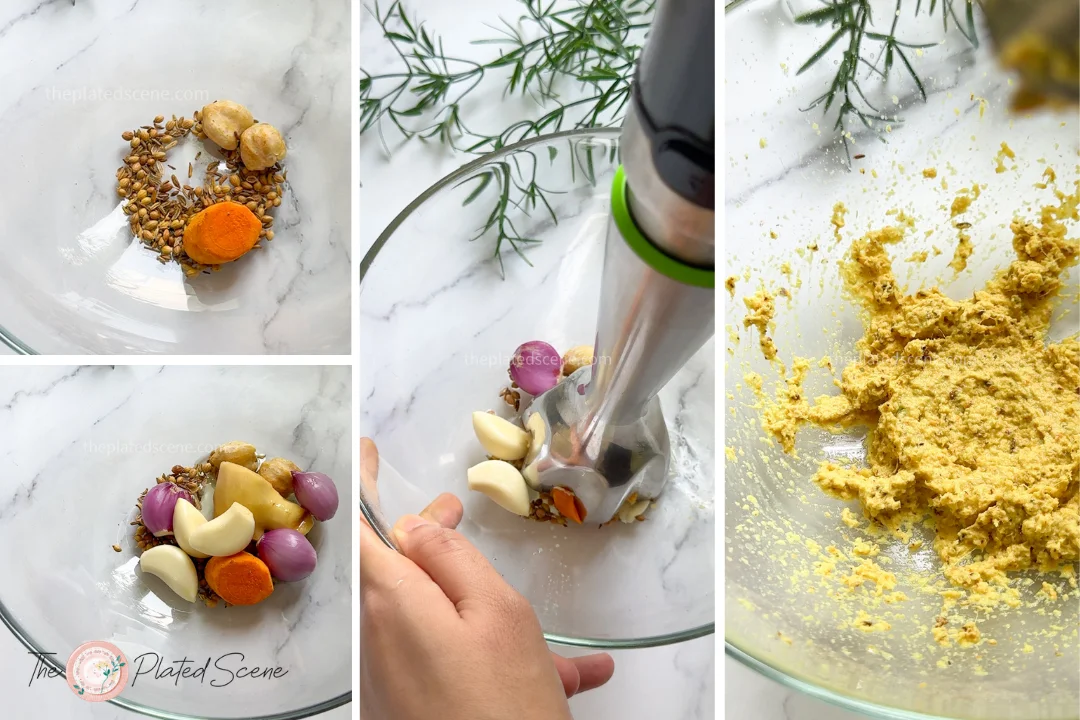
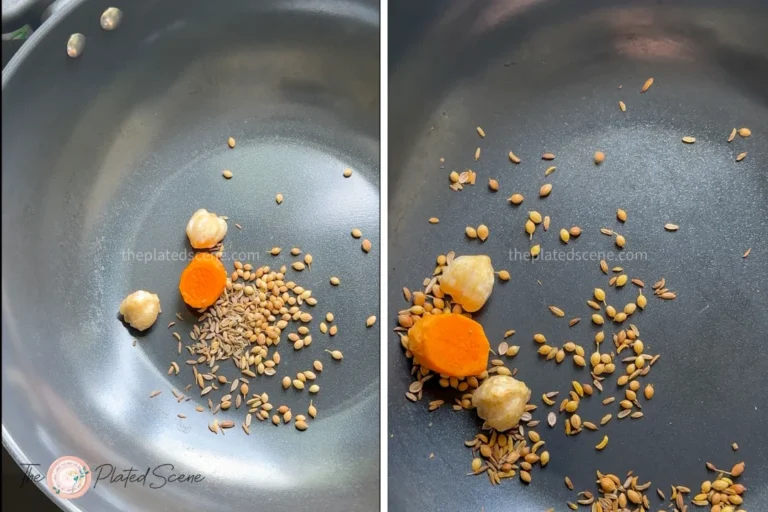
1. Dry roast the cumin seeds, coriander seeds, turmeric, and candlenut in a pan. This crucial first step unlocks incredible depth of flavor that makes all the difference in your ayam bakar. Cut the candlenuts into smaller pieces first so they toast evenly, then add everything to a dry pan over medium-low heat. Stir constantly and listen for the gentle sizzling sounds – the spices will become incredibly fragrant after about 3-4 minutes. You’ll know they’re ready when the cumin and coriander smell nutty and aromatic, and the turmeric becomes more vibrant. Don’t let them burn or they’ll turn bitter – if they start darkening too quickly, remove the pan from heat immediately.
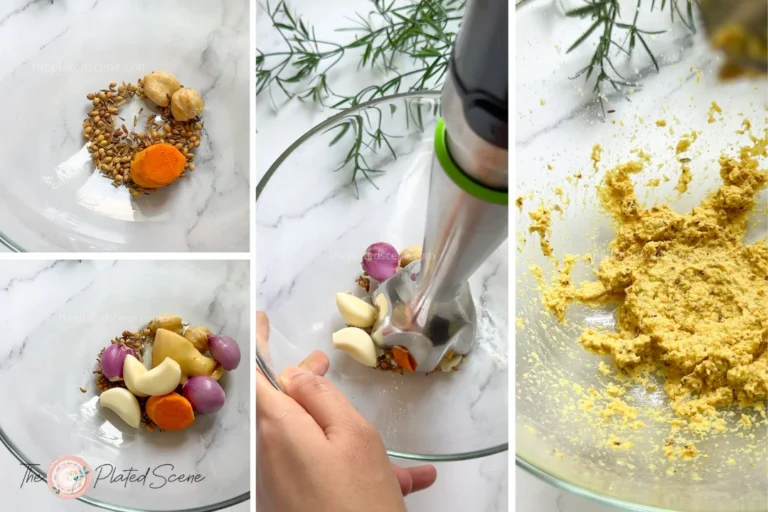
2. Blend the roasted spices with shallot, garlic, and ginger until smooth. Transfer your beautifully toasted spices to a food processor or high-powered blender, then add the fresh aromatics. Add just a tiny bit of oil – maybe a tablespoon – to help everything blend smoothly into a paste. Process until you have a relatively smooth mixture; it doesn’t need to be perfectly silky, but there shouldn’t be any large chunks remaining. This spice paste, or “bumbu,” is the heart of your ayam bakar, so take your time to get it right. If your blender struggles, add another splash of oil and scrape down the sides frequently.
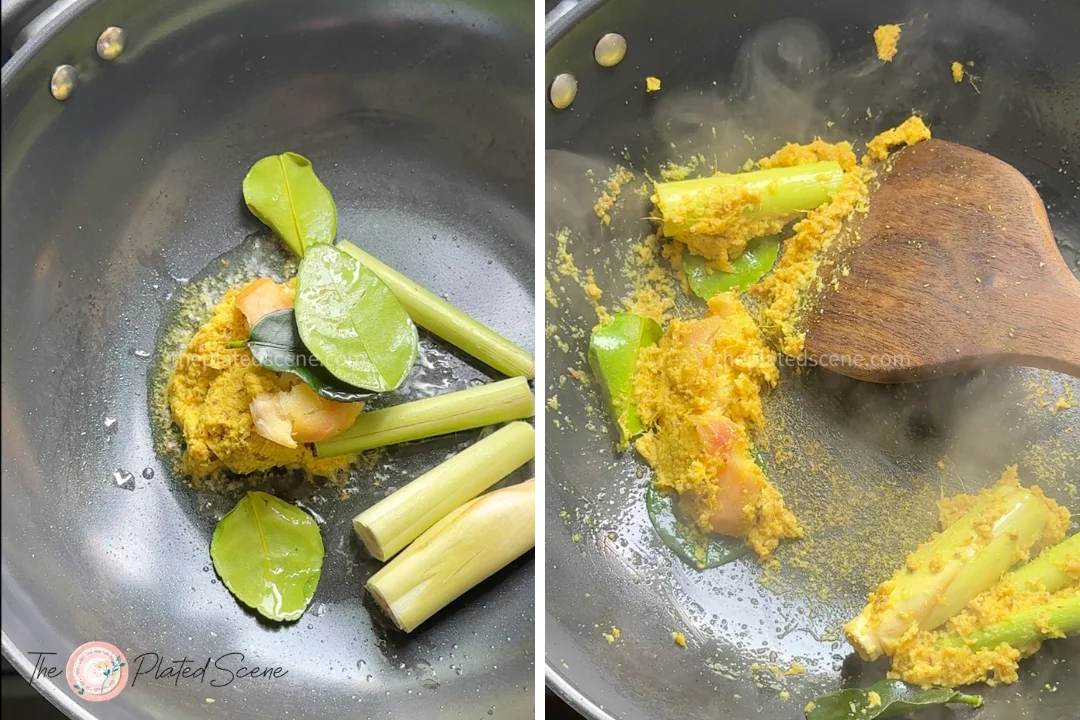
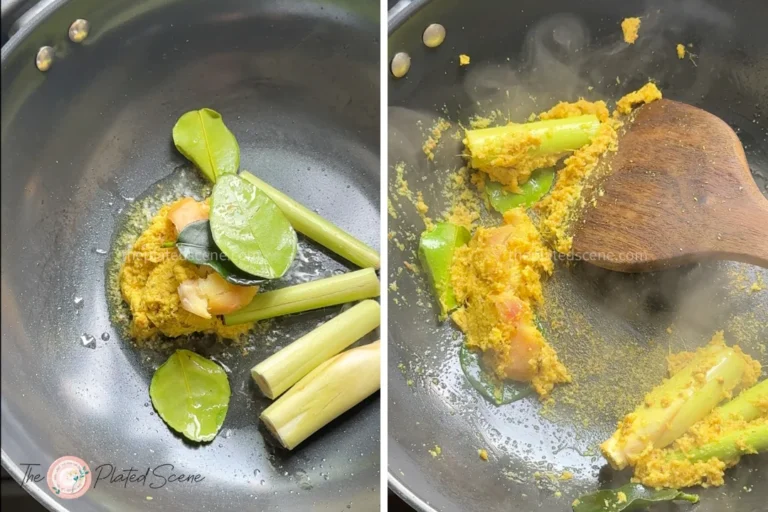
3. Sauté the spice paste with bruised galangal, lemongrass, and lime leaves over medium heat. Heat a large, heavy-bottomed pan or Dutch oven and add a little oil if needed. Add your freshly made spice paste along with the aromatics – make sure you’ve bruised the lemongrass and galangal by smashing them with your knife handle first. Cook this mixture, stirring constantly, until it becomes incredibly fragrant and darkens slightly. This usually takes about 5-6 minutes, and you’ll notice the raw smell disappearing as the flavors develop. The mixture should smell rich and complex, not sharp or raw. This step builds the flavor foundation for your entire ayam bakar.
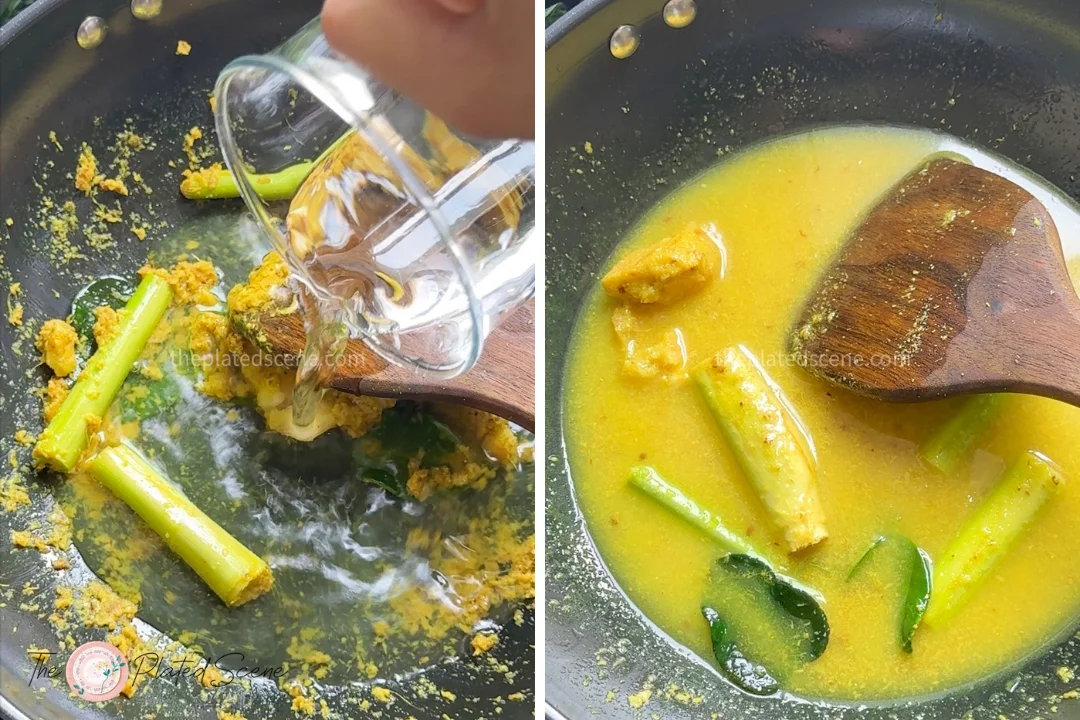
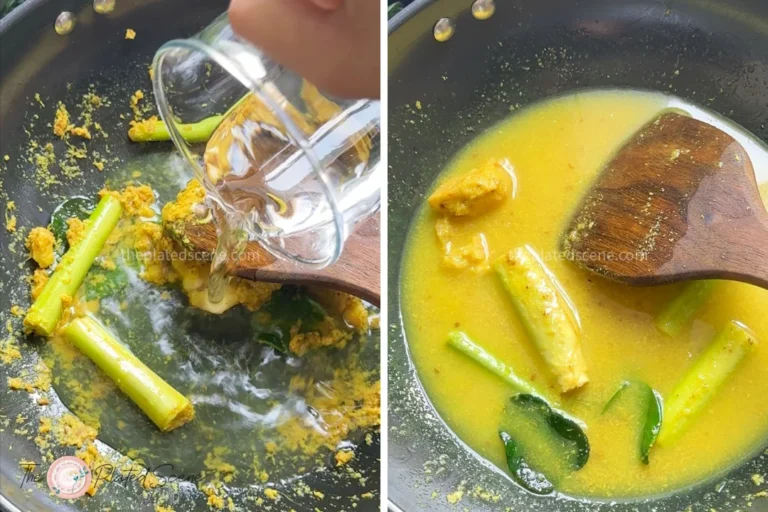
4. Add water and mix well until all the spice paste is diluted. Pour in your 200ml of water gradually while stirring constantly to prevent any lumps from forming. The mixture will bubble and steam dramatically at first – this is completely normal! Keep stirring until you have a smooth, well-combined liquid with no clumps of spice paste remaining. The color should be a beautiful golden-brown, and the aroma should be absolutely intoxicating by now. This creates the braising liquid that will transform your chicken into incredibly tender, flavorful ayam bakar.
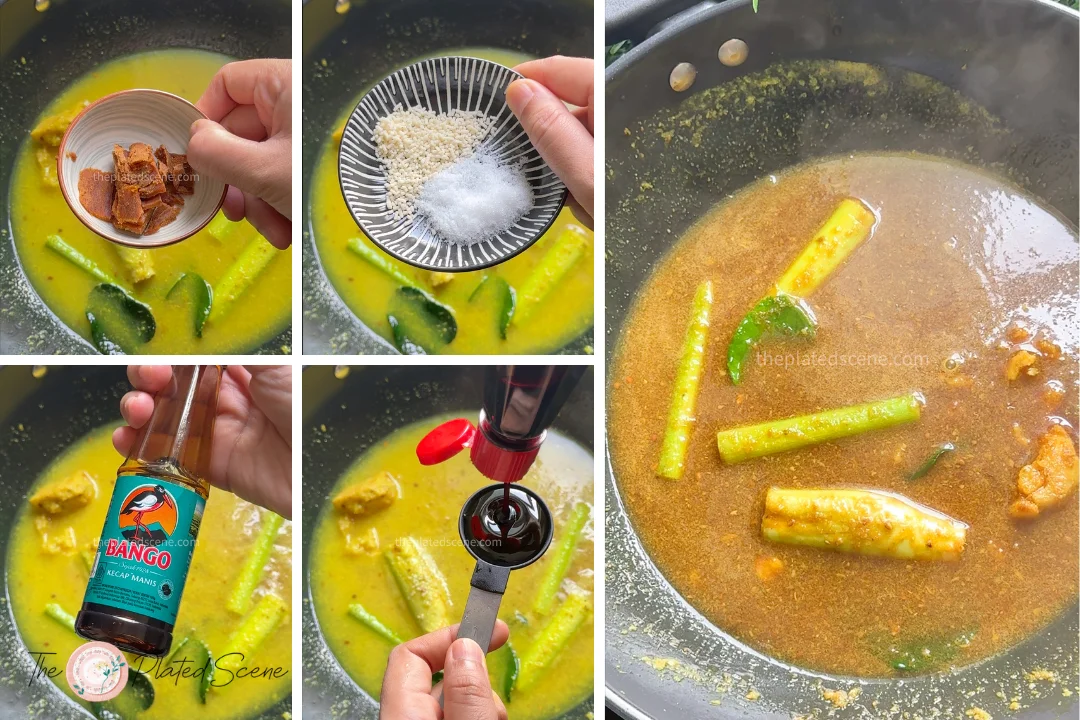
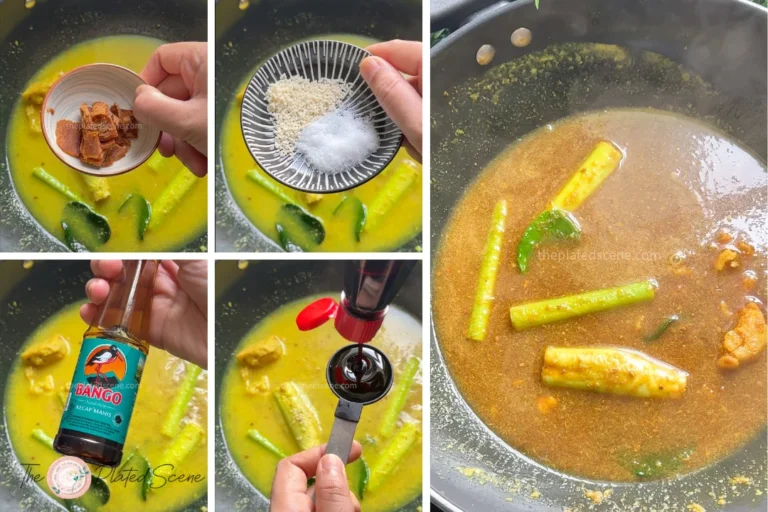
5. Add all the seasonings and mix until the palm sugar dissolves completely. Now comes the moment where your ayam bakar really starts to come together! Add the palm sugar, sweet soy sauce, broth powder, and salt to your aromatic liquid. Stir everything thoroughly and keep stirring until that palm sugar completely dissolves – you don’t want any grainy texture remaining. Taste the liquid at this point and adjust the seasoning if needed. It should be well-balanced with sweetness from the palm sugar and kecap manis, saltiness from the salt and broth powder, and incredible aromatic depth from all those beautiful spices.
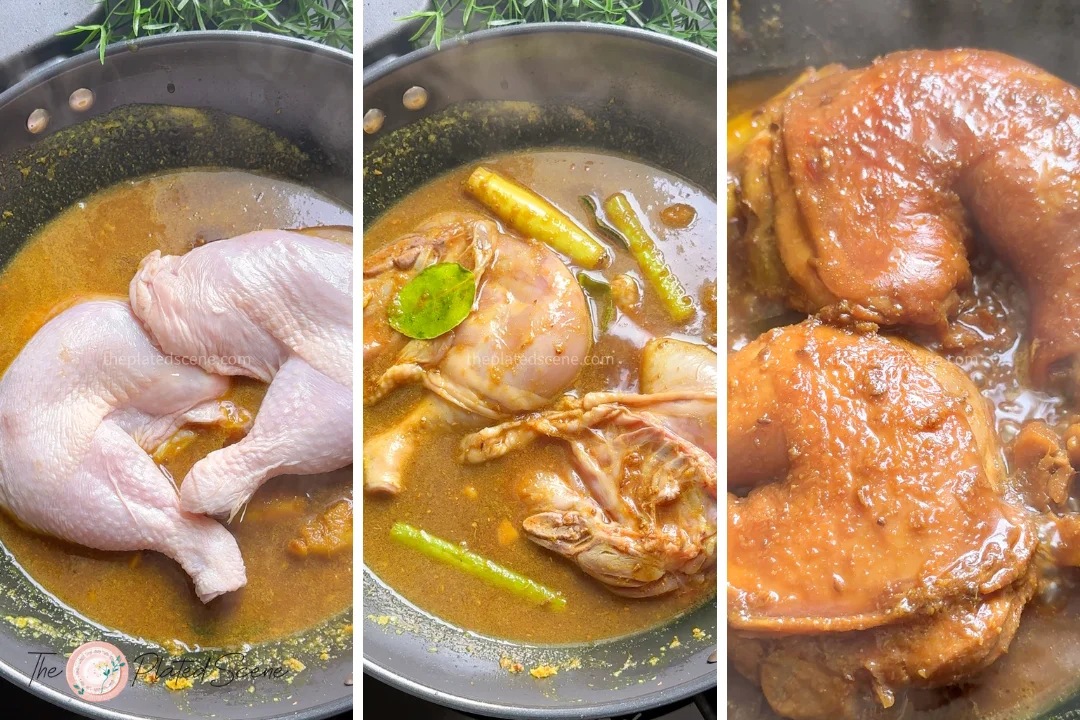
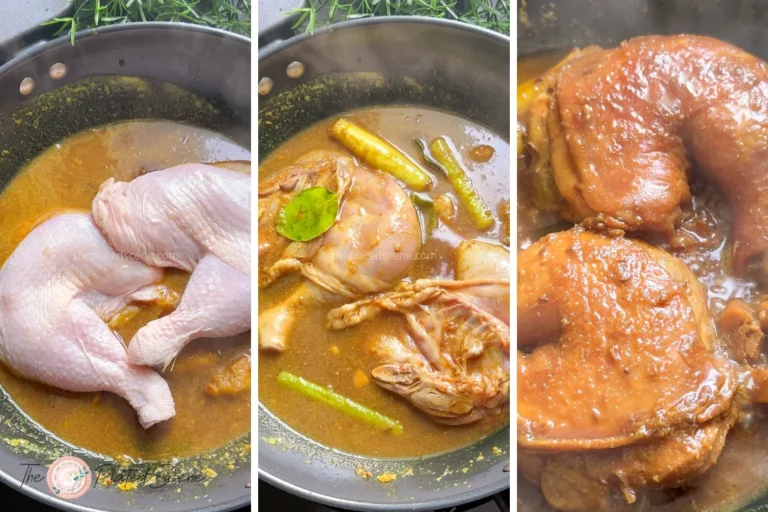
6. Add the chicken and simmer until the liquid reduces to a thick mixture. Nestle your chicken thighs into the fragrant braising liquid, making sure each piece is well-coated with the mixture. Bring everything to a gentle simmer, then reduce the heat to low-medium and let it work its magic. This is where patience really pays off – let the chicken simmer gently for about 30-40 minutes, turning the pieces occasionally to ensure even cooking. You’ll know it’s ready when the liquid has reduced to a thick, glossy sauce that coats the chicken beautifully. The chicken should be completely tender and have absorbed all those incredible flavors. Reserve that thick remaining sauce – it’s liquid gold for your ayam bakar!
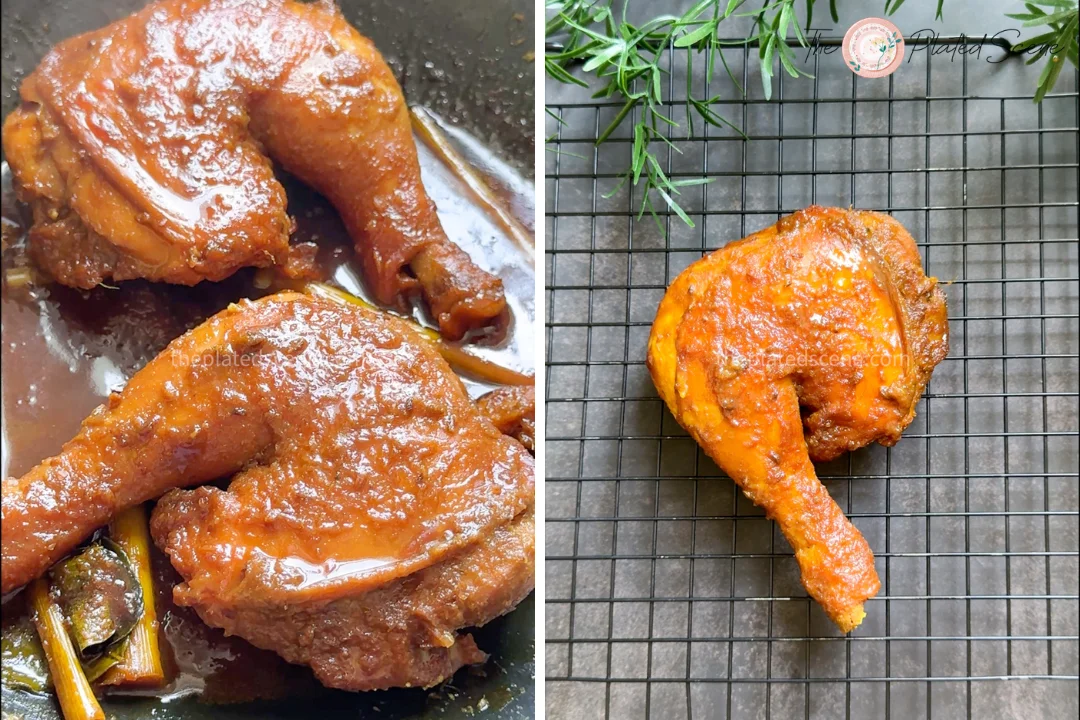
7. Remove the chicken from the pan and set aside. Carefully lift each piece of chicken from the reduced braising liquid, letting any excess sauce drip back into the pan. The chicken will be incredibly tender at this point, so handle it gently to avoid it falling apart. Set the braised chicken pieces on a plate while you prepare for the final grilling step. Don’t discard that remaining thick sauce in the pan – you can use it as an extra glaze or serve it alongside your finished ayam bakar for extra flavor.
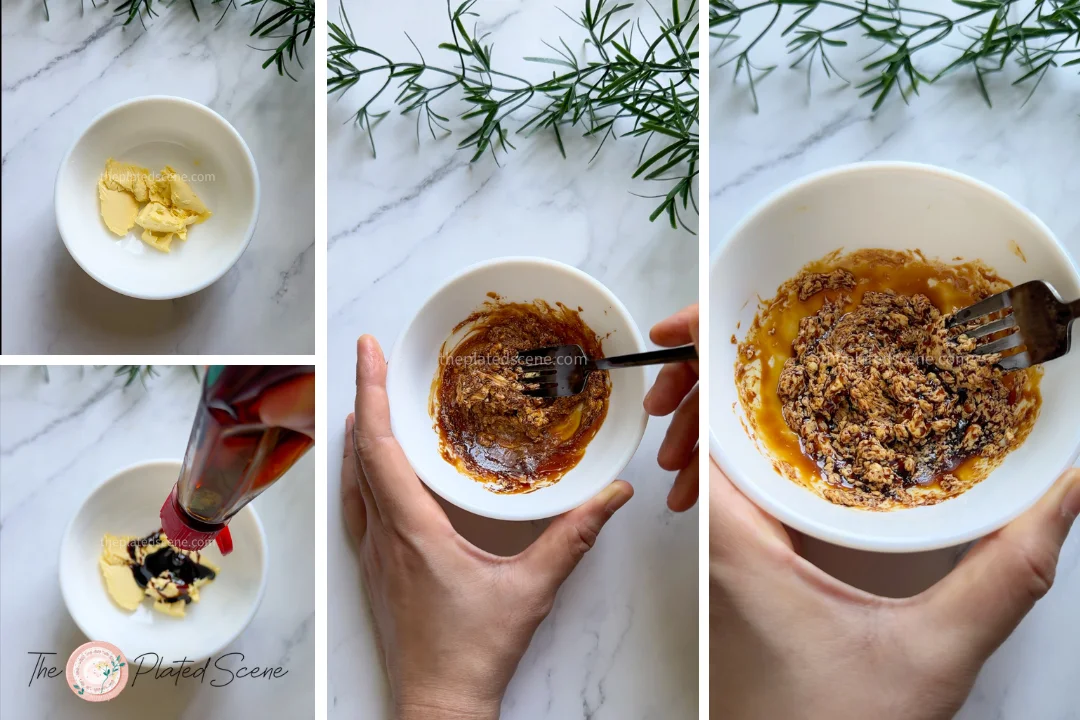
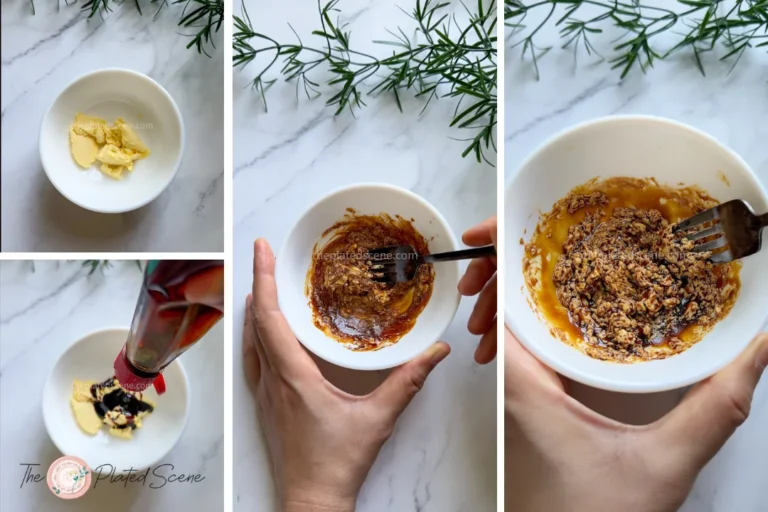
8. Prepare the brushing mixture by combining margarine with sweet soy sauce. In a small bowl, mix the room temperature margarine with the kecap manis until you have a smooth, glossy mixture. This basting sauce is what will give your ayam bakar that beautiful caramelized exterior and extra layer of sweet, savory flavor. Make sure the margarine is soft enough to blend easily – if it’s too cold, let it sit at room temperature for a few more minutes. This mixture should be smooth and spreadable, perfect for brushing onto your chicken during grilling.
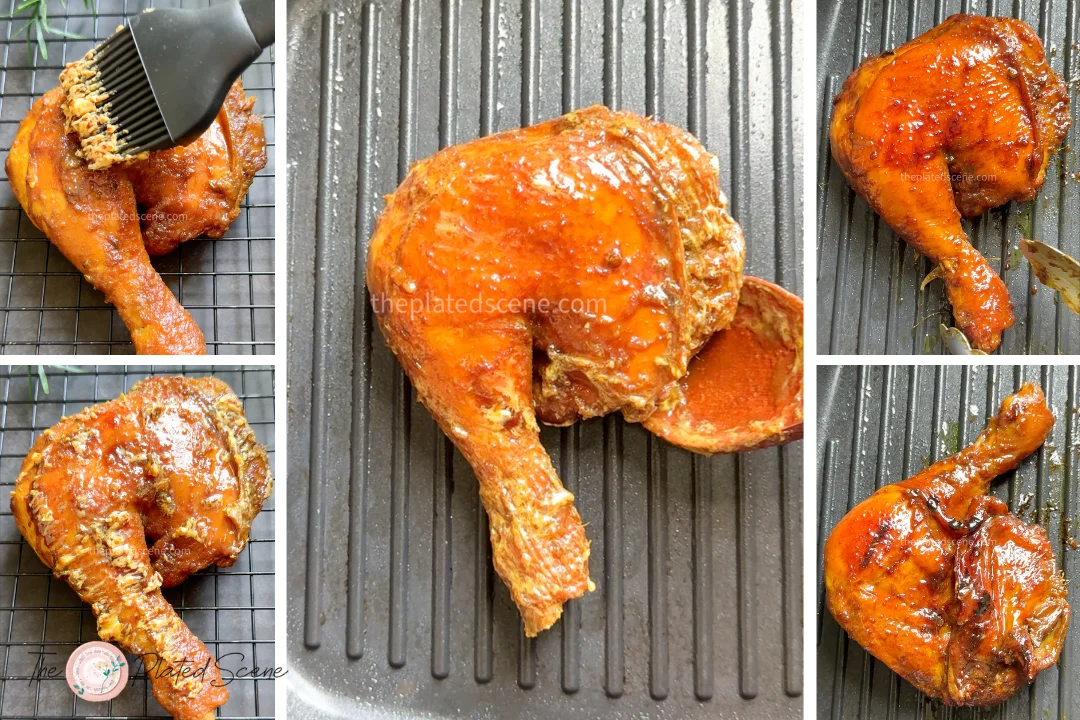
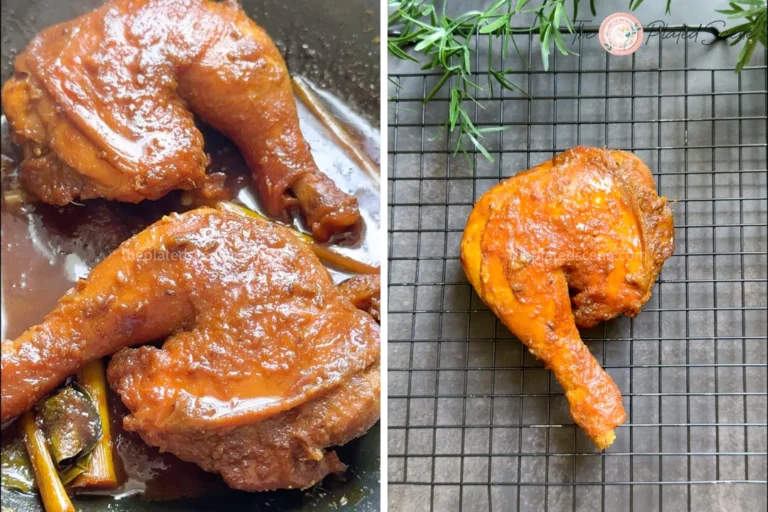
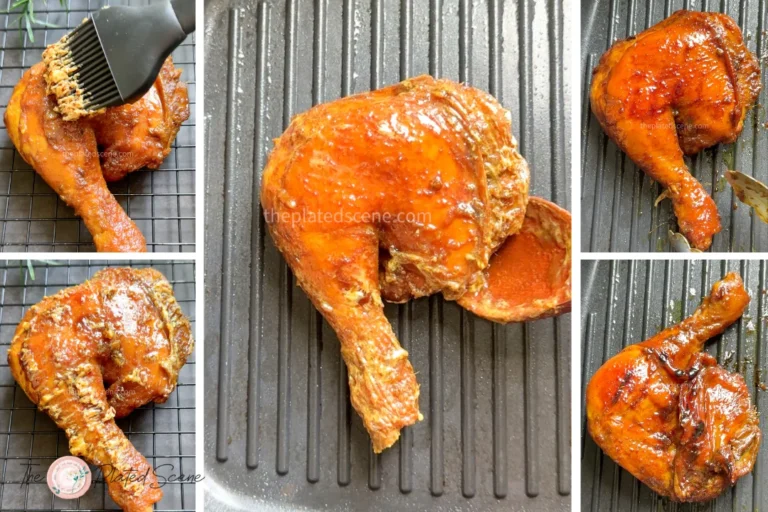
9. Grill the chicken, brushing with the margarine mixture and flipping as needed. Heat your grilling pan over medium-high heat until it’s nice and hot – you should hear a satisfying sizzle when the chicken hits the surface. Brush each piece of chicken lightly with your margarine mixture, then place them on the hot grill. Listen for that beautiful sizzling sound and resist the urge to move them too quickly. Grill for about 4-5 minutes per side, brushing with more of the margarine mixture each time you flip. You’re looking for gorgeous golden-brown char marks and a beautifully caramelized exterior. The chicken is already cooked from braising, so you’re just adding flavor and texture here. Your kitchen will smell absolutely incredible at this point!
What to Serve With Ayam Bakar
The beauty of ayam bakar lies not just in its incredible flavors, but in how wonderfully it pairs with traditional Indonesian accompaniments. A steaming bowl of jasmine rice is absolutely essential – it provides the perfect neutral base to soak up all those gorgeous caramelized juices from the chicken. I love serving this alongside our homemade Sambal Bawang for those who want extra heat and flavor complexity. Fresh cucumber slices and tomato wedges add cooling contrast, while a simple salad of blanched bean sprouts dressed with lime juice provides textural variety. For a more complete Indonesian feast, consider adding our Sayur Bening Bayam for a light, refreshing vegetable side that complements the rich chicken perfectly.
Troubleshooting Tips
If your ayam bakar turns out too salty, don’t panic! Simply serve it with extra rice and maybe a squeeze of fresh lime juice to balance the flavors. If the chicken seems dry, it likely means the braising liquid evaporated too quickly – next time, keep the heat lower and add a splash more water if needed during cooking. Should your spice paste taste too raw or sharp, make sure you’re cooking it long enough in step 3 until it becomes fragrant and mellow. Remember, cooking is all about learning and adjusting, and even experienced cooks have off days. The most important thing is to taste as you go and trust your instincts – you’ve got this!
Frequently Asked Questions
Can I make this ayam bakar ahead of time?
Absolutely! The braised chicken actually tastes even better the next day as the flavors continue to develop. Complete steps 1-7, then store the chicken in the refrigerator for up to 3 days. When ready to serve, simply proceed with the grilling steps. You can even do the final grilling, then reheat gently in the oven at 350°F for about 10 minutes.
How do I store leftover ayam bakar?
Store any leftover grilled chicken in an airtight container in the refrigerator for up to 4 days. To reheat, wrap in foil and warm in a 325°F oven for about 15 minutes, or use the microwave in short intervals to avoid drying it out. The flavors actually continue to develop, making leftovers incredibly delicious.
Can I freeze this dish?
Yes, ayam bakar freezes beautifully! After the braising stage (before grilling), cool completely and freeze in freezer-safe containers for up to 3 months. Thaw overnight in the refrigerator, then proceed with the grilling steps. You can also freeze the completed dish, though the texture will be slightly different after reheating.
What can I substitute for galangal if I can’t find it?
While galangal has a unique flavor that’s difficult to replicate exactly, you can substitute with an equal amount of fresh ginger plus a small piece of fresh lime zest. The flavor won’t be identical, but it will still be delicious. Some Asian stores also carry frozen galangal, which works perfectly in this recipe.
Can I use chicken breasts instead of thighs for ayam bakar?
While chicken thighs are traditional and stay more moist, you can use chicken breasts. Just reduce the braising time to about 20-25 minutes to prevent them from becoming tough, and be extra careful not to overcook during the grilling stage. Thighs are really worth seeking out for the most authentic results, though!
I hope this ayam bakar recipe brings as much joy to your kitchen as it has to mine over the years. There’s something truly magical about the way these traditional Indonesian flavors come together, creating a dish that’s both deeply satisfying and incredibly aromatic. Take your time with each step, enjoy the incredible smells filling your home, and don’t be afraid to adjust the seasonings to suit your family’s taste preferences. I’d love to hear about your ayam bakar adventures – please share your photos and any creative variations you discover in the comments below!
Ayam Bakar: Authentic Indonesian Grilled Chicken Recipe
2
servings20
minutes35
minutes485
kcal55
minutesKeep the screen of your device on
Ingredients
- main ingredients
2 chicken 2 thighs
6.76 fl oz 200 ml water
- other ingredients
1 stalk 1 lemongrass
2 kaffir 2 lime leaves
0.53 oz 15 g galangal (about ½ thumb)
- seasoning
0.53 oz 15 g palm sugar (gula aren)
2 tablespoons 2 tablespoons sweet soy sauce (kecap manis)
1 tsp 1 tsp broth powder
1 teaspoon 1 teaspoon salt
- blended ingredients
0.53 oz 15 g shallot
0.53 oz 15 g ginger
0.35 oz 10 g garlic (about 2–3 cloves)
0.18 oz 5 g turmeric
2 candlenut 2 s
0.5 tsp 0.5 tsp cumin seeds
1 tsp 1 tsp whole coriander seeds
- Brushing Mix
3 tbsp 3 tbsp Margarine (room temperature)
2 tbsp 2 tbsp Sweet Soy sauce (Kecap Manis)
Directions
- Dry roast the cumin seeds, coriander seeds, turmeric, and candlenut in a pan.
This crucial first step unlocks incredible depth of flavor that makes all the difference in your ayam bakar. Cut the candlenuts into smaller pieces first so they toast evenly, then add everything to a dry pan over medium-low heat. Stir constantly and listen for the gentle sizzling sounds – the spices will become incredibly fragrant after about 3-4 minutes. You’ll know they’re ready when the cumin and coriander smell nutty and aromatic, and the turmeric becomes more vibrant. Don’t let them burn or they’ll turn bitter – if they start darkening too quickly, remove the pan from heat immediately.
- Blend the roasted spices with shallot, garlic, and ginger until smooth.
Transfer your beautifully toasted spices to a food processor or high-powered blender, then add the fresh aromatics. Add just a tiny bit of oil – maybe a tablespoon – to help everything blend smoothly into a paste. Process until you have a relatively smooth mixture; it doesn’t need to be perfectly silky, but there shouldn’t be any large chunks remaining. This spice paste, or “bumbu,” is the heart of your ayam bakar, so take your time to get it right. If your blender struggles, add another splash of oil and scrape down the sides frequently. - Sauté the spice paste with bruised galangal, lemongrass, and lime leaves over medium heat.
Heat a large, heavy-bottomed pan or Dutch oven and add a little oil if needed. Add your freshly made spice paste along with the aromatics – make sure you’ve bruised the lemongrass and galangal by smashing them with your knife handle first. Cook this mixture, stirring constantly, until it becomes incredibly fragrant and darkens slightly. This usually takes about 5-6 minutes, and you’ll notice the raw smell disappearing as the flavors develop. The mixture should smell rich and complex, not sharp or raw. This step builds the flavor foundation for your entire ayam bakar. - Add water and mix well until all the spice paste is diluted.
Pour in your 200ml of water gradually while stirring constantly to prevent any lumps from forming. The mixture will bubble and steam dramatically at first – this is completely normal! Keep stirring until you have a smooth, well-combined liquid with no clumps of spice paste remaining. The color should be a beautiful golden-brown, and the aroma should be absolutely intoxicating by now. This creates the braising liquid that will transform your chicken into incredibly tender, flavorful ayam bakar. - Add all the seasonings and mix until the palm sugar dissolves completely.
Now comes the moment where your ayam bakar really starts to come together! Add the palm sugar, sweet soy sauce, broth powder, and salt to your aromatic liquid. Stir everything thoroughly and keep stirring until that palm sugar completely dissolves – you don’t want any grainy texture remaining. Taste the liquid at this point and adjust the seasoning if needed. It should be well-balanced with sweetness from the palm sugar and kecap manis, saltiness from the salt and broth powder, and incredible aromatic depth from all those beautiful spices. - Add the chicken and simmer until the liquid reduces to a thick mixture.
Nestle your chicken thighs into the fragrant braising liquid, making sure each piece is well-coated with the mixture. Bring everything to a gentle simmer, then reduce the heat to low-medium and let it work its magic. This is where patience really pays off – let the chicken simmer gently for about 30-40 minutes, turning the pieces occasionally to ensure even cooking. You’ll know it’s ready when the liquid has reduced to a thick, glossy sauce that coats the chicken beautifully. The chicken should be completely tender and have absorbed all those incredible flavors. Reserve that thick remaining sauce – it’s liquid gold for your ayam bakar! - Remove the chicken from the pan and set aside.
Carefully lift each piece of chicken from the reduced braising liquid, letting any excess sauce drip back into the pan. The chicken will be incredibly tender at this point, so handle it gently to avoid it falling apart. Set the braised chicken pieces on a plate while you prepare for the final grilling step. Don’t discard that remaining thick sauce in the pan – you can use it as an extra glaze or serve it alongside your finished ayam bakar for extra flavor. - Prepare the brushing mixture by combining margarine with sweet soy sauce.
In a small bowl, mix the room temperature margarine with the kecap manis until you have a smooth, glossy mixture. This basting sauce is what will give your ayam bakar that beautiful caramelized exterior and extra layer of sweet, savory flavor. Make sure the margarine is soft enough to blend easily – if it’s too cold, let it sit at room temperature for a few more minutes. This mixture should be smooth and spreadable, perfect for brushing onto your chicken during grilling. - Grill the chicken, brushing with the margarine mixture and flipping as needed.
Heat your grilling pan over medium-high heat until it’s nice and hot – you should hear a satisfying sizzle when the chicken hits the surface. Brush each piece of chicken lightly with your margarine mixture, then place them on the hot grill. Listen for that beautiful sizzling sound and resist the urge to move them too quickly. Grill for about 4-5 minutes per side, brushing with more of the margarine mixture each time you flip. You’re looking for gorgeous golden-brown char marks and a beautifully caramelized exterior. The chicken is already cooked from braising, so you’re just adding flavor and texture here. Your kitchen will smell absolutely incredible at this point!
Notes
- Best served immediately with steamed rice and sambal for authentic experience. Leftover chicken can be refrigerated for 2 days and reheated on grill for best texture.

