

The craving hit me hard last Saturday evening in my Singapore apartment – I was scrolling through old photos and saw one of my mother’s fu yung hai recipe, that perfect crispy omelette topped with glossy sweet and sour sauce. Living here in Singapore, I’ve discovered that while I can find many Indonesian dishes at Lucky Plaza and Golden Mile, authentic fu yung hai recipe is surprisingly rare to find done well. My mother always made this Chinese-Indonesian comfort food for special family dinners back home, and the memory of that first crispy bite followed by the tangy sauce made my mouth water instantly.
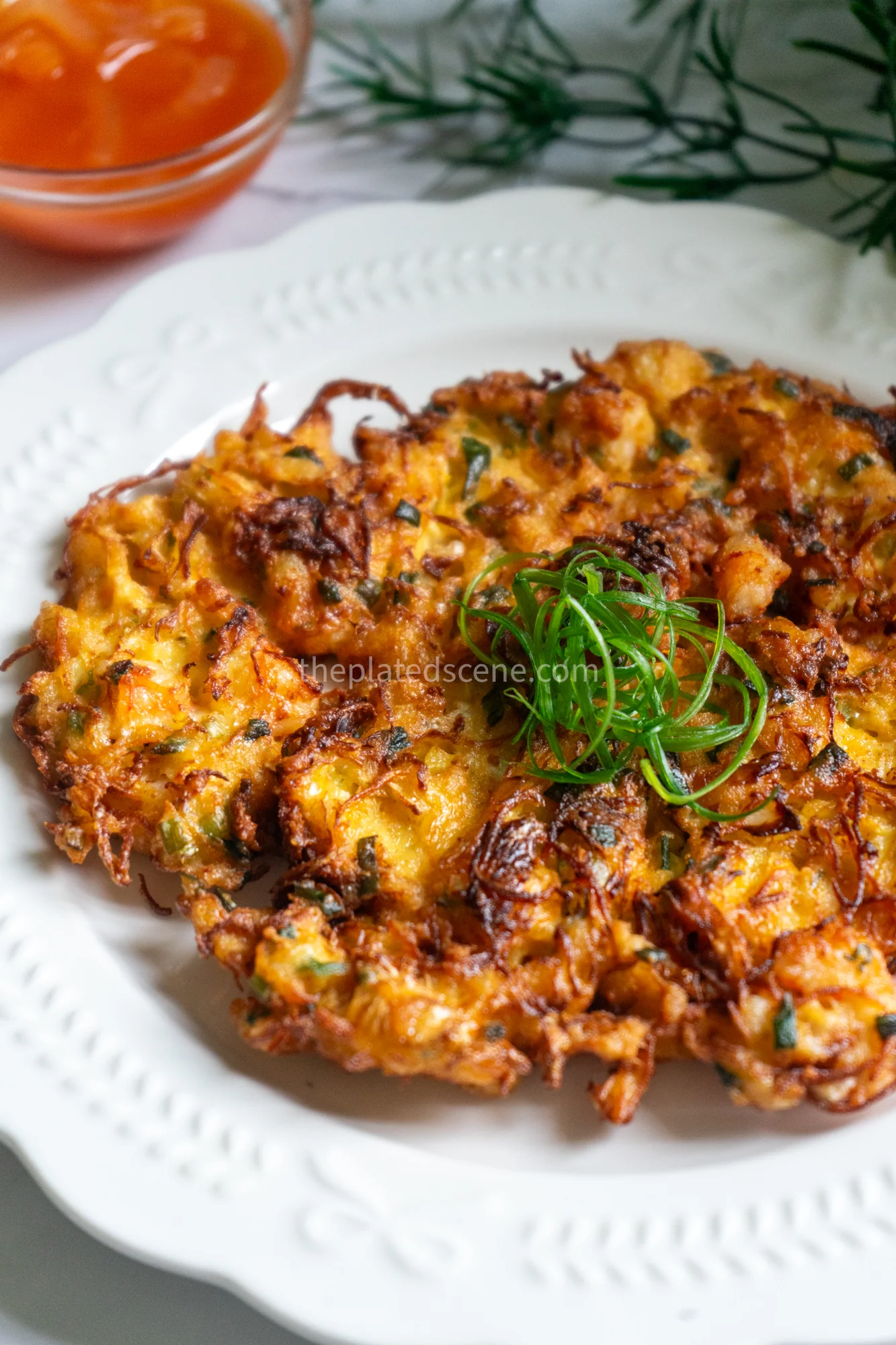
Fu yung hai recipe represents everything I love about Indonesian Chinese cuisine – it’s the perfect marriage of Chinese cooking techniques with Indonesian flavors and ingredients. This isn’t just any omelette, it’s a celebration of textures and tastes that brings families together around the dinner table. When I make this dish in my tiny kitchen here, the aroma of garlic and prawns frying fills my entire apartment, instantly transporting me back to Sunday dinners with my family in Indonesia.
What makes my fu yung hai recipe special is the attention to achieving that perfect crispy exterior while keeping the inside tender and flavorful. I’ve spent months perfecting the batter consistency and sauce balance to match my childhood memories. Today, I’m sharing this treasured family recipe with you because I believe everyone deserves to experience the joy of this incredible Chinese-Indonesian comfort food in their own kitchen.
Table of Contents
The Story Behind Fu Yung Hai Recipe
Fu yung hai has its roots in Chinese cuisine, but it was beautifully adapted by Indonesian Chinese communities over generations to create something uniquely Indonesian. This Chinese-Indonesian fusion dish emerged from the creativity of Chinese immigrants who settled in Indonesia, blending traditional Chinese omelette techniques with local Indonesian ingredients and flavors. The name itself reflects this cultural fusion – “fu yung” comes from Chinese cooking tradition, while the preparation method and ingredients show distinct Indonesian influences.
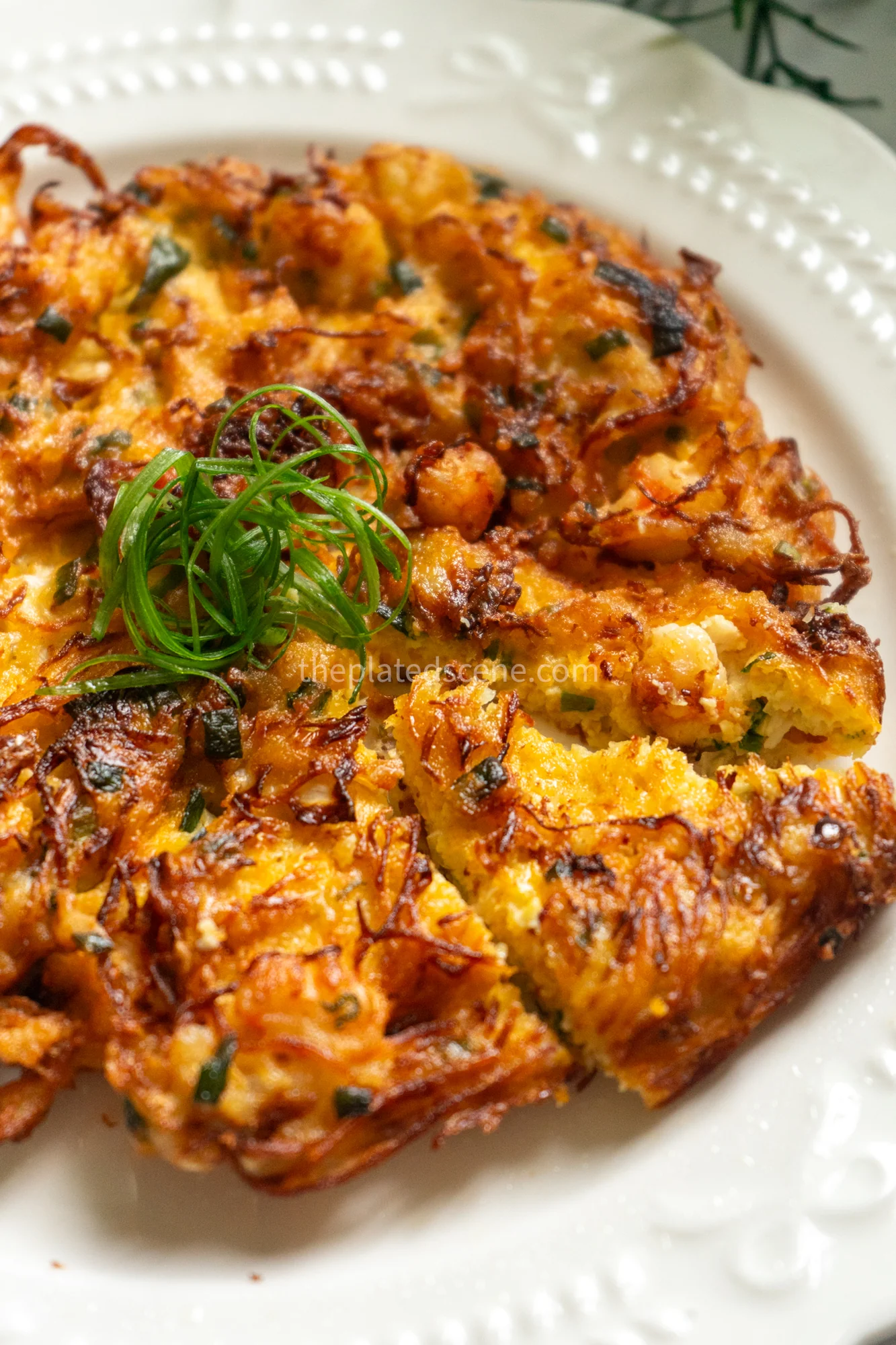
Traditionally, fu yung hai recipe is served during family gatherings and special occasions in Indonesian Chinese households. It represents abundance and prosperity, with the round shape of the omelette symbolizing completeness and unity. The dish became a staple in Indonesian Chinese restaurants and home kitchens alike, often appearing alongside other beloved Chinese-Indonesian dishes during celebrations and Sunday family dinners.
Today, fu yung hai recipe remains a beloved comfort food across Indonesia, from high-end Chinese restaurants to humble warungs. The dish has evolved to include various regional interpretations, with some areas adding local vegetables or adjusting the sauce to suit local palates. What hasn’t changed is its status as the ultimate comfort food that brings people together around the table.
What to Expect: Flavors and Textures
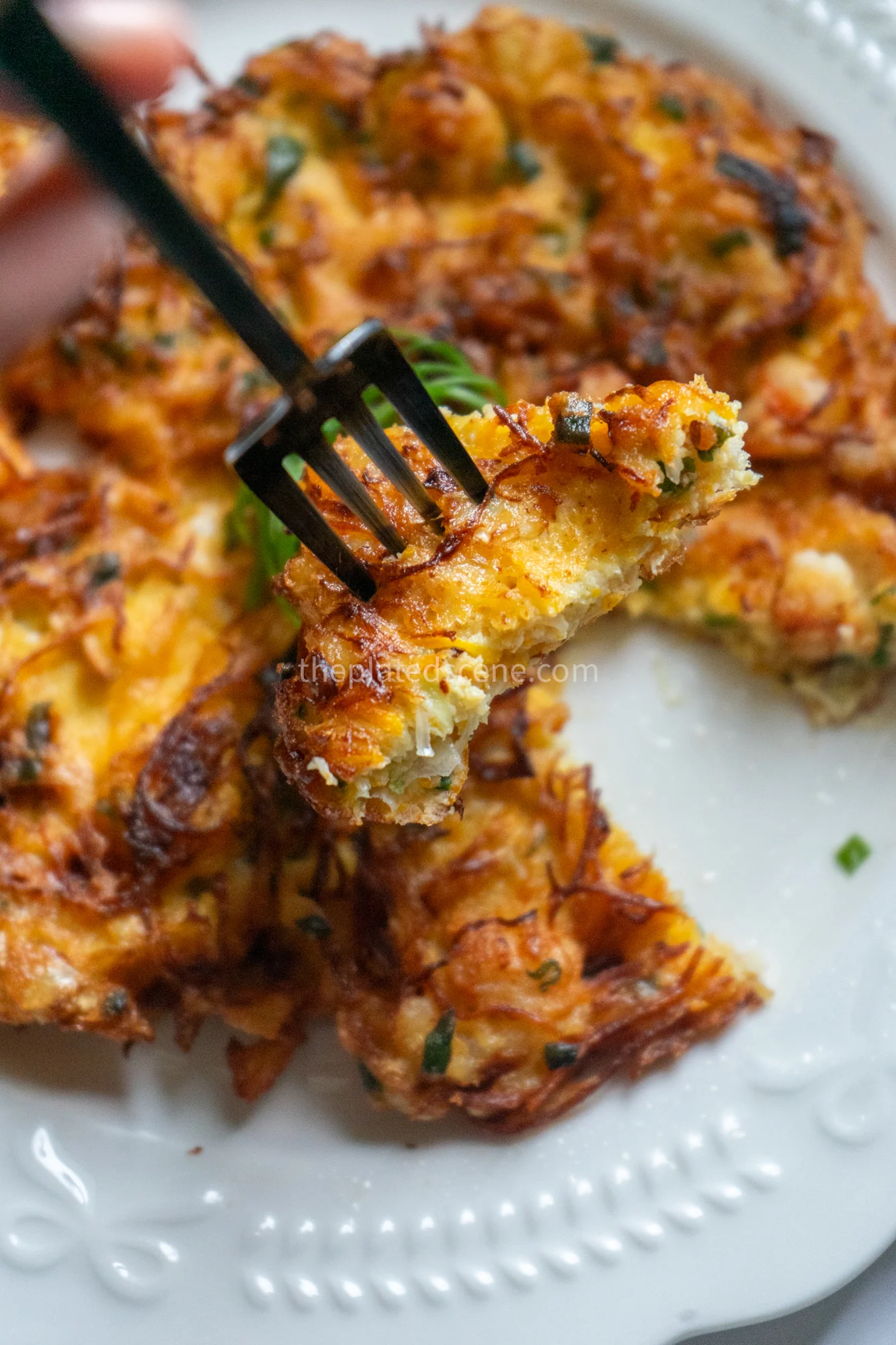
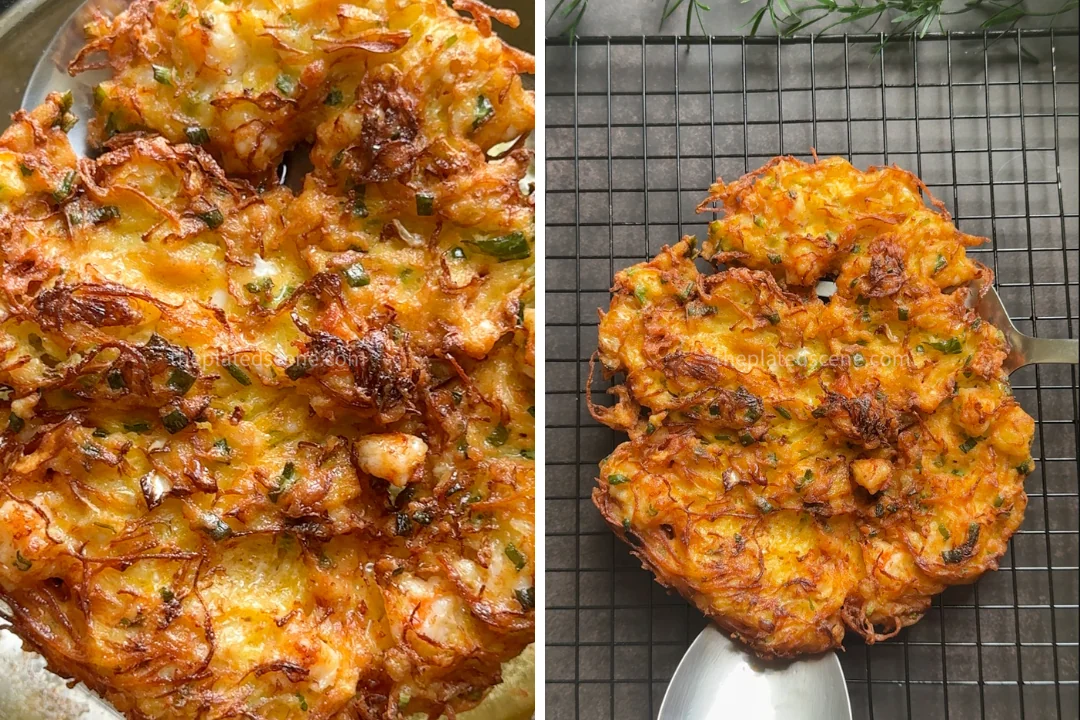
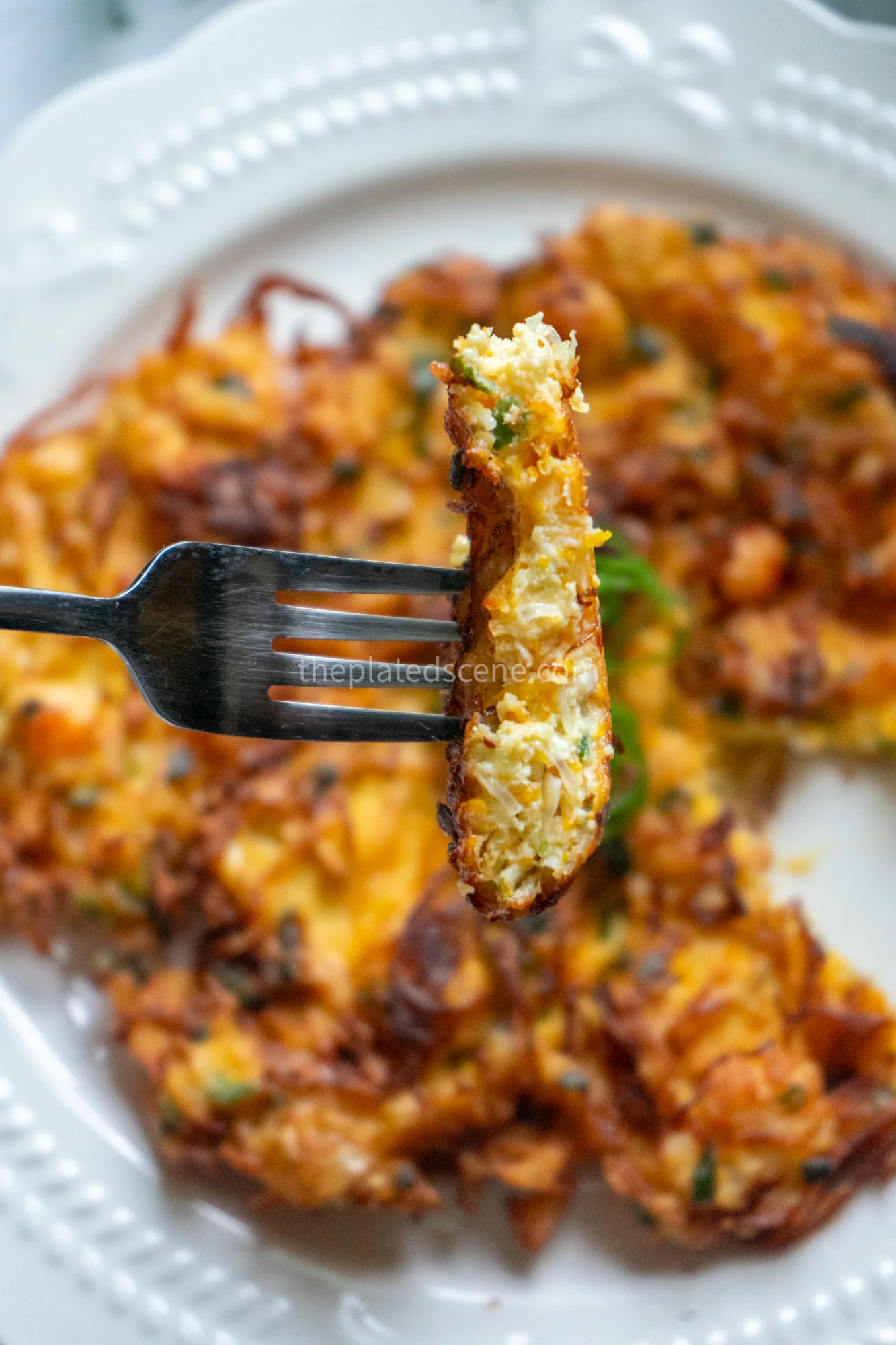
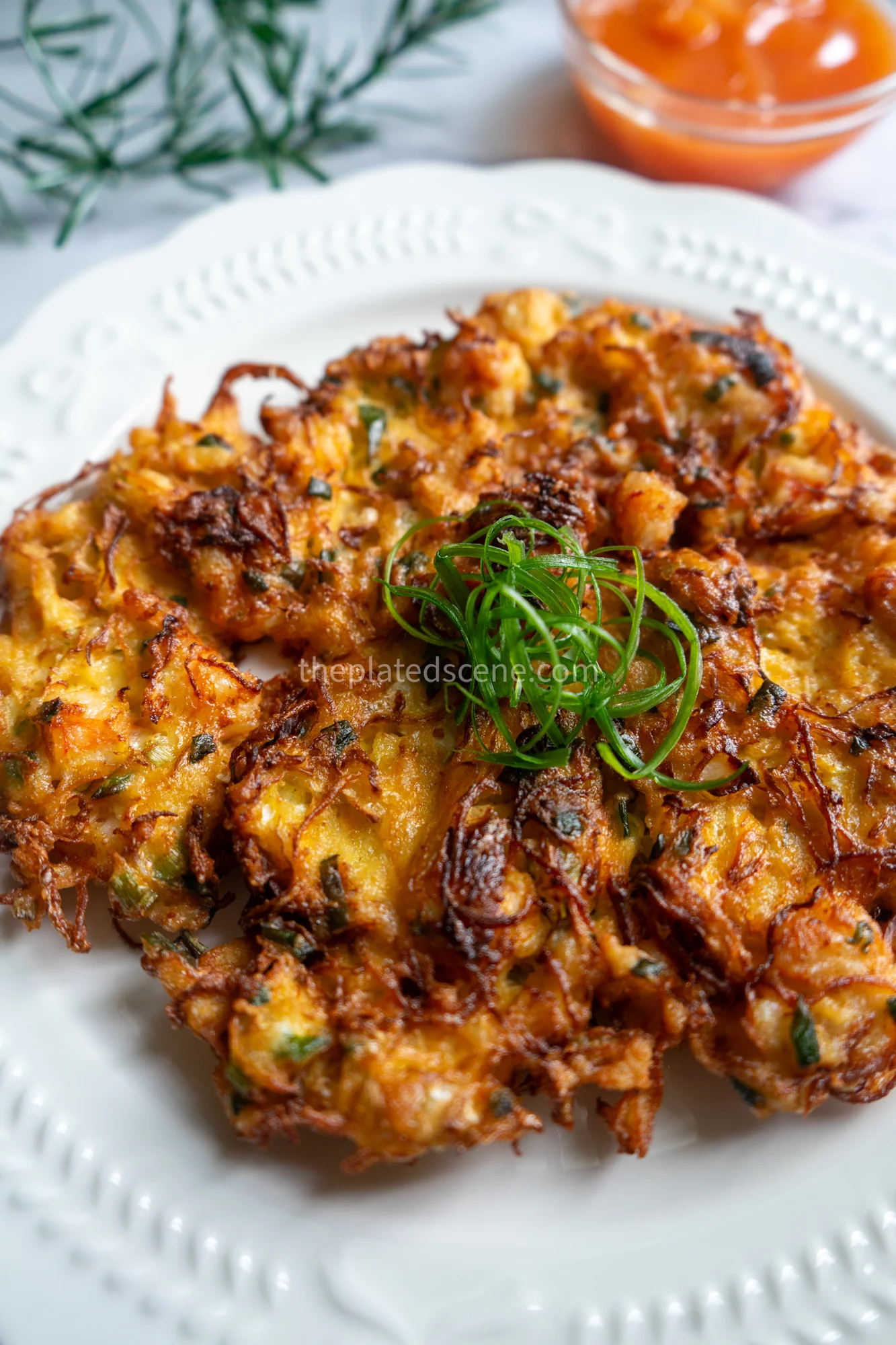
The first bite of fu yung hai recipe is pure magic – your teeth break through the golden, crispy exterior to reveal a tender, fluffy interior packed with savory prawns and chicken. The omelette itself has a delicate egg flavor enhanced by sesame oil and the umami richness from mushroom stock, while pieces of sweet prawns and seasoned chicken provide bursts of protein goodness. The vegetables add wonderful texture contrast, with cabbage providing crunch and carrots contributing subtle sweetness that balances the savory elements perfectly.
Common Mistakes to Avoid
The biggest mistake people make with fu yung hai recipe is using too much oil temperature that’s not hot enough, resulting in greasy, soggy omelettes instead of crispy ones. Another common issue is overmixing the batter or making it too thick, which creates dense, heavy omelettes rather than light and fluffy ones. Don’t rush the sauce preparation either – letting it thicken properly and balancing the sweet and sour elements is crucial for that authentic taste. Just like when making our crispy ayam goreng lengkuas, patience with the frying process is key to achieving perfect results.
Let’s Talk About the Ingredients
The beauty of fu yung hai recipe lies in how simple, everyday ingredients transform into something extraordinary when combined with the right technique. Each ingredient plays a crucial role in building layers of flavor and texture that make this dish so satisfying. The eggs form the foundation, but it’s the supporting cast of prawns, chicken, and fresh vegetables that create the complex flavors we love. Understanding how these ingredients work together will help you create the most authentic fu yung hai recipe possible.
Omelette
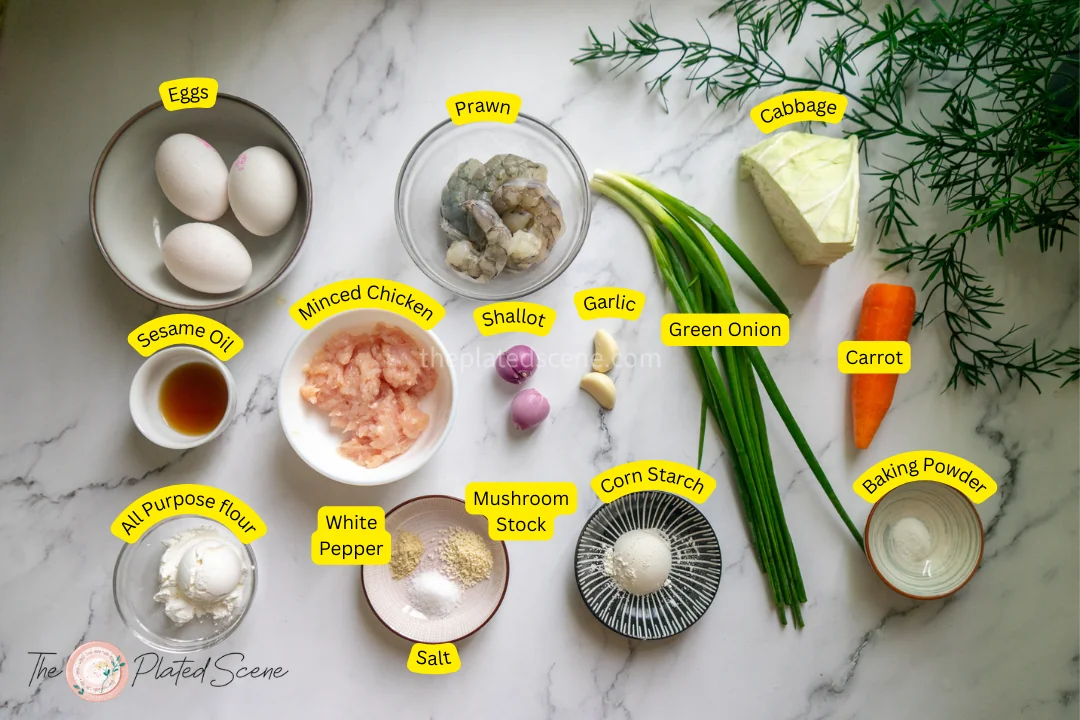
- Prawn (chopped) – Provides sweet, oceanic flavor and firm texture that makes each bite of the omelette special. Fresh prawns are ideal, but good quality frozen ones work perfectly too.
- Chicken (minced) – Adds protein and savory depth to the omelette filling. Use chicken thigh meat for more flavor and moisture, or breast meat for a leaner option.
- Green onion – Contributes fresh, mild onion flavor and beautiful color flecks throughout the omelette. Both the white and green parts are used for maximum flavor.
- Garlic – Essential for that aromatic foundation that makes Indonesian food so irresistible. Fresh garlic cloves give the best flavor when ground into a paste.
- Shallot – Provides a sweeter, more delicate onion flavor than regular onions and is fundamental to Indonesian cooking. Fresh shallots ground with garlic create the perfect aromatic base.
- Carrot – Adds natural sweetness, vibrant color, and a slight crunch to the omelette texture. Shred finely so they cook through quickly and distribute evenly.
- Cabbage – Contributes bulk, subtle sweetness, and wonderful texture contrast in the finished omelette. Shred thinly for even cooking and easy distribution.
- Egg – The star ingredient that binds everything together and creates the fluffy, tender base of our fu yung hai. Fresh, room temperature eggs whip up better for maximum fluffiness.
- Mushroom stock – Adds incredible umami depth that elevates the entire dish beyond ordinary omelettes. Mushroom powder or granules work perfectly for this concentrated flavor boost.
- Baking powder – The secret to achieving that light, fluffy texture that makes fu yung hai special. Just a small amount creates air bubbles for extra lift and tenderness.
- All purpose flour – Provides structure to hold all the ingredients together while still maintaining a tender texture. Don’t overdo it, as too much flour makes the omelette heavy.
- Sesame oil – Adds that distinctive nutty aroma and flavor that’s characteristic of Chinese cuisine. A little goes a long way, so use sparingly for authentic taste without overwhelming other flavors.
Tomato Sauce
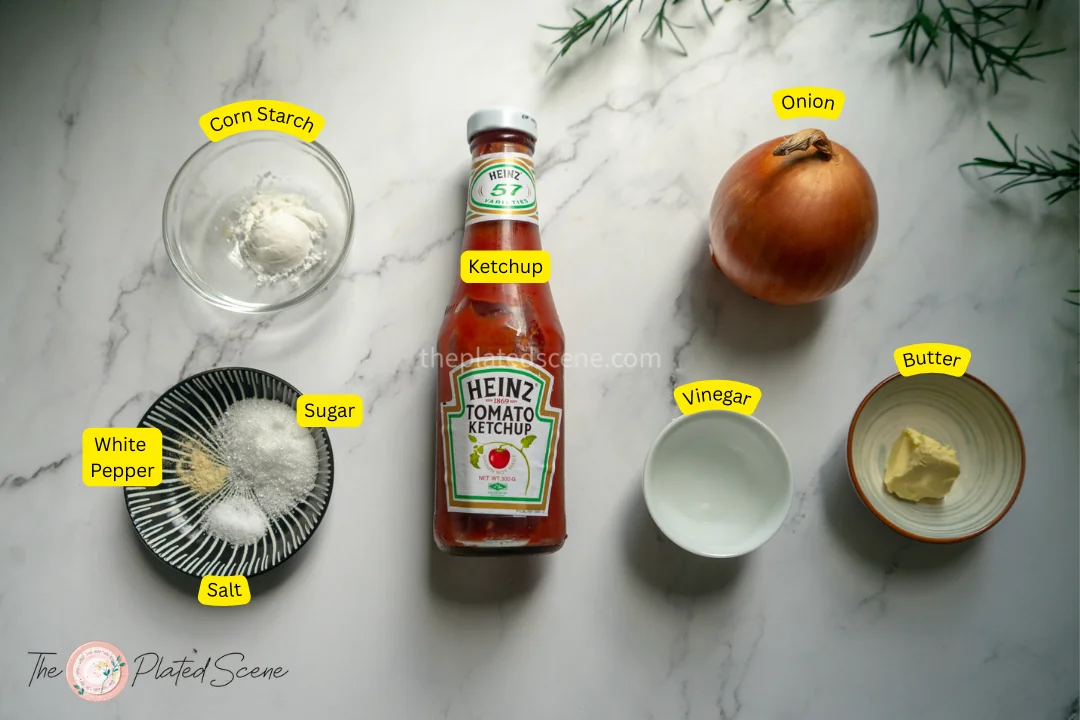
- Tomato sauce (ketchup) – This forms the sweet base of our signature sauce that tops the fu yung hai. Look for a good quality ketchup with balanced sweetness and acidity, as this will significantly impact your final sauce flavor.
- Water – Used to thin the sauce to the perfect consistency and help dissolve all the seasonings evenly. The amount can be adjusted based on how thick you prefer your sauce to be.
- Sugar – Balances the acidity of the tomato sauce and vinegar while adding the characteristic sweetness that makes this sauce so addictive. White granulated sugar works best for clean sweetness.
- Salt – Essential for enhancing all the other flavors in both the sauce and the omelette mixture. Use fine sea salt or table salt for even distribution.
- Pepper – Adds a subtle warmth and depth to both components of the dish. Fresh ground white pepper is traditional, but black pepper works too.
- Vinegar – Provides the tangy “sour” component in the sweet and sour sauce that cuts through the richness of the fried omelette. Rice vinegar or white vinegar both work well.
- Corn starch – Creates the glossy, thick consistency that makes the sauce cling beautifully to the omelette. Also helps create structure in the omelette batter for better texture.
- Onion – Adds sweetness and depth to the sauce when sautéed until translucent. Yellow or white onions work best for their mild, sweet flavor when cooked.
- Margarine/Butter – Used for sautéing the onions and adds richness to the sauce. You can substitute with butter if you prefer a more pronounced dairy flavor.
How to Make Fu Yung Hai Recipe
Don’t let the number of steps intimidate you – this fu yung hai recipe is actually quite straightforward once you get into the rhythm. The key is having all your ingredients prepped and ready before you start cooking, then taking your time with each step.
Omelette
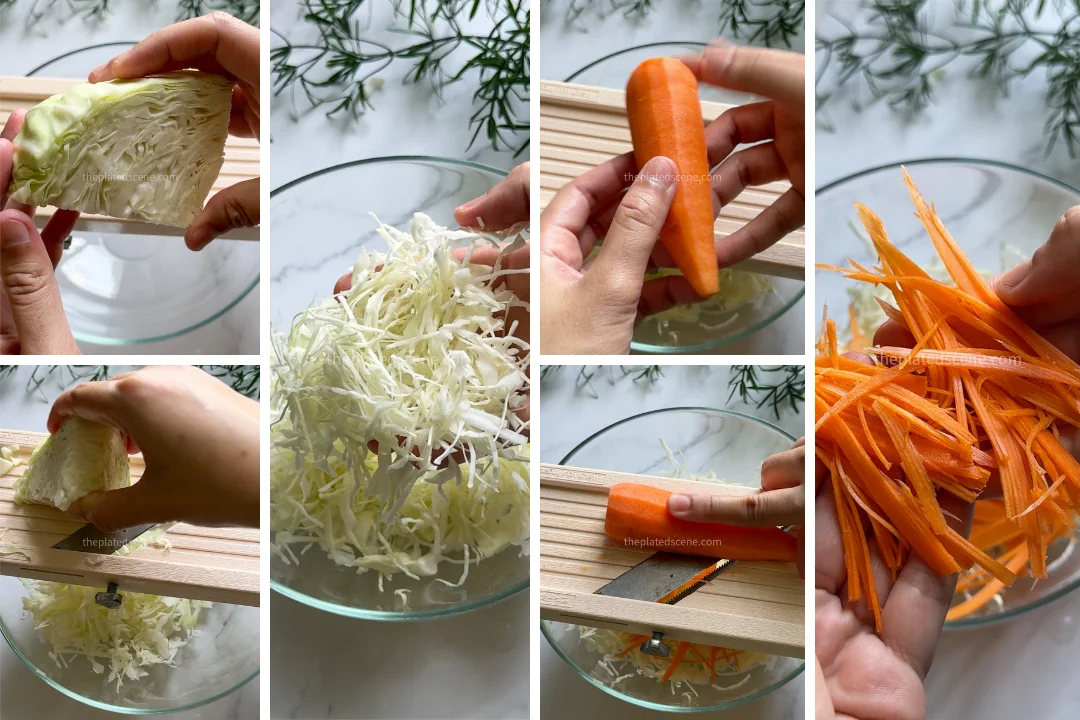
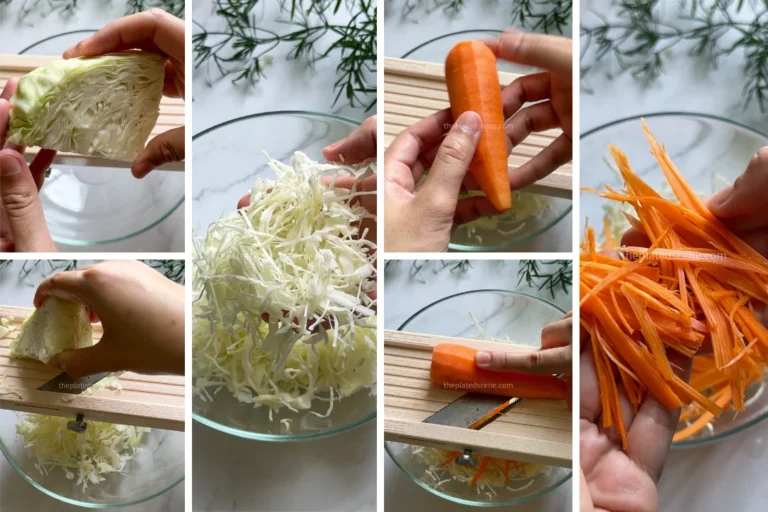
1. Slice and shred the cabbage and carrot thinly using a mandoline. Getting uniform, thin slices is crucial for even cooking and proper texture distribution throughout your fu yung hai recipe. If you don’t have a mandoline, use a sharp knife to cut the vegetables as thinly and evenly as possible. The thinner cuts will cook faster and blend better with the egg mixture, ensuring every bite has the perfect balance of vegetables.
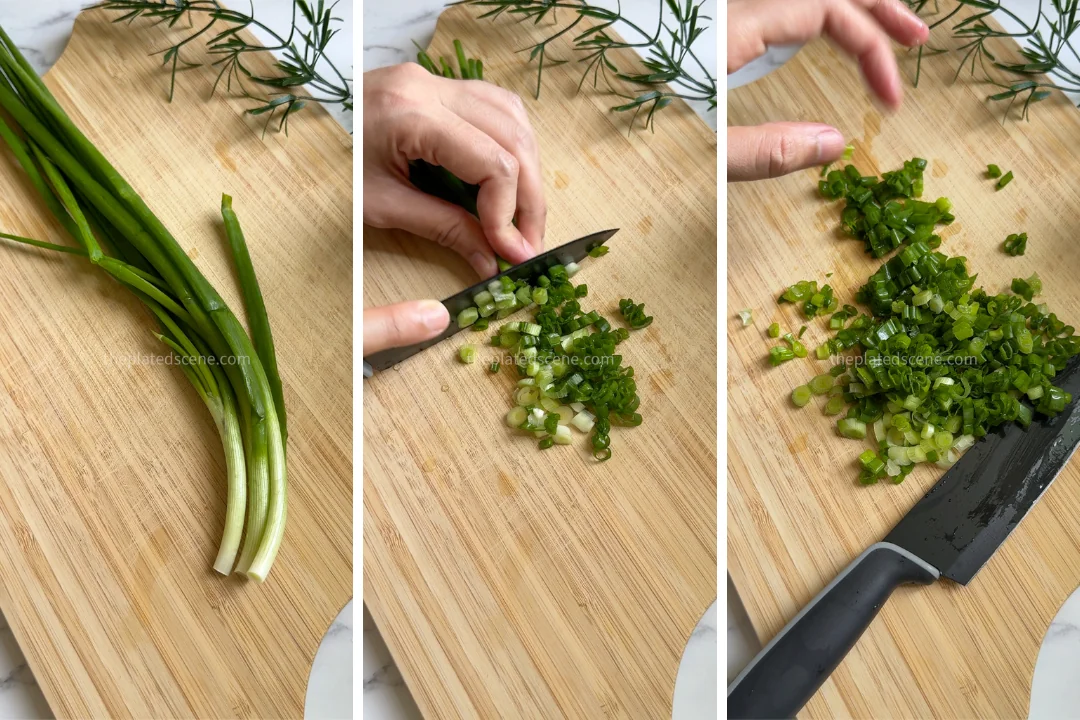
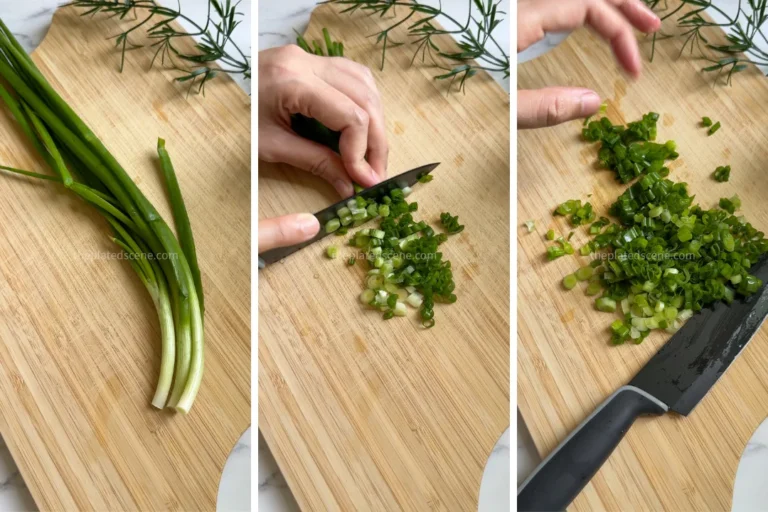
2. Slice the green onions into thin rounds. Cut both the white and green portions, as each part contributes different flavor notes to your fu yung hai recipe. Use a sharp knife to create clean cuts that won’t bruise the delicate green parts. Keep the sliced green onions separate until you’re ready to mix everything together, as they’ll add fresh flavor and beautiful color to the finished dish.
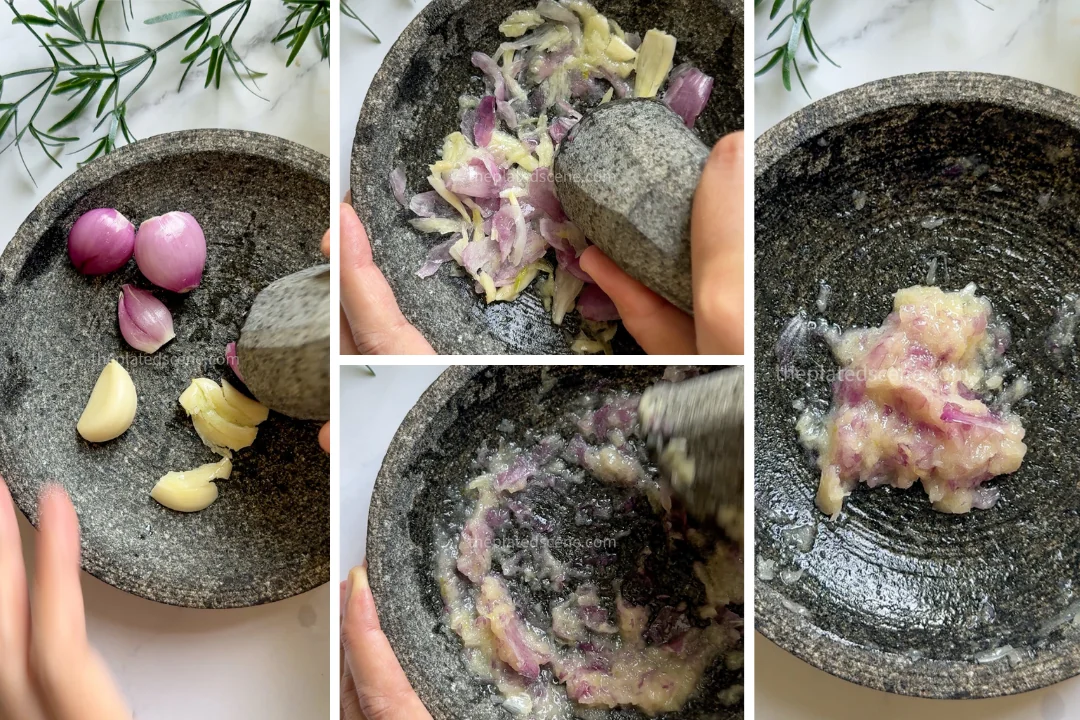
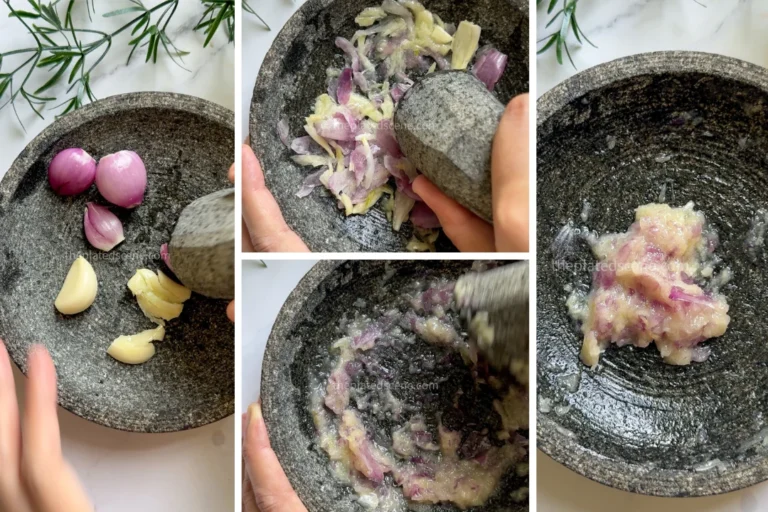
3. Blend the garlic and shallots using mortar and pestle. This traditional method creates a smooth paste that distributes flavor more evenly than chopped pieces would. Pound steadily until you achieve a smooth, aromatic paste that will form the flavor foundation of your fu yung hai recipe. If you don’t have a mortar and pestle, finely mince both ingredients and mash them with the flat side of your knife until paste-like.
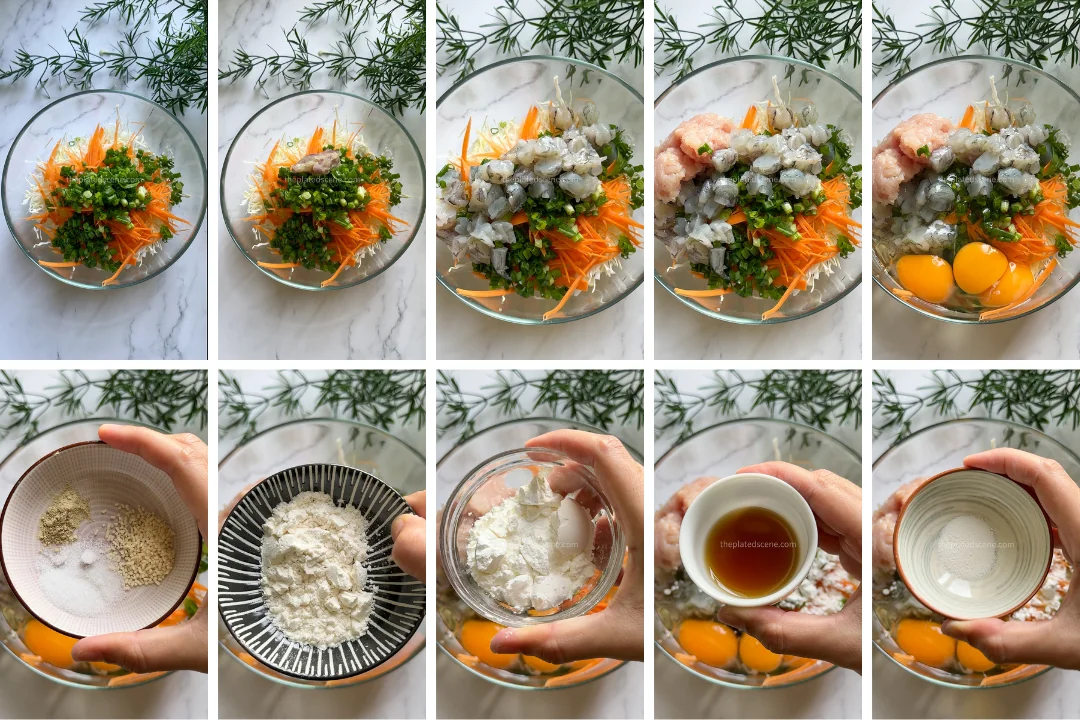
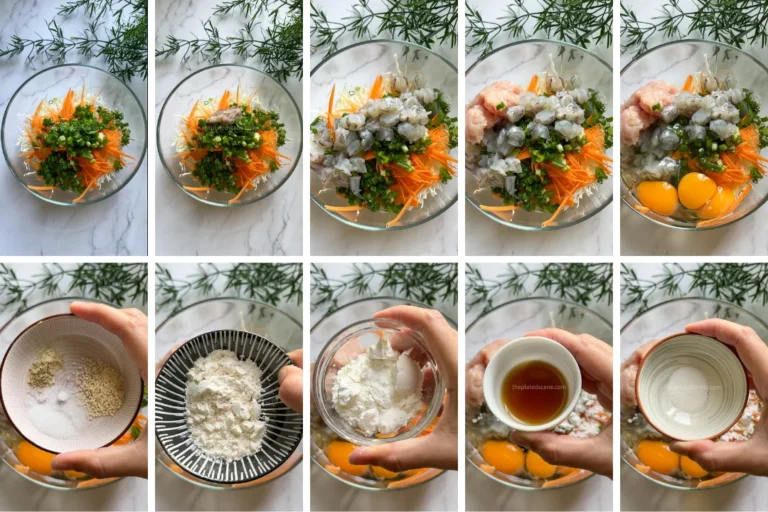
4. Put all the ingredients into the bowl with shredded vegetables. Add the sliced green onion, blended garlic and shallot paste, chopped prawns, minced chicken, eggs, seasonings (mushroom stock, pepper, salt), all purpose flour, corn starch, sesame oil, and baking powder to your prepared cabbage and carrots. Having everything in one bowl makes the mixing process easier and ensures even distribution of ingredients throughout your fu yung hai recipe mixture.
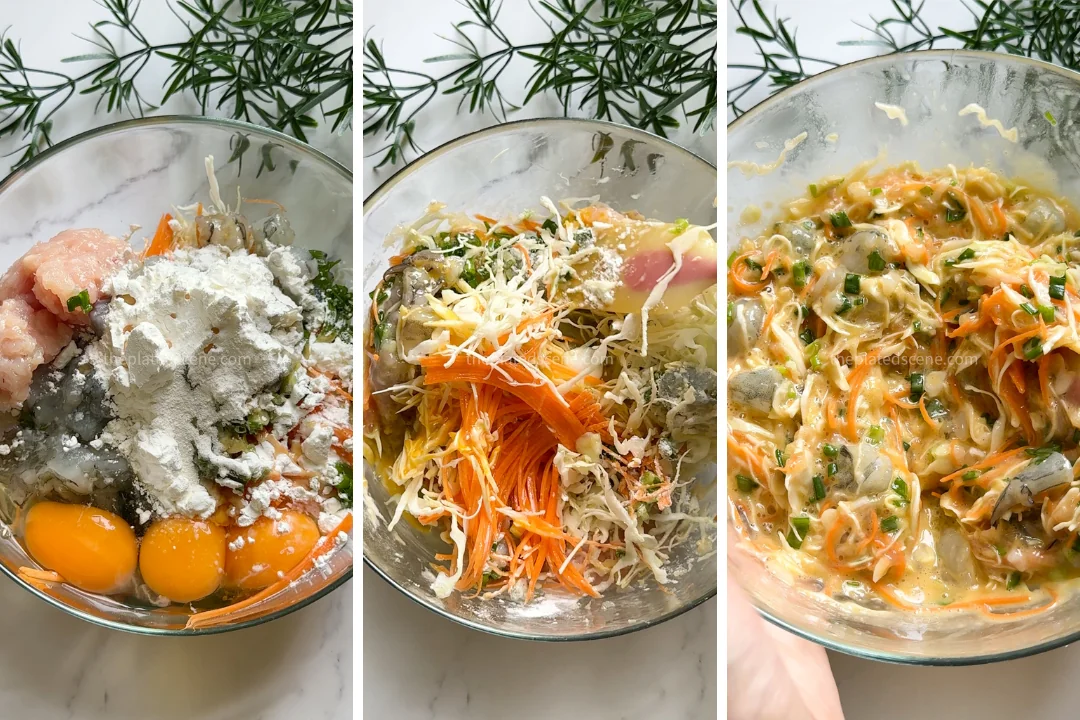
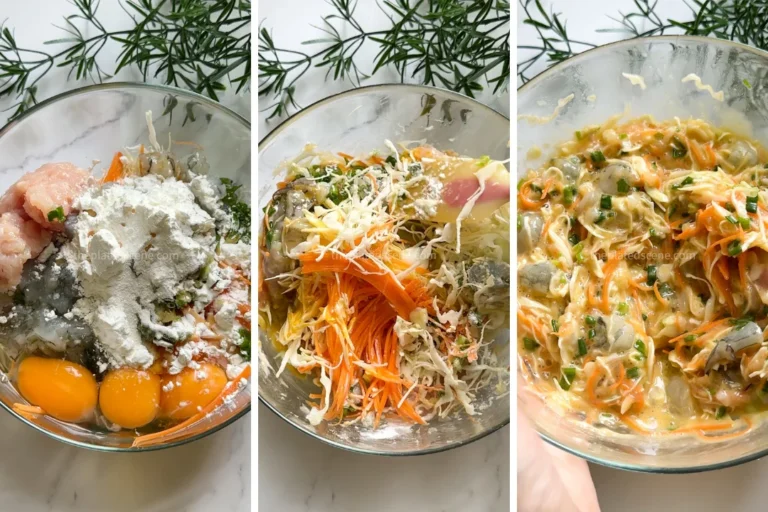
5. Mix everything together thoroughly but gently. Use a large spoon or your hands to combine all ingredients until just incorporated, being careful not to overmix which can make the omelettes tough. The mixture should be well combined but still light and airy, with all vegetables and proteins evenly distributed. You’ll know it’s ready when the batter coats all the solid ingredients and holds together when scooped.
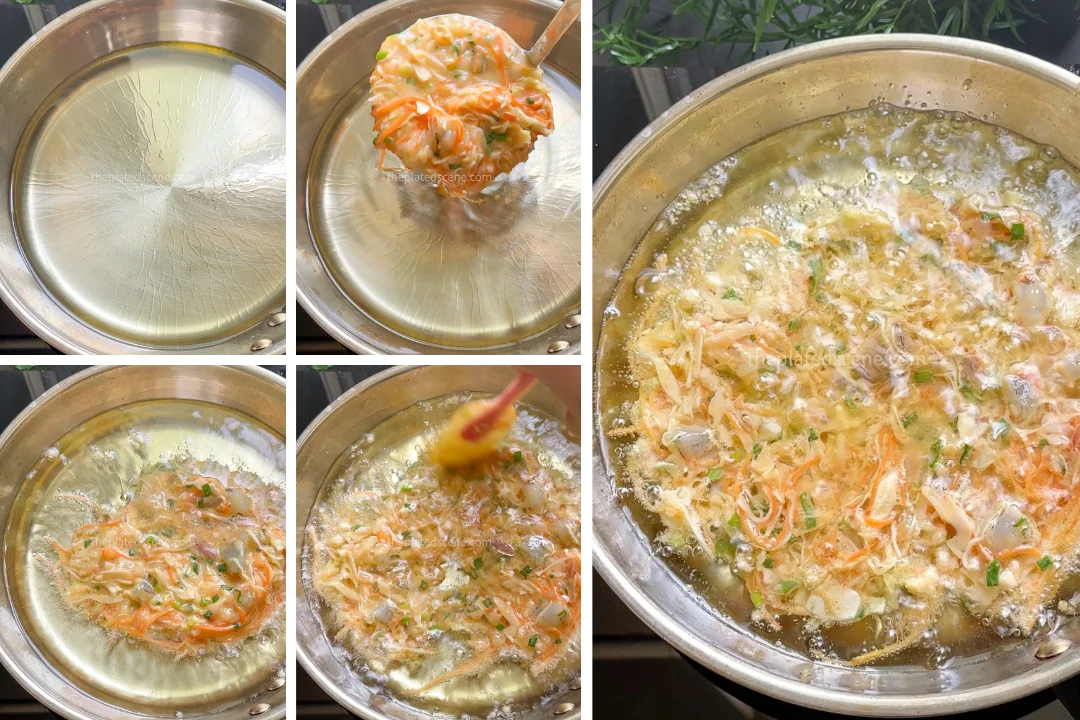
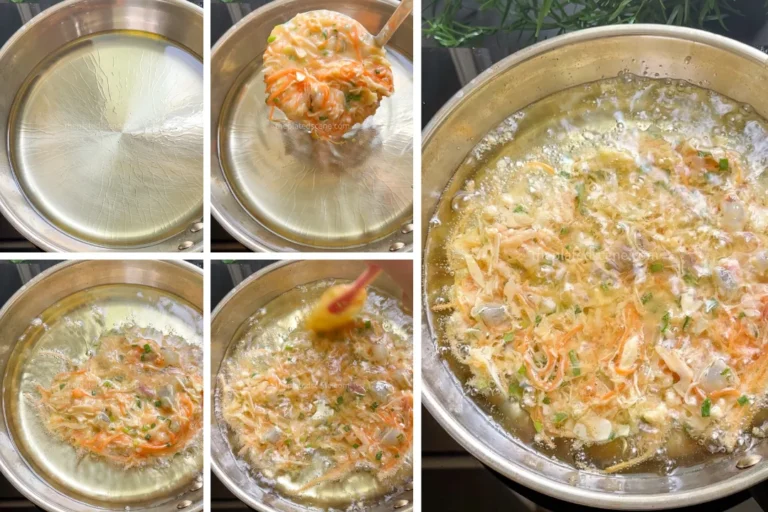
6. Heat oil for frying in a wok or large frying pan over medium-high heat. The oil should be deep enough for the omelettes to float slightly and hot enough that a drop of batter sizzles immediately when added. Test the temperature by dropping a small amount of mixture into the oil – it should bubble actively and start cooking right away. Ladle portions of your fu yung hai recipe mixture into the hot oil, using a spatula to separate and shape each omelette as needed.
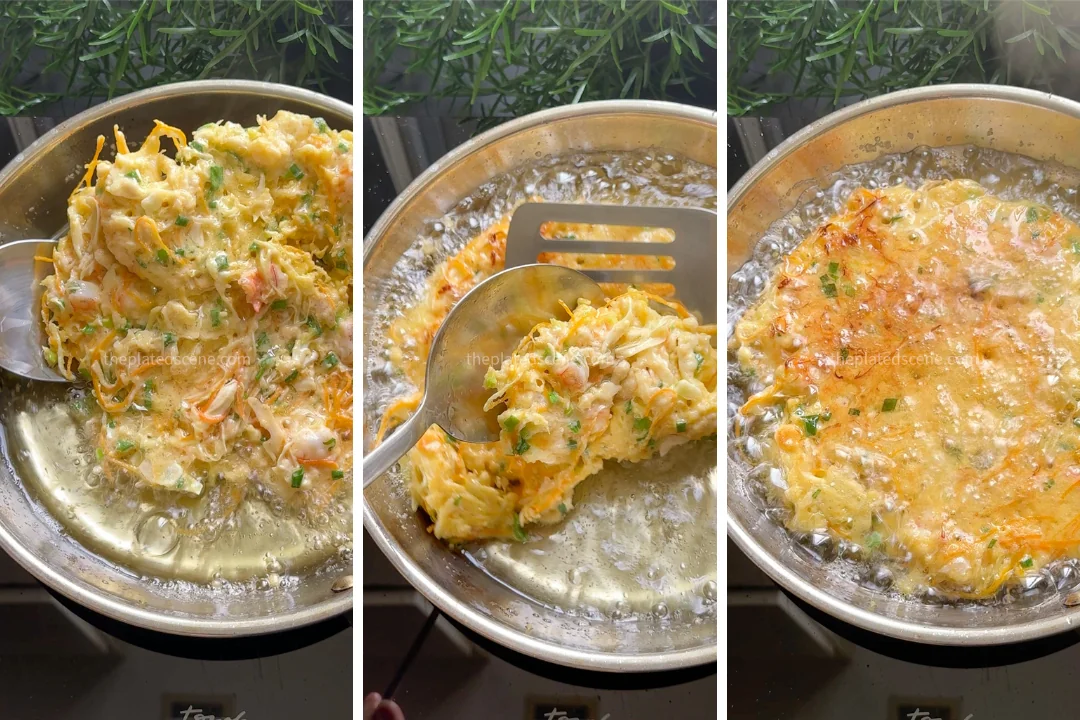
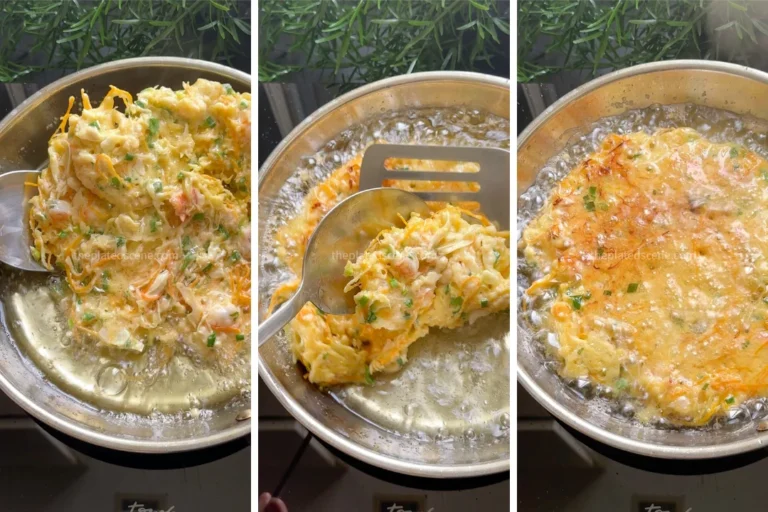
7. Fry until golden brown and crispy on the bottom, then carefully flip. This usually takes 3-4 minutes depending on thickness and oil temperature. Use two spatulas if needed for easier flipping, as the omelettes can be delicate when hot. Fry the second side until golden and cooked through, ensuring the interior is fully set while maintaining that beautiful crispy exterior that makes fu yung hai recipe so special.
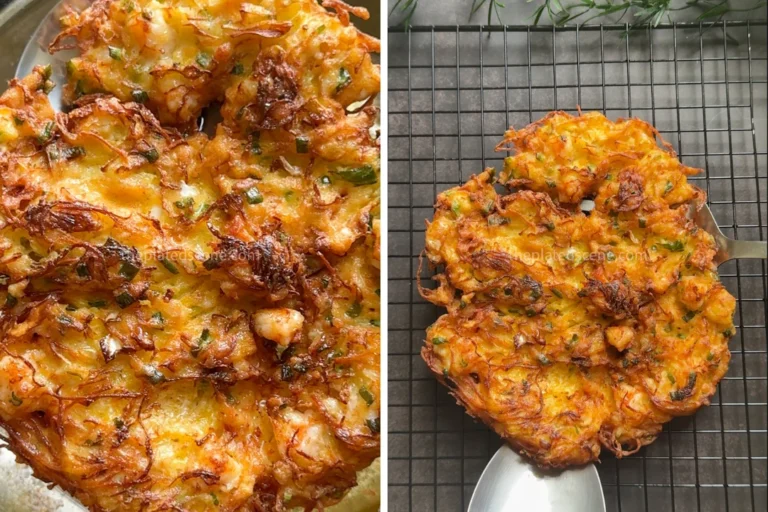
8. Remove the fried omelettes from oil and drain properly. Place them on a drying rack rather than paper towels to prevent trapped steam from making the crispy exterior soggy. This step is crucial for maintaining the textural contrast that makes fu yung hai recipe so appealing. Keep the finished omelettes warm while you prepare the sauce, but don’t cover them or they’ll lose their crispiness.
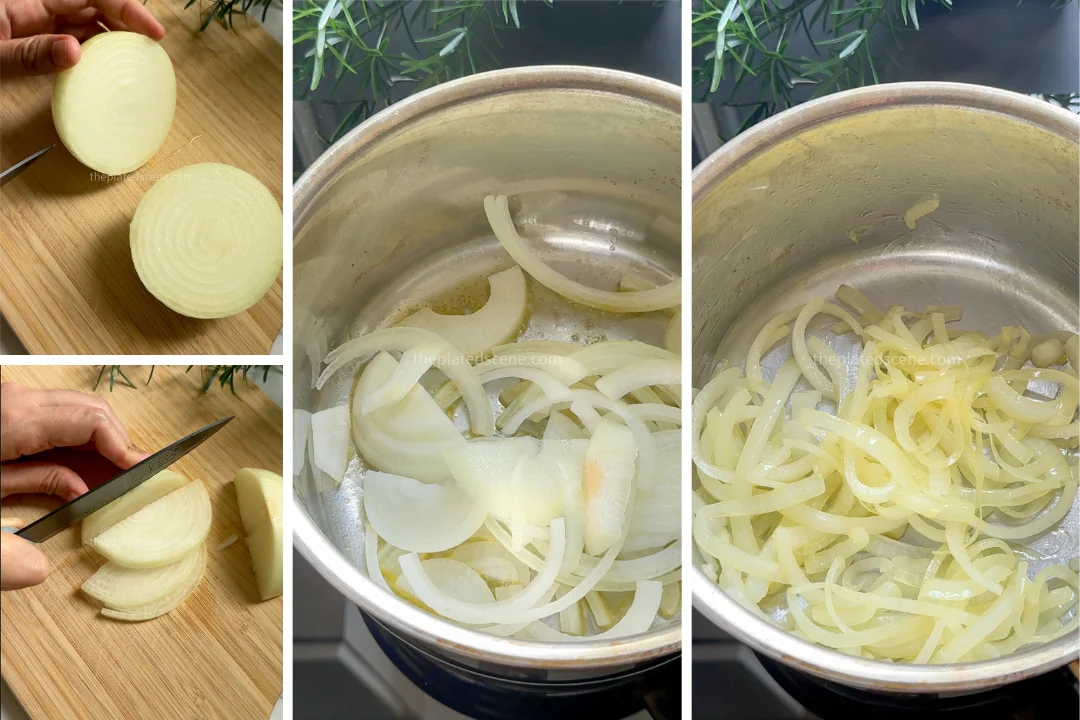
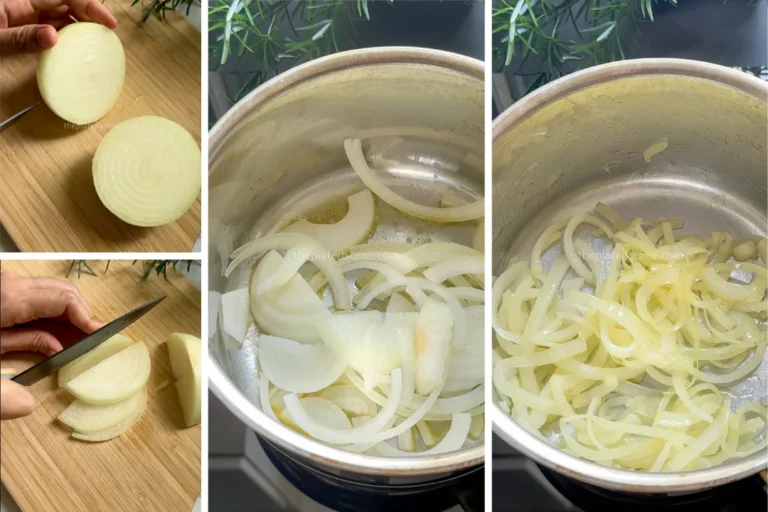
9. Cut the onion into slices and sauté with margarine until translucent. This usually takes 3-4 minutes over medium heat, and you’ll know they’re ready when they become soft and slightly golden. The sautéed onions form the aromatic base of your sauce and add sweetness that balances the tangy elements. Don’t rush this step, as properly cooked onions make a significant difference in the final sauce quality.
Tomato Sauce
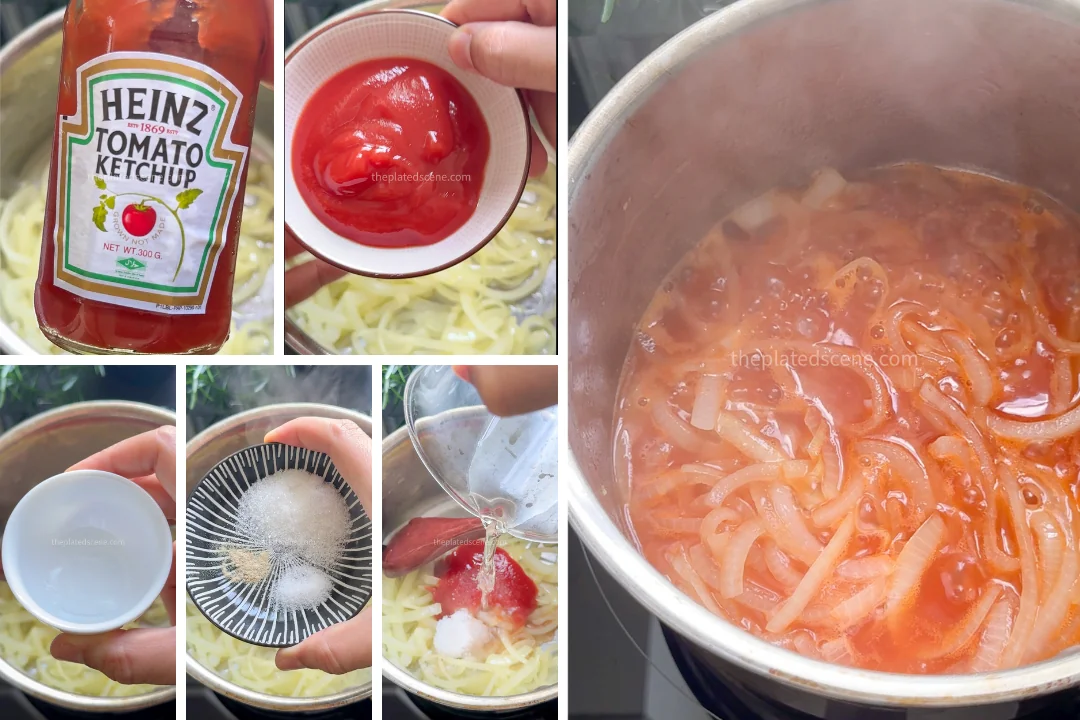
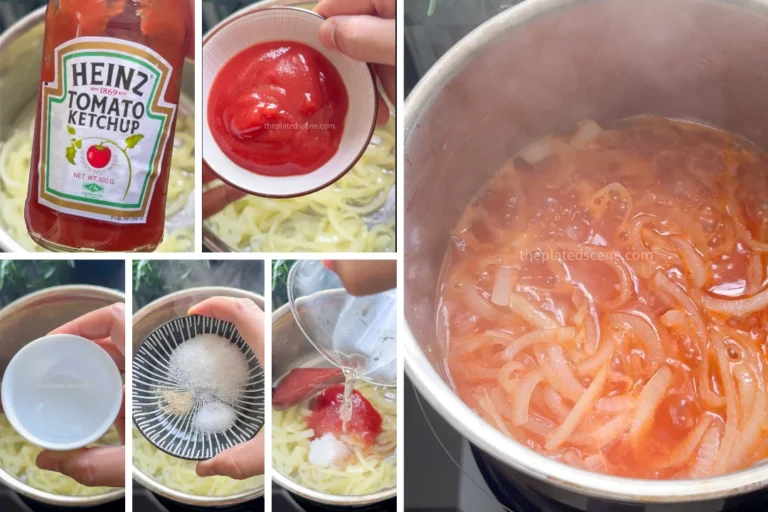
10. Add ketchup, vinegar, and seasonings to the pan with the onions. Pour in the water, sugar, pepper, and salt, then mix everything well before bringing the mixture to a boil. You’ll see the sauce start to shimmer and bubble actively, which means the flavors are beginning to meld together. This is where the magic happens in creating that perfect sweet and sour balance that makes fu yung hai recipe so irresistible.
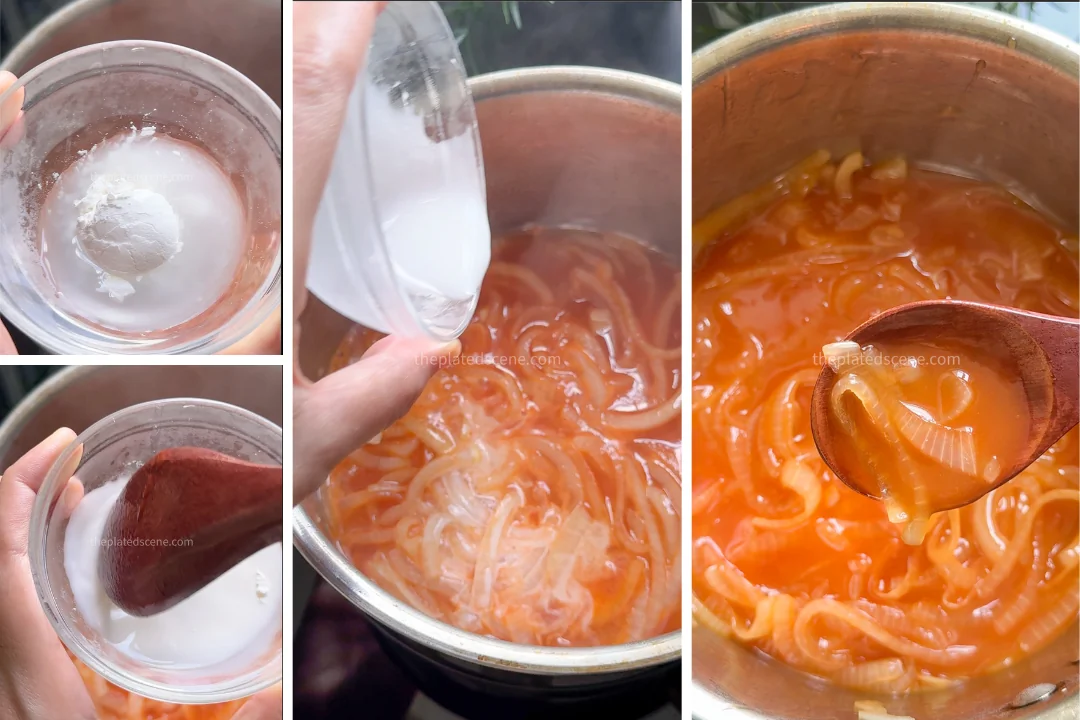
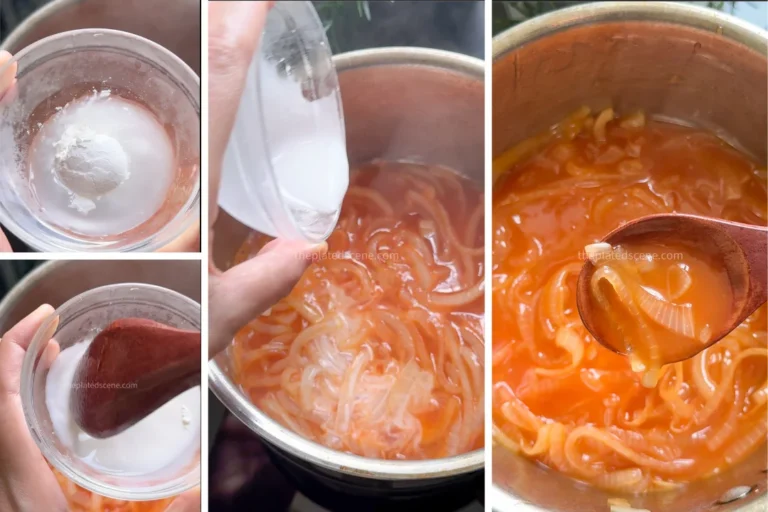
11. Add the corn starch slurry while stirring continuously. Mix the corn starch with a small amount of cold water until smooth and lump-free before adding it to the boiling sauce. Stir constantly as you pour to prevent lumps from forming, and continue cooking until the sauce thickens to your desired consistency. Taste and adjust seasoning as needed – the sauce should be glossy, smooth, and perfectly balanced between sweet and sour.
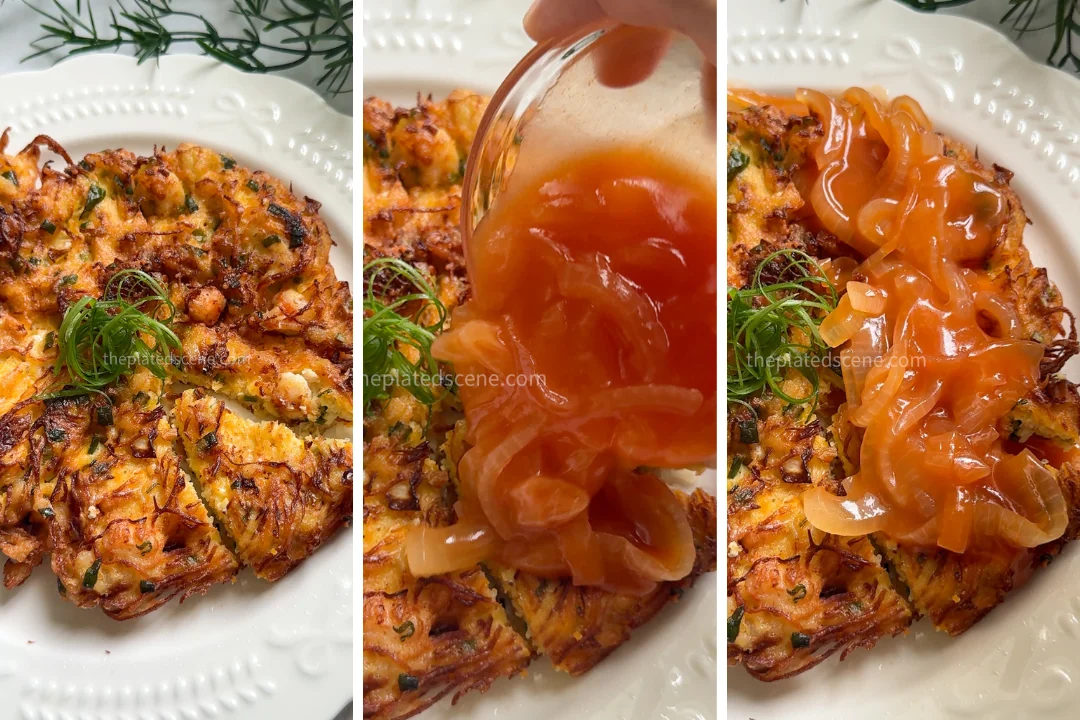
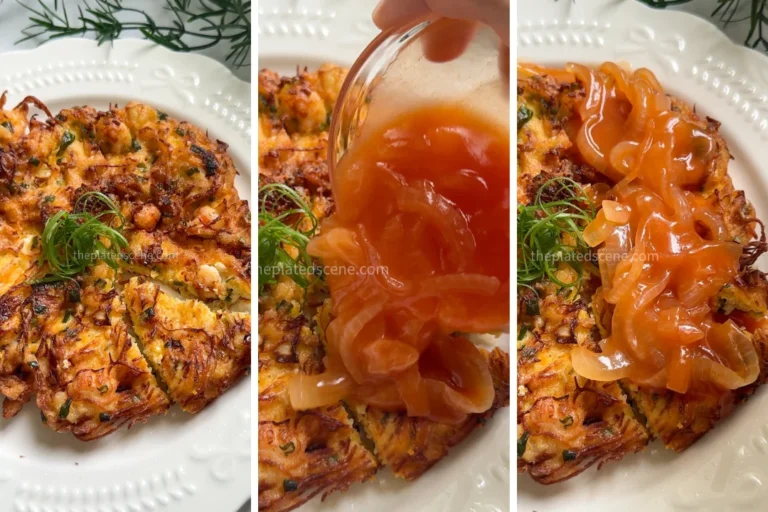
12. Serve the fu yung hai immediately with the hot sauce. Place the crispy omelettes on serving plates and generously pour the hot sweet-sour sauce over the top. The contrast between the crispy omelette and the warm, glossy sauce is what makes this fu yung hai recipe truly special. Serve with steamed white rice to complete this comforting meal and soak up every drop of that delicious sauce.
What to Serve With Fu Yung Hai Recipe
Fu yung hai recipe pairs beautifully with steamed jasmine rice, which helps soak up every drop of that incredible sweet and sour sauce. For a more complete Indonesian Chinese meal, consider serving it alongside our spicy soun cabe ijo for some heat contrast, or crispy wontons for additional texture variety. A simple cucumber salad or pickled vegetables also work wonderfully to cut through the richness of the fried omelette. Green tea or Chinese jasmine tea makes the perfect beverage pairing to cleanse the palate between bites.
Troubleshooting Tips
If your fu yung hai recipe turns out too salty, serve it with extra steamed rice and perhaps add a touch more sugar to the sauce to balance the saltiness. For omelettes that seem too dry, make sure you’re not overcooking them and consider adding a bit more egg to your mixture next time. If the sauce is too thick, simply thin it with a little hot water; if too thin, make another small corn starch slurry and stir it in while the sauce is hot. Remember, cooking is about adjustment and practice, so don’t worry if it’s not perfect on the first try.
Frequently Asked Questions
Can I make fu yung hai recipe ahead of time?
While fu yung hai is best enjoyed immediately for maximum crispiness, you can prepare all the ingredients and mix them up to 2 hours ahead of frying. The sauce can be made a day in advance and gently reheated before serving. Just remember that the crispy texture is part of what makes this dish special, so try to serve it as soon as possible after cooking.
How do I store leftover fu yung hai?
Store leftover omelettes and sauce separately in the refrigerator for up to 2 days. The omelettes will lose their crispiness but can be refreshed in a toaster oven or air fryer for a few minutes. Reheat the sauce gently on the stovetop, adding a splash of water if it’s become too thick.
Can I freeze fu yung hai recipe components?
The cooked omelettes can be frozen for up to 1 month, though they’ll lose their crispy texture and are best used in soups or fried rice after thawing. The sauce doesn’t freeze well due to the corn starch, but you can freeze the raw mixture before cooking for up to 1 week.
What can I substitute for prawns in this recipe?
You can replace prawns with additional chicken, firm tofu, or even mushrooms for different flavor profiles. Some people enjoy making fu yung hai recipe with crab meat or even leftover roast pork. The key is using ingredients that won’t release too much moisture during cooking.
Why isn’t my fu yung hai recipe crispy enough?
The most common reasons are oil that’s not hot enough, too much moisture in the mixture, or overcrowding the pan. Make sure your oil is properly heated, drain vegetables well if they seem wet, and fry only 2-3 omelettes at a time for best results.
I hope this fu yung hai recipe brings as much joy to your kitchen as it does to mine every time I make it here in Singapore. There’s something magical about recreating the flavors of home, and this dish never fails to transport me back to my mother’s kitchen and those special family dinners. Give this recipe a try, and don’t forget to share your results with me in the comments below or tag me on social media – I love seeing how this traditional fu yung hai recipe brings families together around the dinner table, no matter where in the world you’re cooking it!
Fu Yung Hai Recipe: Authentic Chinese-Indonesian Crispy Omelette
3
servings20
minutes15
minutes385
kcal35
minutesKeep the screen of your device on
Ingredients
1.41 oz 40 g tomato sauce (ketchup)
3.38 fl oz 100 ml water
2 tsp 2 tsp sugar
0.25 tsp 0.25 tsp salt
A bit of pepper
0.5 tsp 0.5 tsp vinegar
0.5 tbsp 0.5 tbsp corn starch
0.5 pc 0.5 onion
0.28 oz 8 g margarine/butter
- For egg omelette
3.53 oz 100 g prawn (chopped)
3.53 oz 100 g chicken (minced)
3 stalk 3 green onion
2 pc 2 garlic
2 pc 2 shallot
1.76 oz 50 g carrot
3.53 oz 100 g cabbage
3 pc 3 egg
0.5 tsp 0.5 tsp salt
0.5 tsp 0.5 tsp mushroom stock
0.25 tsp 0.25 tsp pepper
0.25 tsp 0.25 tsp baking powder
1 tbsp 1 tbsp all purpose fluor
3 tbsp 3 tbsp corn starch
1 tbsp 1 tbsp sesame oil
Directions
- Omelette
- Slice and shred the cabbage and carrot thinly using a mandoline.
Getting uniform, thin slices is crucial for even cooking and proper texture distribution throughout your fu yung hai recipe. If you don’t have a mandoline, use a sharp knife to cut the vegetables as thinly and evenly as possible. The thinner cuts will cook faster and blend better with the egg mixture, ensuring every bite has the perfect balance of vegetables.
- Slice the green onions into thin rounds.
Cut both the white and green portions, as each part contributes different flavor notes to your fu yung hai recipe. Use a sharp knife to create clean cuts that won’t bruise the delicate green parts. Keep the sliced green onions separate until you’re ready to mix everything together, as they’ll add fresh flavor and beautiful color to the finished dish. - Blend the garlic and shallots using mortar and pestle.
This traditional method creates a smooth paste that distributes flavor more evenly than chopped pieces would. Pound steadily until you achieve a smooth, aromatic paste that will form the flavor foundation of your fu yung hai recipe. If you don’t have a mortar and pestle, finely mince both ingredients and mash them with the flat side of your knife until paste-like. - Put all the ingredients into the bowl with shredded vegetables.
Add the sliced green onion, blended garlic and shallot paste, chopped prawns, minced chicken, eggs, seasonings (mushroom stock, pepper, salt), all purpose flour, corn starch, sesame oil, and baking powder to your prepared cabbage and carrots. Having everything in one bowl makes the mixing process easier and ensures even distribution of ingredients throughout your fu yung hai recipe mixture. - Mix everything together thoroughly but gently.
Use a large spoon or your hands to combine all ingredients until just incorporated, being careful not to overmix which can make the omelettes tough. The mixture should be well combined but still light and airy, with all vegetables and proteins evenly distributed. You’ll know it’s ready when the batter coats all the solid ingredients and holds together when scooped. - Heat oil for frying in a wok or large frying pan over medium-high heat.
The oil should be deep enough for the omelettes to float slightly and hot enough that a drop of batter sizzles immediately when added. Test the temperature by dropping a small amount of mixture into the oil – it should bubble actively and start cooking right away. Ladle portions of your fu yung hai recipe mixture into the hot oil, using a spatula to separate and shape each omelette as needed. - Fry until golden brown and crispy on the bottom, then carefully flip.
This usually takes 3-4 minutes depending on thickness and oil temperature. Use two spatulas if needed for easier flipping, as the omelettes can be delicate when hot. Fry the second side until golden and cooked through, ensuring the interior is fully set while maintaining that beautiful crispy exterior that makes fu yung hai recipe so special. - Remove the fried omelettes from oil and drain properly.
Place them on a drying rack rather than paper towels to prevent trapped steam from making the crispy exterior soggy. This step is crucial for maintaining the textural contrast that makes fu yung hai recipe so appealing. Keep the finished omelettes warm while you prepare the sauce, but don’t cover them or they’ll lose their crispiness. - Tomato Sauce
- Cut the onion into slices and sauté with margarine until translucent.
This usually takes 3-4 minutes over medium heat, and you’ll know they’re ready when they become soft and slightly golden. The sautéed onions form the aromatic base of your sauce and add sweetness that balances the tangy elements. Don’t rush this step, as properly cooked onions make a significant difference in the final sauce quality. - Add ketchup, vinegar, and seasonings to the pan with the onions.
Pour in the water, sugar, pepper, and salt, then mix everything well before bringing the mixture to a boil. You’ll see the sauce start to shimmer and bubble actively, which means the flavors are beginning to meld together. This is where the magic happens in creating that perfect sweet and sour balance that makes fu yung hai recipe so irresistible. - Add the corn starch slurry while stirring continuously.
Mix the corn starch with a small amount of cold water until smooth and lump-free before adding it to the boiling sauce. Stir constantly as you pour to prevent lumps from forming, and continue cooking until the sauce thickens to your desired consistency. Taste and adjust seasoning as needed – the sauce should be glossy, smooth, and perfectly balanced between sweet and sour. - Serve the fu yung hai immediately with the hot sauce.
Place the crispy omelettes on serving plates and generously pour the hot sweet-sour sauce over the top. The contrast between the crispy omelette and the warm, glossy sauce is what makes this fu yung hai recipe truly special. Serve with steamed white rice to complete this comforting meal and soak up every drop of that delicious sauce.
Notes
- Best served immediately while omelettes are crispy and sauce is hot. Store leftovers in refrigerator for up to 2 days and reheat gently to maintain texture.

