

The first time I made sambel kacang recipe in my tiny Singapore kitchen, I must have called my mother in Jakarta five times. Each time she laughed at my panic – “Why is it too thick?” “Should the peanuts be completely smooth?” “Mama, it doesn’t taste like yours!” She patiently walked me through every detail over FaceTime, reminding me that this wasn’t just any condiment, but the heart of so many Indonesian dishes she’d made for our family growing up.
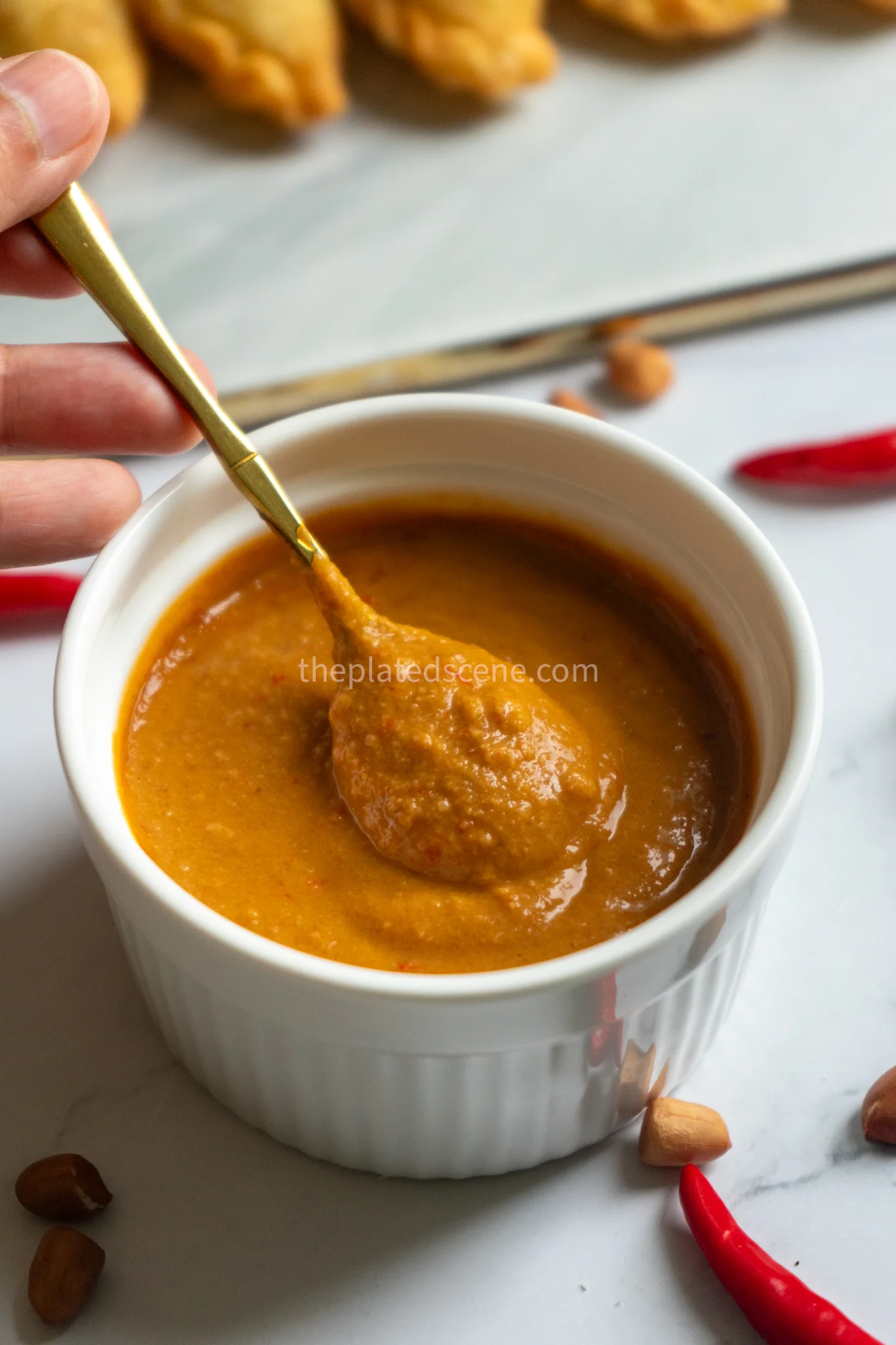
Living here in Singapore, I find myself craving the authentic flavors of home more than I expected. While I can find Indonesian food at Lucky Plaza or Geylang, nothing quite captures the warmth of my mother’s cooking. Her sambel kacang recipe was always the star of our Sunday gado-gado lunches, and the aroma of roasted peanuts and chilies would fill our Jakarta home with such comfort. It’s amazing how a simple peanut sauce can hold so many memories.
That’s why I had to perfect this sambel kacang recipe for The Plated Scene. After months of video calls with my mother and countless attempts in my Singapore kitchen, I’ve finally captured her traditional method. This isn’t just another peanut sauce – it’s a bridge between my Indonesian roots and my life here, a way to share the authentic flavors that shaped my childhood with all of you.
Table of Contents
The Story Behind Sambel Kacang Recipe
Sambel kacang has been gracing Indonesian tables for centuries, rooted deeply in the rich culinary traditions of Java and beyond. This beloved peanut-based sauce is part of the larger family of sambals that define Indonesian cuisine, each region adding its own signature touch to the basic sambel kacang recipe. From the bustling warungs of Jakarta to the quiet villages of Central Java, this versatile sauce has remained virtually unchanged, passed down through generations of home cooks who understood that simplicity often creates the most extraordinary flavors.
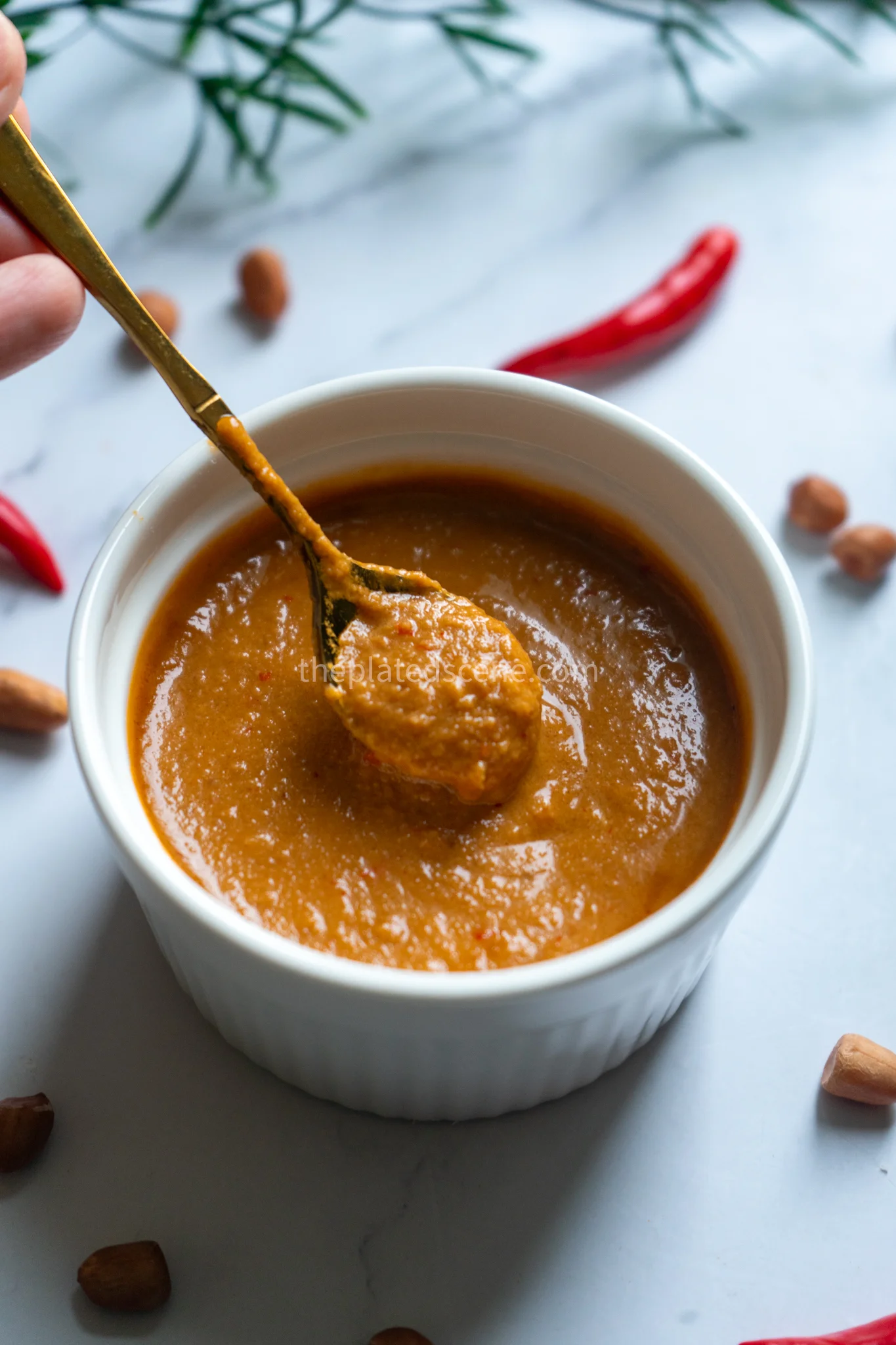
Traditionally, sambel kacang recipe holds special significance in Indonesian culture as the essential companion to gado-gado, ketoprak, and pecel – salads that bring communities together during shared meals. It’s the sauce that turns simple blanched vegetables into a celebration, transforming everyday ingredients into something that speaks to the soul. In Indonesian households, making sambel kacang was often a communal activity, with mothers teaching daughters the perfect balance of heat, sweetness, and tang that defines each family’s version.
Today, this timeless sambel kacang recipe continues to be a cornerstone of Indonesian street food culture and home cooking alike. While modern cooks might use food processors instead of traditional cobek and ulekan, the essential character remains unchanged. Street vendors still prepare it fresh daily, knowing that the complex layers of flavor in a good sambel kacang can make or break their gado-gado, and home cooks like my mother still insist that the best version comes from understanding each ingredient’s role in creating perfect harmony.
What to Expect: Flavors and Textures
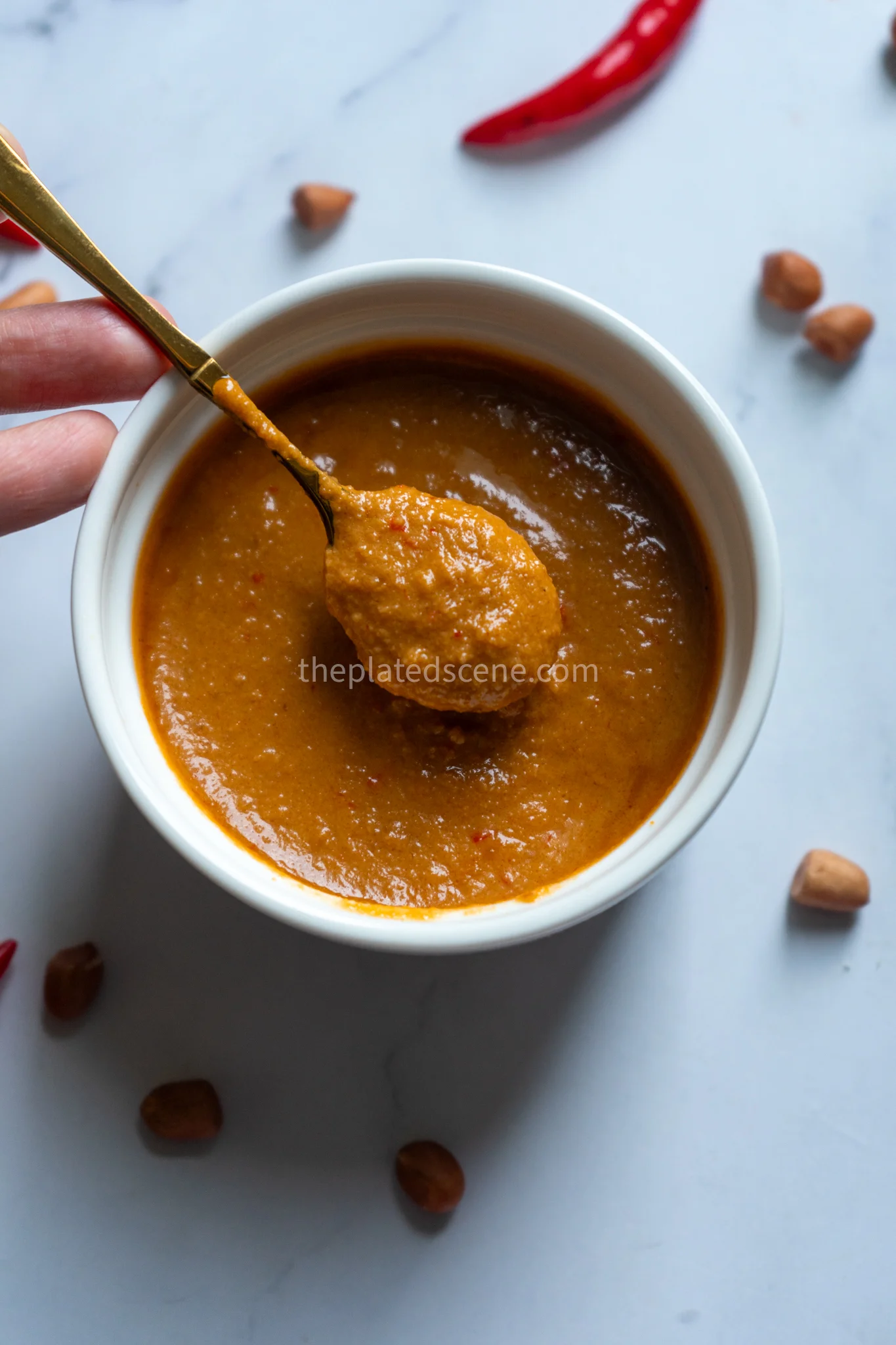
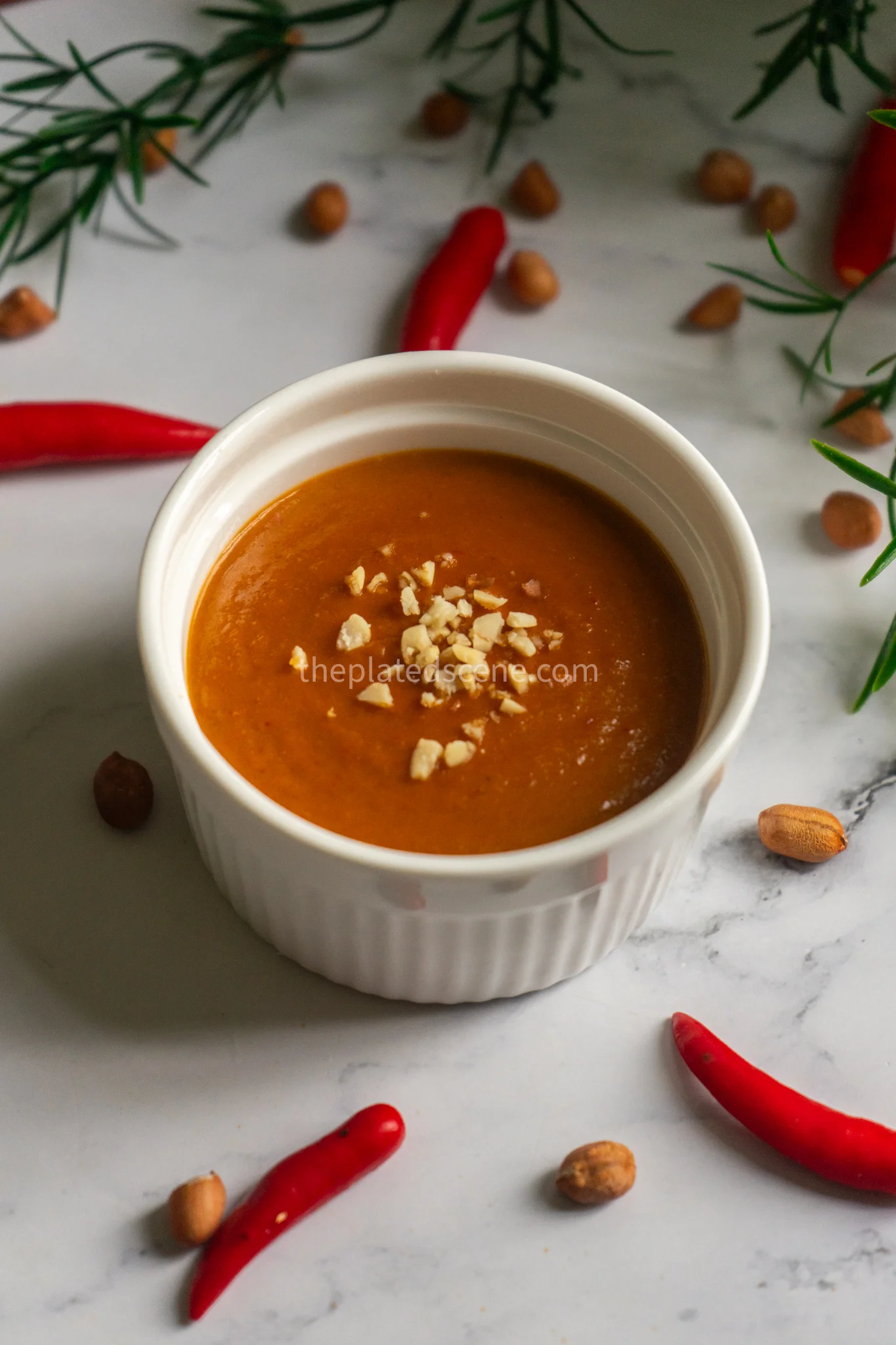
The first thing that hits you with a proper sambel kacang recipe is the aroma – roasted peanuts mingling with the sharp heat of chilies and the sweet fragrance of palm sugar caramelizing. When you take that first taste, you’ll experience layers of flavor that unfold beautifully: the rich, nutty base from perfectly roasted peanuts, followed by a gentle heat that builds gradually, then the complex sweetness of palm sugar balanced by the tangy brightness of tamarind. The texture should be smooth yet substantial, thick enough to coat vegetables generously but loose enough to drizzle. It’s simultaneously comforting and exciting, familiar yet complex enough to keep you coming back for more.
Common Mistakes to Avoid
The biggest mistake I see with sambel kacang recipe is rushing the roasting process – those peanuts need time to develop their deep, nutty flavor, so don’t be tempted to crank up the heat. Another common issue is adding all the liquid at once during blending; add it gradually to control the consistency. Also, don’t skip the final cooking step where everything comes together in the pan – this is where the magic happens and all those flavors meld into something truly special. If you’re interested in mastering Indonesian cooking techniques, you might also enjoy our Terong Balado recipe, which uses similar flavor-building methods.
Let’s Talk About the Ingredients
What makes this sambel kacang recipe so special lies in the careful selection of ingredients, each playing a crucial role in building those complex layers of flavor. These aren’t just random pantry items thrown together – they’re the foundation of Indonesian cooking, ingredients that have been perfected over generations. The beauty of peanuts as a base for sauces lies in their ability to carry other flavors while adding their own rich, earthy notes. Every ingredient here serves a purpose, and understanding their roles will help you master this sambel kacang recipe completely.

- Peanut – The star of our sambel kacang recipe, peanuts provide the rich, creamy base that makes this sauce so satisfying. Choose raw, unsalted peanuts for the best control over flavor and sodium content. When roasted properly, they develop a deep, nutty complexity that forms the backbone of the sauce. Look for plump, unblemished nuts, and if you can only find salted ones, rinse and dry them thoroughly before roasting.
- Garlic – This aromatic powerhouse adds depth and pungency to the sambel kacang recipe, becoming sweet and mellow when roasted alongside the other ingredients. Fresh garlic is essential here – don’t substitute with powder or pre-minced versions. The roasting process transforms its sharp bite into something warm and complex that enhances the overall flavor profile without overwhelming the delicate peanut base.
- Shallot – Shallots bring a subtle sweetness and sophisticated onion flavor that’s gentler than regular onions would be in this sambel kacang recipe. They roast beautifully, developing caramelized notes that add another layer of complexity. Asian shallots tend to be smaller and more intense in flavor, but regular shallots work perfectly fine if that’s what you have available.
- Chili – The heat and vibrant flavor in our sambel kacang recipe comes from fresh chilies, which should be chosen based on your heat tolerance. Bird’s eye chilies (cabe rawit) are traditional and pack serious heat, but red fresno or even jalapeño peppers work if you prefer milder spice. The roasting process mellows their heat slightly while concentrating their flavor, so don’t worry if they seem too spicy raw.
- Water – This might seem like the most basic ingredient, but water quality matters in sambel kacang recipe since it determines the final consistency and can affect taste. Use filtered water if your tap water is heavily chlorinated, and add it gradually during blending to achieve the perfect texture. The amount can vary depending on how smooth you want your final sauce.
- Salt – A small amount of salt enhances all the other flavors in the sambel kacang recipe, making the peanuts taste nuttier, the chilies more vibrant, and the palm sugar more complex. Sea salt or kosher salt work best, as they dissolve easily and don’t have the metallic taste that some table salts can impart. Add it gradually and taste as you go.
- Mushroom stock powder – This ingredient adds umami depth to the sambel kacang recipe, giving it a savory complexity that makes the sauce more satisfying and well-rounded. If you can’t find mushroom stock powder, a small amount of vegetarian bouillon or even a pinch of mushroom powder works. This secret ingredient is what makes restaurant-style sambel kacang taste so much more complex than simple home versions.
- Tamarind water – Made by soaking tamarind paste in water, this ingredient provides the tangy brightness that balances the richness of the peanuts in our sambel kacang recipe. The acidity cuts through the oil and adds complexity that keeps the sauce from being one-dimensional. Fresh tamarind paste gives the best flavor, but if you can only find tamarind concentrate, use about half the amount and thin it with water.
- Palm sugar – This unrefined sugar adds a complex sweetness with caramel and molasses notes that regular sugar simply can’t match in sambel kacang recipe. It helps balance the heat from chilies and the tartness from tamarind while adding its own unique flavor dimension. If you can’t find palm sugar, brown sugar mixed with a tiny amount of molasses makes an acceptable substitute, though the flavor won’t be quite as authentic.
- Kecap manis – This thick, sweet Indonesian soy sauce adds depth, color, and a subtle salty-sweet complexity to the sambel kacang recipe that brings everything together. Its molasses-like consistency and unique flavor profile are impossible to replicate with regular soy sauce, so it’s worth seeking out at Asian markets. This ingredient is what gives the sauce its characteristic dark color and helps bind all the flavors into a cohesive whole.
How to Make Sambel Kacang Recipe
Don’t worry if this seems complicated – making sambel kacang recipe is actually quite forgiving once you understand the basic principles. The key is taking your time with each step and trusting the process, just like my mother always told me.
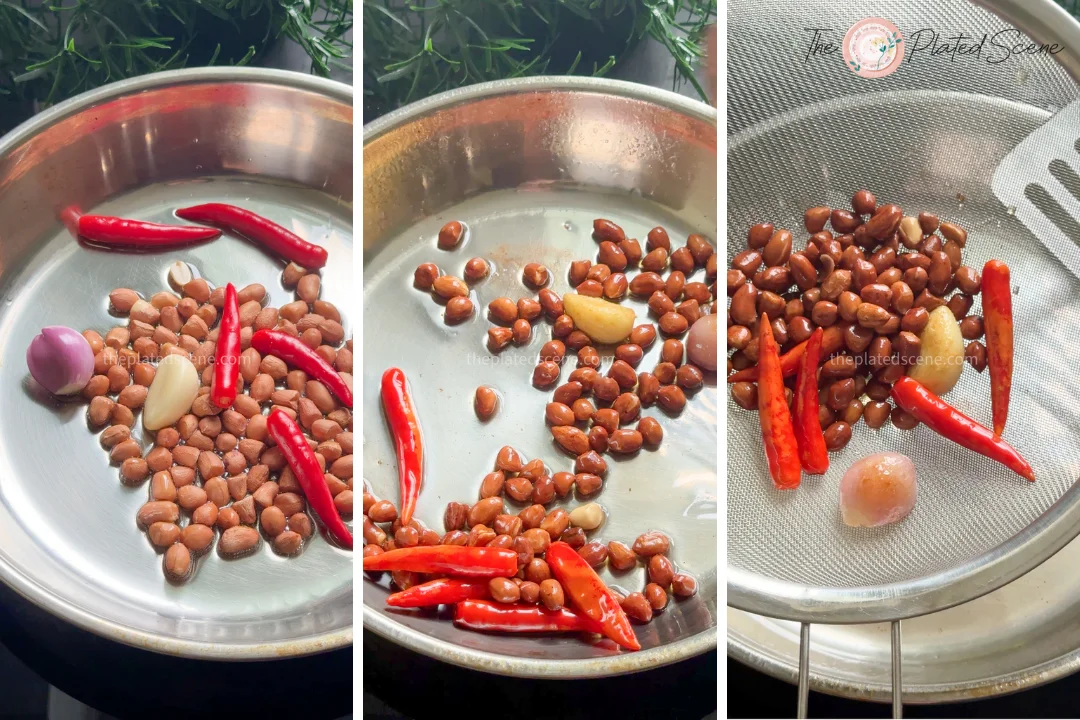
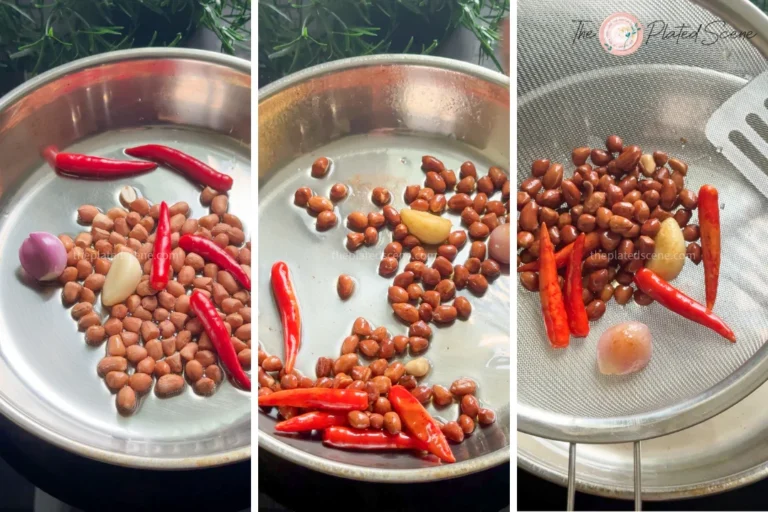
1. Fry peanut, garlic, shallot, chili until golden and fragrant. Heat your pan over medium heat and add the peanuts first, stirring constantly for about 3-4 minutes until they start to turn golden and smell nutty – this is crucial for developing the deep flavor that makes this sambel kacang recipe special. Add the garlic, shallot, and chilies to the pan and continue frying together for another 2-3 minutes until everything is golden brown and aromatic. You’ll know they’re ready when the kitchen fills with an incredible roasted aroma and the shallots become translucent and caramelized. Don’t rush this step by turning up the heat too high, as burnt ingredients will make your sambel kacang taste bitter.
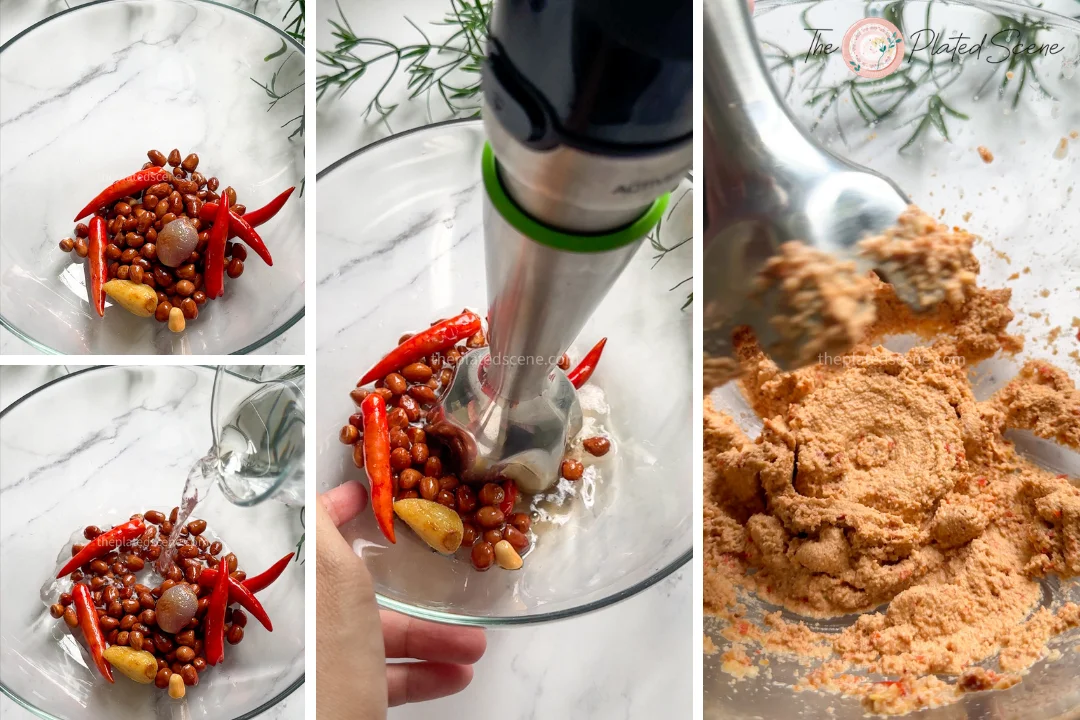
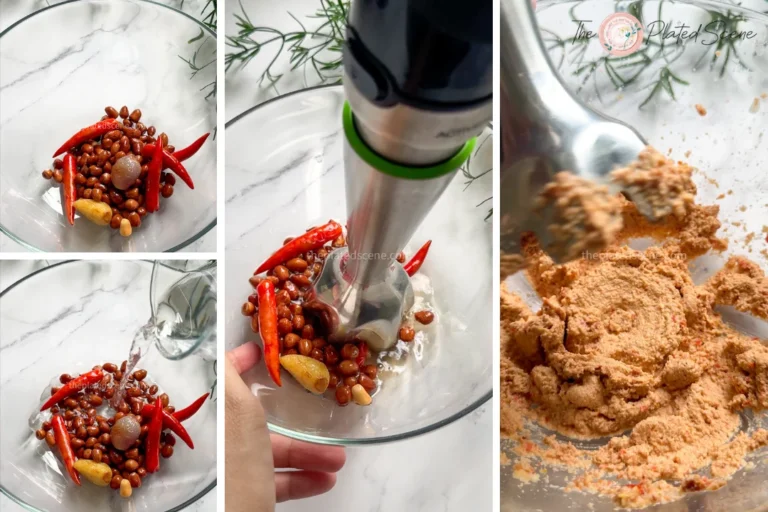
2. Blend them together with water until smooth and creamy. Transfer all the roasted ingredients to your blender or food processor while they’re still warm – this helps them break down more easily for the perfect sambel kacang recipe texture. Start blending with just a splash of water, then gradually add more water while the machine is running until you achieve a smooth, creamy consistency that’s thick but pourable. The mixture should be completely smooth with no large pieces remaining, but don’t worry if you see tiny specks of chili skin – that’s perfectly normal and adds character. If your blender struggles, stop and scrape down the sides occasionally, and add water very gradually to avoid making the mixture too thin.
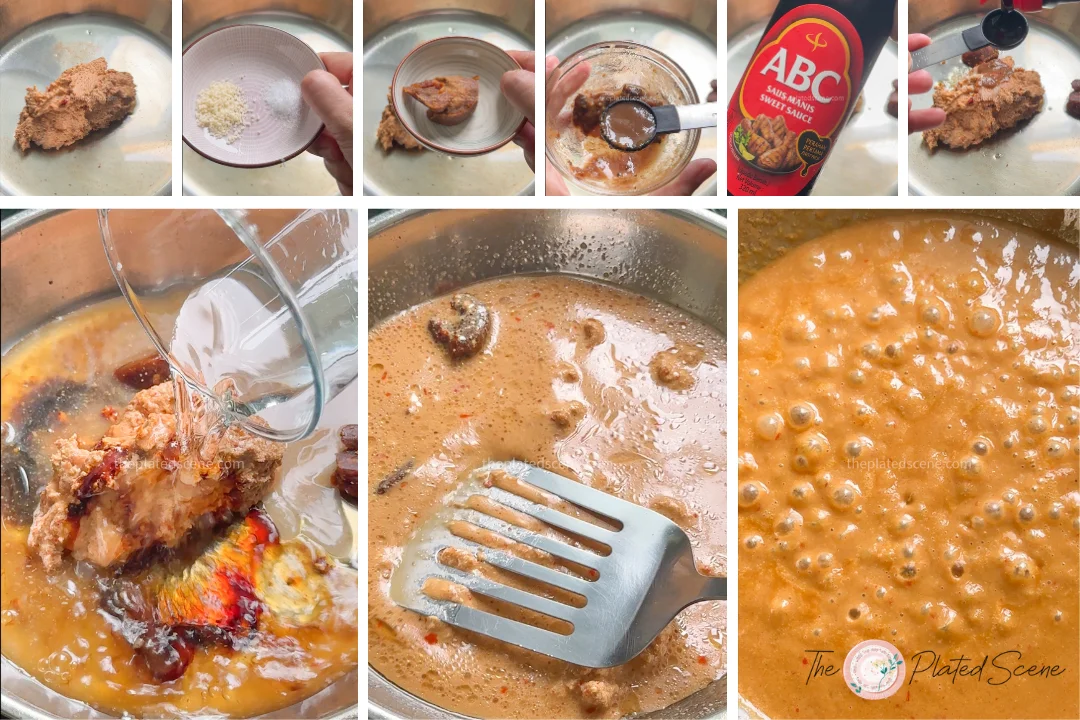
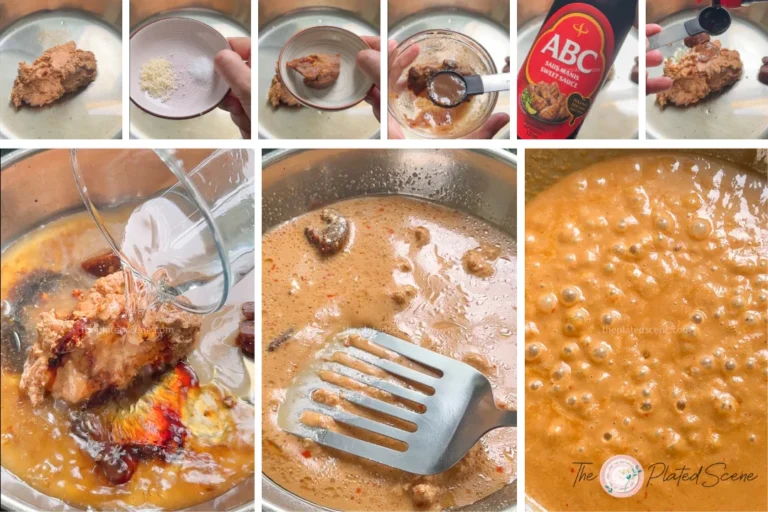
3. Put it back to the pan, add seasoning and the rest of the ingredients, then cook until the peanut is really cooked. Return the blended mixture to your pan over medium-low heat and add the salt, mushroom stock powder, tamarind water, palm sugar, and kecap manis, stirring constantly as the sambel kacang recipe comes together beautifully. Simmer gently for 8-10 minutes, stirring frequently to prevent sticking, until the sauce thickens to a consistency that coats the back of a spoon and the raw peanut flavor has completely transformed into something rich and complex. You’ll notice the color deepening and the aroma becoming more intense as it cooks – trust your nose, as the sauce will smell incredible when it’s ready. Taste and adjust the seasoning as needed, adding more palm sugar for sweetness, tamarind for tang, or salt for balance.
What to Serve With Sambel Kacang Recipe
This versatile sambel kacang recipe shines brightest when paired with fresh, crisp vegetables and Indonesian classics. Traditionally, it’s the essential sauce for gado-gado, where blanched bean sprouts, cabbage, green beans, and boiled eggs create the perfect canvas for its rich flavors. You’ll also love it with our Indonesian Ketoprak recipe, where it transforms simple tofu and vegetables into something magical. For a lighter option, try it as a dipping sauce with fresh cucumber, lettuce wraps, or even grilled satay skewers.
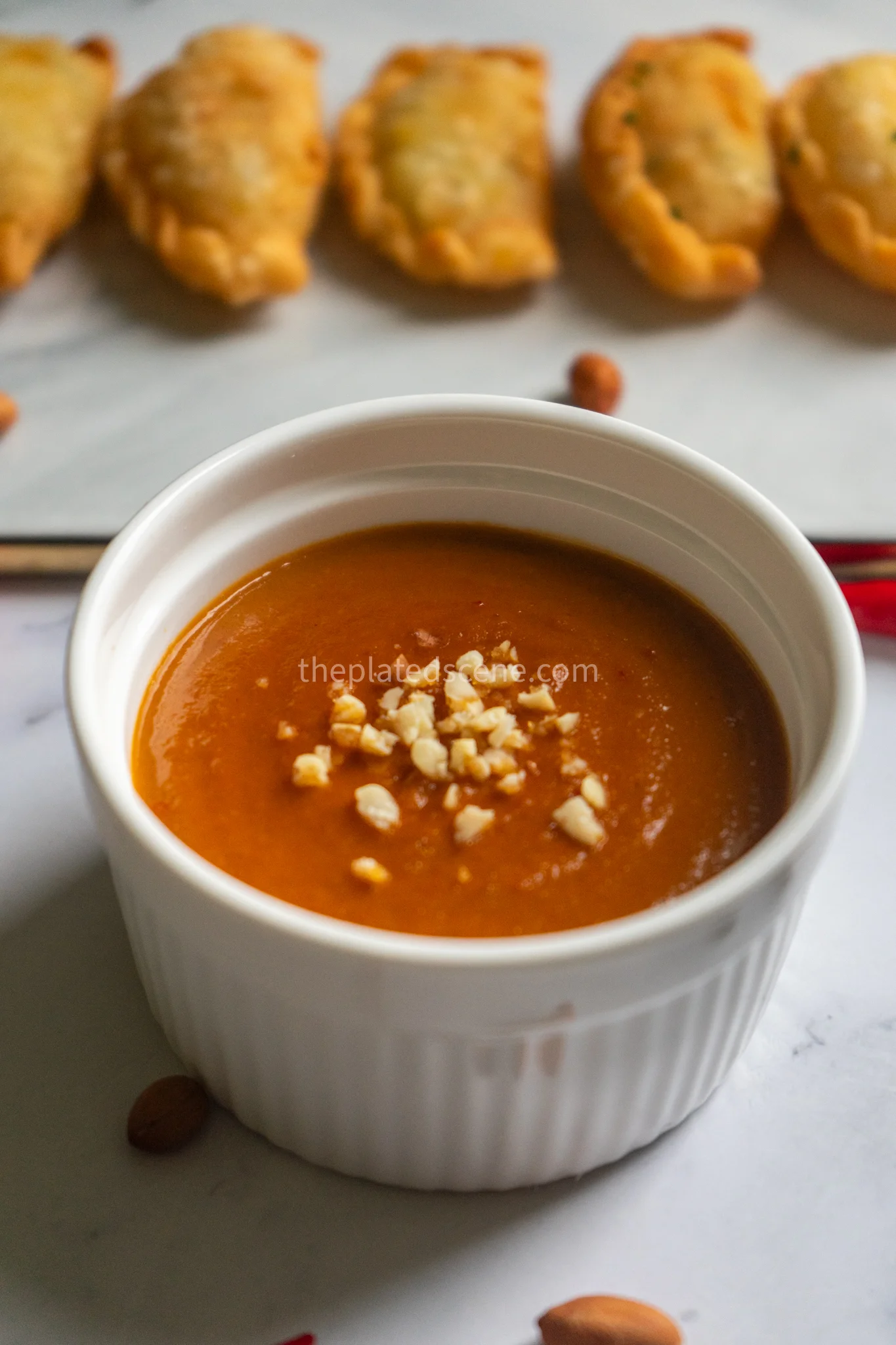
Beyond traditional Indonesian dishes, this sambel kacang recipe works wonderfully as a sauce for roasted vegetables, grilled chicken, or even as a unique pasta sauce when thinned slightly with coconut milk. It pairs beautifully with steamed rice and can elevate simple stir-fried vegetables into something restaurant-worthy. For a complete Indonesian meal experience, serve it alongside our Gulai Nangka and steamed jasmine rice.
Troubleshooting Tips
If your sambel kacang recipe turns out too thick, simply thin it with a little warm water or coconut milk, stirring gradually until you reach the desired consistency. Too thin? Simmer it uncovered for a few more minutes, stirring constantly until it reduces to the perfect texture. If it tastes too spicy, add a bit more palm sugar and tamarind water to balance the heat – the sweetness and acidity will tame the fire without dulling the complex flavors. Remember, sambel kacang should have a balanced flavor profile, so don’t be afraid to taste and adjust the seasoning throughout the cooking process.
Frequently Asked Questions
Can I make this sambel kacang recipe ahead of time?
Absolutely! This sambel kacang recipe actually improves in flavor when made a day ahead, as all the ingredients have time to meld together beautifully. Store it covered in the refrigerator for up to one week, and simply give it a good stir before serving. You might need to thin it slightly with water as it thickens when cold.
How do I store leftover sambel kacang recipe?
Store your finished sambel kacang in an airtight container in the refrigerator for up to one week. The sauce will thicken as it cools, which is completely normal. Before serving, let it come to room temperature or warm it gently in the microwave, stirring in a splash of water if needed to restore the original consistency.
Can I freeze this sambel kacang recipe?
While you can freeze sambel kacang for up to three months, the texture may change slightly upon thawing, becoming a bit grainy. If you do freeze it, thaw completely in the refrigerator overnight, then blend briefly or whisk vigorously to restore smoothness. For best results, make this sauce fresh or store it in the refrigerator rather than freezing.
What can I substitute for tamarind in this sambel kacang recipe?
If you can’t find tamarind paste, you can substitute with fresh lime juice or white vinegar, using about half the amount since these are more acidic. The flavor won’t be exactly the same, but you’ll still get the necessary tartness that balances the rich peanuts and sweet palm sugar in the sambel kacang recipe.
Why does my sambel kacang recipe taste bland compared to restaurant versions?
The secret is usually in properly roasting the ingredients and not skipping the final cooking step where everything simmers together. Many home cooks rush the roasting process or don’t cook the final mixture long enough for the flavors to develop. Also, don’t forget the mushroom stock powder – it adds that umami depth that makes restaurant sambel kacang so addictive.
I hope this sambel kacang recipe brings as much joy to your kitchen as it has to mine here in Singapore. There’s something truly magical about recreating the flavors of home, and I know this sauce will become a staple in your Indonesian cooking repertoire just as it has been in my family for generations. Try it with your favorite vegetables, share it with friends, and don’t forget to let me know how your version turns out – I love hearing about your cooking adventures and any variations you discover along the way!
Sambel Kacang Recipe: Authentic Indonesian Peanut Sauce
4
servings10
minutes15
minutes85
kcal25
minutesKeep the screen of your device on
Ingredients
1.76 oz 50 g peanut
1 pc 1 garlic
1 pc 1 shallot
5 pc 5 chili
6.76 fl oz 200 ml water
0.25 tsp 0.25 tsp salt
0.5 tsp 0.5 tsp mushroom stock powder
1 tsp 1 tsp tamarind water (10gr tamarind paste + 10ml water)
0.53 oz 15 g palm sugar
2 tsp 2 tsp kecap manis
Directions
- Fry peanut, garlic, shallot, chili until golden and fragrant.
Heat your pan over medium heat and add the peanuts first, stirring constantly for about 3-4 minutes until they start to turn golden and smell nutty – this is crucial for developing the deep flavor that makes this sambel kacang recipe special. Add the garlic, shallot, and chilies to the pan and continue frying together for another 2-3 minutes until everything is golden brown and aromatic. You’ll know they’re ready when the kitchen fills with an incredible roasted aroma and the shallots become translucent and caramelized. Don’t rush this step by turning up the heat too high, as burnt ingredients will make your sambel kacang taste bitter.
- Blend them together with water until smooth and creamy.
Transfer all the roasted ingredients to your blender or food processor while they’re still warm – this helps them break down more easily for the perfect sambel kacang recipe texture. Start blending with just a splash of water, then gradually add more water while the machine is running until you achieve a smooth, creamy consistency that’s thick but pourable. The mixture should be completely smooth with no large pieces remaining, but don’t worry if you see tiny specks of chili skin – that’s perfectly normal and adds character. If your blender struggles, stop and scrape down the sides occasionally, and add water very gradually to avoid making the mixture too thin. - Put it back to the pan, add seasoning and the rest of the ingredients, then cook until the peanut is really cooked.
Return the blended mixture to your pan over medium-low heat and add the salt, mushroom stock powder, tamarind water, palm sugar, and kecap manis, stirring constantly as the sambel kacang recipe comes together beautifully. Simmer gently for 8-10 minutes, stirring frequently to prevent sticking, until the sauce thickens to a consistency that coats the back of a spoon and the raw peanut flavor has completely transformed into something rich and complex. You’ll notice the color deepening and the aroma becoming more intense as it cooks – trust your nose, as the sauce will smell incredible when it’s ready. Taste and adjust the seasoning as needed, adding more palm sugar for sweetness, tamarind for tang, or salt for balance.
Notes
- Serve immediately while warm for best flavor, or store refrigerated for up to 3 days. Perfect with grilled meats, vegetables, or rice dishes.

