

Pisang Coklat Aroma is truly my guilty pleasure snack. It is the kind of treat that makes me smile the moment it comes out of the pan. I enjoy it more than I probably should because the combination of crispy wrapper, warm banana, and soft melted chocolate feels like pure comfort. It reminds me of the simple joys of growing up in Indonesia, where a good snack does not need to be complicated to be unforgettable.
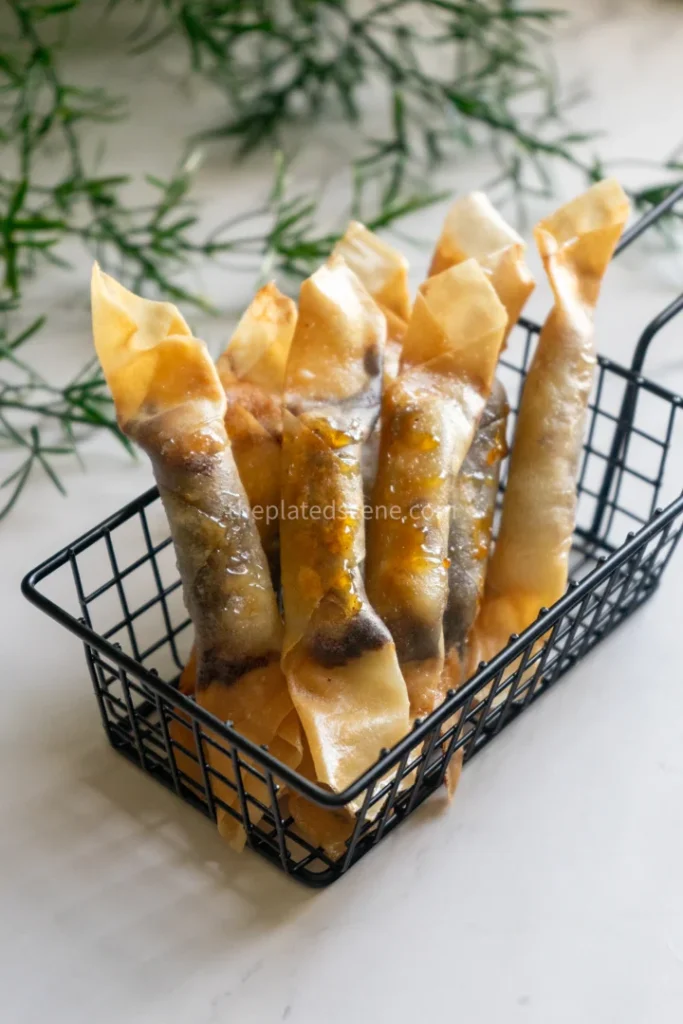
I love this recipe because it is incredibly easy to make. Everything comes from basic pantry staples that I always have at home, so I often find myself thinking, why not make a few more. Whenever I crave something sweet but effortless, I almost always end up making Pisang Coklat Aroma again. It is quick, cozy, and always hits the spot, which is why this little snack keeps finding its way back into my kitchen again and again.
Table of Contents
What Is Pisang Coklat Aroma
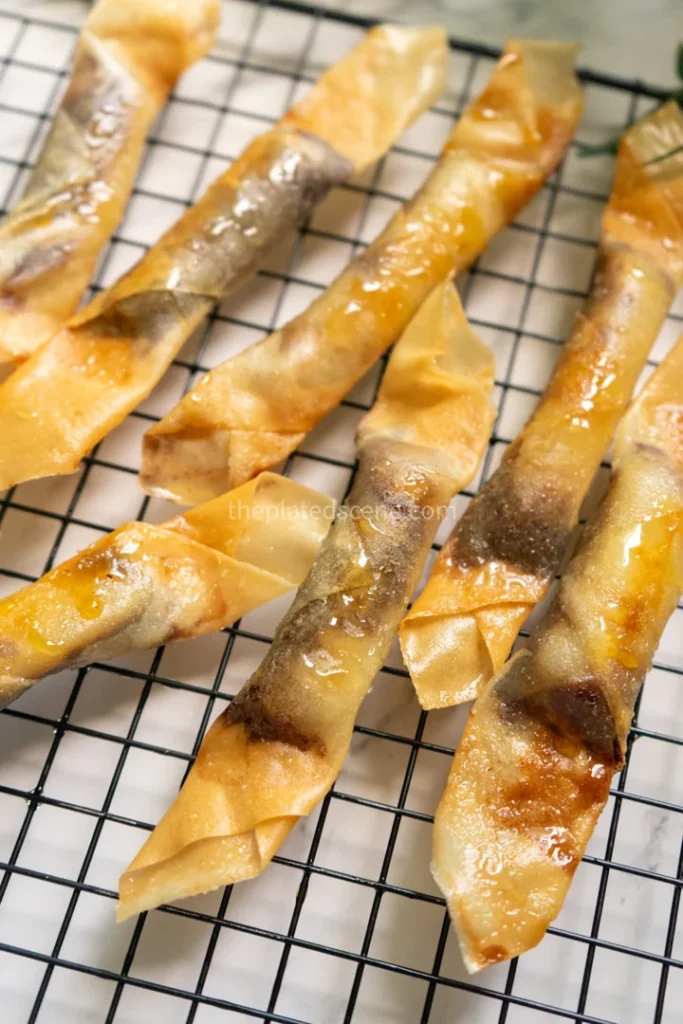
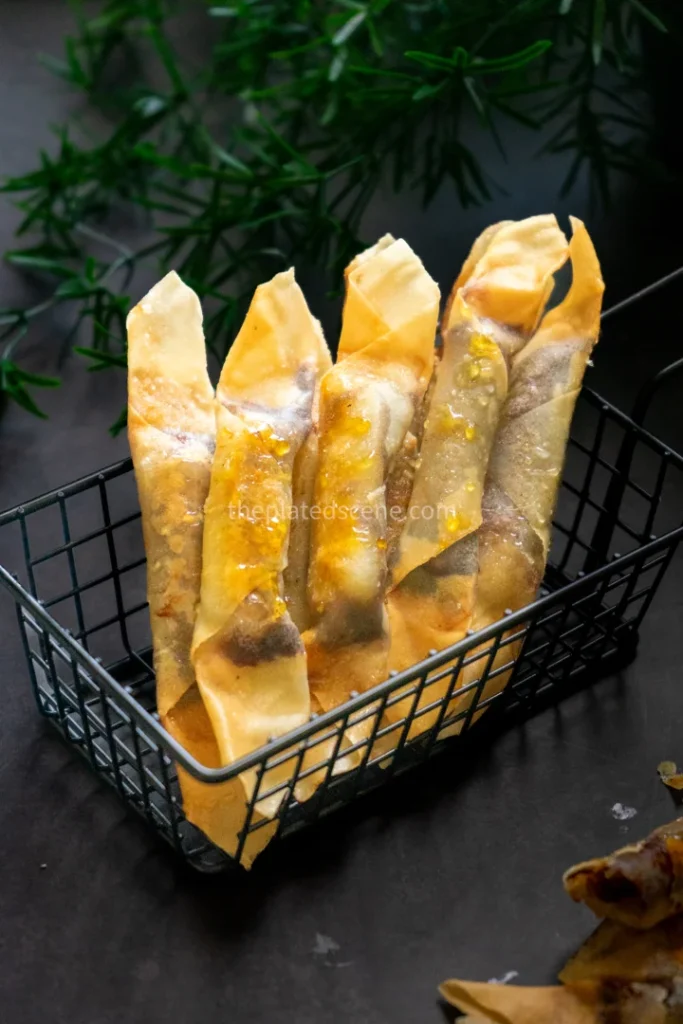
Pisang coklat aroma is a beloved Indonesian snack made from ripe banana and chocolate wrapped inside a thin spring roll pastry and fried until crisp. The name comes from the natural fragrance that appears when the filled rolls hit the hot oil. The edges turn golden, the banana softens, and the chocolate melts into a sweet filling that feels both nostalgic and satisfying.
In English, this treat is known as chocolate banana spring rolls. It is a simple recipe that has become a staple in many Indonesian households because it delivers so much flavor with very little effort. Many street food vendors also sell pisang coklat aroma, often freshly fried to order, making it a comforting snack people enjoy at any time of the day.
A Short History of Pisang Coklat Aroma
Pisang coklat aroma is a relatively modern addition to Indonesian snacks, yet it feels like it has been part of our food culture for a long time. The idea grew from the classic pisang goreng, which has been enjoyed for generations across Indonesia. As people began experimenting with new fillings and textures, bananas were wrapped in thin pastry sheets to create pisang aroma. Over time, chocolate was added as a natural companion to the sweet banana, and this simple twist quickly became popular.
Street food vendors were the first to make pisang coklat aroma widely known. It offered something different from the usual fried snacks. The thin wrapper created a crisp bite, the warm banana softened perfectly, and the melted chocolate added a touch of indulgence that felt fun and comforting. It became a favorite among students, families, and anyone looking for a quick sweet treat.
The use of spring roll wrappers also reflects Indonesia’s long history of blending local and Chinese culinary influences. Many fried snacks in Indonesia use these same wrappers, so adapting them for a sweet filling was a natural next step. The addition of a little sugar in the oil, which creates the light caramel coating, became a unique touch that made the flavor richer and the aroma more inviting.
A Little Touch of Caramel on the Wrapper
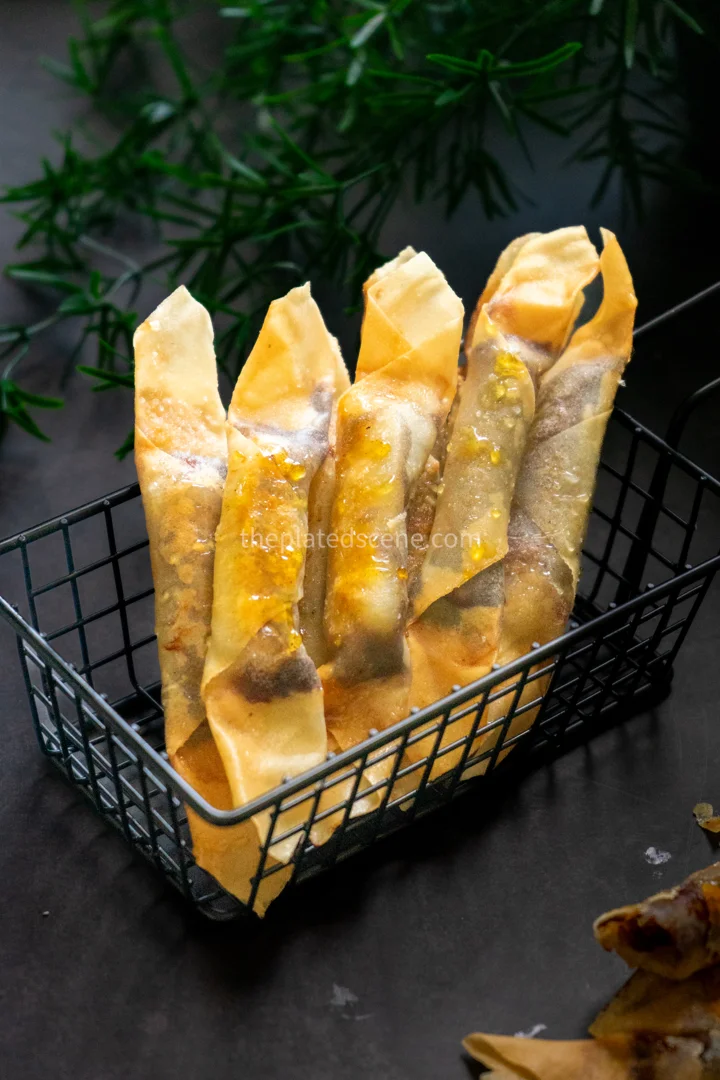
One of the most charming parts of making pisang coklat aroma is the light caramel coating that naturally forms on the wrapper. This happens when you add a bit of sugar to the frying oil. As the oil warms, the sugar begins to melt and spread, creating tiny bubbles that cling to the surface of the spring rolls. When the rolls begin to crisp, this melted sugar turns into a thin caramel layer that makes each piece slightly glossy and beautifully golden.
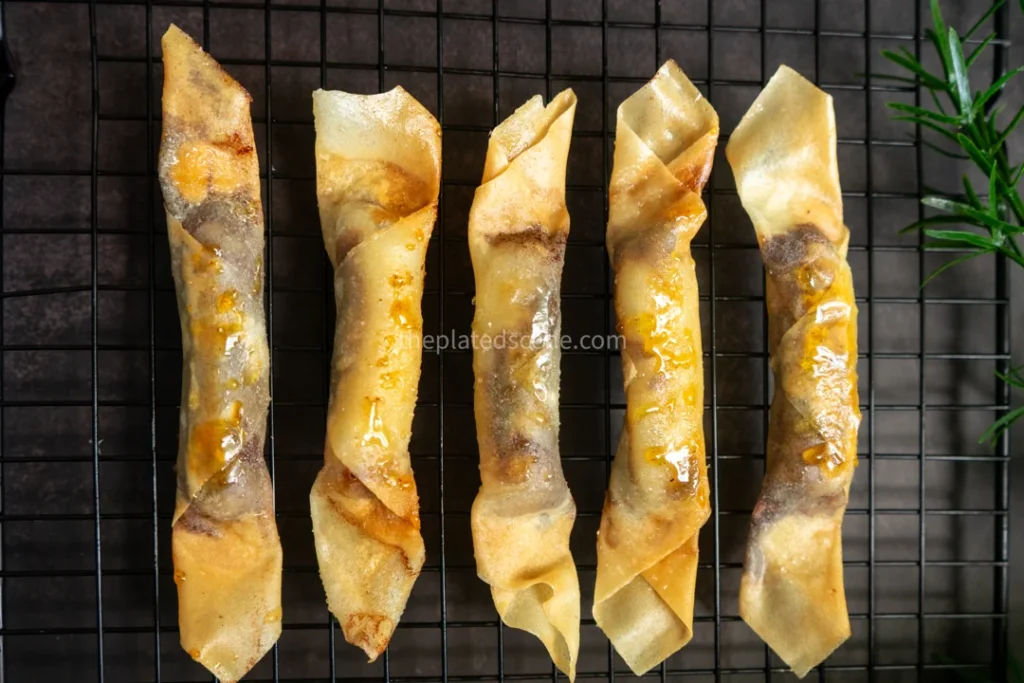
This small step adds something extra to the experience. The outer skin becomes crisp with a gentle sweetness that complements the warm banana and melted chocolate inside. It also enhances the aroma in a way that feels comforting and inviting. You will notice a subtle caramel scent rising from the pan, which makes the entire kitchen feel warm and cozy.
For chocolate banana spring rolls, this caramel touch is a quiet but meaningful upgrade. It gives the snack a polished finish, a bit more character, and a flavor that feels more special than the ingredients suggest. It is an easy technique that transforms a simple recipe into something memorable, and once you try it, you will probably find yourself using it every time you make pisang coklat aroma.
Why It Is Called Aroma
The name pisang aroma comes from the fragrant smell that rises as the rolls cook in hot oil. When the thin wrapper turns crisp and the banana warms up inside, it releases a natural sweetness that fills the kitchen with a gentle aroma. Many home cooks also add a drop of vanilla essence to the filling, which makes the scent even more inviting.
Because of this fragrant quality, the snack became known as pisang aroma, which simply means “fragrant banana.” When chocolate was later added to the filling, the name evolved into pisang coklat aroma, but the idea stayed the same. It is a snack known not only for its crisp texture and sweet taste, but also for the comforting aroma that makes you want to reach for it the moment it leaves the pan.
Ingredients
Banana
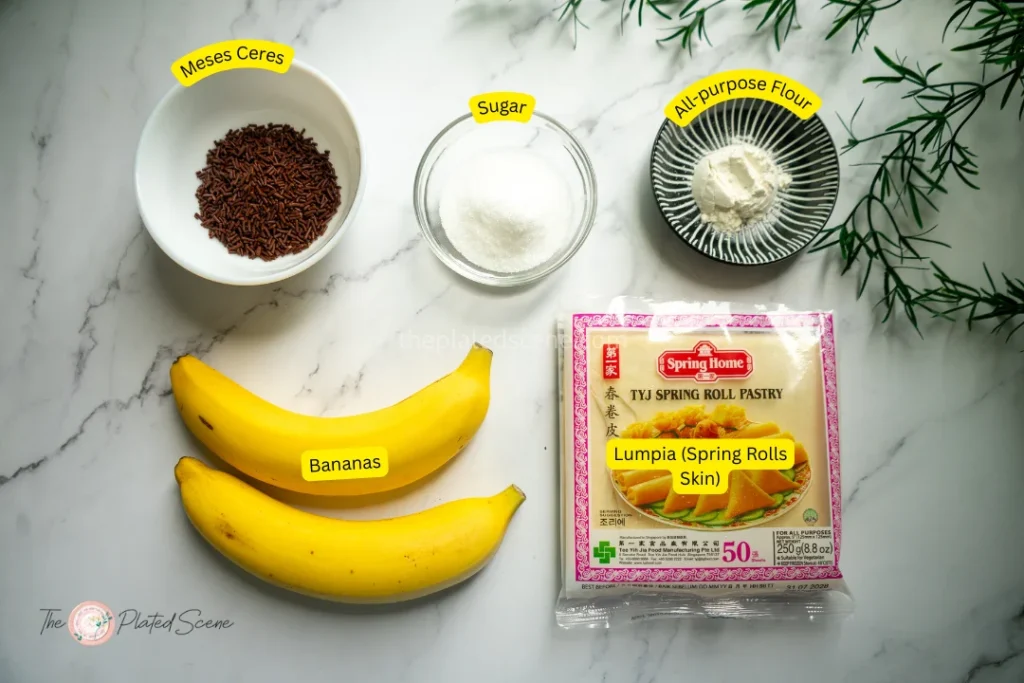
Use ripe bananas that are naturally sweet and soft. The warmth brings out their aroma and creates the signature creamy filling inside the crispy wrapper. Pisang raja or cavendish work well, but you can also use plantains if you prefer a firmer texture. If you want a deeper flavor, try using bananas that are just slightly overripe because they caramelize beautifully during frying.
Lumpia Skin
These thin spring roll wrappers fry up light and crisp, making them perfect for pisang coklat aroma. You can use frozen or fresh wrappers as long as they are pliable and easy to roll. If lumpia skin is unavailable, rice paper or phyllo sheets can work in a pinch, though the texture will be slightly different. For a quick shortcut, some people even use wonton wrappers for mini versions.
Meses Ceres
This is the classic chocolate sprinkle used in many Indonesian desserts. It melts just enough inside the wrapper, giving the rolls a familiar sweet chocolate taste. If you do not have meses ceres, you can replace it with chocolate chips, chopped chocolate bars, Nutella, or any spreadable chocolate. Dark chocolate works well if you prefer something less sweet.
All-Purpose Flour
This flour is usually mixed with water to create a simple glue that helps seal the wrapper so it does not open during frying. If you prefer, you can use cornstarch slurry or even a small dab of beaten egg to seal the edges. The goal is simply to keep the rolls tightly closed so the filling stays inside.
Sugar
A little sugar is added directly into the hot oil to create a natural caramel coating on the wrapper. The sugar melts, sticks gently to the skin, and forms a thin glossy layer as the rolls crisp. If you want a milder result, you can use brown sugar for a hint of molasses flavor. Coconut sugar also works well and gives a light caramel fragrance.
Step-by-Step Instructions
Step 1: Slice the banana
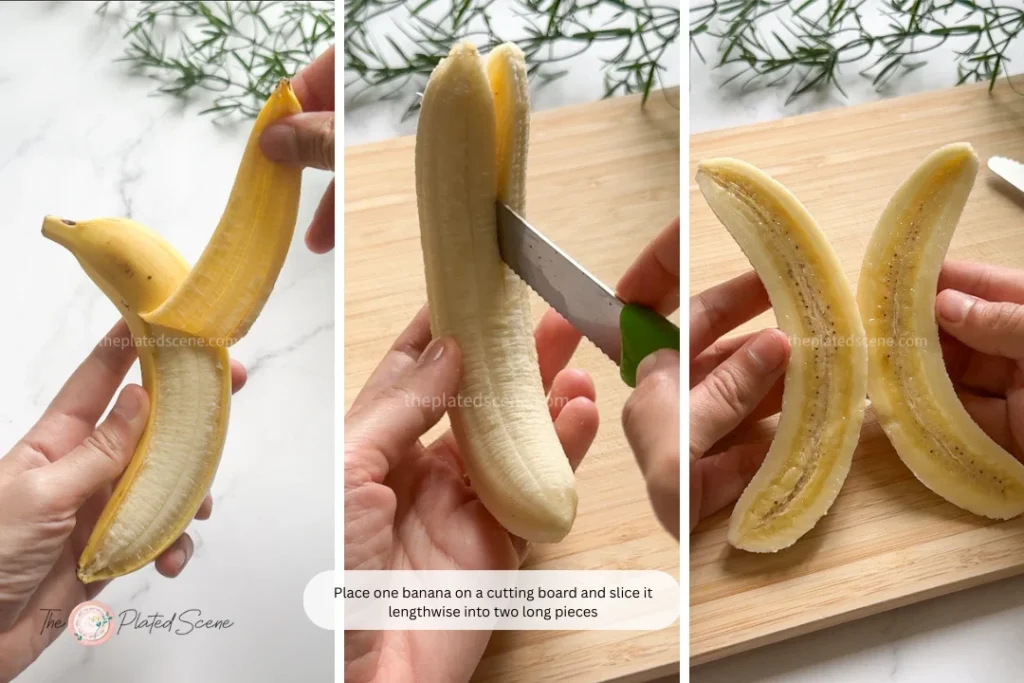
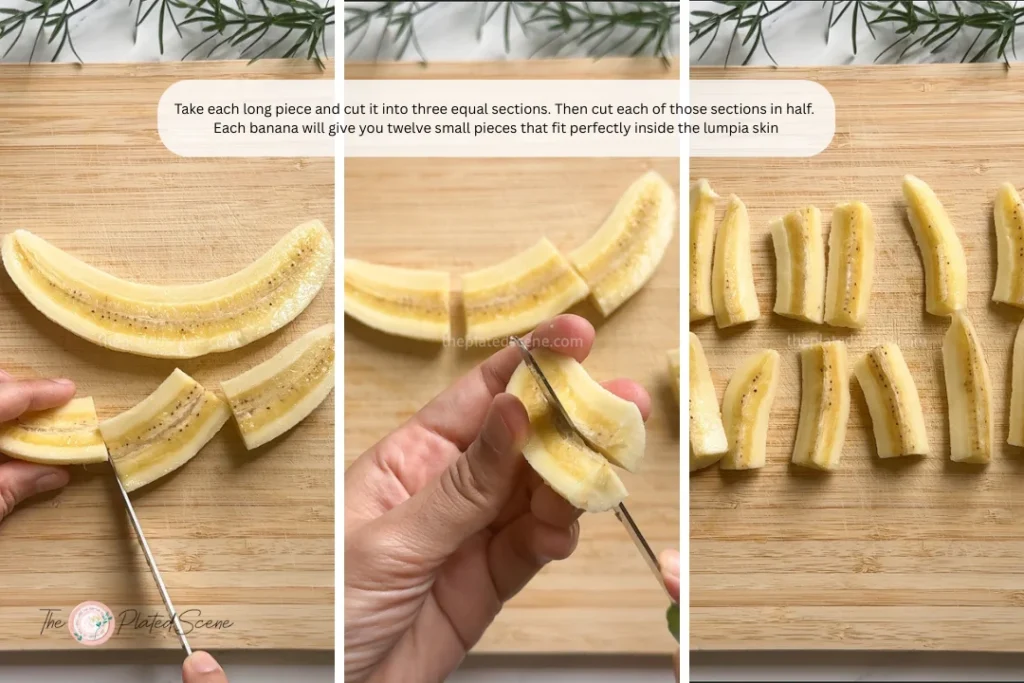
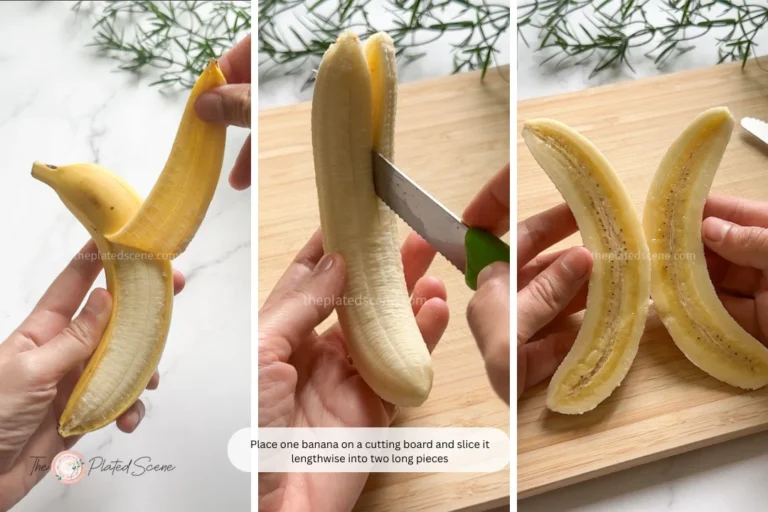
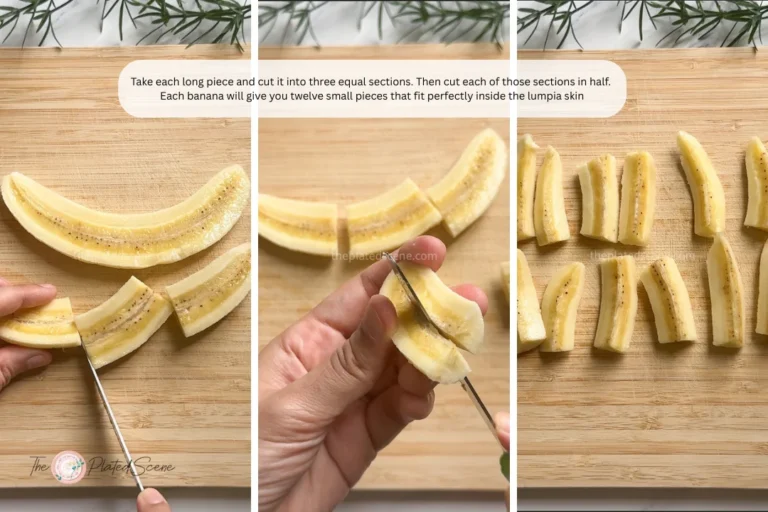
Peel the bananas and place one on a cutting board. First, slice the banana lengthwise into two long pieces. Take each long piece and cut it into three equal sections. Then cut each of those sections in half. Each banana will give you twelve small pieces that fit perfectly inside the lumpia skin. Repeat with the second banana.
Step 2: Make the flour glue
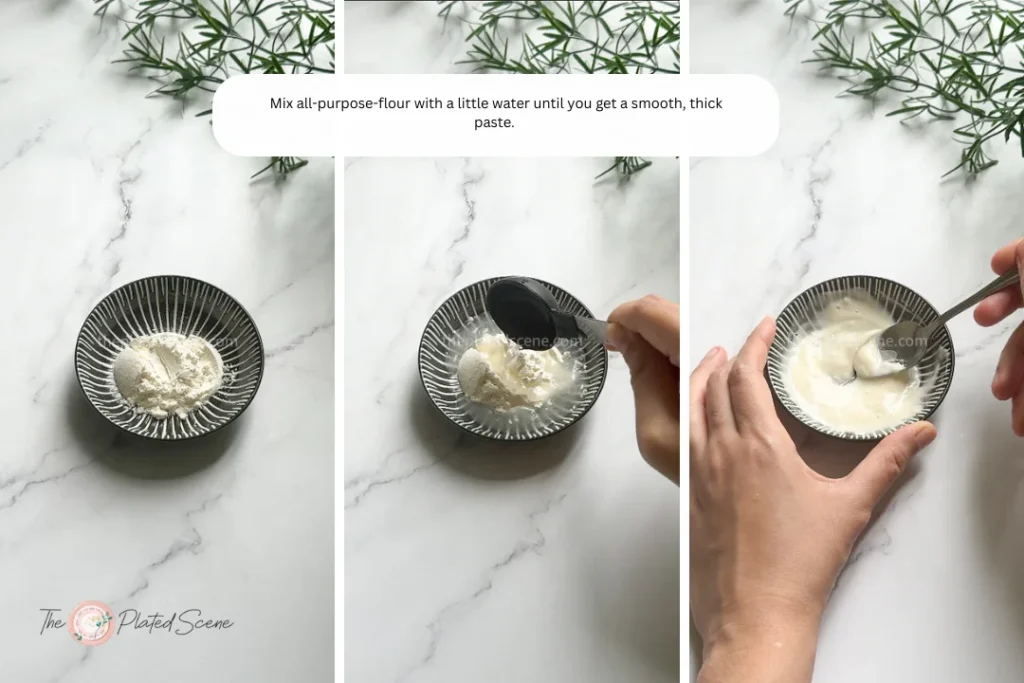
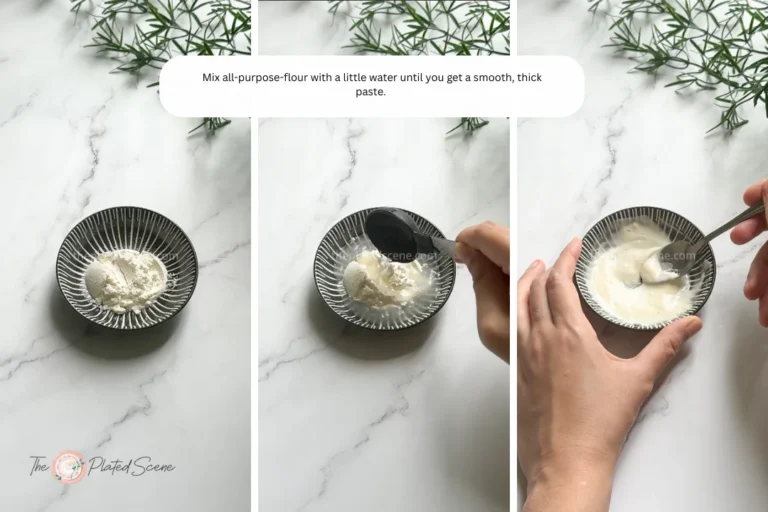
In a small bowl, mix all-purpose flour with a little water until you get a smooth, thick paste. The consistency should be sticky and hold its shape. This flour glue will help seal the sides and the end of the lumpia skin so the filling does not leak during frying.
Step 3: Fill and roll the lumpia
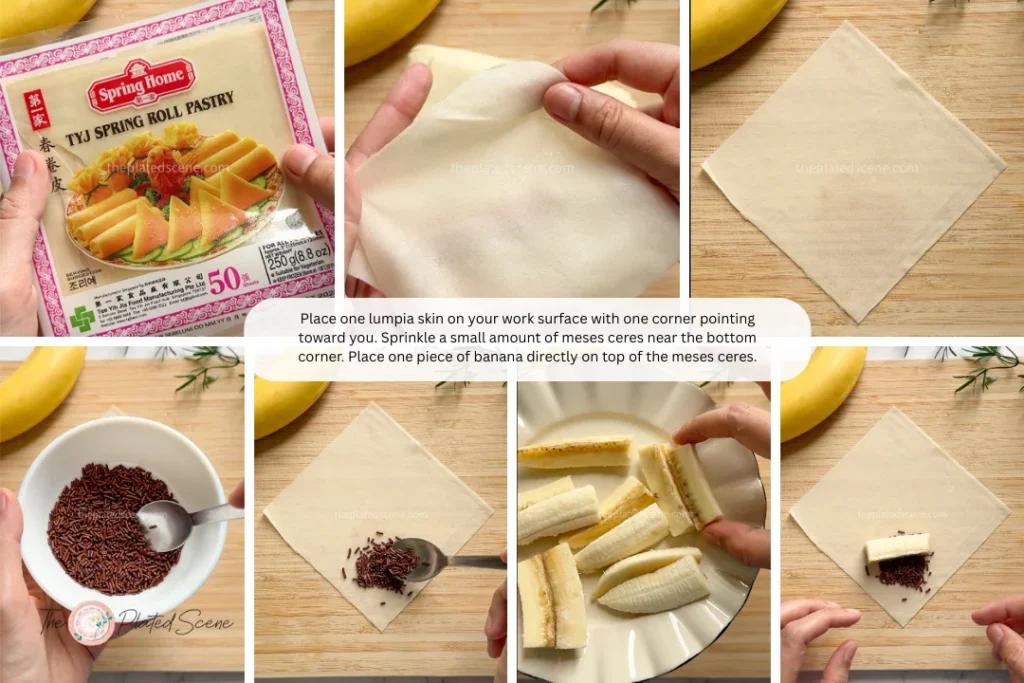
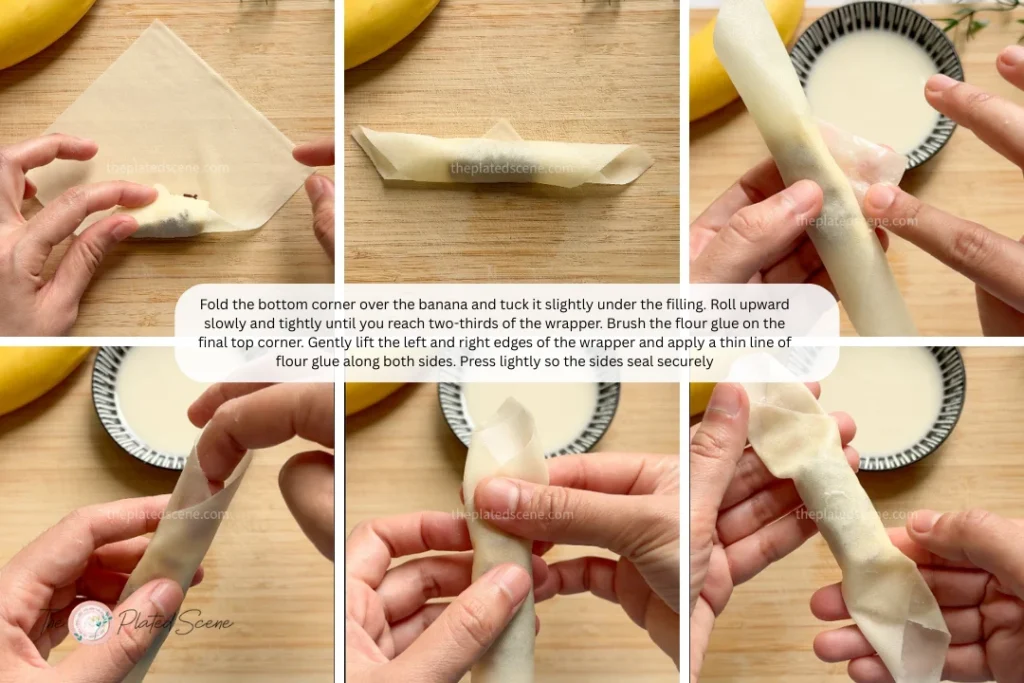
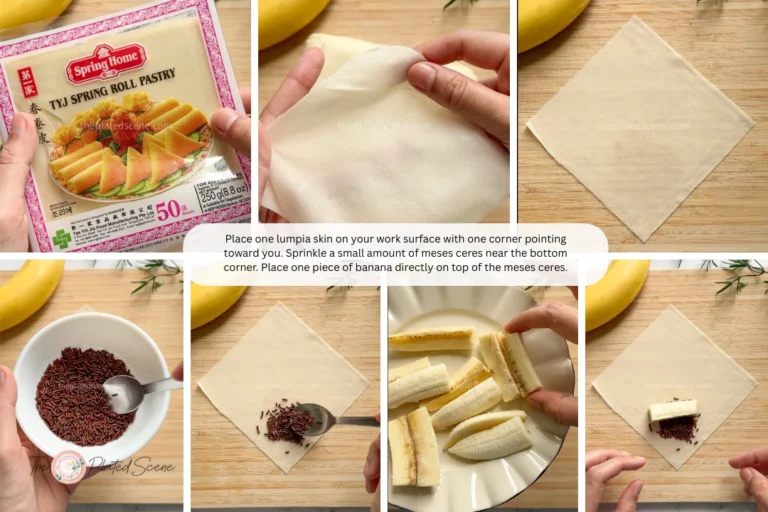
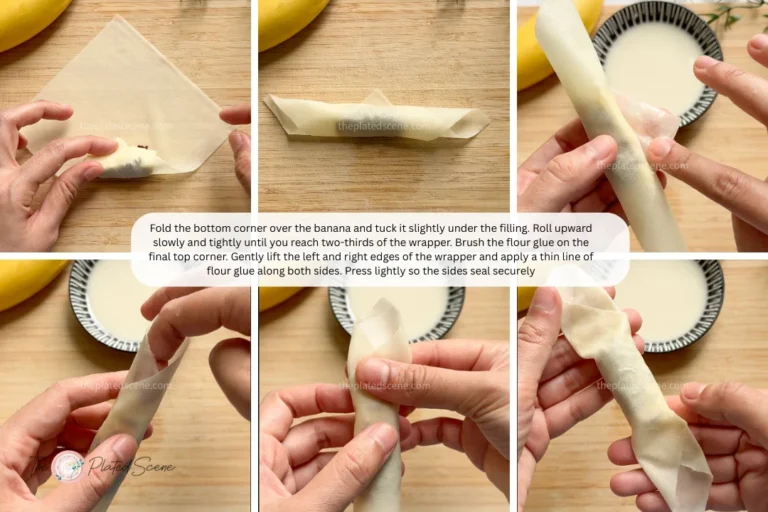
Place one lumpia skin on your work surface with one corner pointing toward you. Sprinkle a small amount of meses ceres near the bottom corner. Keep it light. Using too much chocolate will cause it to melt and leak out while frying. Place one piece of banana directly on top of the meses ceres. The banana will help press the chocolate sprinkles in place so they melt gently inside the roll. Fold the bottom corner over the banana and tuck it slightly under the filling. Do not fold the sides inward. Keep the wrapper straight so the roll stays long and slim. Roll upward slowly and tightly until you reach two-thirds of the wrapper.
Step 4: Seal the sides and the end
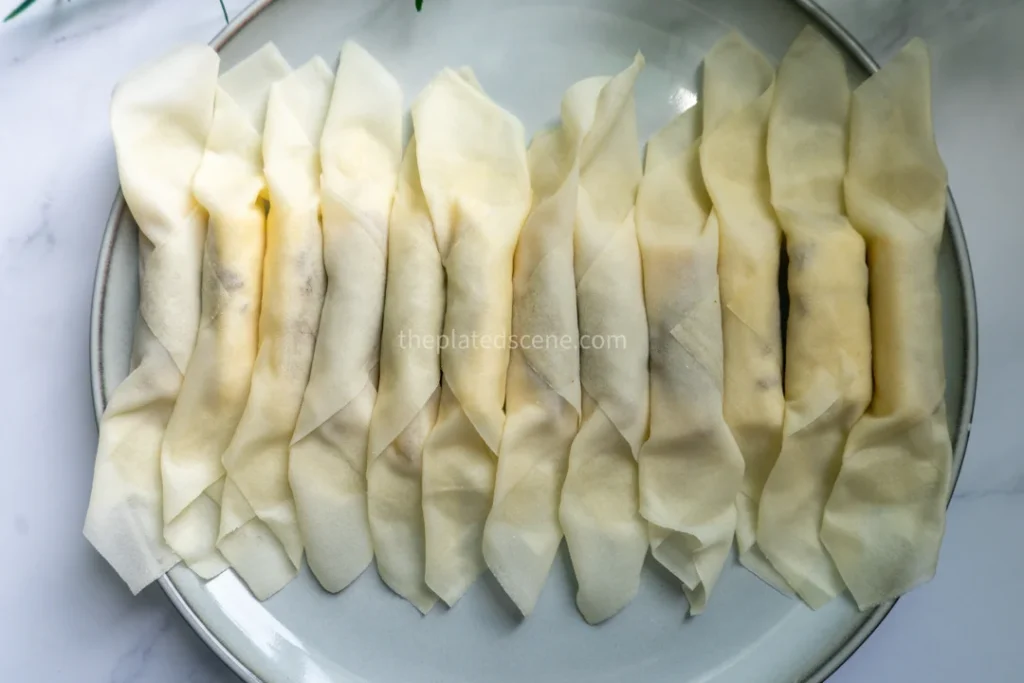
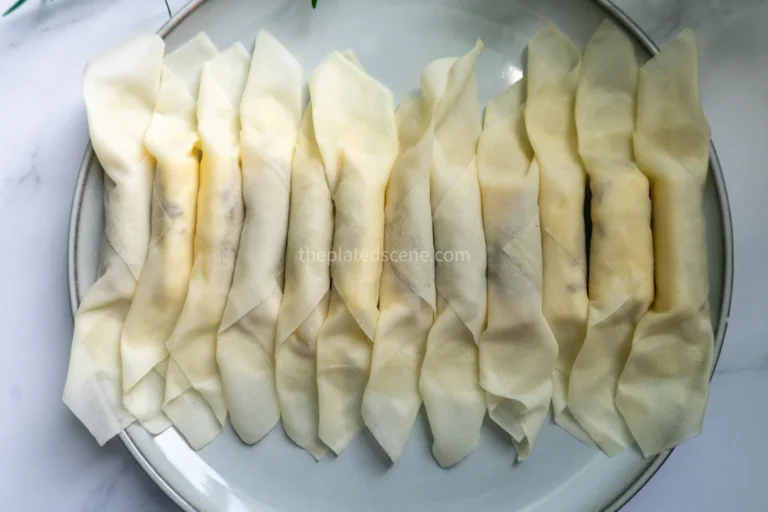
Before finishing the roll, gently lift the left and right edges of the wrapper and apply a thin line of flour glue along both sides. Press lightly so the sides seal securely. Brush a bit more flour glue on the final top corner. Continue rolling until the end sticks firmly to the roll. Check that the sides and ends are fully sealed. If you see any small gaps, dab a little extra flour glue. A tight seal prevents melted chocolate from leaking out in the oil.
Step 5: Fry with caramel sugar
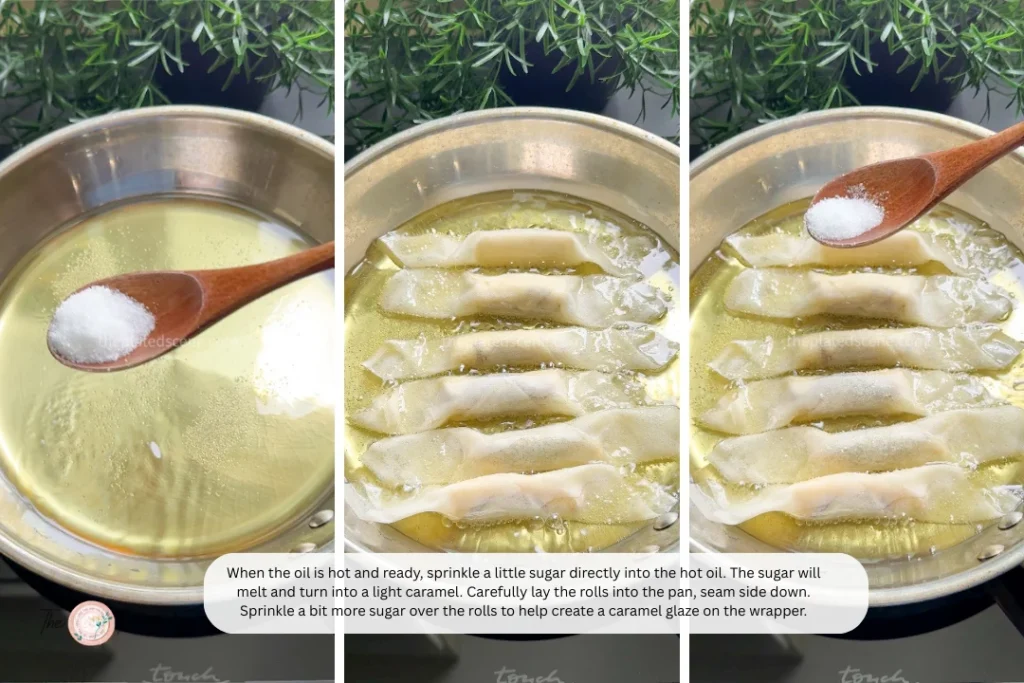
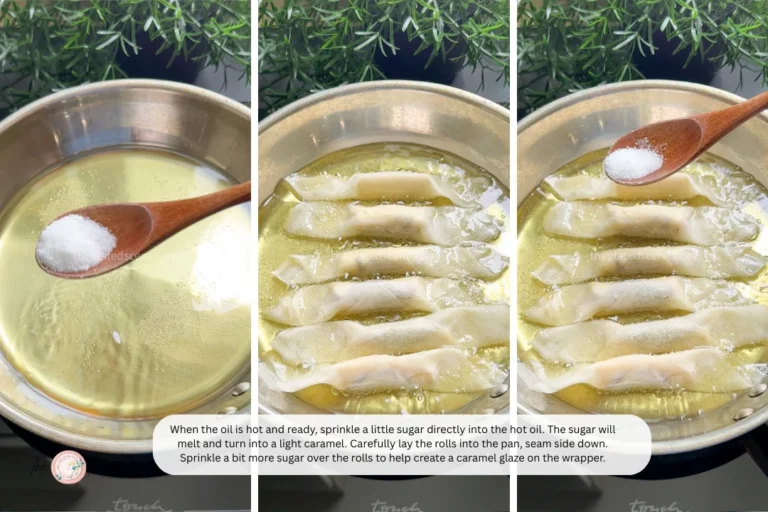
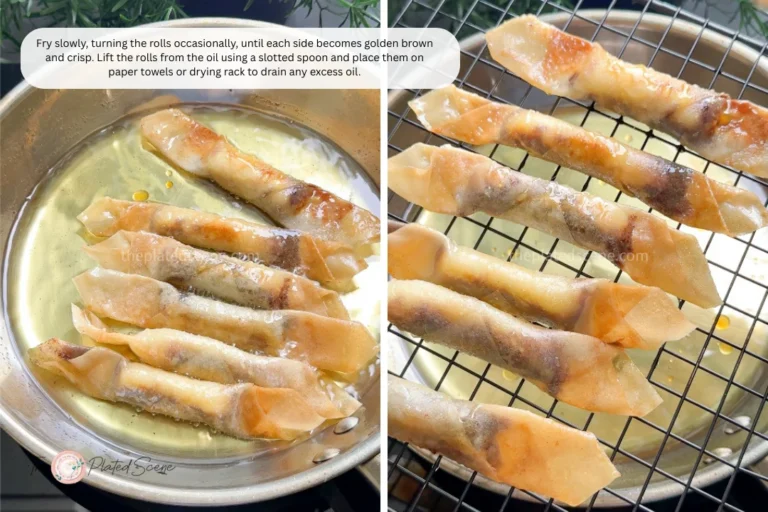
Heat enough oil in a pan over medium heat. Test the temperature by dipping the end of a wooden chopstick into the oil. If gentle bubbles appear, it is ready. Sprinkle a little sugar directly into the hot oil. The sugar will melt and turn into a light caramel. Carefully lay the rolls into the pan, seam side down. Sprinkle a bit more sugar over the rolls to help create a caramel glaze on the wrapper. Fry slowly, turning the rolls occasionally, until each side becomes golden brown and crisp. Adjust the heat as needed so the caramel does not burn. The wrapper should develop a slight shine from the caramel while staying crunchy.
Step 6: Drain and serve
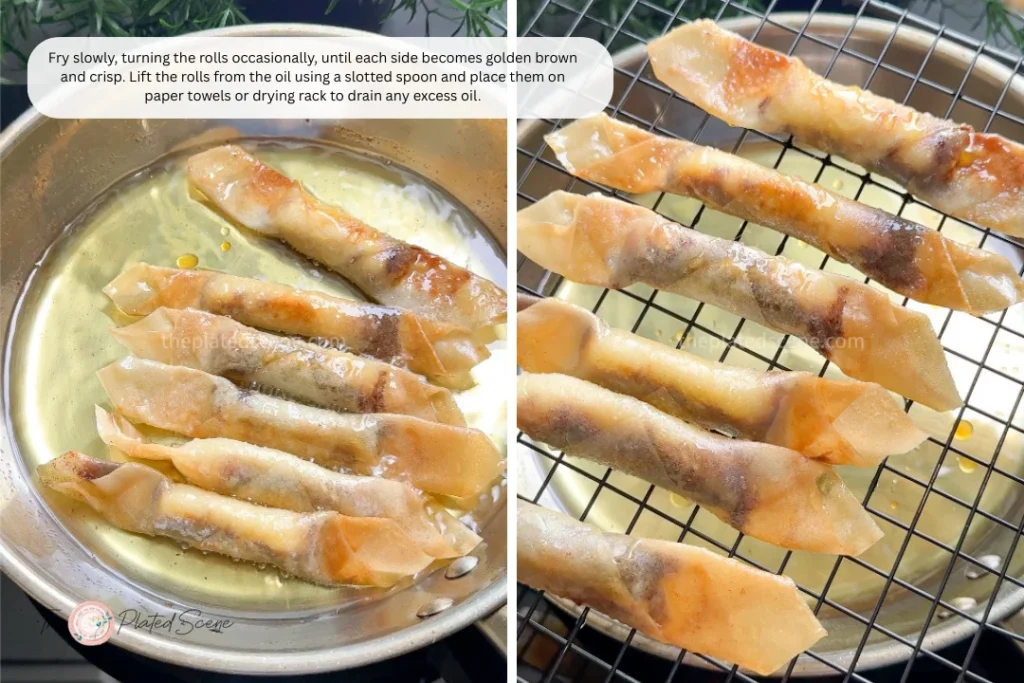
Lift the rolls from the oil using a slotted spoon and place them on paper towels or drying rack to drain any excess oil. Allow them to cool slightly, then serve warm. The combination of crisp wrapper, soft banana, melted chocolate, and thin caramel crust tastes best when fresh.
Other Indonesian Recipes You Might Love
If you enjoy the warm, cozy sweetness of pisang coklat aroma, there are plenty of Indonesian treats that will make you just as happy. These recipes carry the same comfort, simplicity, and nostalgic flavors that many of us grew up with. They are easy to make at home and use ingredients that are familiar and friendly, just like these chocolate banana spring rolls.
- Wajik Ketan. A soft and slightly chewy sticky rice dessert cooked in coconut milk and palm sugar. It has a deep caramel flavor and a beautiful glossy finish.
- Bubur Pacar Cina. comforting dessert bowl made with chewy tapioca pearls served in sweet coconut milk. Light, soothing, and perfect for warm or cold weather.
- Bubur Kacang Ijo. A classic mung bean coconut porridge that is naturally sweet, cozy, and nourishing. Perfect for breakfast, snack time, or dessert.
- Rondo Royal (Tape Goreng). Fermented cassava fried until crisp on the outside and soft inside, often filled with melted palm sugar. Sweet, aromatic, and wonderfully addictive.
Pisang Coklat Aroma (Chocolate Banana Spring Rolls)
4
servings15
minutes10
minutes25
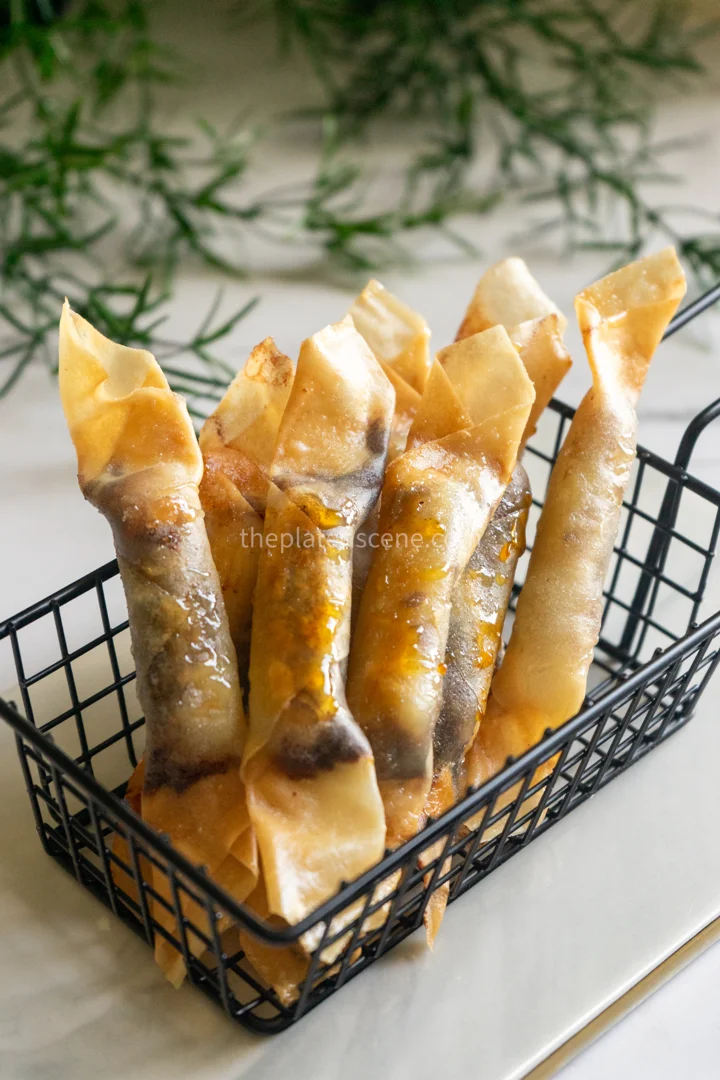
minutesPisang coklat aroma is a simple Indonesian snack made with bananas and chocolate wrapped in crispy lumpia skin and fried until golden with a light caramel coating. These chocolate banana spring rolls are quick, comforting, and perfect for an easy sweet treat.
Keep the screen of your device on
Ingredients
2 2 bananas
24 24 lumpia skins (5 inch or 125mm x 125mm)
1.8 ounces 50 g meses ceres
2 tablespoons 2 tbsp all purpose flour
Water, as needed (for flour glue)
3.5 ounces 100 g sugar
Cooking oil, for frying
Directions
- Slice the banana
Peel the bananas and place one on a cutting board. First, slice the banana lengthwise into two long pieces. Take each long piece and cut it into three equal sections. Then cut each of those sections in half. Each banana will give you twelve small pieces that fit perfectly inside the lumpia skin. Repeat with the second banana.
- Make the flour glue
In a small bowl, mix all purpose flour with a little water until you get a smooth, thick paste. The consistency should be sticky and hold its shape. This flour glue will help seal the sides and the end of the lumpia skin so the filling does not leak during frying. - Fill and roll the lumpia
Place one lumpia skin on your work surface with one corner pointing toward you. Sprinkle a small amount of meses ceres near the bottom corner. Keep it light. Using too much chocolate will cause it to melt and leak out while frying.
Place one piece of banana directly on top of the meses ceres. The banana will help press the chocolate sprinkles in place so they melt gently inside the roll. Fold the bottom corner over the banana and tuck it slightly under the filling. Do not fold the sides inward. Keep the wrapper straight so the roll stays long and slim. Roll upward slowly and tightly until you reach two thirds of the wrapper. - Seal the sides and the end
Before finishing the roll, gently lift the left and right edges of the wrapper and apply a thin line of flour glue along both sides. Press lightly so the sides seal securely.
Brush a bit more flour glue on the final top corner. Continue rolling until the end sticks firmly to the roll. Check that the sides and end are fully sealed. If you see any small gaps, dab a little extra flour glue. A tight seal prevents melted chocolate from leaking out in the oil. - Fry with caramel sugar
Heat enough oil in a pan over medium heat. Test the temperature by dipping the end of a wooden chopstick into the oil. If gentle bubbles appear, it is ready.
Sprinkle a little sugar directly into the hot oil. The sugar will melt and turn into a light caramel. Carefully lay the rolls into the pan, seam side down. Sprinkle a bit more sugar over the rolls to help create a caramel glaze on the wrapper.
Fry slowly, turning the rolls occasionally, until each side becomes golden brown and crisp. Adjust the heat as needed so the caramel does not burn. The wrapper should develop a slight shine from the caramel while staying crunchy. - Drain and serve
Lift the rolls from the oil using a slotted spoon and place them on paper towels or drying rack to drain any excess oil. Allow them to cool slightly, then serve warm. The combination of crisp wrapper, soft banana, melted chocolate, and thin caramel crust tastes best when fresh.

)