

Jinten, known in English as cumin, is the quiet warmth beneath many Indonesian stews and spice pastes. Toast a few seeds, and the air fills with a deep, smoky aroma that feels both ancient and familiar. It smells like the start of something comforting, a dish that will simmer slowly and taste even better the next day.
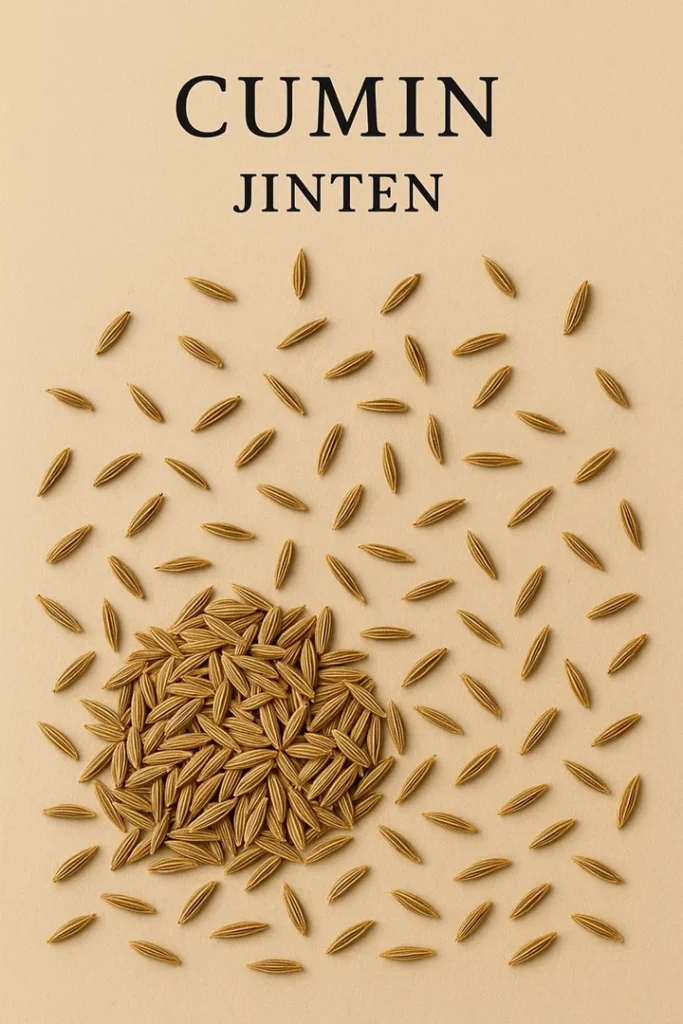
Table of Contents
What is Jinten?
Jinten comes from the dried seeds of the Cuminum cyminum plant, part of the parsley family. The seeds are small, thin, and brown, with fine ridges and pointed ends. Though it originated in the Middle East and India, cumin found its way into the Indonesian kitchen centuries ago through spice trade routes and became an essential part of local cooking.
There are two main types of jinten used in Indonesian recipes: Jinten Putih (white or regular cumin) and Jinten Hitam (black cumin). Jinten putih is more common, used in savory dishes and spice blends. Jinten hitam has a sharper, slightly bitter taste and is used sparingly, often for traditional herbal drinks or special recipes.
Aroma and Flavor
The aroma of jinten is deep, earthy, and slightly smoky. When the seeds hit a warm pan, they release a scent that feels grounded and warm, a blend of toasted nuts, dry soil after rain, and a faint citrus edge. It is one of the few spices whose aroma alone can make you hungry.
The flavor is bold yet balanced. It starts earthy and nutty, then turns warm with a subtle bitterness that adds depth to food. When combined with coriander, it creates a harmony that feels perfectly Indonesian, one bringing citrus brightness, the other grounding it with smoke and warmth.
Jinten’s strength lies in how it supports other spices. It does not dominate; it completes. In meat stews, it adds body. In coconut dishes, it deepens the richness. In fried snacks, it leaves a faint, savory perfume that lingers just long enough to make you crave another bite.
How It’s Used in Indonesian Cooking
Jinten is almost always paired with ketumbar in Indonesian spice blends. Together, they form the backbone of many bumbu dasar, the spice pastes that define Indonesian cooking.
- Rendang and Gulai: Adds depth and warmth to long-simmered coconut stews.
- Semur Daging and Empal: Enhances the sweet soy sauce base with earthy notes.
- Tempe Bacem: Balances the sweetness of palm sugar and the saltiness of soy sauce.
- Bakwan and Perkedel: A pinch of ground cumin gives fried snacks a subtle savory aroma.
- Soto Daging and Sup Kambing: Strengthens the broth with warm, herbal undertones.
In Javanese and Sumatran cooking, jinten is a quiet but constant presence, giving dishes that grounded aroma you can recognize before you even take the first bite.
Physical Comparison with Similar Spices
| Spice | Appearance | Flavor | Used For | Key Difference |
|---|---|---|---|---|
| Jinten (Cumin) | Thin, brown ridged seeds | Earthy, warm, slightly smoky | Stews, spice pastes, soups | Stronger and darker than coriander |
| Biji Ketumbar (Coriander) | Round, light brown seeds | Citrusy, nutty, mild | Marinades, fried foods, curries | Lighter and more aromatic |
| Jinten Hitam (Black Cumin) | Tiny, dark seeds | Bitter, sharp, peppery | Herbal drinks, medicinal recipes | More bitter, used sparingly |
| Adas (Fennel) | Pale green, elongated seeds | Sweet, anise-like | Curries, drinks | Sweeter and less earthy |
| Lada (Black Pepper) | Round, black seeds | Sharp, spicy, pungent | Seasoning, sauces | Hotter, more direct flavor |
Cooking Tips
- Toasting: Always toast jinten before grinding to release its aroma and soften its bitterness.
- Grinding: Use freshly ground cumin for stronger flavor. Store-bought powder loses its fragrance quickly.
- Pairing: Combine with coriander, turmeric, and nutmeg for balanced spice pastes.
- Balance: A little goes a long way. Too much cumin can overpower lighter ingredients.
- Storage: Keep whole seeds in an airtight jar, away from moisture and sunlight.
If You Can’t Find It
Ground cumin is widely available in most supermarkets. If you cannot find it, substitute with caraway seeds or a small mix of coriander and pepper for a similar earthy warmth.
