

If you toast a few grains of alba (fenugreek seeds) in a dry pan, the kitchen fills with a faintly sweet, nutty aroma that smells a little like caramel mixed with maple syrup. It is soft and comforting at first, but as the seeds warm, they release something slightly bitter underneath — a complexity that tells you this spice was never meant to stand alone.
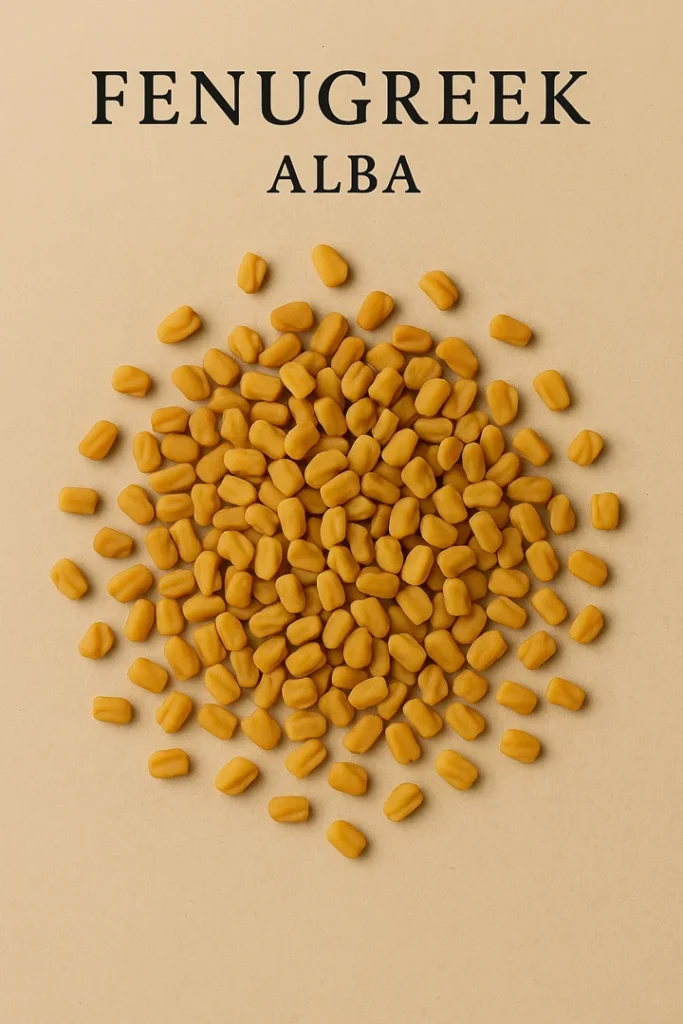
Table of Contents
What is Alba?
Alba, or fenugreek seed, comes from the plant Trigonella foenum-graecum, a member of the legume family. The seeds are small, angular, and golden brown, with a hard texture that softens only after toasting or soaking.
Though fenugreek is more often associated with Indian and Middle Eastern cooking, it also quietly appears in Indonesian spice blends, especially in older recipes and traditional preparations from Sumatra and Java. You will sometimes find it listed as alba in markets or recipe notes.
In Indonesian kitchens, alba is usually used in very small amounts. It adds body and a gentle sweetness to bumbu (spice pastes), particularly those meant for rich coconut-based stews or deep, aromatic curries.
Aroma and Flavor
The aroma of alba is layered and complex. When raw, it smells slightly sharp and earthy, with a faint bitterness. When toasted, the scent transforms into something warm and sweet, like burnt sugar or roasted nuts.
The flavor begins with mild sweetness and ends with a dry, pleasant bitterness. It has a faint hint of maple and curry leaves, and a touch of something savory that lingers on the tongue. Used sparingly, it adds balance and roundness to spice mixtures, bridging sweet and spicy flavors. Used too much, it can taste medicinal or overpowering, which is why Indonesian cooks treat it with restraint.
How It’s Used in Indonesian Cooking
Alba is not a star spice in Indonesian cuisine, but it often appears quietly in blends that aim for depth rather than heat. It is more common in Sumatra and Java, especially in complex dishes that use a full range of warm spices.
- Rendang Sapi: Adds subtle sweetness and structure to the spice mix alongside coriander and cumin.
- Gulai and Kari: Helps to round the sharper notes of turmeric and chili.
- Bumbu Dasar for Javanese Stews: A pinch can soften the harsh edges of garlic and shallots when fried in oil.
- Rendang Telur or Sambal Goreng Ati: Occasionally included in small quantities to give a faint nutty undertone.
You will rarely see it mentioned by name in modern Indonesian recipes, yet traditional cooks often know it as the little extra that makes a spice blend taste “complete.”
Physical Comparison with Similar Spices
| Spice | Appearance | Flavor | Used For | Key Difference |
|---|---|---|---|---|
| Alba (Fenugreek Seed) | Small, golden, angular seeds | Sweet, nutty, slightly bitter | Spice blends, rendang, gulai | Adds depth and sweetness, use sparingly |
| Biji Ketumbar (Coriander Seed) | Small, round, light brown seeds | Earthy, citrusy, nutty | Spice pastes, marinades | Brighter and less bitter |
| Jintan Putih (Cumin) | Long, narrow brown seeds | Warm, smoky, pungent | Curries, stews | Sharper and stronger |
| Mustard Seed (Biji Sawi) | Small, round, yellow seeds | Sharp, tangy | Pickles, spice oil | Spicier, lacks sweetness |
| Biji Pala (Nutmeg) | Hard, brown seed | Sweet, woody, creamy | Stews, soups, cakes | More aromatic and rounded |
Cooking Tips
- Toasting: Toast the seeds gently until fragrant to reduce their bitterness and release their sweetness.
- Grinding: Always grind before adding to spice pastes to prevent a gritty texture.
- Balance: Combine with coriander, cumin, and turmeric for a complete spice base.
- Use sparingly: Too much can turn a dish bitter. A small pinch is enough for most recipes.
- Storage: Keep in an airtight jar away from light. The aroma lasts for months if stored whole.
If You Can’t Find It
You can leave it out in most Indonesian dishes if unavailable. For a similar mild sweetness, add a small pinch of toasted mustard seed or a touch of maple syrup when balancing the flavor of curry sauces.
