

Whenever I crave something light yet satisfying, something that feels both nourishing and comforting, I always find myself cooking capcay. Growing up in Indonesia, this colorful stir-fry was one of those dishes that effortlessly combined the comforting flavors of Chinese home cooking with the everyday familiarity of Indonesian ingredients. It was the kind of food you could find anywhere, from small warungs to family dinners, and everyone seemed to have their own special version of it.
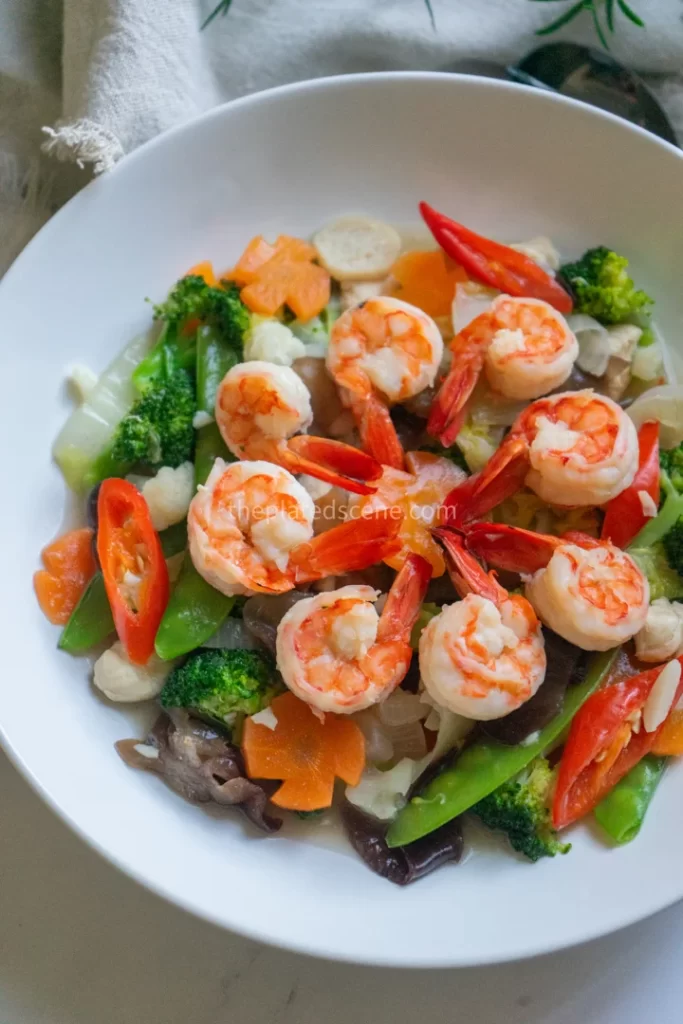
I often eat capcay when I want to feel healthy without sacrificing flavor. It’s full of crisp vegetables, a bit of protein like chicken or shrimp, and a savory sauce that ties everything together. It’s a dish that somehow feels virtuous and indulgent at the same time. The aroma of garlic sizzling in oil, followed by the vibrant sight of carrots, cauliflower, and bok choy tossed in a glossy sauce, always makes me feel like I’m cooking something good for myself.
Capcay reminds me of the balance I often strive for in my meals: wholesome ingredients, layered flavors, and the comfort of home. It’s simple to make, yet endlessly flexible. You can adjust it depending on what’s in your fridge. Add tofu if you want something vegetarian, shrimp if you’re craving seafood, or a handful of quail eggs if you want a touch of richness. Every time I make capcay, I end up feeling refreshed, nourished, and a little nostalgic for the family dinners where my mom used to serve it as part of a big meal spread.
Table of Contents
The History of Capcay
The word “capcay” (sometimes spelled “cap cai” or “chap chye”) actually comes from Hokkien Chinese, where it means “mixed vegetables.” The dish was brought to Indonesia by Chinese immigrants who settled across the archipelago centuries ago. Over time, Indonesian home cooks adapted it to local tastes, creating their own versions by adding native vegetables and seasonings.
In traditional Chinese cuisine, stir-fried vegetable dishes are common, but what makes Indonesian capcay unique is how it blends these Chinese techniques with local flavor sensibilities. Garlic, oyster sauce, and soy sauce meet Indonesian touches like sweet soy sauce (kecap manis) or chicken broth seasoned with white pepper. It’s a perfect example of how Indonesian cuisine often evolves through cultural exchange, transforming influences from other countries into something uniquely its own.
Historically, capcay became popular because it was a practical and affordable dish. Vegetables were accessible, and you could use small portions of meat or seafood to enhance the flavor without needing a large quantity. In many Indonesian households, capcay became a staple for weekday meals. Hearty enough to serve as a main dish, but also light enough to accompany rice or noodles.
If you visit Indonesia today, you’ll find capcay everywhere: from simple roadside stalls to high-end Chinese-Indonesian restaurants. Each place adds its own twist. Some make it with thick gravy, while others keep it dry and crisp. But no matter how it’s prepared, capcay always carries that signature balance between savory, slightly sweet, and earthy flavors that make it so deeply satisfying.
Indonesian Capcay vs Peranakan Chap Chye
Although the words “capcay” and “chap chye” share the same root, they’re quite different depending on where you eat them. In Indonesia, capcay is a quick stir-fry dish served hot, usually with rice or noodles. The vegetables are lightly cooked to retain their crunch, and the sauce is savory with a hint of sweetness.
In Peranakan (Straits Chinese) cuisine, however, chap chye is often a braised dish, usually called “Jiu Hu Chap Chye” or “Nyonya Chap Chye”, that includes glass noodles, mushrooms, cabbage, and dried ingredients like bean curd skin. It’s slow-cooked with fermented bean paste, giving it a deeper and richer umami flavor compared to the lighter Indonesian version.
Indonesian capcay, on the other hand, is all about freshness and balance. It’s fast, colorful, and vibrant. The vegetables, carrots, cauliflower, baby corn, and cabbage, are tossed just long enough to stay crisp. The sauce is light but flavorful, often thickened with a bit of cornstarch for that glossy restaurant-style finish. It’s a dish that feels homey yet always bright.
While Peranakan chap chye leans toward earthy and fermented flavors, Indonesian capcay celebrates the freshness of the ingredients. Both are delicious in their own ways, and both tell stories of cultural blending and adaptation. Whenever I make capcay, I feel like I’m continuing that story, a little piece of history cooked into a wok.
How Capcay Tastes Like
Describing the taste of capcay feels like describing a comforting hug in food form. It’s savory but not heavy, fragrant with garlic, and layered with subtle sweetness from the vegetables. Each bite offers a different texture: the crunch of carrot, the softness of cauliflower, the delicate chew of mushrooms.
The sauce is what ties it all together. Made from soy sauce, oyster sauce, and sometimes a touch of chicken broth, it has that classic umami base that’s both rich and light. Some versions include a drizzle of sesame oil for aroma, while others lean into the slightly sweet note of kecap manis.
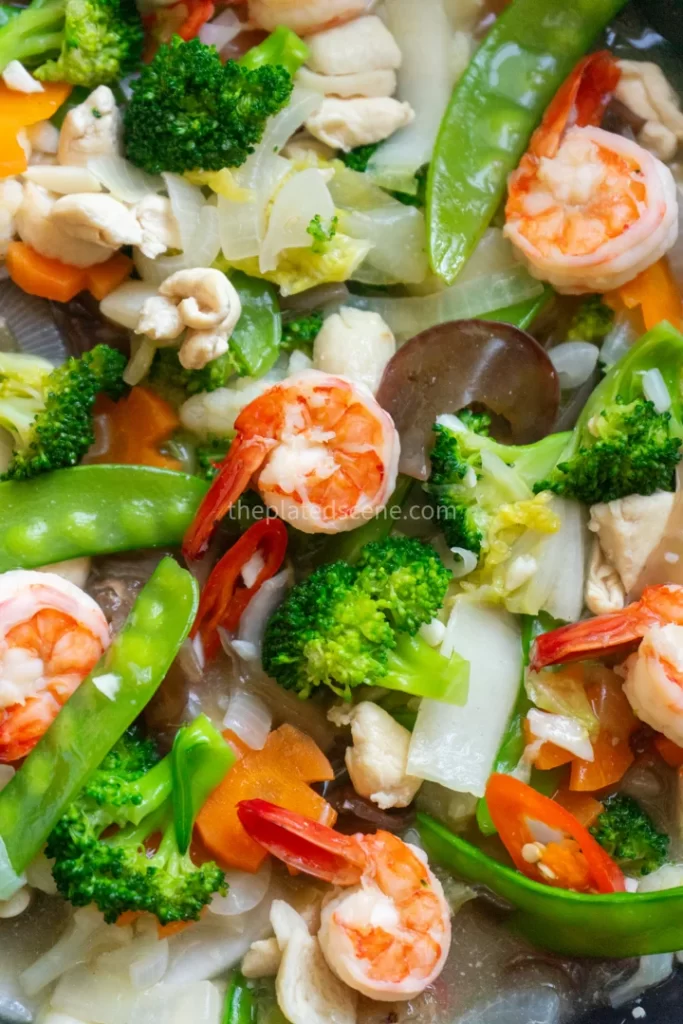
There’s also something very comforting about how customizable the flavor is. If you like a stronger, more robust taste, you can add a spoonful of oyster sauce or garlic. If you want something milder, you can keep the sauce lighter and focus on the natural sweetness of the vegetables.
The best capcay, in my opinion, has a perfect balance of sauce and freshness. The vegetables should still have a slight crunch, and the sauce should cling to each piece without turning the dish soggy. The flavor is homely and familiar, something you can eat over and over again without getting tired of it.
Variations of Capcay
One of the reasons I love capcay so much is its versatility. There’s no single “right” way to make it, and every region, or even every household, has its own version. The most common one is capcay kuah, which means capcay with sauce or gravy. This version has a thickened sauce that lightly coats the vegetables and is perfect with steamed rice. Then there’s capcay goreng, which is the dry version where the vegetables are stir-fried with minimal liquid, resulting in a more concentrated flavor.
You can also play around with the proteins. Some prefer capcay ayam, made with chicken slices for a light and healthy meal. Others enjoy capcay seafood, which includes shrimp, squid, and sometimes fish balls for that extra umami kick. If you’re vegetarian, tofu and tempeh work beautifully too.
In Indonesia’s street food stalls, you might also find mie capcay or bihun capcay, where the stir-fried vegetables are served over noodles. It’s a full, one-pan meal that’s especially popular at night markets or hawker-style eateries.
There’s even a fusion trend lately where capcay is made with a touch of chili or sambal, giving it a spicy Indonesian twist. That version is bold, fiery, and perfect for spice lovers. I sometimes make it when I want a little extra heat, it transforms the whole dish into something new while still keeping the essence of capcay intact.
At its core, capcay is a dish of freedom and creativity. It’s the kind of recipe that doesn’t demand perfection. You can mix and match based on what’s available in your fridge. No cauliflower? Use broccoli. Out of chicken? Add tofu. Want to make it richer? Toss in a few quail eggs or shrimp. Capcay invites improvisation, which is probably why it has stayed so popular across generations.
Things to Watch Out for When Cooking Capcay
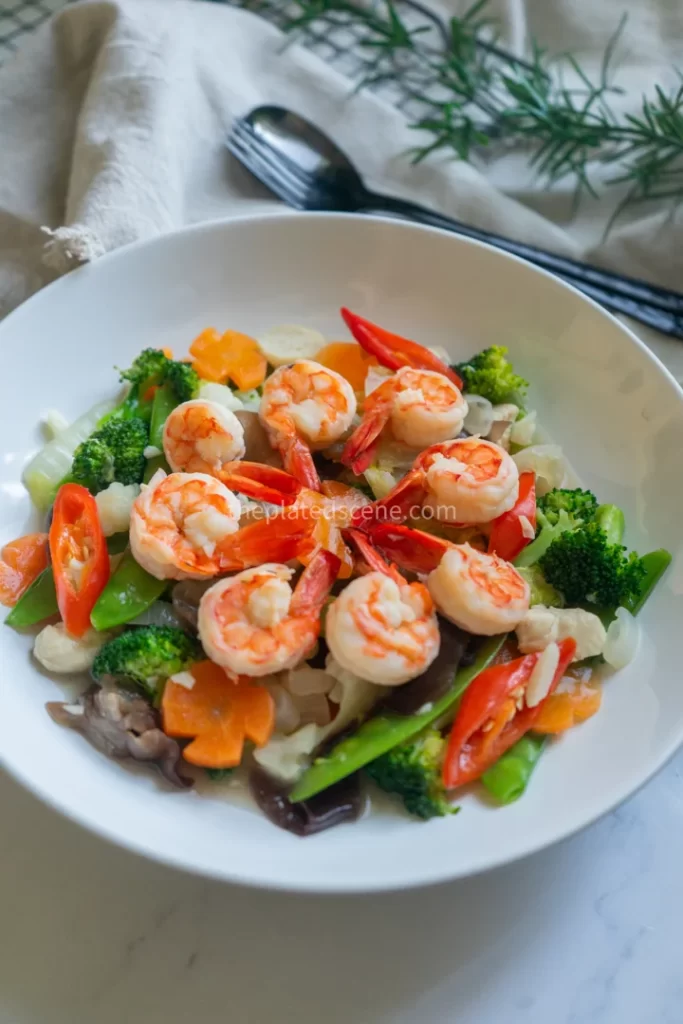
While this dish is easy to make, there are a few tricks to get it just right. The first is not to overcook the vegetables. The charm of capcay lies in the contrast of textures: soft mushrooms, crunchy carrots, and tender cauliflower. Overcooking can make everything soggy and dull. I usually stir-fry the vegetables in stages, starting with the ones that take longer to cook, like carrots and cauliflower, before adding softer ones like cabbage and bok choy.
Another important point is balance. The sauce should enhance the vegetables, not drown them. I prefer making the sauce separately with a mix of oyster sauce, soy sauce, sugar, and a little chicken broth. Once it’s ready, I pour it into the wok just before the vegetables are done and toss everything together quickly. That way, the flavor seeps in without making the dish watery.
You should also pay attention to the heat. Capcay tastes best when cooked over high heat, so the vegetables stay crisp and vibrant. A hot wok is key. If your pan isn’t hot enough, the vegetables will steam instead of stir-fry, and you’ll lose that signature texture.
Finally, don’t skip the garlic. The aroma of freshly chopped garlic sizzling in oil is what gives capcay its signature base flavor. Some people like adding a pinch of white pepper or sesame oil at the end to elevate the taste even more.
If you’re new to cooking this dish, my advice is simple: keep it fresh, colorful, and balanced. Use a mix of vegetables with different textures, don’t overcook them, and adjust the seasoning to your taste. The result will be a dish that feels both nourishing and comforting, something that makes you feel good about what you’re eating.
How the Best Way to Enjoy Capcay (Pairing Suggestion)
Capcay is wonderfully versatile, which makes it perfect to mix and match with other dishes. Its light, savory sauce and crisp vegetables make it a natural companion to heartier mains and fried favorites. Whether you’re planning a weeknight dinner or a full Indonesian meal, here are some of the best The Plated Scene pairings to enjoy with your plate of capcay:
1. Nasi Goreng Kampung (Indonesian Fried Rice)
For the ultimate comfort meal, pair your capcay with nasi goreng kampung. The smoky, slightly spicy fried rice brings depth and warmth, while the stir-fried vegetables add freshness and crunch. Together, they make the perfect balance of hearty and healthy—a classic Indonesian duo that never fails.
2. Ayam Goreng Lengkuas (Indonesian Fried Chicken with Galangal)
Crispy, aromatic ayam goreng lengkuas is another great companion. The crunchy golden crust and fragrant galangal crumbs offer a satisfying contrast to the light stir-fry. Serve them with steamed rice, and you have a meal that’s both indulgent and balanced, with layers of flavor in every bite.
3. Udang Mayonaise (Crispy Shrimp with Mayonnaise Sauce)
If you want something a little richer, pair it with udang mayonaise. The creamy, sweet-savory shrimp dish brings a luxurious touch that complements the freshness of the vegetables. The contrast between the glossy sauce of the capcay and the crisp shrimp creates an irresistible combination that feels both restaurant-worthy and comforting.
Ingredients for Capcay (Indonesian Stir-Fried Vegetables)
Capcay is all about balance—crunchy vegetables, tender proteins, and a flavorful sauce that ties everything together. You can easily adjust the ingredients based on what you have in your fridge, which makes this dish one of the most flexible and forgiving Indonesian stir-fries to cook. Here’s what you’ll typically need to make a delicious plate of capcay.
Vegetables
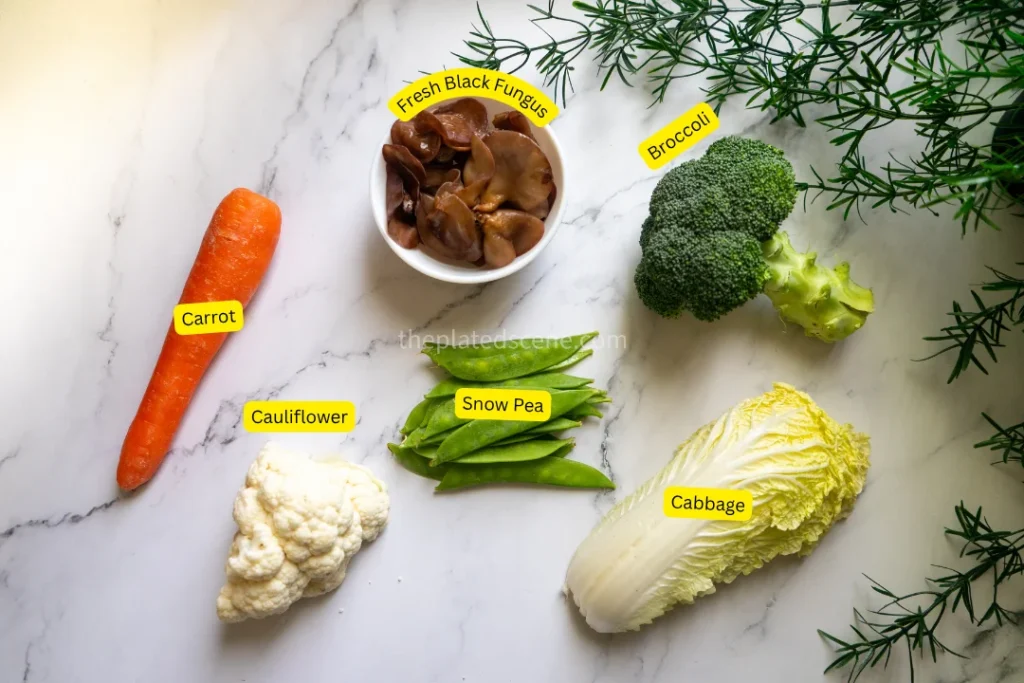
A colorful mix of vegetables is the heart of any good capcay. The combination of different textures—crunchy, tender, and soft—creates the signature mouthfeel of the dish.
- Cauliflower – Adds substance and soaks up the sauce beautifully. You can replace it with extra broccoli if preferred.
- Broccoli – Brings a slight bitterness and bright green color that contrasts nicely with other vegetables.
- Snow peas – Provide a crisp, fresh crunch. If unavailable, substitute with sugar snap peas or green beans.
- Carrot – Adds sweetness and color to the capcay. Slice thinly so it cooks evenly.
- White cabbage – Softens quickly and gives volume to the stir-fry. You can also use napa cabbage for a milder flavor.
- Black fungus (wood ear mushroom) – Offers a chewy texture that complements the crunchy vegetables. Soak dried black fungus in warm water until soft before using. Shiitake mushrooms or button mushrooms can also be used as a substitute.
When preparing the vegetables, try to cut them into similar sizes so they cook evenly. A good capcay should have vegetables that are tender yet still retain their natural crispness.
Protein
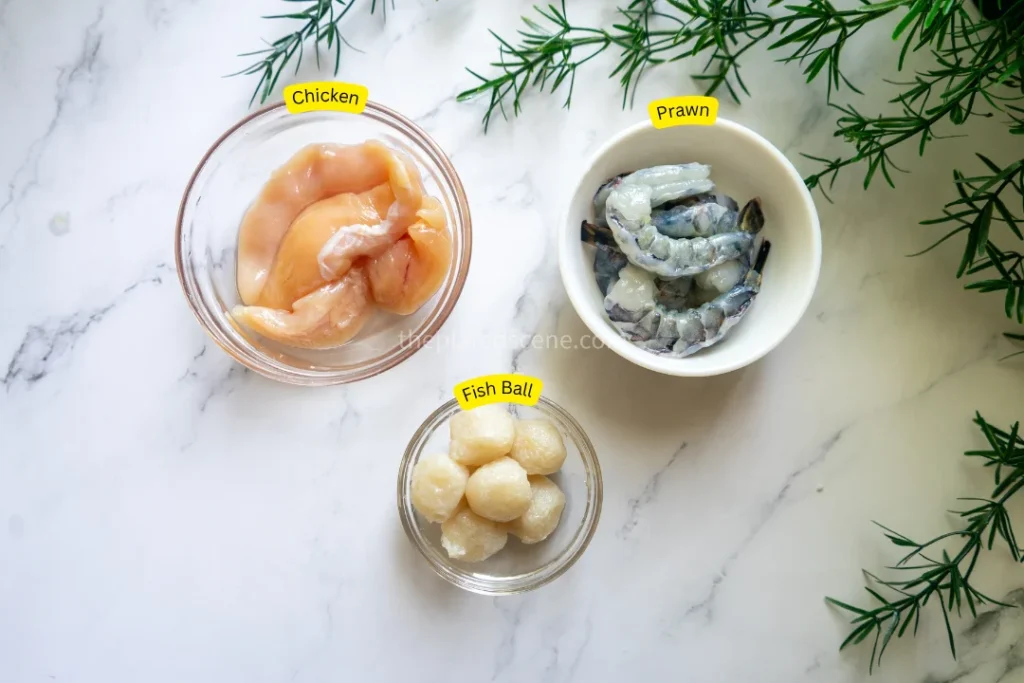
Capcay usually includes a mix of proteins to add variety and flavor. This combination is what makes the dish hearty enough to serve as a main course.
- Chicken – Commonly used in Indonesian-style capcay, chicken adds a comforting and familiar flavor. You can use either breast or thigh meat, sliced thinly. For a leaner option, try replacing it with tofu.
- Prawn (shrimp) – Adds a subtle sweetness and umami flavor that enhances the overall taste of the dish. You can substitute with squid if you prefer seafood variety.
- Fish balls – Bring a bouncy texture and a savory element typical in Asian stir-fries. If not available, you can use tofu puffs or sliced fish cake.
The beauty of capcay is its flexibility. You can keep it vegetarian by skipping the meat and seafood entirely, or add more protein if you want a fuller meal.
Seasoning and Aromatics
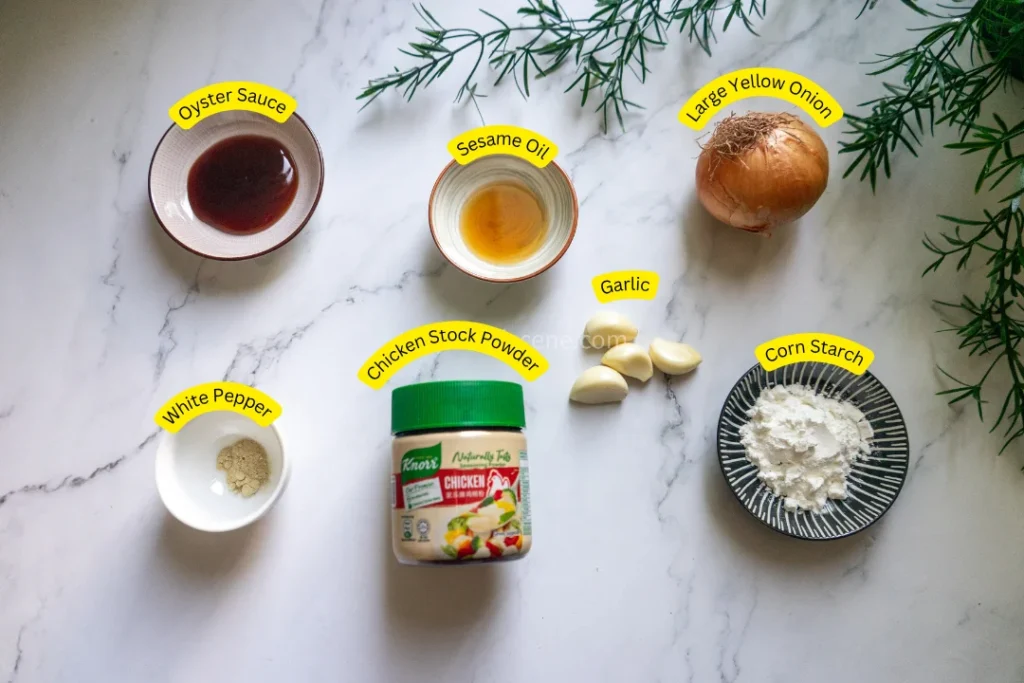
This is where the magic happens. The sauce in this dish is savory, aromatic, and slightly thick, coating each piece of vegetable perfectly.
- Garlic – The foundation of capcay’s aroma. Freshly minced garlic gives the dish its unmistakable flavor.
- Yellow onion – Adds natural sweetness and depth to the stir-fry. Red onion can also work if that’s what you have.
- Water – Forms the base of the sauce. You can use chicken broth instead for extra richness.
- Oyster sauce – The key ingredient that gives capcay its savory umami note. For a vegetarian version, replace with mushroom sauce.
- Chicken stock powder – Enhances the flavor and adds a subtle saltiness. Adjust based on the saltiness of your oyster sauce.
- Sesame oil – Adds a nutty aroma that brings the dish together. A little goes a long way.
- White pepper – Gives a mild, earthy heat that pairs perfectly with the light sauce.
- Cornstarch (diluted in water) – Used to thicken the sauce so it clings to the vegetables. If you prefer a lighter texture, you can reduce the amount or skip it entirely.
The key to a good capcay sauce is balance. It should be savory with a hint of sweetness, light yet flavorful, and just thick enough to coat the vegetables without turning soupy. Adjust the seasoning as you go and taste often—you’ll know when it’s just right.
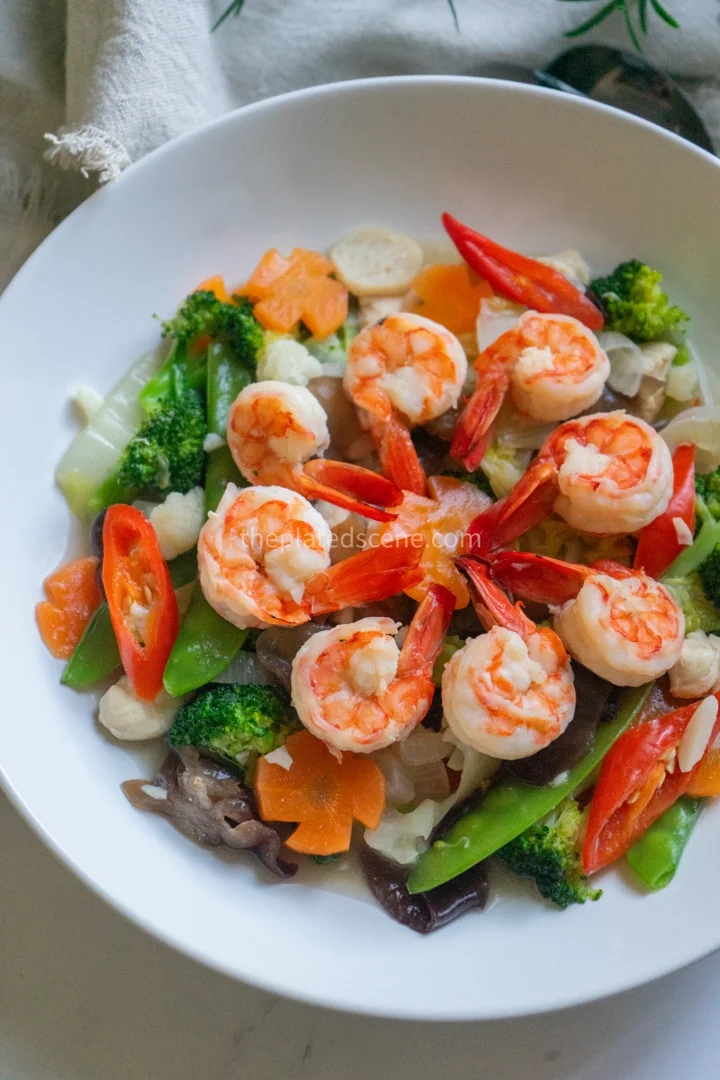
Capcay (Indonesian Stir-Fried Vegetables)
6
servings15
minutes20
minutes35
minutesA comforting Indonesian-Chinese stir-fry made with colorful vegetables, tender chicken, prawns, and fish balls tossed in a light, savory sauce. This capcay recipe is quick to cook, full of texture, and perfect for a wholesome weeknight meal.
Keep the screen of your device on
Ingredients
- Vegetables
3.5 oz 100 g cauliflower, cut into small florets
3.5 oz 100 g broccoli, cut into small florets
1.75 oz 100 g snow peas, trimmed
1.75 oz 50 g carrot, sliced diagonally (about 0.2 inch thick)
1.75 oz 50 g white cabbage, chopped into wide strips
3.5 oz 100 fresh black fungus, sliced (if using dried black fungus, soak about ½ cup in warm water for 10–15 minutes until soft, then slice)
- Protein
5.3 oz 150 g chicken, thinly sliced
8 medium 8 medium prawns, peeled and deveined
8 8 fish balls, halved or sliced
- Seasoning and Aromatics
4 cloves 4 cloves garlic, lightly crushed and chopped
0.5 large 0.5 yellow onion, sliced
1.7 cups 400 ml cups water (or chicken broth for a richer flavor)
1 tablespoon 1 tbsp oyster sauce
1.5 teaspoons 1 1/2 tsp chicken stock powder
0.5 teaspoons 1/2 tsp sesame oil
0.5 teaspoons 1/2 tsp white pepper
1 tablespoons 1 cornstarch, diluted in 3 tablespoons water (for thickening)
- Optional Substitutions
Replace oyster sauce with mushroom sauce for a vegetarian version
Substitute chicken stock powder with vegetable broth or salt to taste
Use tofu or tempeh instead of chicken for a plant-based option
Directions
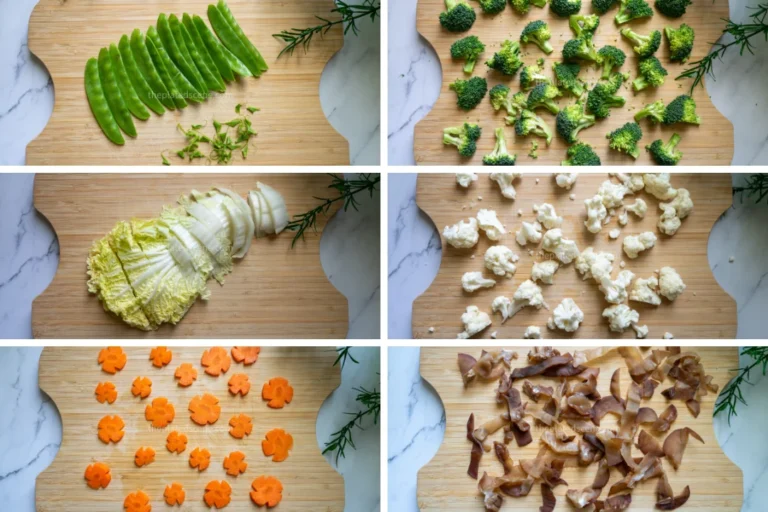
- Cut all of the vegetables
Start by preparing your vegetables. Cut the cauliflower and broccoli into small florets of similar size so they cook evenly. Slice the carrot diagonally into thin pieces about 0.2 inch (0.5 cm) thick to keep them tender yet slightly crisp. Chop the white cabbage into wide strips, and trim the ends of the snow peas.
For the black fungus, I use fresh ones—they’re ready to cook and have a slightly crunchy texture that holds up beautifully in stir-fries. However, if you’re using dried black fungus, soak them in warm water for 10–15 minutes until they expand and soften, then rinse well and slice into bite-sized pieces. Dried black fungus expands significantly, so a small handful will go a long way.
Try to keep the size of all vegetables fairly consistent. Even cooking ensures that your capcay has the perfect mix of softness and crunch in every bite.
- Prepare the aromatics
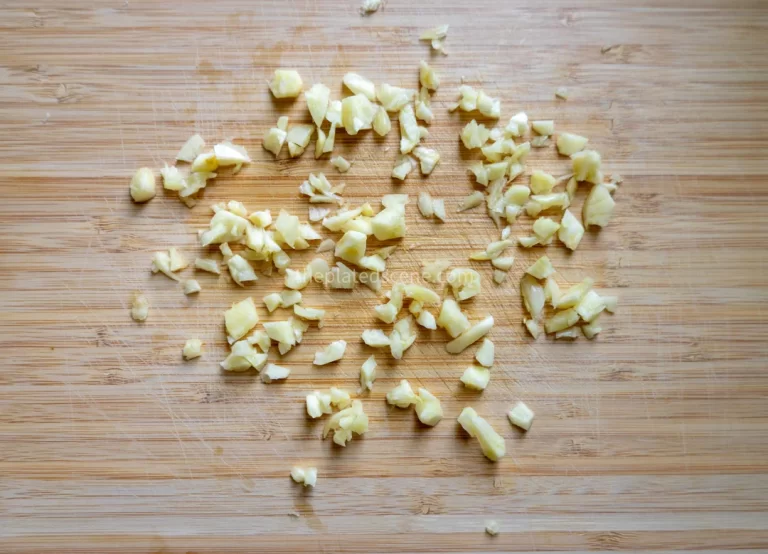
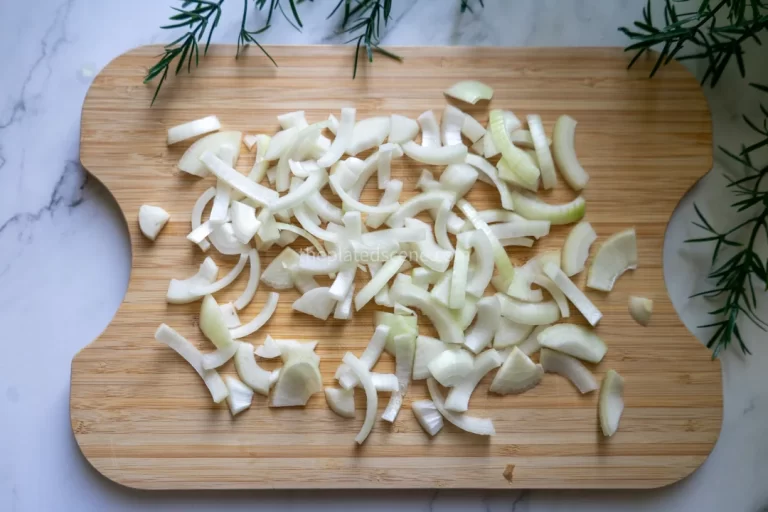
Lightly crush (geprek) the garlic cloves to release their aroma, then chop them into small pieces. Slice the big yellow onion into thin half-rings. This combination forms the aromatic base of your capcay—garlic adds a deep savoriness, while onion brings gentle sweetness that balances the sauce.
- Sauté the garlic and onion
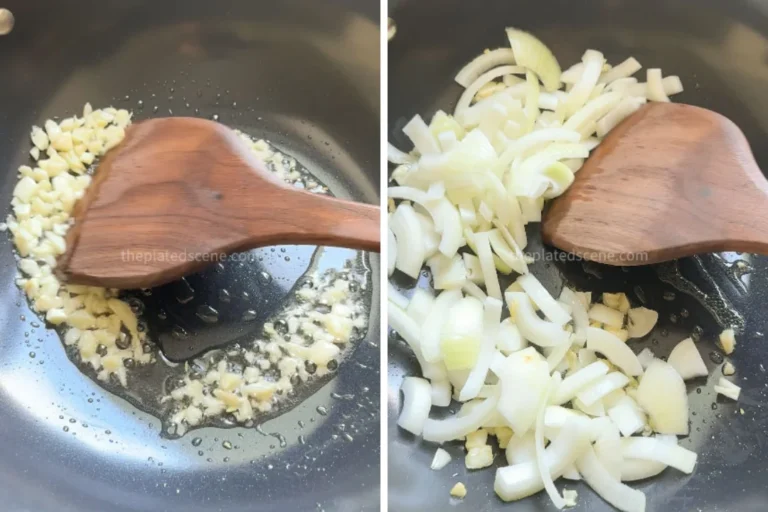
Heat about one tablespoon of oil in a wok or large skillet over medium heat. Add the chopped garlic and stir for about 15 to 20 seconds until fragrant and lightly golden. Avoid letting it brown too much.
Add the sliced onion and continue sautéing until it turns soft and translucent. This step builds the flavor base of the dish, and your kitchen will already smell wonderful by the time it’s done. - Add the proteins
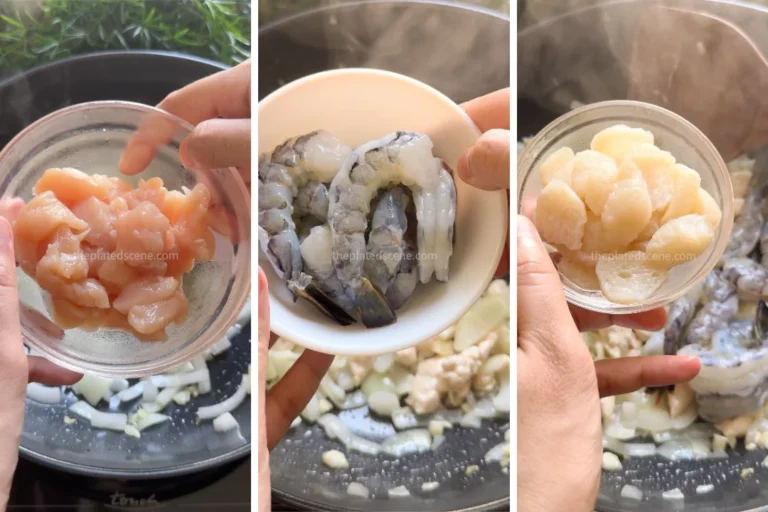
Add the sliced chicken first and stir-fry until it turns opaque and is almost cooked through, about 2 to 3 minutes. Then add the prawns and fish balls. Stir to combine and cook until the prawns turn pink and the fish balls start to soften.
The order matters here because chicken takes longer to cook, while seafood cooks quickly. This way, everything stays tender and juicy. - Create the sauce base
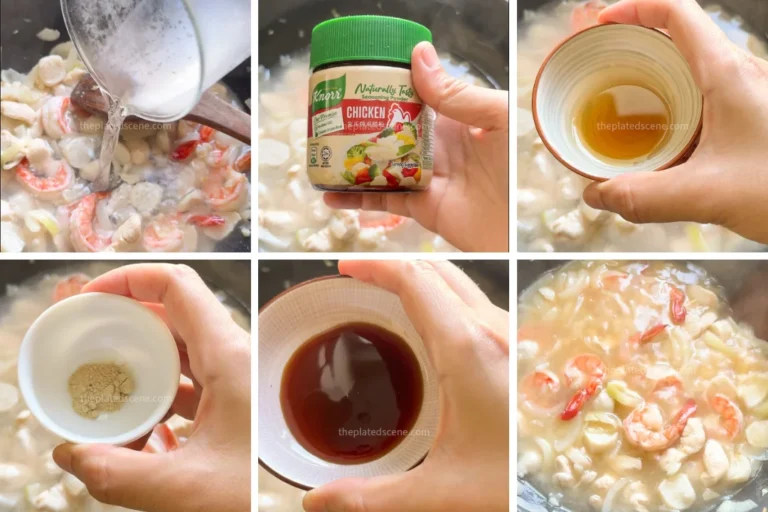
Pour in about 400 ml of water and gently scrape the bottom of the pan to release any bits from the proteins that add extra flavor. Add the oyster sauce, chicken stock powder, sesame oil, and white pepper. Stir until everything is well combined and let it simmer gently until the surface of the sauce starts to shimmer.
This simmering step helps the flavors come together while keeping the sauce light and balanced. If you want a vegetarian version, replace the chicken stock with vegetable broth and use mushroom sauce instead of oyster sauce. - Add the hard vegetables first
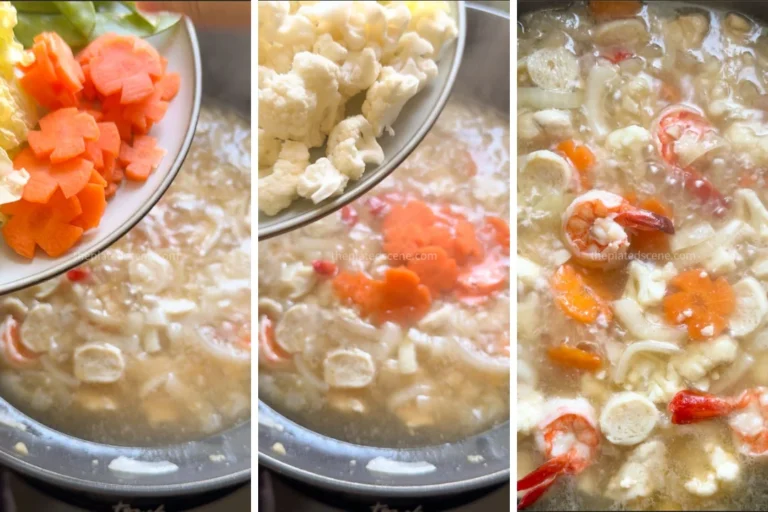
Add the carrot and cauliflower to the simmering sauce. Stir well and cover the wok for about 2 to 3 minutes, just until they start to become tender but still have a firm center.
This step allows the vegetables to absorb the flavor of the broth while maintaining their structure. Cooking them first ensures they soften properly before the other vegetables go in. - Add the rest of the vegetables
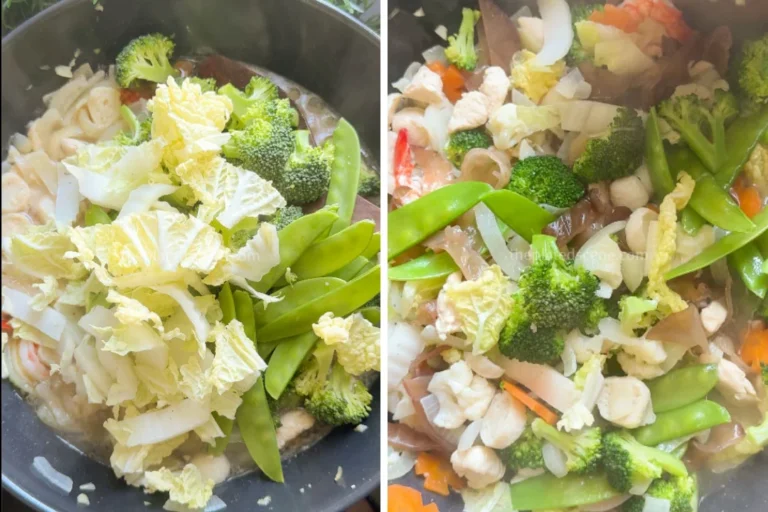
Add the broccoli, white cabbage, snow peas, and fresh black fungus. Stir everything together so the sauce coats all the ingredients evenly. Continue cooking for about 3 to 4 minutes, just until the vegetables are tender but still bright in color.
If you’re using rehydrated dried black fungus, add them together with the other vegetables. They’re already soft but will absorb the sauce nicely after a few minutes in the wok.
Taste the sauce and adjust the seasoning if needed. Add a little more oyster sauce for a deeper flavor or a pinch of salt if you prefer it saltier.
Avoid overcooking the vegetables, as capcay should stay light and crisp rather than soft and mushy. When the broccoli is bright green and the cabbage has softened, you’re ready for the final step. - Thicken the gravy
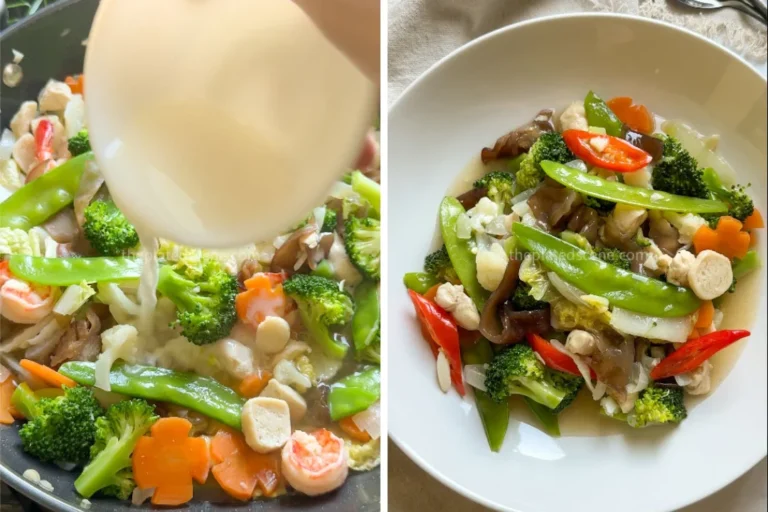
Mix cornstarch with water in a small bowl to make a slurry. Slowly pour it into the wok while stirring. The sauce will start to thicken and turn glossy almost immediately. The ideal consistency is one that lightly coats all the vegetables and proteins without feeling heavy.
If you like a lighter sauce, add the slurry gradually and stop once the texture looks right. Taste again and adjust with a touch more white pepper or a drizzle of sesame oil if you like stronger aroma.
Notes
- Serving suggestion
Serve your capcay hot with a bowl of freshly steamed white rice. The sauce should glisten, and the vegetables should stay colorful and vibrant. Each bite should have a mix of chicken, prawn, snow peas, and black fungus for the perfect balance of textures. If you want to make a full Indonesian meal, serve it alongside nasi goreng kampung, ayam goreng lengkuas, or udang mayonnaise. The combination of savory, crisp, and creamy dishes creates a beautifully complete dining experience.
Capcay tastes best fresh from the wok but can be stored in an airtight container in the refrigerator for up to two days. Reheat gently over low heat, adding a small splash of water to loosen the sauce before serving again.

)
2 comments
[…] Goreng and Capcay: Adds gentle heat and aroma to stir-fried rice and […]
[…] of steamed jasmine rice. The sauce deserves to be soaked up. For a fuller meal, serve it alongside capcay (Indonesian stir-fried vegetables) or nasi goreng […]
Comments are closed.