

Salted egg chicken has been one of those dishes that instantly captured my attention from the very first bite. I still remember the day clearly, it was during one of my regular food-hunting weekends in Singapore. As an Indonesian living here, I often get recommendations from friends about stalls that are popular with Indonesians, especially those serving food that hits close to home while still offering a unique Singaporean twist. One of these stalls was a small eatery tucked away in a busy hawker center, and it had a reputation among Indonesian students and families for serving the most addictive salted egg chicken.
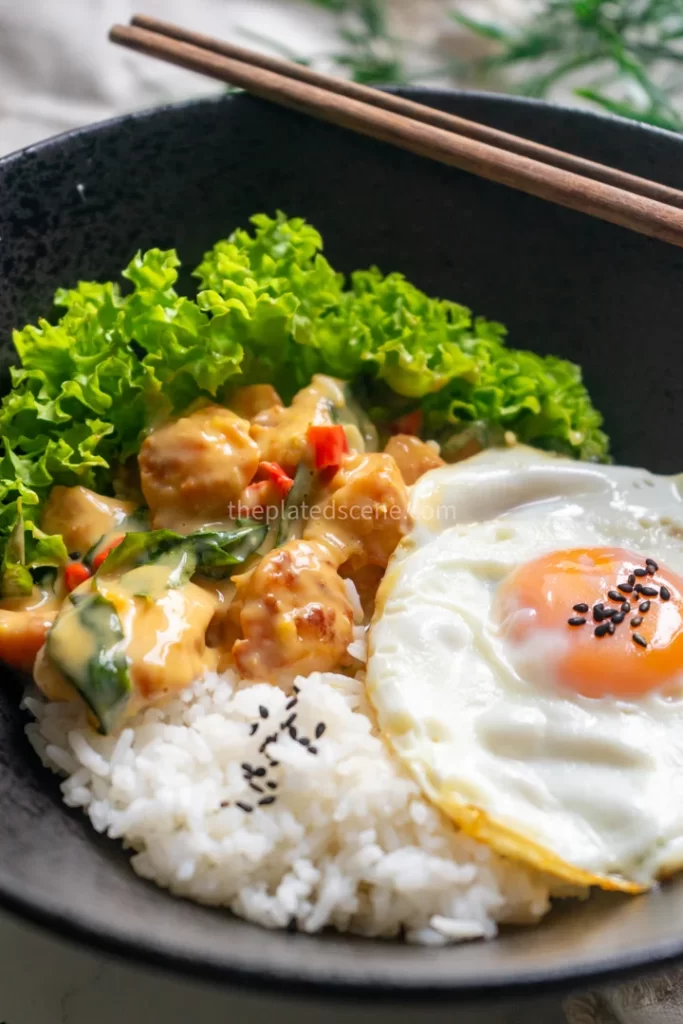
The first time I tasted it, I was hooked. The chicken was crispy yet juicy, the batter clung perfectly to the meat, and the sauce, oh, the sauce, was unforgettable. Creamy, sweet, savory, and bursting with that signature salted egg flavor that coats your tongue and lingers after every bite. It wasn’t just food; it was comfort, indulgence, and a perfect representation of how a humble ingredient like salted egg could transform into something so luxurious.
Unfortunately, the stall was located quite far from where I stay, and making the trip every time I craved salted egg chicken was simply impractical. That’s when I decided to take matters into my own hands. I rolled up my sleeves and began experimenting in my own kitchen. The challenge was not only to replicate that flavor but to refine it in a way that suited my taste and convenience. I went through multiple rounds of testing, different batters for the chicken, variations of the sauce base, and several trials with different forms of milk and salted eggs.
At first, I experimented with raw salted eggs versus cooked ones. Raw ones gave a strong eggy flavor, but the sauce was harder to manage. Cooked salted eggs, on the other hand, provided a creamier and more stable base for the sauce. Then came the milk trials. I tested oat milk, regular fresh milk, and evaporated milk. I even tried combinations of them. The result? The perfect sauce came from using evaporated milk, with just a hint of condensed milk for sweetness and balance. Not only did it give the sauce a velvety texture, but it also enhanced the salted egg flavor without overpowering it.
To be honest, part of the reason I chose cooked salted eggs was pure laziness, it saves time, avoids the risk of an overpowering raw taste, and results in a smoother sauce. After all, cooking should be enjoyable and sustainable, not unnecessarily complicated. And so, after multiple experiments, my version of salted egg chicken was born, creamy, golden, and as close as possible to the dish that first inspired me at that famous stall.
Table of Contents
History of Salted Egg Chicken
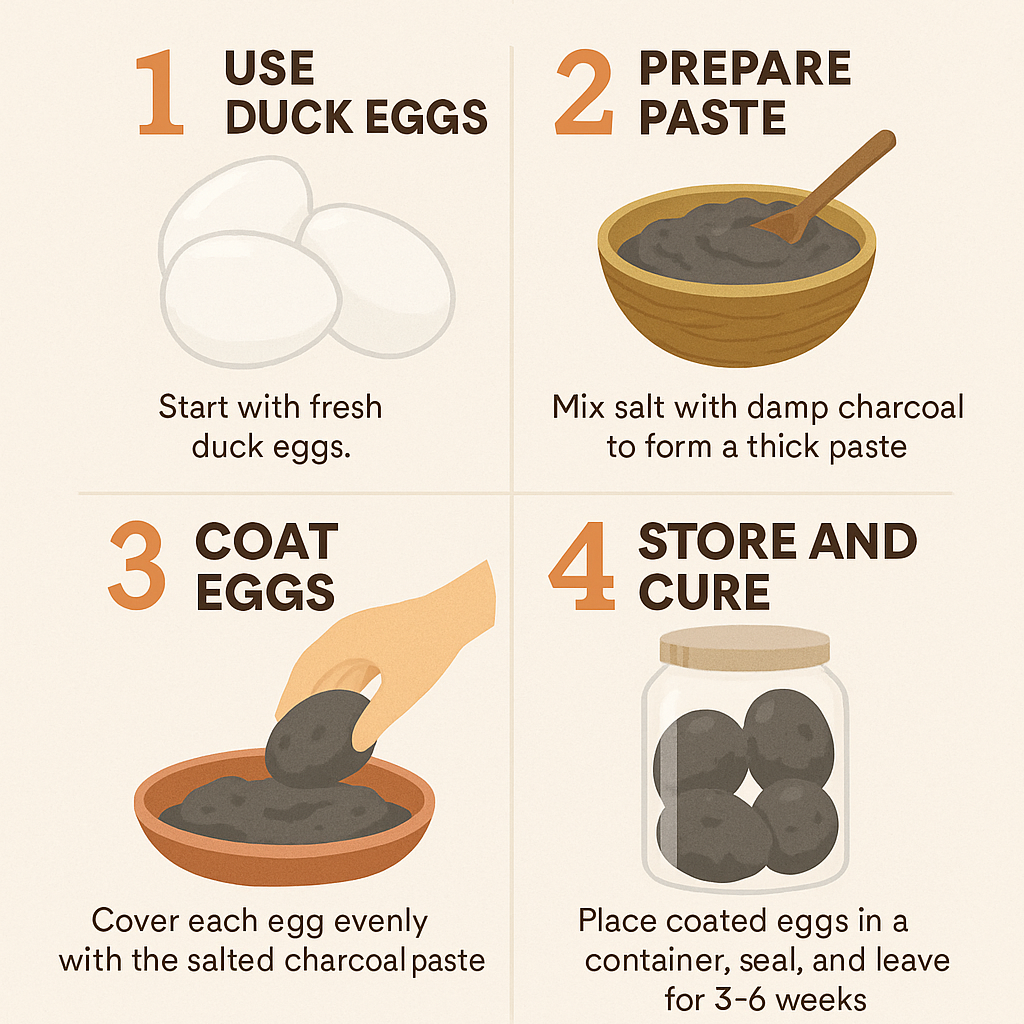
Before diving deeper into the recipe itself, it’s fascinating to understand where salted egg chicken actually comes from. Salted eggs themselves have a long history in Chinese cuisine. Traditionally, salted duck eggs were preserved by soaking them in brine or packing them in damp salted charcoal. This preservation method not only gave the eggs a much longer shelf life but also transformed their taste into something completely unique. The yolks became bright orange and rich, with a grainy yet buttery texture, and a flavor that was intensely savory and slightly briny.
Salted eggs were historically used as condiments or as part of traditional dishes such as mooncakes, congee toppings, or stir-fries. However, it was only in the last few decades that salted egg yolks evolved from being a supporting ingredient into the star of modern Asian fusion dishes. Singapore, Malaysia, and Hong Kong have all played significant roles in elevating salted egg yolk into a trendy and versatile culinary trend.
Salted egg chicken, in particular, is believed to have been popularized in Singapore and Malaysia, where chefs began experimenting with using mashed salted egg yolks to create creamy sauces. The sauce was then paired with fried foods: prawns, chicken, squid, and even potato chips. This new approach turned salted egg from something traditional into something modern and indulgent. Today, salted egg chicken is not just a dish you find at hawker stalls but also a staple in many cafes, restaurants, and even instant snack products across Asia.
How Salted Egg Chicken Tastes Like
If you have never tried salted egg chicken before, describing its flavor is both exciting and challenging. The chicken itself is typically fried until golden and crispy, which already sets the stage for something satisfying. But it’s the sauce that truly makes the dish unforgettable.
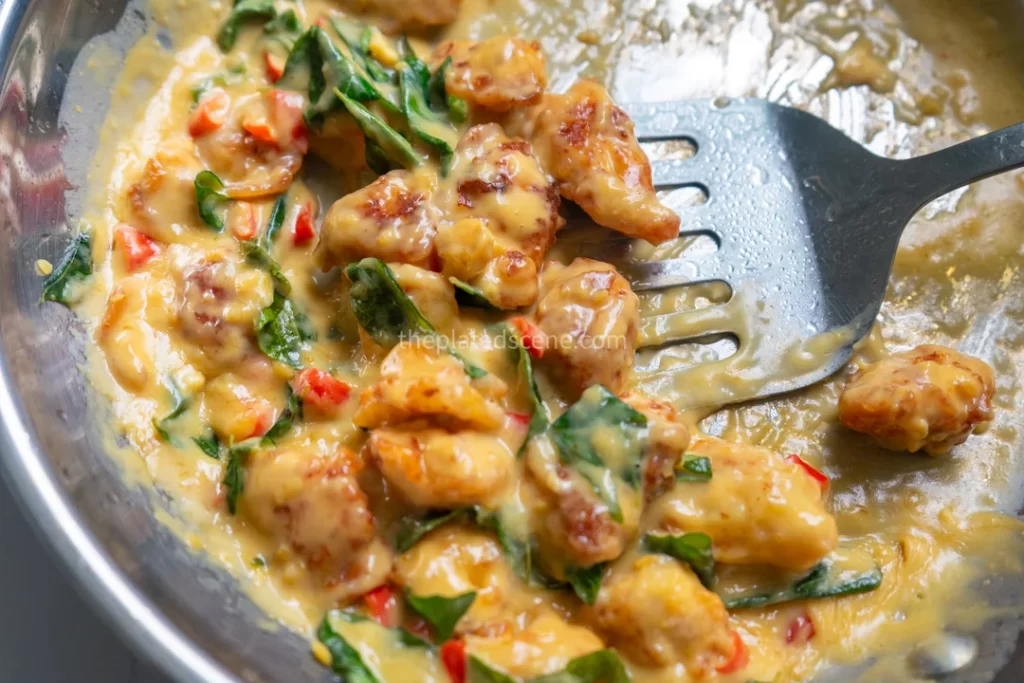
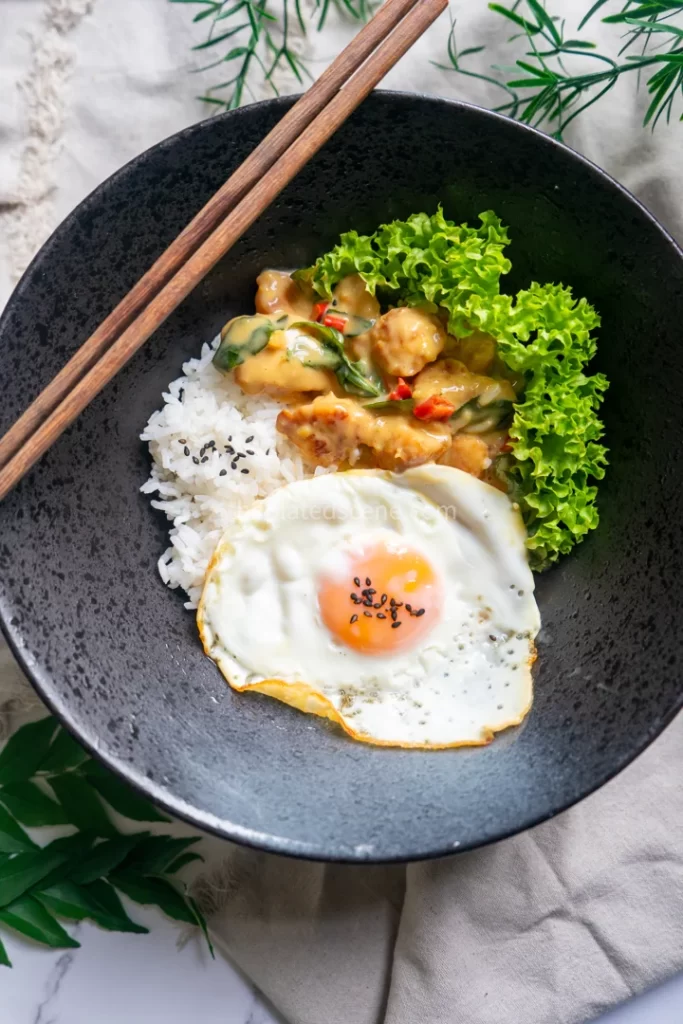
The taste of salted egg chicken can be described as a blend of creamy, savory, slightly sweet, and umami-rich. The salted egg yolks bring a unique depth of flavor: rich and buttery with a slight graininess that clings to the chicken. The evaporated milk adds creaminess without being heavy, while the addition of sugar or condensed milk balances the saltiness. Curry leaves, often added to the sauce, introduce a subtle aroma that lifts the dish, and a bit of chili can provide a gentle kick of heat.
When you take a bite, you get the crunch of the batter, the tenderness of the chicken, and then the creamy coating of the salted egg sauce. The result is addictive, one bite is never enough, and you’ll find yourself reaching for piece after piece until the plate is empty.
The Best Milk to Use
One of the secrets to making salted egg chicken taste restaurant-quality lies in the choice of milk. Through my experiments, I discovered that a mixture of evaporated milk and condensed milk works best.
Evaporated milk provides creaminess and a slightly caramelized depth without watering down the sauce. It thickens beautifully when combined with mashed salted egg yolks. Condensed milk, on the other hand, balances out the saltiness with just a touch of sweetness. You don’t need much, just enough to enhance the flavor without making the dish taste like dessert.
I tried using oat milk, but it lacked the richness needed for salted egg chicken. Regular milk worked but was too light, and the sauce became too runny. Evaporated milk strikes the perfect balance, and when paired with condensed milk, it delivers the creaminess and sweetness that makes the sauce irresistible.
What to Do If You Are Using Raw Salted Egg
While I prefer using cooked salted eggs for convenience, you can also work with raw salted eggs if that’s what you have available. The process requires a bit more attention but can still yield delicious results.
If you are using raw salted eggs, steam or boil the eggs first, then separate the yolks from the whites. Mash the yolks into a paste before adding them to the pan with butter. This step ensures that the yolks integrate smoothly into the sauce. Skipping this process can leave the sauce grainy or uneven.
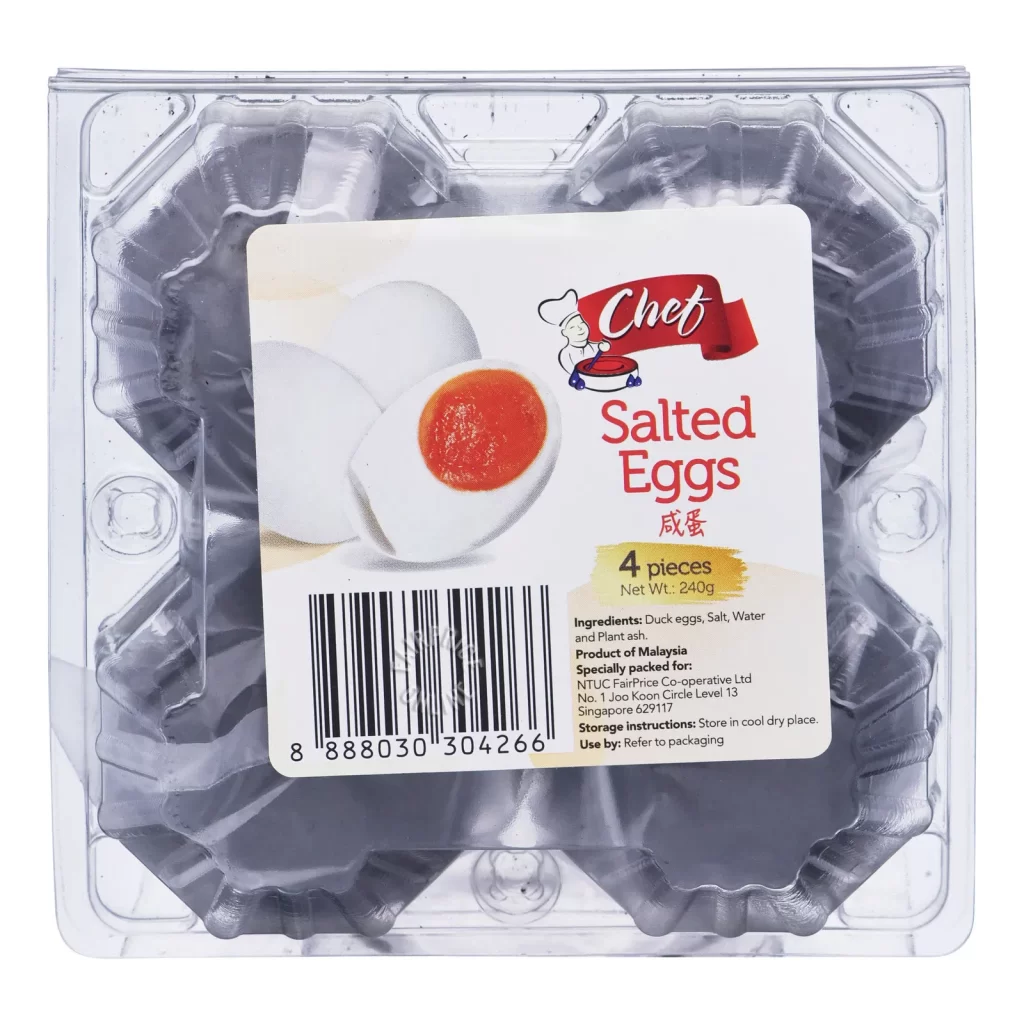
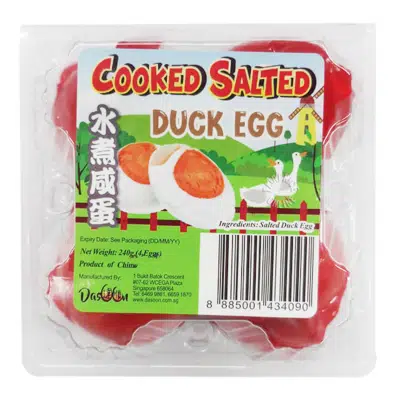
Another tip is to cook the yolks gently with butter before adding milk. This helps release the oils from the yolks, intensifying the flavor and creating a richer base for the sauce. While it takes a bit more time, the outcome can be worth it if you enjoy a stronger salted egg flavor.
Variations of the Food
Salted egg chicken is versatile, and once you master the sauce, you can use it in countless variations. Here are a few ideas:
- Salted Egg Prawns: One of the most popular alternatives. The creamy sauce clings perfectly to prawns, giving them a luxurious twist.
- Salted Egg Squid: Crispy fried squid rings tossed in salted egg sauce are a hit at seafood restaurants.
- Salted Egg Fish Skin: This snack has taken Asia by storm. Crispy fish skin coated in salted egg yolk sauce is addictive and sold in many packaged forms.
- Salted Egg Tofu: For a vegetarian option, deep-fried tofu cubes coated in salted egg sauce are both comforting and flavorful.
- Salted Egg Potato Chips: Thin, crispy chips coated in salted egg yolk seasoning have become a trend, proving just how versatile salted egg flavor can be.
By experimenting with different proteins or bases, you can enjoy salted egg sauce in many exciting ways, but salted egg chicken remains my personal favorite.
Things to Watch Out For
While salted egg chicken is relatively straightforward to cook, there are a few things to watch out for to ensure the best results:
- Balancing the flavor: Salted egg yolks are naturally salty, so be careful with the additional salt in your recipe. Taste as you go and adjust with sugar or condensed milk to balance.
- Managing the sauce consistency: The sauce should coat the chicken without being too watery or too thick. If it’s too runny, simmer a little longer; if it’s too thick, add a splash of evaporated milk.
- Cooking the yolks properly: Whether using raw or cooked salted eggs, make sure the yolks are mashed and incorporated evenly into the sauce to avoid clumps.
- Serving immediately: Salted egg chicken tastes best when served fresh. The sauce can cause the chicken to lose its crispiness if left too long, so toss the chicken in the sauce just before serving.
- Using the right oil temperature: When frying the chicken, ensure the oil is hot enough so the batter crisps up without absorbing too much oil.
Ingredients for Salted Egg Chicken
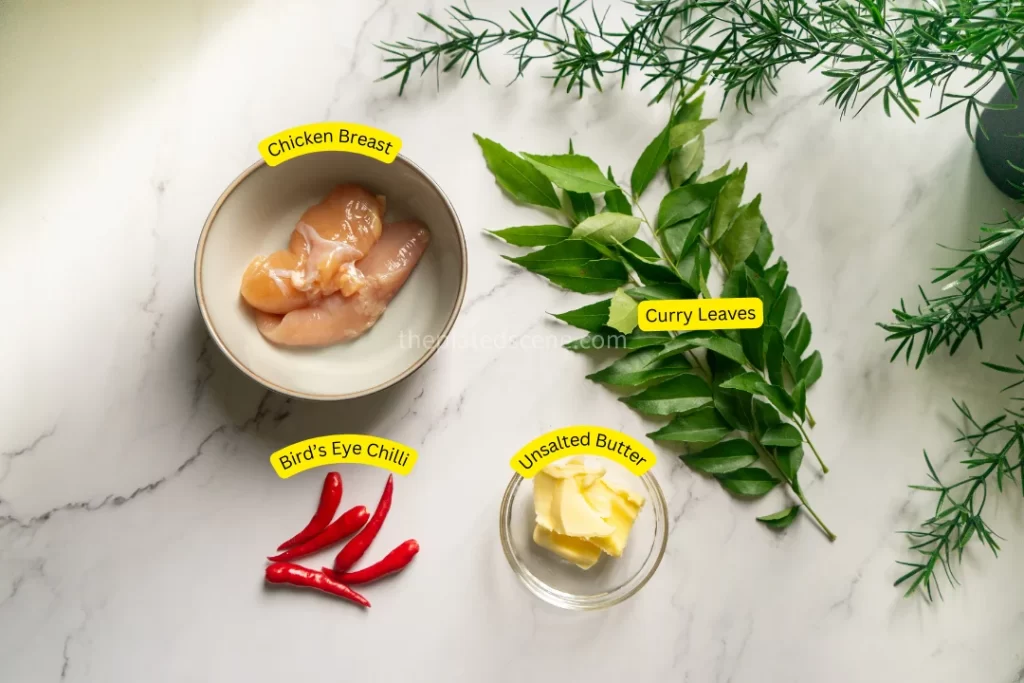
To recreate this rich and creamy salted egg chicken at home, you’ll need a few key ingredients for the chicken, the batter, and the salted egg sauce. Each plays an important role in achieving that signature flavor and texture.
Chicken
- Chicken: Use boneless chicken thigh or breast, cut into bite-sized pieces. Thigh meat is juicier and stays tender after frying, while breast gives a leaner bite.
Aromatics
- Butter: Provides richness and helps carry the salted egg flavor. Unsalted butter is recommended so you can control the saltiness, but salted butter works if that’s what you have.
- Curry leaves: These fragrant leaves are essential for giving salted egg chicken its iconic aroma. If you can’t find fresh curry leaves, dried ones are a good alternative, though they are milder. Some people substitute with Thai basil, but the flavor will be slightly different.
- Chili (optional): Adds a subtle heat to balance the creamy sauce. Bird’s eye chili works best, but you can use red chili for a gentler spice level or skip it entirely for a milder version.
Chicken Batter
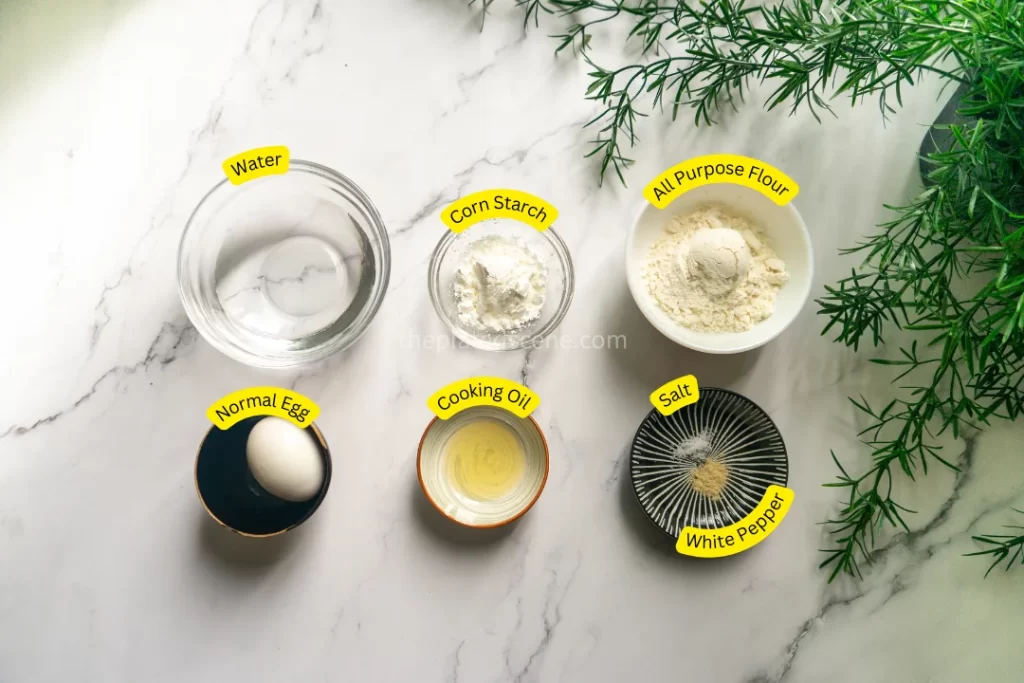
- Corn starch: Contributes crispiness to the fried chicken. Potato starch can be used as a substitute.
- All-purpose flour: Provides structure for the batter. Rice flour can replace part of it for an even crispier texture.
- Cooking oil: A small amount added to the batter helps it cling better to the chicken pieces.
- Egg: Only a small portion of beaten egg is used in the batter to bind the mixture.
- Water: Helps thin out the batter to coat the chicken evenly.
- Salt and white pepper: Simple seasonings to lightly flavor the chicken before the sauce takes over. Black pepper can be substituted for white pepper, but it will give a sharper taste.
Salted Egg Sauce
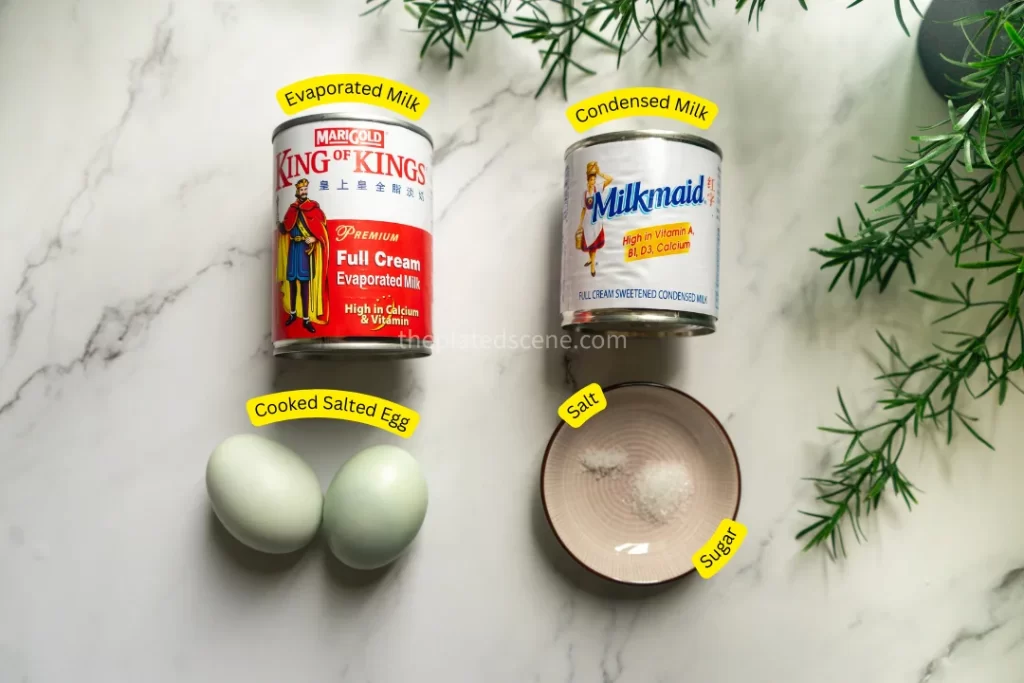
- Salted egg yolks: The star of the dish. Cooked yolks (steamed or boiled) give the sauce a creamy and grainy texture. If raw salted eggs are all you have, cook and mash the yolks before using. Duck eggs are the traditional choice, but chicken salted eggs can also work.
- Evaporated milk: Adds creaminess without watering down the sauce. If you don’t have evaporated milk, substitute with full cream milk, but reduce the amount slightly so the sauce isn’t too thin.
- Condensed milk: Just a touch provides sweetness to balance the salty flavor. You can swap with sugar if condensed milk isn’t available.
- Sugar: Enhances balance in the sauce.
- Salt: Used sparingly since the salted eggs already bring plenty of salinity. Adjust carefully to taste.
Nutritional Value (per serving) – Salted Egg Chicken
- Calories: ~420–480 kcal
- Protein: ~21 g
- Carbohydrates: ~26 g
- Sugars: ~4 g
- Fat: ~28 g
- Saturated Fat: ~11 g
- Cholesterol: ~285 mg
- Sodium: ~830 mg
- Fiber: ~1 g
Notes on Nutrition
- Protein comes mainly from the chicken and egg. Using chicken breast increases protein and lowers fat slightly, while chicken thigh makes it more tender but higher in fat.
- Fat is largely from frying oil, salted egg yolks, and butter. Using an air fryer with a light oil spray can reduce the fat significantly.
- Sodium is naturally high because of salted egg yolks. Reducing added salt and using unsalted butter can help balance it.
- Carbs mostly come from the flour and starch in the batter, as well as the small amount of condensed milk.
Storing Instructions for Salted Egg Chicken
Salted egg chicken tastes best when freshly cooked, but you can still store it for later if needed. The key is to separate the chicken from the sauce when possible to maintain texture.
- If storing cooked salted egg chicken (sauce already mixed in):
- Let it cool to room temperature before storing.
- Transfer to an airtight container and refrigerate for up to 2 days.
- Reheat gently in a pan over low heat. Add a splash of milk to loosen the sauce if it becomes too thick. Note that the chicken may lose its crispiness after refrigeration.
- If storing fried chicken separately (without sauce):
- Cool completely and place in an airtight container.
- Refrigerate for up to 3 days or freeze for up to 1 month.
- Re-crisp in the oven or air fryer at 180°C (350°F) for a few minutes before tossing with freshly made salted egg sauce.
- If storing salted egg sauce alone:
- Store in a sealed jar or container in the refrigerator for up to 3 days.
- Reheat gently in a pan with a splash of milk or water before using. Do not freeze, as dairy-based sauces tend to split after thawing.
You May Also Like
If you loved this salted egg chicken recipe, here are more delicious recipes from The Plated Scene to try next:
- Nasi Goreng Kampung Recipe (Indonesian Fried Rice)
A smoky and slightly spicy fried rice recipe that pairs perfectly with salted egg chicken. This classic nasi goreng kampung is quick, flavorful, and comforting. - Tumis Kangkung Recipe (Indonesian Stir-Fried Water Spinach)
A simple vegetable stir-fry recipe with garlic and chili that balances out rich dishes like salted egg chicken. Light, fresh, and ready in just minutes. - Vietnamese Fresh Spring Rolls Recipe
A refreshing spring roll recipe packed with vegetables, herbs, and vermicelli noodles. Perfect as a light starter before serving salted egg chicken. - Cereal Prawn Recipe (Singaporean Prawn with Crispy Cereal Flakes)
Another hawker favorite you can recreate at home. This cereal prawn recipe delivers buttery, crispy prawns that complement salted egg chicken beautifully. - Ayam Pedas Recipe (Spicy Indonesian Chicken)
A fiery Indonesian chicken recipe full of bold spices. Great for readers who enjoy pairing salted egg chicken with something extra spicy. - Udang Mayonaise Recipe (Prawn with Mayonnaise Sauce)
A creamy and indulgent prawn recipe with sweet mayo sauce. Similar comfort vibes to salted egg chicken but with a seafood twist.
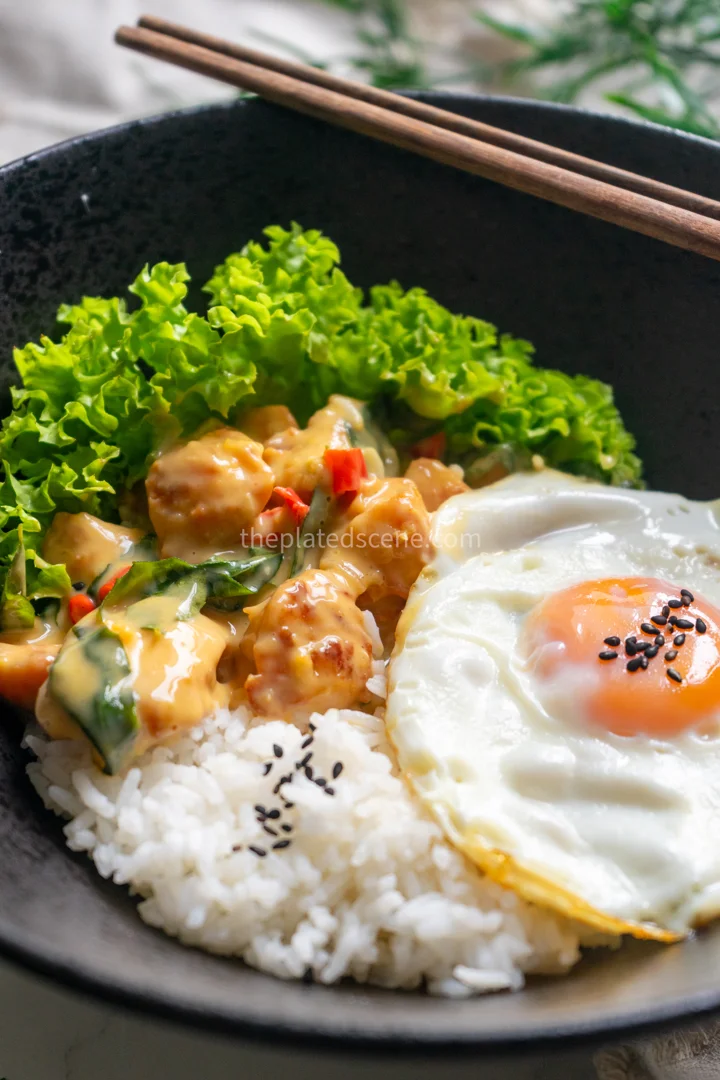
Salted Egg Chicken (Ayam Saus Telur Asin)
1
servings20
minutes15
minutes35
minutesSalted egg chicken is a well-loved Singaporean and Malaysian dish featuring crispy fried chicken coated in a rich, creamy sauce made from salted duck egg yolks, butter, curry leaves, and evaporated milk. The result is a savory, slightly sweet, and aromatic dish that’s both indulgent and comforting, perfect to serve with rice for a complete meal at home.
Keep the screen of your device on
Ingredients
- For the Chicken
3.5 oz 100 g chicken (thigh or breast, cut into bite-sized pieces)
1 oz 30 g Unsalted butter (about 2 tablespoons)
3 sprigs 3 sprigs curry leaves
5 5 chilies (optional, adjust to taste)
- For the Chicken Batter
2 tablespoons 2 tbsp corn starch
6 tablespoons 6 tbsp all-purpose flour
1 teaspoon 1 tsp cooking oil
1 tablespoon 1 tbsp beaten egg
3.4 fl oz 100 ml water (about 7 tablespoons)
1 pinch 1 pinch salt
1 pinch 1 pinch white pepper
- For the Salted Egg Sauce
2 2 salted egg yolks (cooked and mashed)
3.2 oz 90 g evaporated milk (about 1/3 cup)
0.35 oz 10 g condensed milk (about 1 teaspoon)
0.5 teaspoon 1/2 tsp sugar
1 pinch 1 pinch salt
Directions
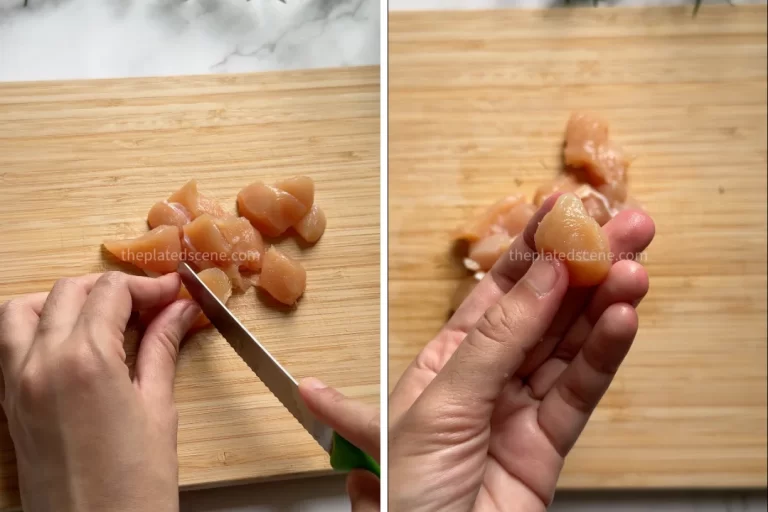
- Cut the chicken into cubes
Refer to the chicken section in the ingredients list. Use either chicken thigh for juicier bites or chicken breast for a leaner option. Cut the chicken into small cubes, around 1 inch in size. Keeping the pieces even in size ensures they cook at the same time and stay tender inside while becoming crispy on the outside.
- Prepare the batter mixture
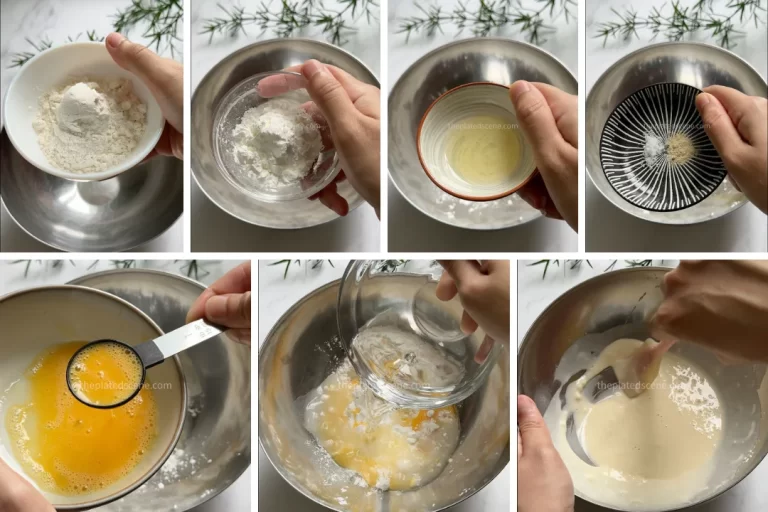
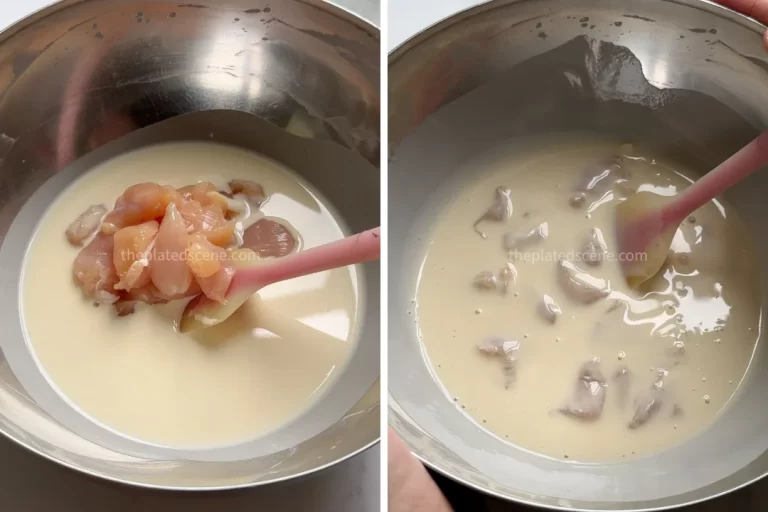
In a large mixing bowl, combine the corn starch, all-purpose flour, cooking oil, 1 tablespoon of beaten egg, water, a pinch of salt, and a pinch of white pepper. Mix until smooth and lump-free. Add the cubed chicken into the bowl and coat every piece thoroughly. Place the bowl in the refrigerator for about 30 minutes. This resting step is important because it allows the batter to set and helps the fried chicken turn crunchy instead of soggy. - Make the salted egg sauce base
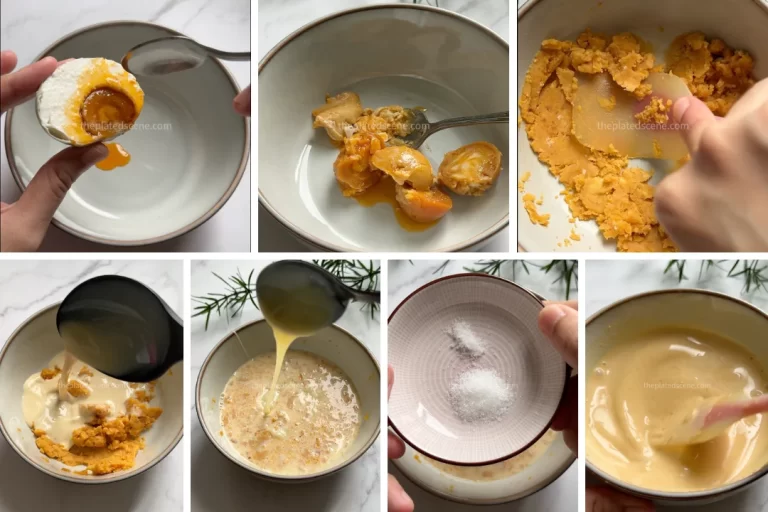
While the chicken is resting, prepare the sauce. Crack open the salted eggs and remove the yolks. Mash the yolks into a paste using a fork. Add evaporated milk, condensed milk, sugar, and salt to the mashed yolks. Mix well until the sauce is smooth. If you still see small clumps of salted egg yolk, do not worry, they will dissolve and add texture when cooked later. Set this sauce mixture aside so it is ready when you need it. - Prepare the aromatics
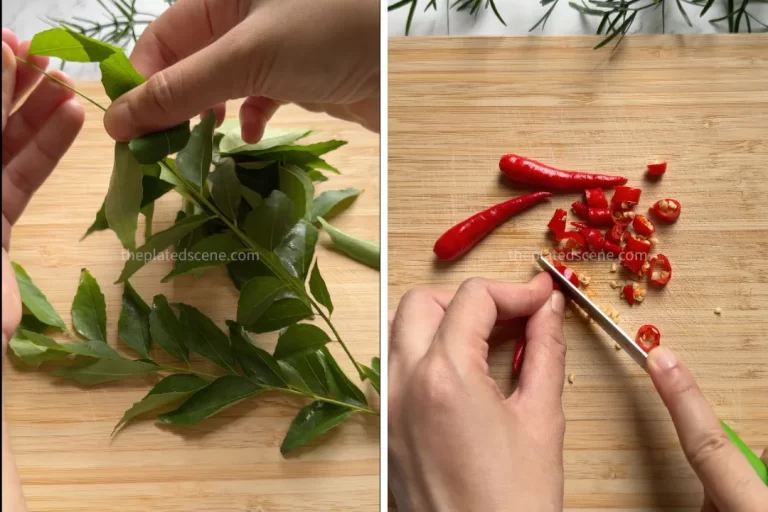
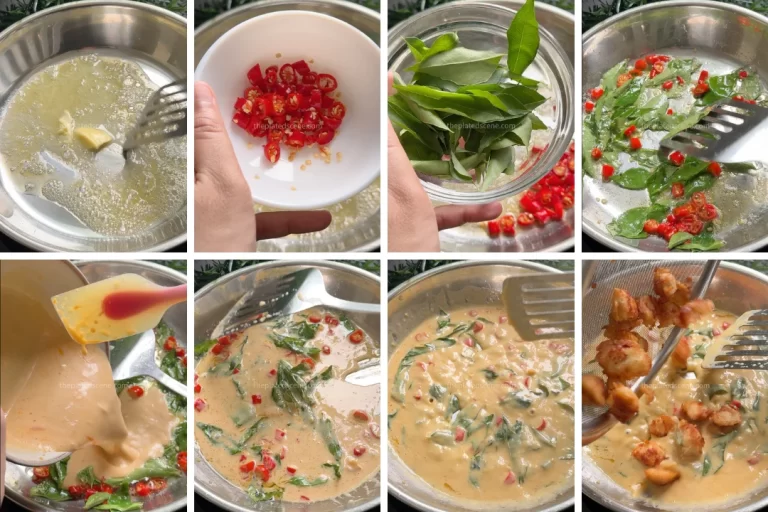
Slice the chili into thin pieces. If you prefer a milder flavor, remove the seeds. From the curry leaf sprigs, pluck the leaves one by one and discard the stems. This preparation step makes it easier to work quickly once you start cooking the sauce. - Fry the chicken until golden
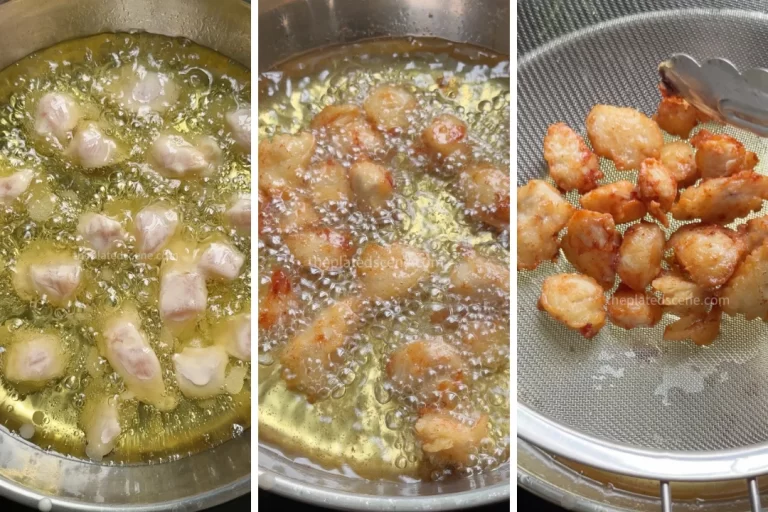
Take the chicken mixture out of the refrigerator. In a frying pan or wok, pour enough oil so that at least half of each chicken cube will be submerged when frying. Heat the oil over medium-high heat until hot. Test the oil by dropping in a small bit of batter; it should bubble and float immediately. Add the chicken pieces carefully in batches, making sure not to overcrowd the pan. Fry until each piece turns golden brown and crispy, then remove and place on a wire rack or paper towel to drain excess oil. - Cook the salted egg sauce
In a clean pan or wok, melt the butter over medium heat. Add the sliced chili and curry leaves. Stir continuously until the curry leaves turn darker and the chili softens slightly. Pour in the salted egg sauce mixture you prepared earlier. Stir the sauce constantly until it thickens and begins to shimmer with a glossy texture. This step helps the yolks release their natural oils, creating a rich and creamy sauce base. - Combine the chicken with the sauce
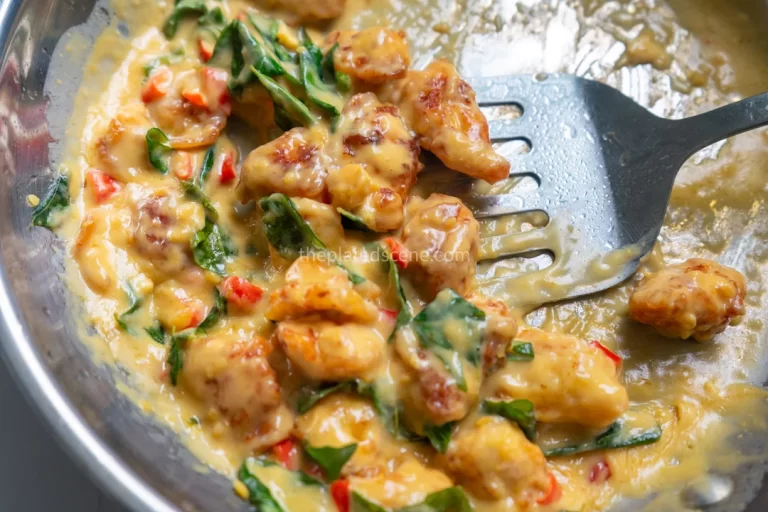
Once the sauce is ready, add the fried chicken pieces into the pan. Toss everything together so that each piece of chicken is evenly coated with the salted egg sauce. Continue stirring for another minute until the sauce clings well to the chicken. - Serve immediately
Transfer the salted egg chicken to a serving plate. It is best enjoyed hot, served with steamed rice or fried rice for a complete meal.

)
1 comment
Have you ever considered publishing an ebook or guest authoring on other websites? I have a blog centered on the same information you discuss and would love to have you share some stories/information. I know my subscribers would appreciate your work. If you are even remotely interested, feel free to shoot me an email.
Comments are closed.