

There’s something about acar kuning that instantly takes me back to childhood gatherings. In the quiet rhythm of my hometown, receiving a “besek” – a bamboo food box commonly shared during celebrations – was always a highlight. No matter what the main dish was, whether it was fried chicken, beef rendang, or opor ayam, one thing remained consistent: nestled in the corner of the besek was always a small portion of acar kuning buncis wortel timun. It added a bright, tangy burst to the plate – a contrast that brought balance to heavier dishes.

At home, my mother would prepare this dish whenever we had family visiting or hosted a religious gathering. It was part of her standard lineup, one she could whip up with her eyes closed but always tasted like a masterpiece. Watching her in the kitchen, I never quite realized how meticulous she was in preparing the acar kuning — from julienning the carrots and slicing the buncis (green beans), to peeling and seeding the cucumbers, and making the aromatic yellow spice paste.
Years later, when I tried to recreate this acar kuning buncis wortel timun from online recipes, I found something missing every single time. Many of them used vinegar to bring that characteristic sourness, but it always felt too sharp or flat compared to what I remembered. My mother’s version had a gentler tang, with a slightly creamy finish that balanced the spice beautifully. That’s when I realized: she didn’t use vinegar. She used coconut milk — a small amount, just enough to round out the edges of the turmeric and aromatics, giving the dish a subtle richness without losing its brightness.
I’ve spent a great deal of time trying to capture that flavor, and this post is my humble attempt to share a version of acar kuning buncis wortel timun that stays true to what I grew up with — something mellow, vibrant, and deeply nostalgic.
Table of Contents
Acar Kuning Buncis Wortel Timun: A Dish Rooted in Tradition
Acar kuning, particularly the version made with buncis, wortel, and timun, is deeply embedded in Indonesian culinary heritage. The word acar refers to pickled or marinated vegetables, and “kuning” (yellow) points to the golden hue imparted by turmeric in the spice base.
Historically, acar draws influence from Indian and Middle Eastern pickling traditions introduced via ancient spice trade routes. Over centuries, Indonesians localized this concept by incorporating local spices like turmeric, candlenut, and galangal. While many are familiar with acar mentah – raw, quick-pickled vegetables in vinegar – acar kuning offers a richer and more complex alternative.
Using buncis, wortel, and timun has become a classic combination, offering a mix of crunch, color, and flavor. In some families, like mine, a splash of coconut milk is added to the turmeric spice paste instead of vinegar, creating a creamy, savory twist on this traditionally tangy dish. This small change transforms the acar kuning from simply sour to warmly spiced and subtly rich – perfect for comforting meals and ceremonial gatherings alike.
What Does Acar Kuning Buncis Wortel Timun Taste Like?
The flavor of acar kuning buncis wortel timun is all about balance. The golden yellow spice paste – made with turmeric, garlic, shallots, and sometimes galangal or candlenut – gives the dish warmth and fragrance. The inclusion of coconut milk softens the sharpness of the spices, creating a creamy, savory base that envelops the vegetables instead of overpowering them.
The carrots bring a natural sweetness, the buncis add a grassy crunch, and the cucumbers provide a cool, juicy bite. The dish is often finished with just a bit of sugar and salt, enhancing the vegetables’ natural flavors without masking them. Served chilled or at room temperature, this version of acar buncis is refreshing, earthy, and incredibly satisfying.

Rather than a strong sourness like pickled dishes made with vinegar, this coconut-based acar kuning gives a smoother, more rounded tang. It’s the kind of side dish that quietly supports the main course — and sometimes steals the show with its understated charm.
Perfect Pairings for Acar Kuning
Acar kuning buncis wortel timun is one of the most flexible side dishes in the Indonesian kitchen. It cuts through rich and spicy dishes while also standing strong next to humble, everyday meals. Here are a few ideas to enjoy this version of acar kuning:
- Ayam goreng lengkuas or crispy fried chicken – The crunch of fried skin pairs beautifully with the creaminess of the acar.
- Nasi kuning – The yellow-on-yellow duo is festive and traditional, often served during birthdays, arisan, or ceremonial events.
- Rendang, semur, or opor ayam – The richness of coconut-based or soy-based stews is lifted by the bright and creamy acidity of acar kuning.
- Perkedel (mashed potato patties) – The soft texture of perkedel complements the crisp bite of acar buncis.
- Tahu and tempe goreng – A simple and affordable meal that becomes complete with a spoonful of acar on the side.
You can also tuck it into rice paper rolls, serve it over plain steamed rice, or even eat it as a cold veggie salad on a hot day.
Variations of Acar Kuning Buncis Wortel Timun
Every household seems to have its own version of acar kuning, and the buncis wortel timun combination is only one of many. Here are a few common variations you might want to try or explore:
- With cauliflower or cabbage – For extra crunch and volume, some cooks add chopped cauliflower florets or shredded cabbage.
- With pineapple – In Balinese or Javanese versions, pineapple adds a tropical acidity that plays well with the spice paste.
- With tofu or quail eggs – A more filling acar, often found in catered food boxes (nasi kotak) or buffet-style feasts.
- With chilies – Either sautéed in the paste or added raw for visual contrast and a spicy punch.
- With lime juice instead of vinegar or coconut milk – For a fresher tang, some families add lime juice at the end instead of cooking with vinegar or coconut milk.
Each version of acar kuning tells a slightly different story, depending on what’s in season, what’s in the pantry, and what memories the cook is trying to recreate.
Things to Watch Out for When Making Acar Kuning
Despite how easy acar kuning may seem, there are a few things worth noting to make sure your dish turns out just right:
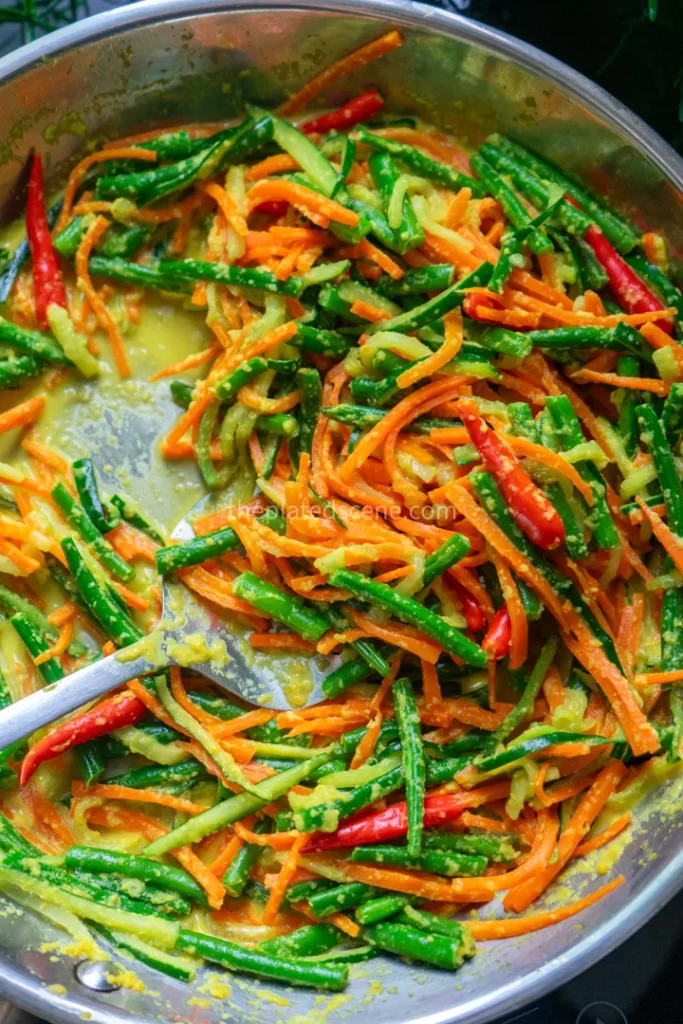
- Don’t overcook the vegetables – They should remain vibrant and slightly crisp. Overcooked carrots or green beans can turn mushy and dull.
- Use thick coconut milk – If using canned or boxed coconut milk, choose the thick, unsweetened type. Too watery, and the flavor won’t hold.
- Balance your seasoning – Coconut milk softens acidity, so you may need a tiny splash of lime juice if you want a sharper tang.
- Prep the cucumber properly – Peel it, slice lengthwise, and scoop out the watery seeds to avoid a soggy result.
- Sauté the spice paste until fragrant – This step is essential to mellow out the raw flavors and bring out the aroma of turmeric and garlic.
- Cool before serving – This dish tastes better after resting for a couple of hours. Letting it sit allows the flavors to develop fully.
- Store it well – Keep in an airtight container in the fridge and consume within 3–4 days for best texture and flavor.
Ingredients for Acar Kuning Buncis Wortel Timun
Main Ingredients

- Green beans (buncis)
The main vegetable in acar buncis. Slice the beans diagonally for better texture and presentation. Long beans can be used if you want a slightly softer bite. - Carrots
Provide natural sweetness and crunch. Cut into matchsticks or thin diagonal slices for quick cooking. They also contribute to the beautiful color contrast in acar kuning. - Cucumber
Adds a refreshing element to the dish. Use a firm cucumber variety, deseeded and sliced. This helps keep the acar buncis from becoming watery. - Chili padi (optional)
For heat lovers, adding whole or sliced bird’s eye chilies gives the acar kuning a spicy kick. You can skip them entirely if you prefer a milder version.
Other Ingredients

- Shallots
A key aromatic that adds depth and natural sweetness to the spice base. Shallots form the heart of many Indonesian dishes, including acar kuning. Red onions can be used as a substitute, though they may be slightly harsher in flavor. - Garlic
Adds savory richness to the acar kuning spice paste. Use fresh garlic for the best result. If you prefer a milder aroma, you can lightly sauté or roast the garlic before blending. - Candlenuts
These give body and a mild creamy texture to the blended paste. Traditionally used in Indonesian cooking, candlenuts can be replaced with macadamia nuts if unavailable, but the flavor may vary slightly. - Turmeric
The essential spice that gives acar kuning its vibrant yellow color and earthy aroma. Fresh turmeric is ideal for this dish, but if needed, powdered turmeric can be used as a substitute—about one-third the amount. - Sugar
Adds balance to the overall flavor. It’s optional, but a touch of sugar can help round out the sharpness of the spice and enhance the sweetness of the carrots and coconut milk. - Salt and mushroom stock powder
These seasonings help bring out the umami flavor in the acar buncis. Mushroom stock is a common pantry seasoning in Indonesian kitchens and gives a subtle depth. You can substitute it with chicken bouillon or vegetable powder if preferred. - Coconut milk
Instead of vinegar, this recipe uses coconut milk to create a creamy and mellow twist on the classic acar kuning. Use thick, unsweetened coconut milk for best results—boxed or canned versions both work.
How to Prepare and Cut the Vegetables for Acar Kuning Buncis Wortel Timun
In acar kuning, how you cut and cook the vegetables makes a big difference in both texture and flavor. This version keeps the vegetables crisp and vibrant while allowing them to absorb the creamy turmeric coconut sauce fully.
Cucumber (timun)
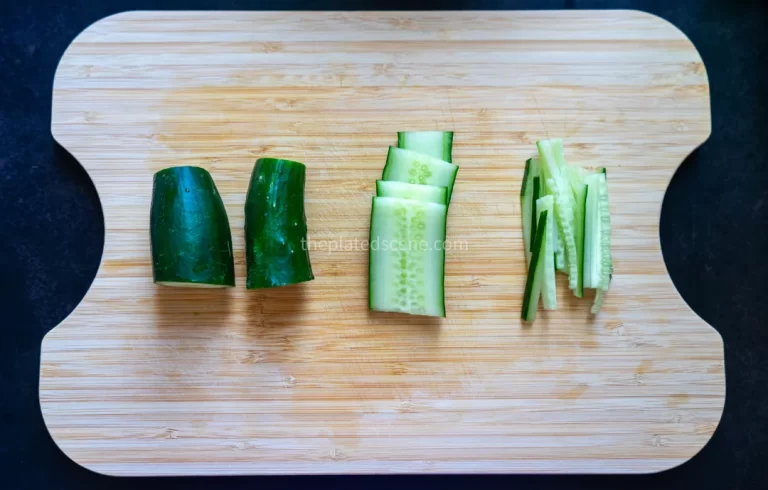
For this recipe, I use kyuri (Japanese cucumber) — a great choice because of its thin skin and soft, non-watery seeds. There’s no need to peel or deseed it.
- Wash the cucumber thoroughly.
- Slice it in half lengthwise.
- Cut each half into thin half-moon shapes or diagonal slices, about 0.5 cm thick.
- You can also cut it into thin sticks (julienne) if you want it to match the carrots in shape.

Carrots (wortel)
To preserve their natural sweetness and give them a tender bite without losing texture, I steam the carrots before stir-frying.
- Peel the carrots.
- Slice them into thin matchsticks (julienne).

Green Beans (buncis)
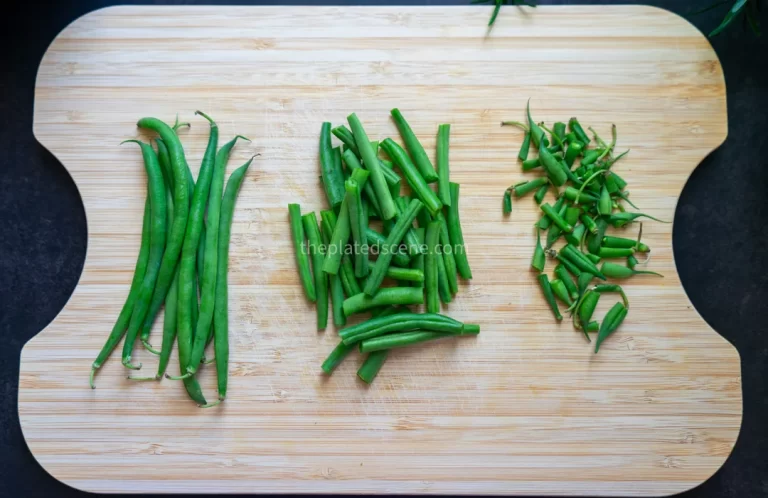
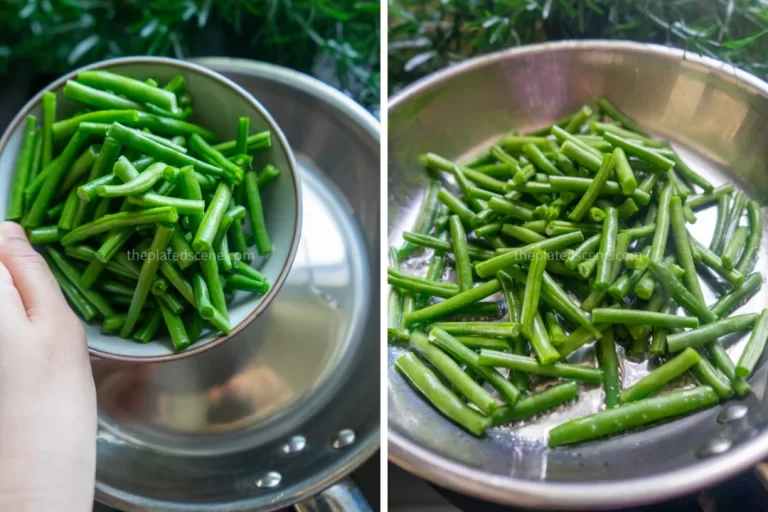
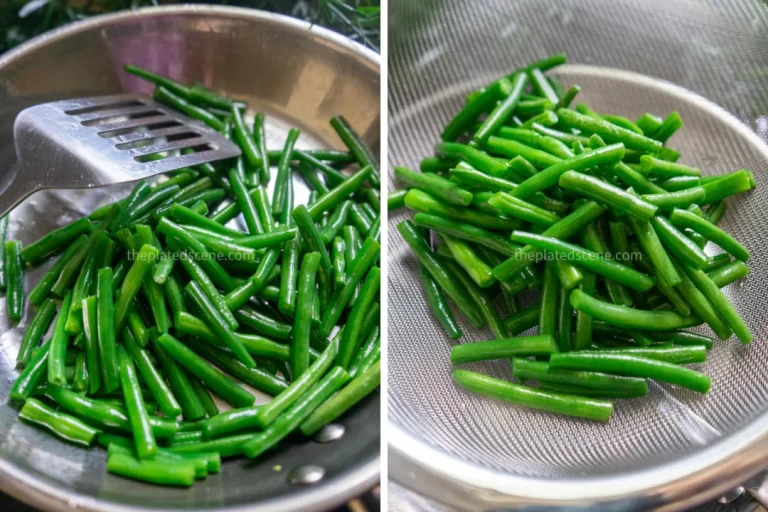
To enhance flavor and texture, I fry the green beans (buncis) lightly before adding them to the stir-fry.
- Rinse and trim both ends of the green beans.
- Cut into 3–4 cm pieces for more surface area and a classic acar buncis appearance.

Tip: Prepare and cook each vegetable separately before combining them with the blended ingredients. This ensures they retain their individual textures and colors, and prevents overcooking during the final stir-fry with the bumbu kuning.
Storing Instructions
Acar kuning buncis wortel timun can be made in advance and stores well, both in the fridge and freezer, making it a convenient side dish for batch cooking or special occasions.
- Refrigeration:
Let the acar cool completely before transferring it to an airtight container. Store in the fridge for up to 3–4 days. It tastes even better after resting for a few hours as the flavors develop. - Freezing:
Yes, you can freeze acar kuning — even with coconut milk! For best results:- Divide into smaller portions and store in freezer-safe containers or zip-top bags, removing as much air as possible.
- Label with the date, and freeze for up to 1 month. While coconut milk may slightly separate after thawing, a gentle reheat and stir will bring the sauce back together.
- Note: The texture of cucumber may soften slightly after freezing, but the green beans and carrots tend to hold up better, especially if they were steamed or fried beforehand.
- Thawing & Reheating:
Thaw overnight in the fridge, then reheat gently over low heat. Stir well to re-emulsify the coconut milk. Do not boil, as this can cause the sauce to split or the vegetables to overcook.
Nutritional Value (Approximate per Serving)
While exact values depend on the quantity used and portion size, here’s an estimated nutritional breakdown for one serving (about 150g) of acar kuning buncis wortel timun with coconut milk:
- Calories: ~120–150 kcal
- Fat: ~8–10g
Primarily from coconut milk and candlenuts. Rich in medium-chain triglycerides (MCTs), which are easier to digest. - Carbohydrates: ~12–15g
Mainly from carrots and shallots. Slightly sweet but balanced. - Protein: ~2–3g
From the green beans and aromatics. - Fiber: ~3–4g
High in dietary fiber from cucumber, carrots, and green beans. - Sodium: Depends on seasoning used. Reduce salt or mushroom stock powder if you need a lower-sodium version.
- Vitamins & Minerals:
- High in Vitamin A (from carrots)
- Contains Vitamin C and potassium from cucumber and green beans
- Natural antioxidants from turmeric and garlic
Note: This version of acar kuning is relatively light and nourishing, especially compared to dishes made with oil-heavy spice pastes. It’s naturally gluten-free and can be made vegan with plant-based mushroom seasoning.
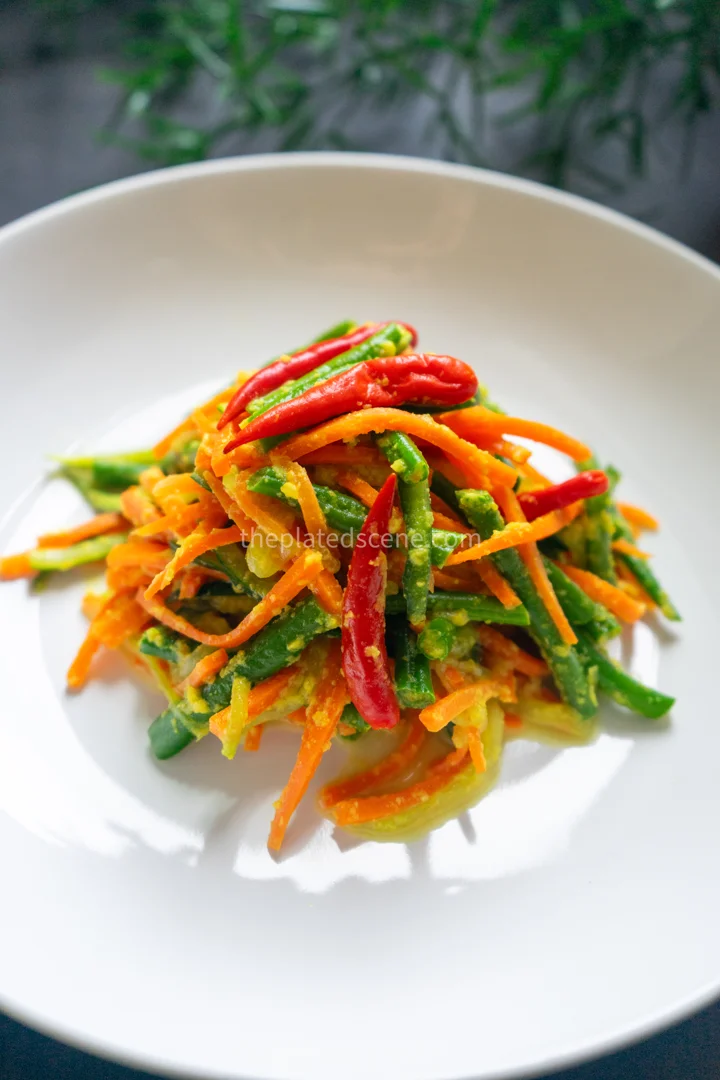
Creamy Acar Kuning Buncis Wortel Timun Recipe (Pickled Green Beans, Carrots, and Cucumber)
4
servings20
minutes15
minutes35
minutesKeep the screen of your device on
Ingredients
- Main Ingredients
7 oz 200 g green beans (trimmed and cut diagonally)
9 oz 250 g carrots (peeled and julienned)
5.3 oz 150 g Japanese cucumber (kyuri), sliced
15 15 bird’s eye chilies (optional)
- Spice Paste (Blended Ingredients)
1.4 oz 40 g shallots (about 6-7 small)
3 cloves 3 cloves garlic
4 4 candlenuts
0.5 oz 15 g fresh turmeric
- Other Ingredients
3.25 tablespoons 3 1/4 tbsp thick coconut milk
1 teaspoon 1 tsp sugar (optional)
1 teaspoon 1 tsp salt
1 teaspoon 1 tsp mushroom stock powder
Cooking oil, as needed (for frying and sautéing)
Water, as needed (to help blend the spice paste, optional)
Directions
- Prepare and cut the vegetables
Start by cutting all your vegetables: green beans, carrots, cucumber, and (if using) chili padi.
→ See the section above: How to Cut the Vegetables for Acar Kuning Buncis Wortel Timun for detailed guidelines and tips.


- Fry the green beans (buncis)
Lightly pan-fry the sliced green beans in a bit of oil over medium heat until they’re vibrant green with slight blistering. This quick frying brings out their flavor and helps them stay crisp even after being added to the spice base. Avoid overcooking — just 2–3 minutes is enough.
- Steam the carrots
Place the julienned carrots in a steamer and steam for 3–5 minutes until just slightly tender but still firm. This step softens the carrots slightly while preserving their crunch and bright color. Don’t over-steam, as they’ll continue cooking slightly in the final step. - Fry the candlenuts, then add shallots, garlic, and turmeric
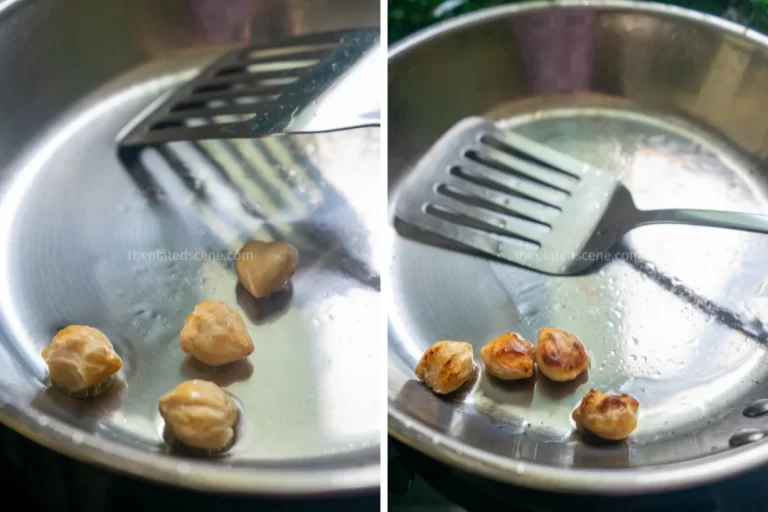
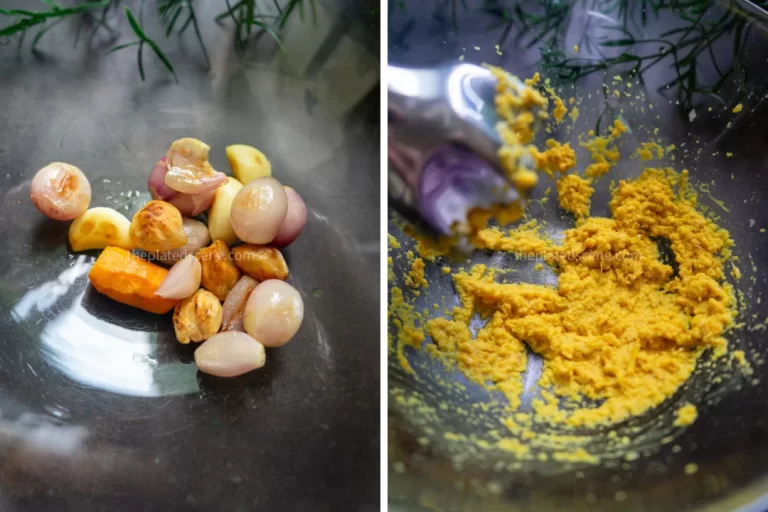
In the same pan, lightly fry the candlenuts until they start to turn golden — be careful not to burn them, as they can become bitter. Add the peeled shallots, garlic, and turmeric. Continue frying until fragrant and the ingredients have softened slightly. This step helps deepen the flavor of the spice paste and removes the raw edge. - Blend the ingredients into a smooth paste
Transfer the fried spice ingredients into a blender or food processor. Blend until smooth, adding a small splash of water or coconut milk if needed to help the mixture blend. You can also use an immersion blender directly in a jar or container if preferred. - Sauté the spice paste and add coconut milk
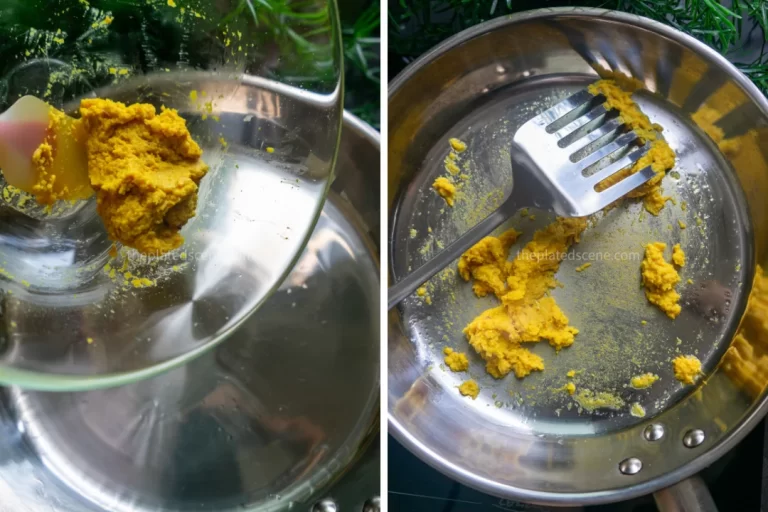
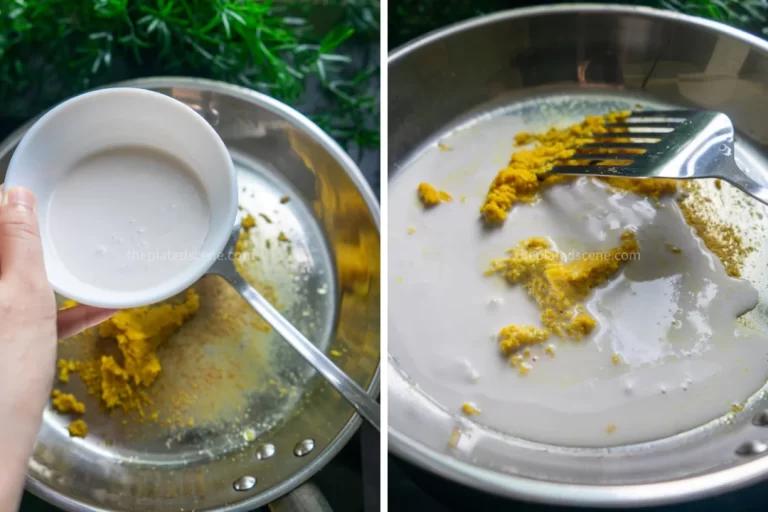
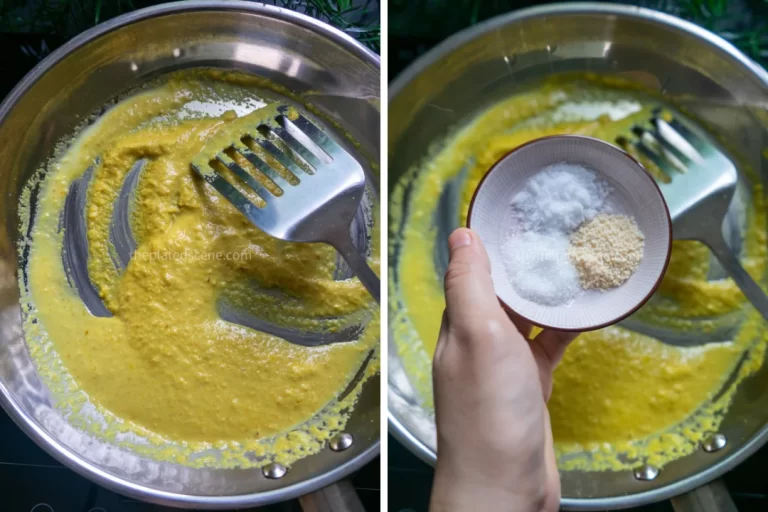
Heat a little oil in a clean pan and sauté the blended spice paste over medium heat until aromatic and slightly thickened — around 5–7 minutes. Stir constantly to prevent sticking or burning. Once fragrant, add the coconut milk, salt, sugar, and mushroom stock. Mix well and let it simmer gently for a minute or two to allow the flavors to meld. Do not boil too hard, or the coconut milk may split. - Combine vegetables and finish the dish
Add the fried buncis, steamed carrots, fresh cucumber slices, and chili padi into the pan. Mix everything gently and just long enough to coat the vegetables evenly with the sauce — about 30 seconds to 1 minute.
Once the vegetables are well coated and heated through, turn off the heat. Overcooking at this stage will cause the cucumber to become too soft and the green beans to lose their crunch.
Serving tip: Let the acar rest for at least 30 minutes before serving so the flavors can develop. It can be served warm, at room temperature, or chilled — depending on your preference.





)